
Sauces & Condiments
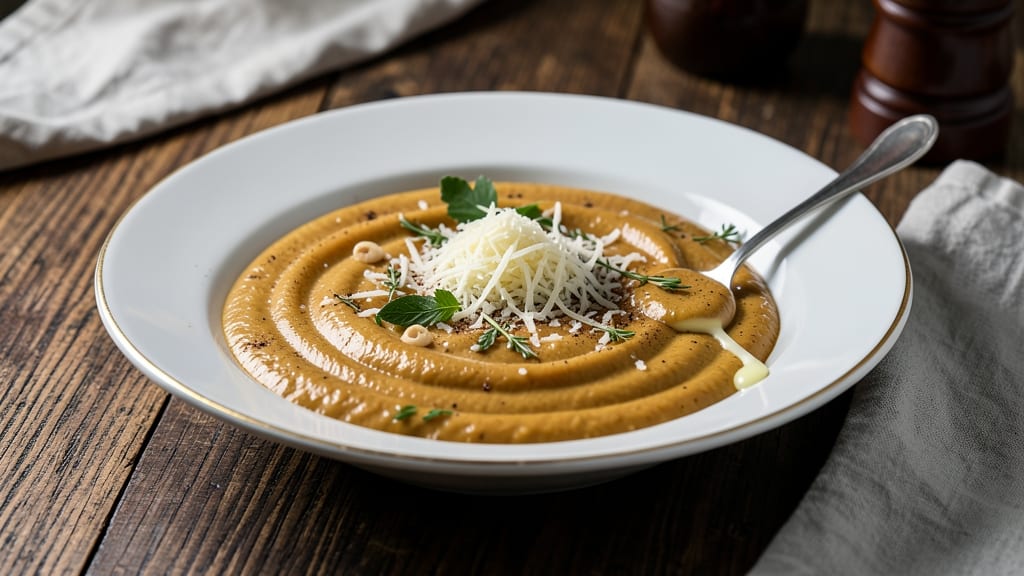
Mario Batali’s Alfredo sauce recipe delivers the creamy, luxurious texture you crave without the dreaded clumps or graininess—just rich, velvety perfection that clings to every strand of pasta. The secret lies in proper emulsification, where butter and Parmesan blend seamlessly into the cream, creating a sauce so smooth it feels like a decadent hug. I’ve refined this version to be foolproof, using a slow, controlled reduction to develop depth while keeping the technique accessible for home cooks.
What sets this sauce apart is the balance of ingredients: high-quality butter forms the base, heavy cream adds body, and freshly grated Parmesan (the key to avoiding lumps) provides that signature nutty, umami kick.
A touch of garlic and nutmeg elevates the flavor profile, while simmering gently ensures the sauce thickens just enough to coat without breaking. This isn’t just a sauce—it’s a restaurant-quality experience you can replicate at home.
The result is a sauce so creamy and flavorful that it transforms even simple fettuccine into a dish worthy of a fine-dining menu. The texture is silky, the taste is rich and slightly tangy, and the aroma alone will have everyone at the table anticipating the first bite.
No more clumpy, watery disappointments—just pure, velvety Alfredo that clings to every noodle.
For even more depth, consider adding a splash of white wine or a pinch of black pepper to brighten the sauce, or stir in a handful of fresh herbs at the end for a fresh, aromatic finish.
This recipe is designed to be your go-to for weeknight dinners or special occasions—because great pasta deserves a sauce that’s up to the task.
Ingredients for alfredo sauce recipe mario batali
Nine ingredients transform into Mario Batali's signature velvety Alfredo sauce.
| Ingredient | Amount | Notes |
|---|---|---|
| Unsalted Butter 🧈 | ¾ cup | Cold, cubed for slow melting |
| Heavy Cream 🥛 | 1 ½ cups | Full-fat for maximum richness |
| Parmesan Cheese 🧀 | 1 ½ cups | Freshly grated from block |
| Garlic Cloves 🧄 | 4 cloves | Minced for aromatic depth |
| Ground Nutmeg 🌿 | ½ tsp | Freshly grated preferred |
| Sea Salt 🧂 | 1 tsp | Diamond Crystal preferred |
| Black Pepper 🌶️ | ½ tsp | Freshly cracked for heat |
| White Wine 🍷 | ¼ cup | Dry variety recommended |
| Fresh Parsley 🌿 | ¼ cup | Chopped for garnish and freshness |
The butter and Parmesan are non-negotiable for that signature texture. European-style butter like Plugrá or Land O'Lakes is ideal—it has higher fat content for that luxurious mouthfeel. For the Parmesan, Parmigiano-Reggiano from Italy is the gold standard, but a good American version like Cabot works in a pinch. Look for blocks with the PDO label if you can find them; it guarantees authenticity. The heavy cream should be full-fat—Hormel or Organic Valley are reliable brands. As for garlic, freshly minced is a must; pre-minced cloves lose their punch fast.
No heavy cream? Half-and-half plus an extra tablespoon of butter gets you close, though the texture won't be quite as rich. Short on Parmesan? Pecorino Romano adds a sharper kick, but reduce to 1 cup to avoid overpowering. The white wine can be swapped for chicken stock or extra cream, but the acidity helps balance the richness. For nutmeg, pre-ground works, but a tiny amount goes a long way—start with a pinch and adjust. Fresh parsley is optional but adds a bright finish; dried oregano at half the amount works if you're in a bind.
This sauce is best made fresh but reheats beautifully—just warm gently on low heat with a splash of cream or water to restore silkiness. For storage, transfer to an airtight container and refrigerate for up to 5 days. Freeze for 3 months by portioning into ice cube trays with a splash of water, then transferring to a bag. When reheating from frozen, thaw overnight in the fridge first for the best texture. The sauce thickens as it cools, so always stir in a bit of cream or water when reheating.
Why You'll Love This Recipe
- Five-Ingredient Magic: The pantry staples here are already in my fridge—no specialty shopping needed. Just melt butter, toast garlic, and stir in cream and cheese until it’s velvety. That’s it. No chopping, no blending, just pure, effortless sauce.
- Rich Without Effort: The nutmeg and Parmesan give it that deep, nutty warmth while the heavy cream makes it impossibly smooth. Honestly, it tastes like a restaurant dish but with half the work—no one will guess it’s just five ingredients.
- Weeknight Wonder: Slap this on fettuccine for a 20-minute dinner or drizzle it over grilled chicken for a fancy-ish weeknight meal. I’ve even used it as a creamy pasta sauce for veggies when I’m in a rush. Versatile? Absolutely.
- Leftovers That Don’t Suck: Unlike some sauces that turn watery, this one actually improves the next day. Store it in the fridge, reheat with a splash of milk, and it’s just as rich. Between us, I’ve made a whole batch and fed the family for three meals—no waste, all flavor.
Step-by-step instructions for Mario Batali's Parmesan cream sauce
Here's how to make a velvety, lump-free Alfredo sauce that's rich and perfectly balanced.
Melt the Butter and Infuse the Garlic
In a medium saucepan, melt the 0.75 cup unsalted butter over medium-low heat. I like to use cold, cubed butter so it melts slowly and creates a smoother sauce. Once the butter has fully melted and is foaming gently, add the 4 cloves minced garlic and stir constantly for 1 minute until fragrant but not browned. Garlic burns quickly, so keep your eye on it—you want aroma, not bitterness.
This initial step builds the sauce's flavor foundation. The slow melt of cold butter prevents scorching while allowing the garlic to infuse without overcooking. If you see the butter starting to turn golden, reduce the heat immediately to maintain clarity in the sauce.
Deglaze with Wine and Add Cream
Pour in the 0.25 cup white wine and stir vigorously, scraping up any browned bits from the bottom of the pan. This deglazing step captures all the flavor that would otherwise stick to your pan. Let the wine simmer for 2-3 minutes until it reduces by about half and the alcohol aroma has cooked off.
Next, gradually whisk in the 1.5 cups heavy cream, starting with about ½ cup at a time. This slow addition prevents the sauce from curdling. Bring the mixture to a gentle simmer over medium heat, stirring frequently to prevent scorching. The sauce should thicken slightly but remain smooth—this takes about 5 minutes. If it starts to bubble too vigorously, reduce the heat to maintain control.
Incorporate the Parmesan and Season
Here's where the magic happens: reduce the heat to low and gradually sprinkle in the 1.5 cups freshly grated Parmesan cheese, whisking constantly to prevent clumping. I use a fine-mesh grater for this—it ensures even distribution and a silky texture. Add the cheese in 3 additions, waiting 30 seconds between each to let it fully melt and incorporate.
Once all the Parmesan is dissolved, stir in the 0.5 tsp ground nutmeg, 1 tsp sea salt, and 0.5 tsp black pepper. Taste and adjust seasoning if needed—this sauce should be rich but balanced, with a subtle warmth from the nutmeg. The nutmeg is key; it cuts through the creaminess and adds depth. If the sauce is too thick, whisk in 1-2 tablespoons of hot water or pasta water to reach your desired consistency.
Finish and Garnish
Remove the sauce from heat and let it sit for 2 minutes to thicken slightly. This resting period allows the flavors to meld and the sauce to reach its ideal texture. Stir in the 0.25 cup chopped fresh parsley just before serving—this adds brightness and a pop of color.
The sauce should coat the back of a spoon smoothly, with no lumps or graininess. If you're serving it over pasta, toss it in immediately to prevent the sauce from setting. For best results, use within 1 hour—the sauce continues to thicken as it cools. If storing, reheat gently over low heat, stirring frequently to maintain its creamy texture.
Pro Tips For Making Alfredo Sauce Recipe Mario Batali
- Melt Butter Slowly: Mario Batali’s version calls for melting butter gently—not splattering it. Use medium-low heat and stir constantly, or you’ll end up with nutty, burnt bits instead of rich, velvety flavor. I learned this the hard way when I rushed it and had to strain out chunks.
- Grind Fresh Garlic: Skip the jarred minced garlic—it’s dull and past its prime. Use 2 cloves, finely minced (or even mashed with a pinch of salt to draw out moisture), so they dissolve smoothly into the sauce. Fresh garlic adds aroma without grit, and you won’t taste the raw bite.
- Strain the Parmesan: Grate your own Parmesan (none of that pre-shredded stuff—it’s coated and clumpy) and strain it through a fine-mesh sieve into the warm cream. This removes any grit and ensures a silky texture. Trust me, your sauce will taste like it came from a Roman trattoria, not a grocery bag.
- Temper the Cream: Warm the heavy cream separately over low heat until it’s steaming but not boiling—just until tiny bubbles form at the edges. Then whisk it into the butter. Cold cream shocks the butter and can turn your sauce grainy. Think of it like easing into a hot bath, not diving in.
Dietary considerations for this recipe
Dairy-Free Adaptation
For a dairy-free version, replace the butter and heavy cream with 1 cup full-fat coconut milk (like Thai Kitchen) and ½ cup unsweetened almond milk. Use 1 cup nutritional yeast instead of Parmesan—it mimics the umami depth and grates like cheese.
Add 1 tbsp lemon juice to balance richness. This version still delivers creaminess but with plant-based ingredients. 🌱
Gluten-Free Considerations
This recipe is naturally gluten-free, but always verify your Parmesan cheese and white wine labels for cross-contamination warnings. Some brands process cheese in shared facilities with gluten-containing products.
Stick to certified gluten-free options like Barilla gluten-free pasta or De Cecco if serving over noodles. The sauce itself is safe as long as you use pure ingredients.
Lactose Sensitivity
If lactose intolerance is a concern, try a lactose-free heavy cream (like Organic Valley) and lactose-free butter (such as Miyoko's). For the Parmesan, use a lactose-free grated cheese or substitute with ½ cup lactose-free cream cheese blended with 1 tsp lemon juice for tang.
The texture will be slightly different but still delicious. Always taste as you go!
Vegan Version
Transform this into a vegan Alfredo by using 1 cup cashew cream (soak ½ cup raw cashews in hot water for 15 minutes, then blend with ½ cup water and 2 tbsp nutritional yeast).
Replace butter with 2 tbsp vegan butter (like Miyoko's) and add 1 tsp white miso paste for depth. Simmer for 5 minutes to develop flavors. The result is rich, nutty, and completely dairy-free. ✨
Low-Fat Option
For a lighter version, swap ½ cup of the heavy cream for ½ cup low-fat Greek yogurt (like Fage) and reduce butter to ½ cup. Use 1 cup reduced-fat Parmesan (or regular Parmesan with 1 tbsp cornstarch mixed in to absorb moisture).
The sauce will still be creamy but with fewer calories. Perfect for those watching their fat intake without sacrificing flavor!
Nut-Free Substitutions
If you're avoiding nuts entirely, skip the cashew cream in vegan versions and use 1 cup blended silken tofu (drained and blended with 2 tbsp lemon juice) instead. For the vegan butter, Earth Balance works well.
The tofu adds protein and a silky texture that mimics the creaminess of traditional Alfredo. Just ensure all other ingredients are nut-free to avoid cross-contamination.
Nutrition facts
Frequently asked questions
Why does Mario Batali's Alfredo sauce stay so creamy without clumps?
The secret lies in the slow, controlled melting of cold butter and the gradual incorporation of Parmesan in 3 additions. This method creates a proper emulsion where fat and liquid bind smoothly. Using freshly grated cheese (not pre-shredded) also prevents lumps, as the finer particles melt more evenly.
Can I make this sauce ahead of time?
Yes! Store it in an airtight container for up to 5 days in the fridge. When reheating, warm it gently over low heat with a splash of cream or water to restore silkiness. For freezing, portion into ice cube trays with a splash of water, then transfer to a bag for up to 3 months. Thaw overnight in the fridge first.
What's the best pasta to pair with this sauce?
Mario Batali's rich Alfredo shines with fettuccine or tagliatelle, whose flat surfaces hold the sauce beautifully. For extra indulgence, try pappardelle or linguine. Avoid thick, dense pastas like rigatoni—they can overwhelm the delicate sauce. Always cook pasta al dente (1 minute less than package instructions) to prevent mushiness.
How do I fix a sauce that's too thick or too thin?
For thick sauce, whisk in 1-2 tablespoons of hot water or pasta water gradually. For thin sauce, stir in 1 tablespoon of cold butter or 1 tablespoon of heavy cream to restore body. Never boil the sauce—this breaks the emulsion and creates graininess. The ideal consistency should coat the back of a spoon smoothly but still flow easily.
Can I add other ingredients like mushrooms or chicken?
Sauté 8 oz sliced mushrooms or ½ lb diced chicken breast in olive oil until cooked through before adding the wine. For mushrooms, remove excess moisture with a paper towel first to prevent a watery sauce. Add proteins or veggies after the sauce is fully emulsified to maintain its creamy texture. Season with extra salt and pepper to taste.