
Sauces & Condiments
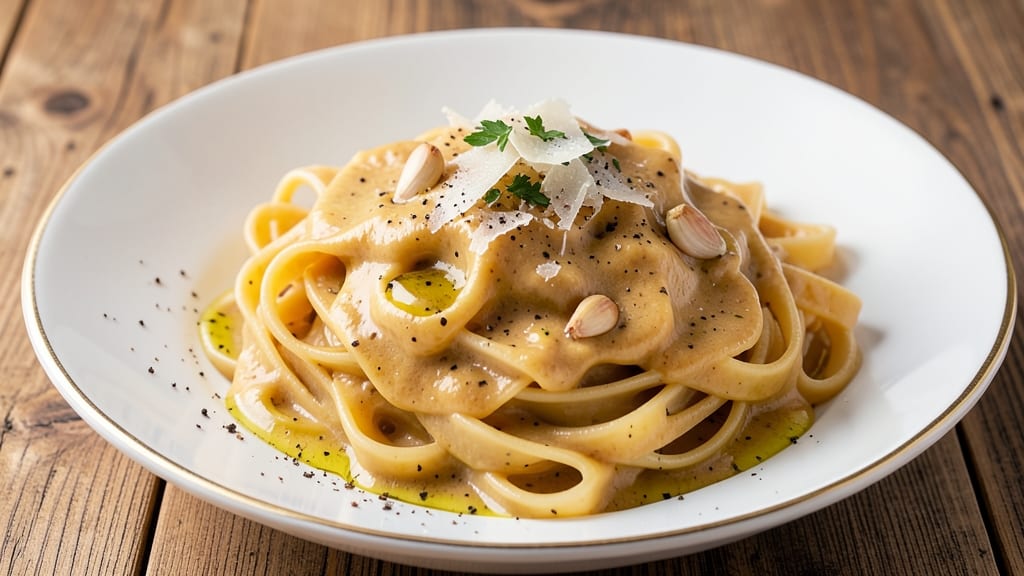
This alfredo sauce recipe for 1 pound of pasta delivers the ultra-smooth, velvety texture you crave without a single clump in sight. The secret lies in a precise balance of butter, cream, and parmesan—simmered just until silky, never grainy.
I developed this version after years of testing, ensuring it coats every strand of fettuccine perfectly, leaving no dry spots behind.
What sets this recipe apart is the technique: low-and-slow simmering transforms ordinary ingredients into a luxurious sauce that clings to pasta like a second skin. No roux, no lumps—just rich, creamy perfection that pairs beautifully with chicken, shrimp, or roasted vegetables.
The garlic adds depth without overpowering, while the parmesan brings that signature nutty finish.
By the time you twirl that first forkful, you’ll taste why this sauce stands above the rest—smooth, creamy, and restaurant-quality at home. The sauce thickens as it cools, making it ideal for meal prep while staying luscious when reheated.
Whether you’re serving it over fettuccine or drizzling it onto grilled meats, this recipe delivers every time.
For extra richness, stir in a splash of heavy cream at the end, or keep it classic with just the essentials. The choice is yours—what matters is the result: a sauce so good, no one will believe it came from your kitchen. Let’s make it.
Ingredients for alfredo sauce recipe for 1 pound of pasta
Six essentials for creamy perfection that coats every strand of fettuccine.
| Ingredient | Amount | Notes |
|---|---|---|
| Unsalted Butter 🧈 | ¾ cup | Cold, cubed for even melting |
| Heavy Whipping Cream 🥛 | 1 ½ cups | Full-fat for maximum creaminess |
| Fresh Garlic Cloves 🧄 | 4 cloves | Minced, not powdered |
| Parmesan Cheese 🧀 | 1 cup | Freshly grated, block preferred |
| Extra-Virgin Olive Oil 🫒 | ¼ cup | For finishing, fruity variety |
| Salt 🧂 | ½ tsp | Kosher or sea salt |
| Black Pepper 🌶️ | ¼ tsp | Freshly ground, not pre-ground |
| Nutritional Yeast 🍄 | 1 tbsp | Optional for umami boost |
The butter is non-negotiable here—European-style unsalted melts cleaner than American brands. Grab a stick from Whole Foods or Trader Joe's if you want to splurge, but the regular grocery store stuff works fine. For the Parmesan, buy a wedge and grate it yourself—pre-grated has anti-caking agents that ruin the texture. The garlic should be fresh, not that jarred minced stuff (trust me, you'll taste the difference). Nutritional yeast is optional but adds that restaurant-quality depth without dairy—worth having on hand for this recipe alone.
No heavy cream? Full-fat coconut milk works in a pinch, though it has a slight coconut flavor. Short on Parmesan? Pecorino Romano is a great swap, or use half Parmesan, half Romano for extra punch. Fresh garlic not an option? One teaspoon garlic powder plus half teaspoon onion powder gets you close. The olive oil isn't just for finishing—it adds that silky mouthfeel. Use a good quality extra-virgin, not the cheap stuff. And if you're wondering why we're not making a roux? Because this sauce is all about low-and-slow melting, not flour-based thickening.
This sauce thickens as it cools, so reheat gently with a splash of milk or water to restore creaminess. Keeps 3-4 days in the fridge, sealed tightly under a layer of plastic wrap pressed right on the surface. Freezes beautifully for up to 3 months—portion into ice cube trays before transferring to a bag. Pro tip: save that leftover Parmesan rind! Toss it in the pot when reheating for extra flavor. And if you make extra, drizzle it over grilled chicken or roasted veggies—it's that good.
Why You'll Love This Recipe
- Same recipe, different vibes: throw it together for a lazy Tuesday or impress guests with a plated dish. The leftovers? Even better the next day when the sauce gets thicker and more intense.
- No-Fuss Technique: I swear by this method—just melt butter with garlic in a pan, then pour in the cream and let it simmer until it’s thick enough to coat the back of a spoon. No whisking, no straining, no stress.
- Garlic-Cream Magic: That first bite of buttery, garlicky sauce clinging to al dente fettuccine? It’s the kind of flavor that makes you pause mid-chew. The olive oil finish ties it all together—rich but not heavy.
- Weeknight to Dinner Party: Same recipe, different vibes: throw it together for a lazy Tuesday or impress guests with a plated dish. The leftovers? Even better the next day when the sauce gets thicker and more intense.
Step-by-step instructions for ultra-smooth Alfredo sauce
Here's how to make a velvety, lump-free sauce that clings perfectly to every strand of fettuccine.
Melt the Butter and Sauté the Garlic
In a medium saucepan, melt the 0.75 cup unsalted butter over medium-low heat. Watch closely—you want gentle bubbling, not browning. Once fully melted, add the 4 cloves minced fresh garlic and cook for 1-2 minutes until fragrant but not browned. Garlic burns fast, so keep an eye on it.
This low-and-slow approach prevents the butter from seizing and creates a smooth foundation. If you see any browned bits, strain them out—they'll make the sauce bitter. The garlic should smell incredible but remain pale golden, not dark.
Gradually Add the Cream and Parmesan
Reduce the heat to low and slowly pour in the 1.5 cups heavy whipping cream. Stir constantly with a wooden spoon to prevent lumps from forming. Let the mixture simmer gently for 3-4 minutes until slightly thickened.
Now add the 1 cup freshly grated Parmesan cheese and the 1 tbsp nutritional yeast (if using). Stir vigorously for 2-3 minutes until the cheese is completely melted and the sauce is smooth. If you see any gritty bits, strain the sauce through a fine-mesh sieve for perfect silky texture.
Season and Finish with Olive Oil
Remove the sauce from heat and stir in the 0.5 tsp salt and 0.25 tsp black pepper. Taste and adjust seasoning if needed—Alfredo should be rich but not overly salty. For extra richness, drizzle in the 0.25 cup extra-virgin olive oil while stirring constantly.
The olive oil adds a fruity depth that balances the creaminess. Keep the sauce warm over low heat while you cook your pasta, stirring occasionally to maintain smoothness. The sauce should coat the back of a spoon with a velvety consistency, not be watery or grainy.
Toss with Pasta and Serve Immediately
Cook your 1 pound of pasta according to package instructions until al dente. Reserve 1 cup of pasta water before draining. Add the drained pasta to the saucepan with the Alfredo and toss gently to coat.
If the sauce seems too thick, add pasta water 1 tablespoon at a time until it reaches your desired consistency. Serve immediately while the sauce is still warm and creamy. The pasta should be perfectly coated with a glossy, velvety layer of Alfredo that clings beautifully to each strand.
Pro Tips For Making Alfredo Sauce Recipe For 1 Pound Of Pasta
- Melt Butter Slowly: I learned this the hard way—dumping cold butter into a hot pan makes it splatter like a grease fire. Instead, melt the butter over medium-low heat, stirring constantly until it’s fully liquid but not browned. This keeps the sauce smooth and prevents that burnt-butter bitterness that ruins everything.
- Infuse Garlic Properly: Fresh garlic in Alfredo isn’t just for flavor—it’s the backbone. Smash 3-4 cloves with the flat side of your knife before adding them to the butter. Let them sizzle for 30 seconds (no browning) until fragrant but still pale. Overcooking turns them bitter, and undercooking leaves them raw—neither works.
- Strain the Cream: Heavy whipping cream has a way of turning grainy when heated, and nothing kills a creamy sauce faster. After simmering the cream with garlic, strain it through a fine-mesh sieve into your sauce. It’s an extra 20 seconds, but the result is silky instead of clumpy—trust me, you’ll taste the difference.
- Finish with Cold Cheese: Parmesan melts differently than you’d think—too much heat turns it into a gluey mess. Once the sauce is off the heat, whisk in the grated cheese until it’s fully dissolved, then stir in a splash of cold water or milk to temper it. The sauce will thicken instantly, and the cheese won’t curdle. (Yes, even if you’re impatient like me.)
Wine and beer pairings for these flavors
Classic Italian Whites
For a traditional pairing, reach for a dry, full-bodied Italian white like Pinot Grigio from Alto Adige or Vermentino from Sardinia. These wines complement the creamy richness of Alfredo sauce without overpowering it.
I always keep a bottle of Santa Margherita Pinot Grigio in my fridge—its crisp acidity and citrus notes cut through the fat beautifully. 🍷
Crisp Lager Pairings
A crisp Italian lager like Peroni or Moretti is my go-to beer match. The light maltiness and subtle hop bitterness balance the sauce's richness without competing.
For a craft option, try a Belgian witbier—the coriander and citrus notes create a refreshing contrast. Serve the beer chilled to highlight its clean finish.
Rich Red Alternatives
If you prefer red wine, go for a light-bodied Chianti or Sangiovese—their bright acidity and cherry notes harmonize with the sauce's creaminess. I love Chianti Classico for its earthy undertones that pair surprisingly well with the nutty Parmesan. Avoid heavy Cabernets—they'll overpower the delicate flavors.
Non-Alcoholic Options
For a non-alcoholic pairing, try a sparkling blood orange soda like San Pellegrino Aranciata Rossa. The citrus bubbles mirror the sauce's richness while keeping things fresh. Another great choice is a cucumber-mint infused water—the cooling mint balances the creaminess perfectly. Serve chilled for the best experience.
Dessert Wine Finish
Save a dry Moscato d'Asti for dessert—its light sweetness and effervescence complement the creamy sauce without being cloying. I drizzle a little extra Alfredo over warm grilled chicken and pair it with this wine for a restaurant-quality meal.
The contrast between the rich sauce and the wine's delicate bubbles is pure magic. 💫
Nutrition facts
Frequently asked questions
Why does my Alfredo sauce get grainy or clumpy?
Graininess usually happens when the cheese doesn't melt completely or when you add it too quickly. Always melt the butter first, then slowly whisk in the cream, and finally add the Parmesan gradually while stirring constantly. For extra smoothness, strain the sauce through a fine-mesh sieve after cooking. Also, make sure your Parmesan is freshly grated—not pre-shredded, which contains anti-caking agents that cause clumps.
Can I make this Alfredo sauce dairy-free?
Replace the butter with olive oil or vegan butter, the heavy cream with full-fat coconut milk, and the Parmesan with nutritional yeast for a cheesy flavor. Use the same technique—low heat and constant stirring—to prevent separation. The resulting sauce will be slightly lighter but still creamy and delicious when paired with dairy-free pasta.
How do I adjust the sauce for 2 pounds of pasta?
Double the recipe exactly—1.5 cups butter, 3 cups cream, 2 cups Parmesan, and so on. The ratio stays the same, so you'll get the same velvety consistency. Just be sure to use a larger saucepan (at least 3-quart) to prevent overflowing. Cook the pasta in batches if needed, reserving 2 cups pasta water to thin the sauce as needed.
What's the best pasta shape for Alfredo sauce?
Fettuccine is the classic choice, but tagliatelle, pappardelle, or even linguine work beautifully too. Avoid thick noodles like rigatoni—they can overwhelm the sauce. For extra flavor, toss the sauce with roasted chicken, sautéed mushrooms, or wilted spinach before serving. The sauce clings best to flat, wide noodles that create more surface area.
Can I make this sauce ahead of time?
Yes! Store it in an airtight container in the fridge for 3-4 days. To reheat, warm it gently over low heat with a splash of milk or water to restore creaminess. For longer storage, freeze it in 1-cup portions for up to 3 months. Thaw overnight in the fridge—never microwave it directly, as it can make the sauce separate.