
Sauces & Condiments
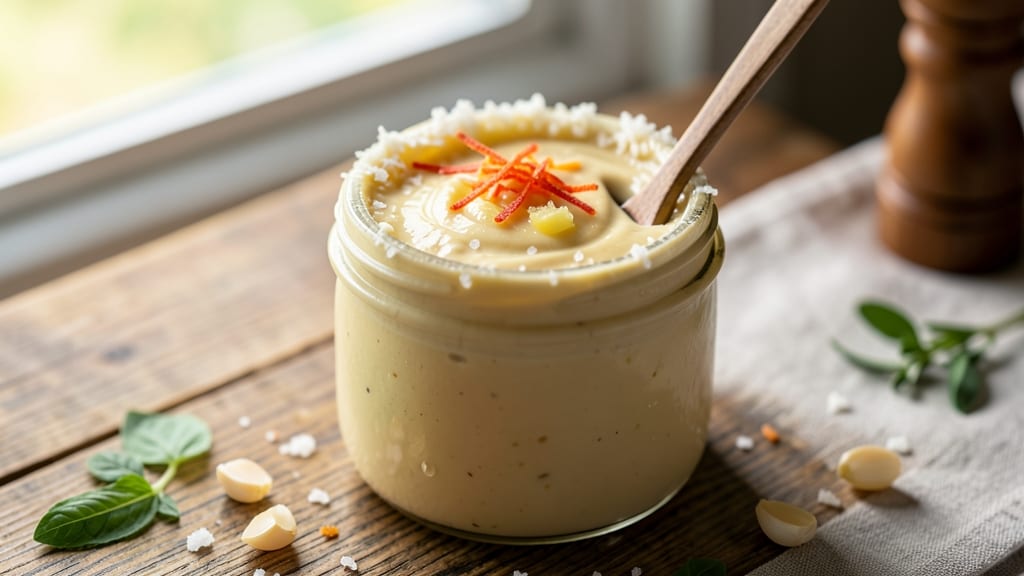
Canning alfredo sauce transforms creamy restaurant-quality richness into pantry-ready meals that last for months. The key to success lies in proper acidification and processing techniques that preserve flavor while ensuring food safety. This recipe delivers a velvety, clump-free sauce perfect for future pasta dishes, baked ziti, or chicken parmesan.
What sets this alfredo sauce apart is the careful balance of butter, cream, and parmesan cheese, combined with precise acidification using lemon juice. Unlike fresh versions that separate or spoil quickly, this canned sauce maintains its luxurious texture and rich flavor.
The process involves reducing the sauce to concentrate flavors before sealing it safely in jars.
By following tested canning methods—including proper sterilization and processing times—you’ll create a sauce that’s both safe to store and delicious to use. Each jar delivers restaurant-quality creaminess without the risk of spoilage, making it ideal for meal preppers and busy cooks who want to stock their pantries with homemade goodness.
The result is a smooth, rich alfredo sauce that stays fresh for up to a year, ready to elevate any Italian-inspired meal. Whether you’re preparing for emergencies, meal planning, or simply preserving homemade flavors, this recipe ensures you’ll always have creamy perfection at your fingertips.
Ingredients for alfredo sauce canning
Restaurant-quality alfredo sauce needs just ten ingredients to transform into pantry-ready perfection.
| Ingredient | Amount | Notes |
|---|---|---|
| Unsalted Butter 🧈 | ¾ cup | Cold, cut into small cubes |
| Heavy Cream 🥛 | 2 cups | Full-fat for best texture |
| Parmesan Cheese 🧀 | 1 ½ cups | Freshly grated from block |
| Garlic Cloves 🧄 | 6 cloves | Minced for even distribution |
| Fresh Lemon Juice 🍋 | ¼ cup | For acidification and brightness |
| Diamond Crystal Kosher Salt 🧂 | 1 ½ tsp | Adjust to taste after canning |
| Black Pepper 🌶️ | ½ tsp | Freshly ground for flavor |
| Pasta Water 🍝 | ½ cup | Reserved from cooking pasta |
| Pint-Sized Mason Jars 🥫 | 4 jars | With new lids and rings |
| Water Bath Canner 🔥 | 1 whole | For proper sterilization |
The butter and heavy cream form the sauce's luxurious base, so use only full-fat versions—none of that skim stuff. I always grab Plugrá butter for its rich flavor and Organic Valley heavy cream from the dairy section. Freshly grated Parmesan is non-negotiable—pre-grated gets clumpy and lacks depth. For the garlic, roast it first (400°F for 20 minutes) to mellow its sharpness—trust me, it makes a difference. The lemon juice isn't just for acidification; it brightens the whole sauce and helps preserve it properly. Get the good stuff—ReaLemon or fresh-squeezed works best.
No heavy cream? Half-and-half plus a splash of whole milk gets you close, though texture will be slightly lighter. Short on Parmesan? Pecorino Romano works too, but reduce to 1 cup since it's saltier. The pasta water might seem odd, but it's essential—it contains starch that helps thicken the sauce beautifully. If you're out, 1 tbsp cornstarch mixed with 2 tbsp water works in a pinch. For the jars, Ball or Kerr brand are my go-tos—they seal reliably. And always use new lids—old ones won't create an airtight seal, which is critical for safe canning.
This sauce keeps for up to 1 year in a cool, dark pantry once properly canned. Store jars upright to prevent leaks, and always check seals before storing. Reheat gently on the stove—never microwave, as it can make the sauce watery. I like to portion mine into smaller containers for quick use, but the pint jars are perfect for meal prep. The sauce thickens as it cools, so add a splash of milk or water when reheating if needed. Pro tip: Label your jars with the date—1 year is the max shelf life, though it'll likely be gone long before then.
Why You'll Love This Recipe
- No-Fuss Canning: I swear by this method—just melt butter, simmer cream, and stir in that sharp lemon juice at the end. No blender, no straining, no stress. The sauce comes together while you prep the rest of the meal.
- Rich Yet Bright: That lemon juice cuts through the richness of the butter and cream, giving it a bright, almost tangy finish. The Parmesan melts into a velvety blanket, but the garlic? Oh, it’s there—warm, aromatic, and just enough to make your taste buds sing.
- Pantry Staple Power: Between us, this sauce is my secret weapon for lazy nights. Toss it with canned fettuccine for a 15-minute dinner, drizzle it over roasted veggies, or even use it as a creamy dip. The ingredients are things I already have, so I’m never scrambling.
- Lasts All Week: I make a big batch, can it in sterilized jars, and it stays fresh for months. No weird aftertaste, no spoilage—just pure, creamy goodness whenever I need it. And because it’s so rich, a little goes a long way. Budget-friendly? Absolutely.
Step-by-step instructions for preserving alfredo sauce at home
Transforming creamy Alfredo into pantry-ready perfection requires precision timing and technique.
Melt the Butter and Infuse the Garlic
In a heavy-bottomed saucepan, melt the 0.75 cup unsalted butter over medium-low heat until it's completely liquid but not browned. Add the 6 minced garlic cloves and cook for 2-3 minutes until fragrant but not colored. This gentle cooking prevents bitterness while building flavor foundation.
Here's the thing—don't rush this step. You'll smell when it's ready: that warm, nutty garlic aroma means it's properly infused. Remove from heat immediately to avoid burning, as garlic turns bitter quickly at higher temperatures.
Build the Creamy Base
Return the pan to medium heat and slowly whisk in the 2 cups heavy cream, adding just ½ cup at a time to prevent curdling. The sauce should begin to thicken as it warms. Stir constantly for 5-7 minutes until the mixture reaches 180°F—this temperature ensures proper sterilization for canning while maintaining creaminess.
Watch closely as the sauce transforms. You're aiming for a velvety consistency where it coats the back of a spoon smoothly. If it thickens too quickly, whisk in 1-2 tablespoons of the 0.5 cup pasta water to maintain proper texture for processing.
Incorporate Cheese and Acid
Temporarily reduce heat to low and gradually whisk in the 1.5 cups freshly grated Parmesan cheese, adding ¼ cup at a time. The cheese should melt completely before adding more. Stir in the 0.25 cup fresh lemon juice and 1.5 tsp Diamond Crystal kosher salt, then add the 0.5 tsp black pepper.
This is where the magic happens: the acidity from lemon prevents curdling during canning while balancing the richness. Keep stirring until the sauce is completely smooth—no cheese lumps should remain. If you see any clumps, strain the sauce through a fine-mesh sieve for perfect texture.
Prepare and Fill Mason Jars
While the sauce simmers gently, prepare your 4 pint-sized Mason jars by running them through a hot water bath for 10 minutes to sterilize. Remove lids and bands, then fill each jar to within ½ inch of the top with the hot Alfredo sauce, leaving headspace for expansion.
Use a funnel if needed to prevent spills, but be careful not to overfill. The sauce should be piping hot when jarred—at least 170°F—to ensure proper seal and shelf stability. Wipe the jar rims with a clean, damp cloth to remove any sauce residue that could prevent sealing.
Process in Water Bath for Safe Preservation
Place the filled jars into your water bath canner, ensuring they're covered by at least 1 inch of water. Bring to a rolling boil and process for 75 minutes at 0 elevation. This extended processing time destroys bacteria and enzymes that could spoil your sauce.
After processing, remove jars carefully and let them cool undisturbed for 12-24 hours. You'll hear the satisfying "ping" as lids seal. Check seals by pressing the center—if it doesn't pop, your jar is properly sealed. Store in a cool, dark place where they'll keep for up to 1 year.
Pro Tips For Making Alfredo Sauce Canning
- Melt Butter Slowly: I learned this the hard way—dumping cold butter into the cream at full heat makes it split like a bad soufflé. Instead, melt the butter over medium-low, then whisk it into the warm (not boiling) cream to keep everything silky.
- Grate Parmesan Fresh: Pre-shredded cheese has anti-caking agents that make your sauce grainy. Use a microplane or fine grater for Parmesan—it dissolves smoothly and gives that real, nutty depth. (Yes, even if you’re impatient like me.)
- Simmer, Don’t Boil: Alfredo sauce curdles faster than you can say "fettuccine." Keep the heat at a bare simmer—tiny bubbles, constant stirring—so the cream doesn’t scald. If it looks like it’s fighting you, drop the heat.
- Lemon Last, Not First: Add lemon juice at the very end—right when you’re ready to plate. Too early, and the acid breaks down the cream. A splash (1-2 teaspoons) brightens the sauce without turning it into a sad, separated mess.
Regional styles of this alfredo sauce canning
Classic Italian Approach
In Italy, alfredo sauce is traditionally lighter than its American counterpart, often made with just butter, cream, and cheese. For canning, I recommend using 1 cup heavy cream instead of 2 to create a more authentic texture while still maintaining safety.
Add 1 tbsp tomato paste to each jar before sealing—this subtle addition balances the richness and adds a touch of Italian tradition. The sauce should be processed for 65 minutes instead of 75 to prevent over-thickening, which is common in Italian canning methods. 🍝
American-Style Richness
The classic American version leans into decadence with full-fat dairy and extra cheese. For this style, stick to the original recipe with 2 cups heavy cream and 1.5 cups Parmesan for that signature velvety texture.
Add ½ tsp nutmeg to each jar before processing—this spice is a hallmark of American alfredo and adds warmth. Process for the full 75 minutes to ensure safety with the higher fat content. The result is a sauce so rich it feels like a restaurant-quality indulgence.
Lactose-Free Adaptation
For those avoiding dairy, swap the butter and cream for 2 cups full-fat coconut milk and use 1 cup nutritional yeast instead of Parmesan. The coconut milk adds a subtle sweetness that balances the tangy lemon juice beautifully.
Process the jars for 85 minutes due to the coconut milk's lower acidity. This version keeps for 9 months instead of a year, but it's still a creamy, delicious alternative that works perfectly on pasta or as a veggie dip. 🌱
Smoky BBQ Alfredo Fusion
Take your canned alfredo to the next level by adding 1 tbsp smoked paprika and ½ tsp liquid smoke to the sauce before jarring. This smoky twist pairs perfectly with grilled meats or as a dipping sauce for wings.
Process the jars for 75 minutes as usual, but store them in a cooler, darker spot to preserve the smoky flavors. The lemon juice helps balance the smokiness, creating a sauce that's both rich and complex. This fusion style is perfect for Southern or Tex-Mex inspired meals.
Low-Fat Pantry Version
For a lighter option, reduce the butter to ¼ cup and use 1 cup low-fat milk instead of heavy cream. Add an extra ½ cup grated Parmesan to compensate for the reduced fat. The sauce will be slightly thinner but still delicious.
Process for 80 minutes due to the lower fat content, which requires extra time to ensure safety. This version is ideal for those watching their fat intake but still craving creamy alfredo. The lemon juice remains crucial for both acidification and flavor balance.
Herb-Infused Variations
Brighten up your canned alfredo with fresh herbs before processing. Add 1 tbsp fresh basil or parsley to each jar, or infuse the sauce with ½ tsp dried thyme or oregano for an Italian garden flavor. For a French twist, stir in ½ tsp tarragon before jarring.
Process all herb-infused versions for 75 minutes as usual. These variations add freshness and complexity, making your pantry sauce feel like a gourmet creation every time you open a jar. 🌿
Nutrition facts
Frequently asked questions
Why does canned Alfredo sauce need lemon juice?
The lemon juice serves two critical purposes: it provides necessary acidity to prevent bacterial growth during canning, and it brightens the sauce's flavor. Without proper acidification, dairy-based sauces can spoil quickly. The 0.25 cup required meets USDA guidelines for safe home canning while keeping the sauce tangy and fresh-tasting.
Can I use powdered lemon juice instead of fresh?
Yes, but you'll need 1 tablespoon of powdered lemon juice to equal 0.25 cup fresh. The key is maintaining the same acidity level—powdered works just as well for canning safety. Just dissolve it completely in the sauce before processing. For best flavor, fresh is preferred, but powdered is a reliable backup.
What if my canned Alfredo sauce separates or gets grainy?
This usually happens from overheating or improper mixing. To fix it, gently reheat the sauce on low heat while whisking continuously. If grainy, strain through a fine-mesh sieve. For future batches, reduce heat when adding cheese and whisk constantly to prevent lumps. The 180°F target temperature is crucial—don't exceed it.
How do I know if my canned Alfredo sauce has spoiled?
Check for these red flags: a foul odor (sour or putrid), mold growth, or bubbles in the jar. If the lid bulges or doesn't seal properly, discard immediately. Even if it looks fine, when in doubt, throw it out—dairy-based canned products can harbor dangerous bacteria like botulism if not properly processed.
Can I add fresh herbs to the jars before canning?
Yes, but use only ½ teaspoon dried herbs or 1 tablespoon fresh per jar to avoid excess moisture. Basil and parsley work best. Process for the full 75 minutes—herbs don't affect processing time but can alter flavor. For maximum freshness, add herbs just before serving fresh batches instead.