
Sauces & Condiments
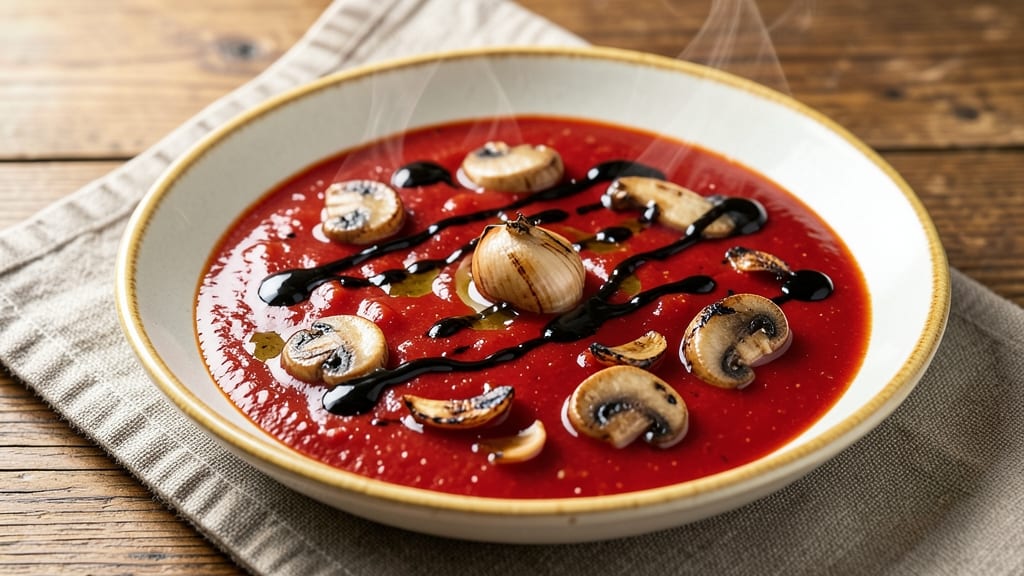
This Bacchanal sauce recipe transforms simple pantry staples into a smoky, garlicky masterpiece that elevates grilled meats, cheeses, and pasta. The secret lies in balancing rich umami with bright acidity—tomatoes simmered with wine until thick and glossy, then deepened with garlic, mushrooms, and a touch of balsamic.
I developed this after years of experimenting with Italian-inspired sauces that needed that extra layer of complexity without overpowering the dish.
The sauce begins with a slow reduction of canned tomatoes and red wine, letting the alcohol evaporate while concentrating flavors. Fresh garlic and mushrooms add earthy depth, while a splash of balsamic vinegar ties everything together with a subtle tang.
What sets this apart is the smoky finish—achieved by lightly charring the garlic and mushrooms in a hot pan before adding them to the sauce, creating a rich, caramelized aroma that lingers long after the first bite.
By the time you drizzle this sauce over grilled steak, chicken, or even roasted vegetables, you’ll taste layers of garlicky warmth, smoky richness, and bright acidity that make every dish feel restaurant-quality.
It’s versatile enough for weeknight dinners or special occasions, and the thick, clingy texture ensures it won’t disappear into your food. The best part? It tastes even better the next day, making it perfect for meal prep.
Store it in an airtight container in the refrigerator for up to 5 days or freeze for 3 months—just reheat gently on the stove until warmed through.
Whether you’re drizzling it over a perfectly grilled ribeye or tossing it with al dente pasta, this sauce turns ordinary meals into something extraordinary. Let’s get cooking!
Ingredients for bacchanal sauce
Nine ingredients create this restaurant-worthy sauce that transforms grilled meats into a showstopper.
| Ingredient | Amount | Notes |
|---|---|---|
| San Marzano Crushed Tomatoes 🍅 | 2 cans | 28 oz can each, high-quality |
| Dry Red Wine 🍷 | 1 cup | Bold Cabernet Sauvignon preferred |
| Garlic Cloves 🧄 | 8 cloves | Fresh, lightly charred for smokiness |
| Cremini Mushrooms 🍄 | 8 oz | Sliced, charred before adding |
| Balsamic Vinegar 🍶 | 2 tbsp | Aged 25+ years for depth |
| Extra-Virgin Olive Oil 🫒 | ½ cup | High-quality, fruity variety |
| Dried Thyme 🌿 | 1 tsp | Or 1 tbsp fresh thyme leaves |
| Diamond Crystal Kosher Salt 🧂 | 1 tsp | Adjust to taste |
| Freshly Ground Black Pepper 🌶️ | ½ tsp | Freshly cracked preferred |
| Red Pepper Flakes 🔥 | ¼ tsp | Optional, for heat |
The tomatoes and wine are the foundation—San Marzano cans give you that sweet, meaty depth, while a bold red like Cabernet Sauvignon adds complexity. I always grab the 28 oz cans at Whole Foods or Trader Joe's for the best quality. Fresh garlic and mushrooms are non-negotiable here; the charring step is what creates that signature smoky aroma. For the mushrooms, cremini or baby bella work perfectly—their meaty texture holds up to the charring. If you're short on time, you can skip the charring, but trust me, it makes all the difference. The balsamic vinegar should be aged—25 years or more if you can find it, but even a good 10-year will elevate the flavor.
No red wine? Beef broth with a splash of balsamic works in a pinch, though the depth won't be quite the same. Fresh thyme is ideal, but dried at one-third the amount gets you close. If you're missing the mushrooms, sun-dried tomatoes (oil-packed) at half the amount add a similar earthy note. The olive oil matters here—skip the cheap stuff. A good extra-virgin with fruity notes will shine through, while a bland one will just taste like oil. For the garlic, if you're not comfortable charring it, roast it whole in the oven first—still adds that smoky flavor without the fuss. And if you're worried about the red pepper flakes, start with just a pinch—you can always add more later.
This sauce tastes even better the next day once all the flavors meld together. Store it in an airtight container in the fridge for up to 5 days, or freeze for 3 months. I like to portion it into small jars—perfect for drizzling over grilled steak or tossing with pasta. If you're meal prepping, make a double batch. It reheats beautifully on the stove over medium-low heat, just until warmed through. The texture should be thick and glossy, not watery. If it's too thick, a splash of water or broth will loosen it up. If it's too thin, simmer it uncovered for a few minutes to reduce.
Why You'll Love This Recipe
- One-Pot Magic: I swear by this sauce because it’s literally one pan—no extra bowls, no mess. Sauté the mushrooms and garlic, deglaze with wine, toss in the tomatoes, and let it simmer. The balsamic vinegar ties everything together while you’re still wiping your hands.
- Umami Bomb: That combo of San Marzano tomatoes and cremini mushrooms? Rich, deep, and unexpectedly satisfying. The red wine adds a bright acidity, and the balsamic vinegar finishes it with a tangy punch—like a fancy dinner in a skillet.
- Weeknight Workhorse: Between us, this sauce is my go-to for pasta, roasted chicken, or even grilled veggies. Make a big batch on Sunday, and you’ve got flavor for the whole week. Honestly, I’ve used it in everything from lasagna to stuffed peppers—it just works.
- Budget-Friendly Luxury: You’re getting restaurant-quality depth without breaking the bank. A bottle of dry red wine, a handful of mushrooms, and a can of tomatoes stretch far. Plus, leftovers taste just as good reheated the next day—if they last that long.
Step-by-step instructions for bacchanal sauce
Transform simple ingredients into a velvety, smoky masterpiece perfect for grilling or drizzling.
Char the Garlic and Mushrooms for Depth
Heat a large skillet over medium-high heat with 2 tablespoons of the extra-virgin olive oil. Add the 8 cloves garlic cloves, peeled, and cook until they turn golden brown and slightly blistered—about 2-3 minutes. Watch carefully; garlic burns quickly. Immediately transfer the charred garlic to a bowl and set aside.
In the same skillet, add the 8 oz cremini mushrooms, sliced. Cook undisturbed for 5-6 minutes until deeply browned and caramelized on one side. Stir, then repeat until all sides are charred. This step develops the sauce's signature smoky complexity—don't skip it. Transfer the mushrooms to the bowl with the garlic.
Build the Sauce Base with Wine and Tomatoes
Reduce the skillet heat to medium and add the 1 cup dry red wine. Let it simmer for 3-4 minutes until reduced by half, scraping up any browned bits from the bottom of the pan. This deglazing captures all the flavor you've built so far.
Pour in the 2 cans San Marzano crushed tomatoes and stir well. Add the 2 tablespoons balsamic vinegar, 1 teaspoon dried thyme, 1 teaspoon Diamond Crystal kosher salt, and 0.5 teaspoon freshly ground black pepper. Bring to a gentle simmer, then reduce heat to low. Let it cook uncovered for 20-25 minutes, stirring occasionally, until the sauce thickens slightly and the flavors meld.
Finish with Charred Aromatics and Balance Flavors
Add the charred garlic and mushrooms back to the sauce. Stir in the remaining 0.375 cup extra-virgin olive oil (you started with 0.5 cup total) and the 0.25 teaspoon red pepper flakes. Taste and adjust seasoning—you might need a bit more salt or pepper depending on your tomatoes. The sauce should be rich, slightly tangy, and deeply aromatic.
Simmer uncovered for another 10 minutes to let the flavors marry. If the sauce becomes too thick, add 1-2 tablespoons water to reach your desired consistency. The final texture should be velvety yet still pourable—ideal for drizzling over grilled meats or pasta.
Rest and Serve for Maximum Flavor
Remove the sauce from heat and let it rest for 10 minutes at room temperature. This resting period allows the flavors to fully develop and the sauce to thicken slightly. Taste again before serving—sometimes resting reveals if additional seasoning is needed.
Serve warm over grilled steaks, drizzled over wood-fired pizzas, or spooned alongside roasted vegetables. The sauce's smoky garlic and tomato base pairs beautifully with bold flavors, while the balsamic and olive oil add a luxurious finish. Store leftovers in an airtight container in the refrigerator for up to 5 days or freeze for 3 months.
Pro Tips For Making Bacchanal Sauce
- Sear the Mushrooms First: Don’t just toss raw mushrooms into the sauce—they’ll turn to mush. Sauté them in olive oil over medium-high heat until they release their moisture and develop a golden crust, about 8-10 minutes. This step adds depth and texture that skipping it will leave you wondering why your sauce feels flat.
- Deglaze with Wine Immediately: The moment you add garlic to the pan, pour in that dry red wine right after—don’t wait. The wine will scrape up all the browned bits (fond) from the mushrooms and garlic, giving your sauce a richer, more complex flavor. Let it simmer until it reduces by half before adding tomatoes.
- Crush Garlic, Don’t Mince: I used to mince garlic finely, but now I smash the cloves with the flat side of my knife before adding them. This keeps the flavor bold without turning bitter, and the larger pieces infuse the sauce more evenly. Plus, you won’t end up with that overpowering garlic punch some recipes risk.
- Simmer Low and Slow: This isn’t a 20-minute sauce—give it at least 45 minutes of gentle simmering. The longer the tomatoes and wine meld, the deeper the flavor. If you rush it, you’ll end up with something that tastes more like a quick weeknight dinner than a rich, layered bacchanal. Cover the pot loosely and let it work.
Dietary considerations for this recipe
Gluten-Free Adaptations
This sauce is naturally gluten-free, but always double-check your ingredients—especially the balsamic vinegar and wine. Some brands may contain additives with gluten. I recommend Cup of Gold balsamic for a pure, gluten-free option.
The San Marzano tomatoes and dried thyme are also safe choices, but avoid pre-mixed seasoning blends that might contain hidden gluten. 🌱
Vegetarian-Friendly
The sauce is already vegetarian, but if you're using it with meat dishes, keep it separate. For vegetarian meals, drizzle it over roasted vegetables, lentil stews, or grilled halloumi cheese.
The umami-rich mushrooms and balsamic vinegar make it deeply satisfying without any animal products. I often serve it with grilled eggplant or portobello mushrooms for a hearty vegetarian plate.
Dairy-Free Considerations
This sauce contains no dairy, making it perfect for lactose-intolerant diets. However, if you're pairing it with dishes that include cheese—like grilled cheese sandwiches or pasta—keep the sauce on the side.
The rich tomato and wine flavors complement dairy-free cheeses like nutritional yeast or cashew-based cheeses beautifully. For extra creaminess, stir in 1 tablespoon coconut cream at the end.
Low-Sodium Options
If you're watching your sodium intake, reduce the kosher salt to just ½ teaspoon and enhance flavor with extra garlic, mushrooms, or balsamic vinegar. For added depth, add 1 teaspoon smoked paprika or a pinch of white miso paste (½ teaspoon) for umami without extra salt.
Taste as you go—this sauce is forgiving, and you can always adjust later.
Allergen-Free Adjustments
For nut allergies, ensure your olive oil is nut-free (some brands process in shared facilities). If you're avoiding mushrooms, substitute with sun-dried tomatoes (2 tbsp, oil-packed) and add 1 teaspoon capers for a briny depth.
For wine allergies, replace the red wine with 1 cup beef broth + 1 tablespoon balsamic vinegar. Always check labels on dried herbs and spices for potential allergens like celery or mustard.
Keto-Friendly Modifications
This sauce is naturally low-carb, but watch the tomatoes—opt for 1 can (14 oz) sugar-free tomato sauce instead of crushed tomatoes to reduce carbs. Skip the red pepper flakes if you're strict about avoiding seeds, and use ½ cup extra-virgin olive oil instead of the full amount to cut calories.
Pair it with grilled chicken or steak for a keto-friendly meal. The balsamic and garlic add richness without the carbs. 💪
Nutrition facts
Frequently asked questions
Can I make this sauce without wine?
Yes! For a wine-free version, replace the 1 cup red wine with 1 cup beef broth plus 1 tablespoon balsamic vinegar. The sauce will still develop rich flavors, though the depth from wine reduction will be slightly different. Simmer the broth longer to concentrate the flavor.
How do I adjust the thickness of the sauce?
If the sauce is too thick, stir in 1-2 tablespoons water or broth while warm. For a thicker consistency, simmer uncovered for 5-10 extra minutes to reduce. The ideal texture should be velvety yet pourable—like a thick drizzle. A splash of water works best for adjustments.
What's the best way to store leftovers?
Transfer the sauce to an airtight container and refrigerate for up to 5 days. For longer storage, freeze in small portions (like ice cube trays) for up to 3 months. Thaw overnight in the fridge and reheat gently on the stove, stirring occasionally. The flavors actually improve after resting!
Can I use this sauce on non-meat dishes?
This sauce pairs beautifully with grilled vegetables, roasted potatoes, or even as a pasta drizzle. The smoky garlic and balsamic notes complement plant-based proteins like tofu or tempeh. Try it with grilled eggplant or portobello mushrooms for a vegetarian showstopper.
Why does my sauce taste too acidic?
This usually happens if the tomatoes or wine weren't fully reduced. Balance it by adding 1 teaspoon sugar or honey to sweeten the acidity, or stir in 1 tablespoon extra olive oil to mellow the flavors. A pinch of salt can also help round out the taste. Always taste as you go!