
Sauces & Condiments
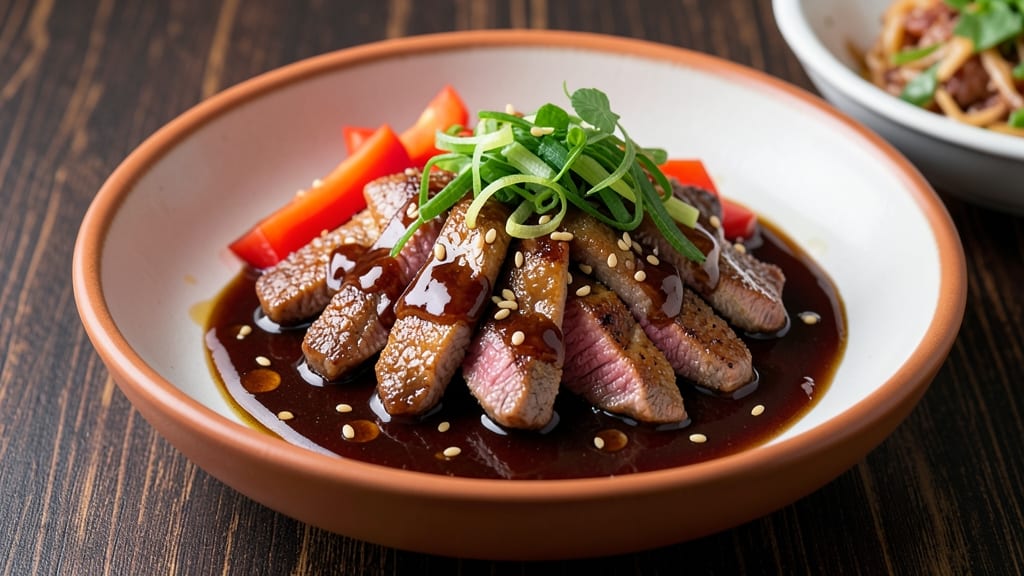
This Asian beef stir fry sauce recipe transforms simple weeknight meals into restaurant-quality dishes with just 15 minutes of active time. The secret lies in balancing umami from soy and oyster sauces with sweet honey, tangy rice vinegar, and aromatic garlic-ginger.
I developed this sauce after years of testing—it’s the one that finally made my homemade stir fries taste as bold as takeout, without the mystery ingredients.
The beauty of this sauce is its versatility—it works as a glaze for beef, chicken, or tofu, or as a marinade for tenderizing proteins. The key technique is simmering until slightly thickened, which intensifies the flavors and creates that signature sticky-sauce texture.
No fancy equipment needed; just a saucepan and patience (the kind that pays off).
What you’ll end up with is a glossy, aromatic sauce that’s sweet, savory, and subtly spicy, with layers of depth from fermented ingredients. The sauce clings perfectly to seared beef strips, creating caramelized edges while keeping the meat juicy.
It also keeps well in the fridge for up to a week, making it ideal for meal prep.
Perfect for quick weeknight dinners, this sauce elevates store-bought beef or budget-friendly cuts into something extraordinary. Pair it with steamed rice, stir-fried vegetables, or fresh noodles for a complete meal. Let’s make it—your taste buds will thank you.
Ingredients for asian beef stir fry sauce
Ten ingredients, fifteen minutes—this sauce turns simple beef into restaurant-worthy magic.
| Ingredient | Amount | Notes |
|---|---|---|
| Low-Sodium Soy Sauce 🍶 | ½ cup | Kikkoman preferred for authentic flavor |
| Oyster Sauce 🦪 | ¼ cup | Lee Kum Kee for rich umami |
| Honey 🍯 | ¼ cup | Wildflower for floral depth |
| Rice Vinegar 🍶 | ¼ cup | Seasoned for tangy balance |
| Sesame Oil 🫒 | 1 tbsp | Toasted for nutty aroma |
| Fresh Ginger 🌿 | 1 tbsp | Finely grated, aromatic |
| Garlic Cloves 🧄 | 4 cloves | Minced for bold flavor |
| Red Chili Flakes 🌶️ | 1 tsp | Adjust for heat preference |
| Cornstarch 🌾 | 1 tbsp | For thickening consistency |
| Water 💧 | ¼ cup | Room temperature for smooth blend |
The sauce’s soul lives in the soy and oyster sauces—Kikkoman and Lee Kum Kee are my go-tos, but any quality brands work. Honey should be wildflower for that floral depth, but clover works in a pinch. Ginger and garlic? Fresh is non-negotiable—dried just won’t cut it here. For the sesame oil, toasted is key—it adds that nutty aroma that makes the sauce sing. I grab mine from the Asian aisle at Trader Joe’s or H Mart, where they keep it fresh. Chili flakes can be swapped for Sichuan peppercorns if you want a numbing kick instead of heat.
No oyster sauce? Mushroom sauce or extra soy sauce works, but you’ll lose some depth. Maple syrup replaces honey if you’re avoiding it (though I won’t judge if you skip it—this sauce is still delicious). For the thickening, cornstarch is foolproof, but arrowroot powder works too. The water should be room temperature—cold water can make the sauce grainy. If you’re making this ahead, simmer it uncovered for the last two minutes to reduce slightly—it’ll thicken more as it cools. And trust me, the extra minute of simmering makes all the difference.
This sauce keeps like a dream—1 week in the fridge sealed in a jar, or 3 months in the freezer if you’re prepping for batch cooking. I like to make a double batch because it’s so versatile—glaze for beef, marinade for tofu, or even a drizzle over ramen. If it thickens too much, just whisk in a splash of water. Pro tip: Add a splash of sesame oil when reheating to revive that nutty aroma. And if you’re feeling fancy, top it with toasted sesame seeds right before serving—game changer.
Why You'll Love This Recipe
- Five-Ingredient Magic: I swear by this combo—just stir those pantry staples (soy, oyster, honey, vinegar, sesame oil) in a bowl while the wok heats. No measuring cups, no stress, no last-minute grocery runs. Honestly, I keep a jar of this in my fridge now.
- Umami Bomb: That oyster sauce? It’s the MVP—deep, salty-sweet richness that turns tough beef into melt-in-your-mouth perfection. The honey cuts the acidity from the vinegar, and a splash of sesame oil at the end? Pure satisfaction in a spoonful.
- Weeknight to Party: Same sauce, endless uses. Toss it with beef for stir-fry, drizzle over rice bowls, or even glaze chicken thighs. I’ve served it at BBQs (yes, really) and lazy Tuesday dinners—no one ever asks for the recipe, but they always request seconds.
- Budget Boost: A single jar of oyster sauce and a bottle of rice vinegar stretch across months of meals. The honey and sesame oil? Tiny splurges that make everything taste like a restaurant. Between us, this is how I feed my family for under $10 a week.
Step-by-step instructions for Asian beef stir fry sauce
Here's how to whip up this bold, balanced sauce in under 15 minutes—perfect for weeknight stir-fries.
Bloom the Aromatics in a Saucepan
Combine the 0.5 cup low-sodium soy sauce, 0.25 cup oyster sauce, and 0.25 cup honey in a medium saucepan over medium heat. Let it simmer gently for 2-3 minutes until the mixture begins to bubble softly—this helps the flavors meld. Meanwhile, finely grate the 1 tablespoon fresh ginger and mince the 4 cloves garlic into a paste using the flat side of your knife. Here's the thing—fresh ginger and garlic release their oils when cooked, so don't skip this step.
Add the ginger and garlic to the pan and stir constantly for 30 seconds until fragrant. You'll know it's ready when the kitchen fills with that warm, pungent aroma. Watch the heat carefully—ginger burns quickly, so keep it at a steady simmer rather than a boil. The sauce should start to thicken slightly as the starches in the soy sauce begin to break down.
Balance with Vinegar and Chili
Pour in the 0.25 cup rice vinegar and 1 teaspoon red chili flakes, stirring vigorously to combine. The vinegar will create a bright tang that cuts through the richness of the oyster sauce and honey. Adjust the chili flakes to taste—this is where you can control the heat level. For a smoother sauce, strain out any chili seeds if you prefer less heat. Let the mixture simmer for another 2 minutes until it reduces slightly and the flavors harmonize.
Here's a pro tip: Taste the sauce now. If it's too acidic, add a pinch more honey. If it lacks depth, a splash of soy sauce helps. The goal is balance—sweet, salty, tangy, and just a hint of heat. This is the moment that matters: the sauce should coat the back of a spoon with a glossy sheen and no graininess.
Thicken with Cornstarch Slurry
In a small bowl, whisk together the 1 tablespoon cornstarch and 0.25 cup water until smooth. This is your thickening agent, and it needs to be fully dissolved to avoid lumps. Pour the slurry into the simmering sauce while stirring constantly. The sauce will thicken immediately—keep stirring for 1-2 minutes until it reaches a glossy, syrupy consistency that coats the back of a spoon.
Remove the pan from heat and stir in the 1 tablespoon sesame oil. This adds a nutty aroma and rich depth to the sauce. The oil should be fully incorporated, giving the sauce a silky texture. If the sauce is too thick, thin it with a splash of water. If it's too thin, simmer it again for 30 seconds to reduce. The perfect consistency should be thick enough to coat proteins but still flow easily over vegetables.
Rest and Adjust for Flavor
Let the sauce rest for 5 minutes off the heat. This allows the flavors to fully meld and the sauce to reach its ideal consistency. Taste again and make any final adjustments—perhaps a touch more honey for sweetness, a splash of rice vinegar for tang, or a pinch of salt to balance the flavors. The sauce should now be vibrant, glossy, and ready to elevate any stir-fry.
This sauce keeps well in the refrigerator for up to 1 week, making it a perfect weeknight staple. Use it on beef, chicken, tofu, or even noodles—just remember, a little goes a long way. For extra authenticity, let the sauce sit at room temperature for 10 minutes before using it, as this enhances its depth of flavor.
Pro Tips For Making Asian Beef Stir Fry Sauce
- Heat the Pan First: Get that wok or skillet screaming hot before adding oil—no, really, wait until you see smoke. Cold oil in a cold pan means your sauce will steam instead of caramelize, and you’ll end up with a watery glaze instead of that glossy, umami-rich finish.
- Whisk the Honey: If your honey’s thicker than syrup, microwave it for 10 seconds first—just enough to loosen it up. Stirring cold honey into the sauce will make it clump, and you’ll end up with grainy pockets of sweetness instead of a smooth, balanced flavor.
- Taste Before Adding Vinegar: Skip the guesswork—taste the sauce after mixing soy, oyster, and honey. The vinegar’s acidity cuts through richness, but too much turns your dish into a mouthful of tang. Start with half the amount and adjust.
- Finish with Cold Oil: Drizzle sesame oil off the heat right before serving—yes, even if it feels anticlimactic. Adding it while cooking burns off its nutty aroma, leaving you with just a flat, oily aftertaste. A few drops at the end make all the difference.
Serving suggestions for asian beef stir fry sauce
Rice Pairings
Steamed jasmine rice is my go-to base for this sauce—its delicate floral notes complement the bold flavors without competing. Cook 1 cup uncooked jasmine rice with 1.25 cups water for perfectly fluffy grains that soak up the sauce beautifully.
For extra texture, try fried rice—toss leftover rice with a bit of oil, scrambled egg, and frozen peas, then drizzle with sauce. 🍚
Vegetable Sides
Crisp, fresh vegetables balance the richness of the beef. I love steamed bok choy with a sprinkle of toasted sesame seeds—its slight bitterness cuts through the sauce’s sweetness. For crunch, add shredded carrots and bell peppers stir-fried in 1 tbsp neutral oil until just tender.
A quick cucumber salad with rice vinegar and chili flakes also works perfectly.
Protein Options
While this sauce excels with beef, it’s incredibly versatile. Try it with thinly sliced flank steak for a quick stir-fry, or chicken breast cut into strips. For vegetarian meals, extra-firm tofu pressed and pan-fried until crispy absorbs the sauce wonderfully.
Even shrimp benefits from this glaze—toss them in sauce for the last 2 minutes of cooking. 🍗
Noodle Pairings
Elevate ramen or udon noodles by tossing them with leftover sauce. Cook noodles according to package, then finish with 1-2 tbsp sauce per serving, a sprinkle of green onions, and a fried egg on top.
For a lighter option, use rice noodles—their chewy texture contrasts perfectly with the glossy sauce. Garnish with crushed peanuts for extra crunch. 🍜
Garnishes That Shine
Fresh green onions add brightness—chop 2 tbsp and sprinkle on top right before serving. Toasted sesame seeds (1 tsp) lend nutty depth, while cilantro brings a bright herbal note.
For heat lovers, add sriracha or chili crisp on the side. A squeeze of lime right before eating brightens the flavors even more. ✨
Meal Prep Tips
Double the sauce and store it in an airtight container for up to 1 week in the fridge. When reheating, add 1 tsp water per ¼ cup sauce to restore its glossy texture.
Prep proteins and veggies ahead—store beef in the fridge for 2 days or freeze for 1 month. Assemble stir-fries fresh to keep everything crisp. 💡
Nutrition facts
Frequently asked questions
Can I make this sauce without oyster sauce?
Replace the 0.25 cup oyster sauce with 0.25 cup mushroom sauce or even an extra 0.25 cup soy sauce for umami depth. The sauce will still taste rich and balanced, though oyster sauce adds that signature savory complexity. For a vegetarian version, use vegetarian oyster sauce or extra soy sauce plus a splash of fish-free Worcestershire.
How do I adjust the sweetness or spice level?
For less sweetness, reduce the honey to 1-2 tablespoons and add a splash more rice vinegar for tang. For extra heat, increase the chili flakes to 1.5 teaspoons or add ½ teaspoon of gochugaru (Korean chili flakes). If you prefer a smoky kick, stir in ½ teaspoon smoked paprika at the end. Always taste as you go!
Can I use this sauce as a marinade?
Yes! Use it as a marinade for beef, chicken, or tofu by combining ½ cup sauce with 1 tablespoon sesame oil and 1 tablespoon honey. Marinate proteins for 30-60 minutes (or up to 4 hours for beef). The sauce will tenderize while infusing flavor. For extra tenderness, add 1 teaspoon baking soda to the marinade for 15 minutes max (rinse before cooking).
Why did my sauce turn grainy?
Graininess usually means the cornstarch didn't dissolve properly or the sauce cooled too quickly. Fix it by whisking in 1 teaspoon warm water and reheating gently. To prevent this, always mix cornstarch with cold water first, then whisk vigorously into the warm sauce. If the sauce is too thick, thin it with 1 teaspoon water at a time until smooth.
How can I make this sauce spicier?
Boost the heat by adding 1 teaspoon of fresh chili paste (like sambal oelek) or ½ teaspoon of ground Sichuan peppercorns for a numbing-spicy kick. For a smoky-spicy version, stir in 1 teaspoon of chili oil at the end. If you prefer whole spices, toast 1 star anise pod with the ginger and garlic, then remove it before adding other ingredients.