
Sauces & Condiments
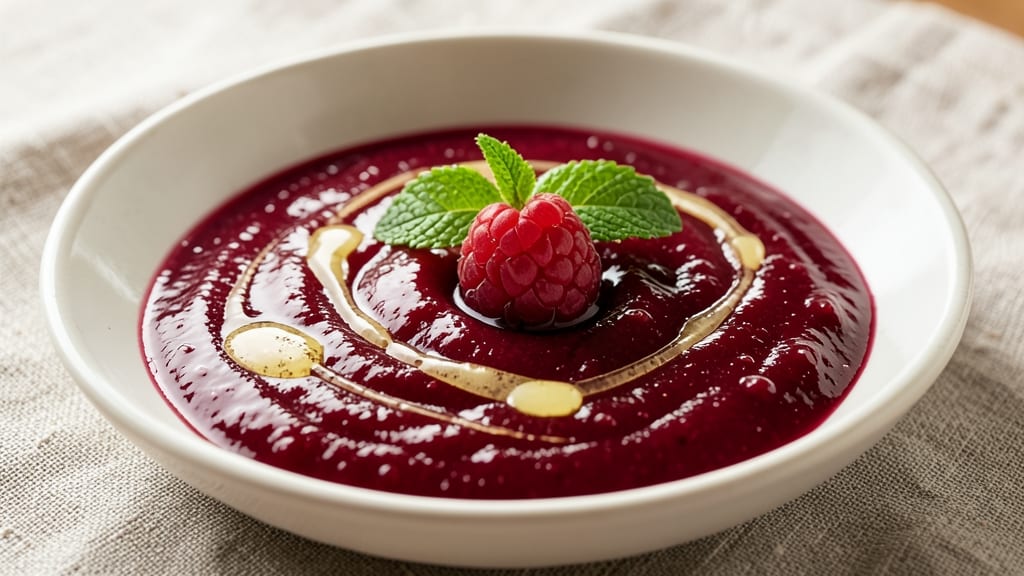
This seedless raspberry sauce recipe transforms tart raspberries into a silky, jammy sauce perfect for desserts, cocktails, or yogurt toppings. The secret lies in straining the fruit through a fine-mesh sieve, removing seeds while preserving vibrant color and bright flavor.
I developed this technique after struggling with seed-filled sauces that ruined presentation—this version delivers professional results every time.
The process is simpler than you'd think: simmer raspberries with sugar and lemon juice until they break down into a thick, glossy sauce, then strain through cheesecloth for an ultra-smooth texture.
The lemon juice balances tartness while helping the sauce set properly, and a final touch of vanilla extract adds depth. What you'll end up with is a versatile sauce that's perfect for drizzling over cheesecake, swirling into cocktails, or spooning over vanilla ice cream.
This sauce keeps beautifully in the refrigerator for up to two weeks, making it ideal for meal prep or gifting. The jammy consistency means it clings perfectly to spoons, cakes, and pastries without being overly thick.
Unlike store-bought versions, this recipe delivers authentic raspberry flavor with no artificial additives. Once you try it, you'll never go back to sauces with seeds.
Pair it with shortbread cookies, grilled chicken, or even savory dishes like pork tenderloin for unexpected flavor combinations. The possibilities are endless—let's get started on creating this restaurant-quality sauce at home.
Ingredients for seedless raspberry sauce
Eight simple ingredients transform raspberries into silky, jammy perfection—no seeds, just vibrant flavor.
| Ingredient | Amount | Notes |
|---|---|---|
| Fresh Raspberries 🍓 | 2 cups | Frozen works, thawed and drained |
| Granulated Sugar 🍚 | 1 ½ cups | Adjust based on raspberry tartness |
| Fresh Lemon Juice 🍋 | 2 tbsp | From 1 small lemon, freshly squeezed |
| Vanilla Extract 🌿 | 1 tsp | Pure vanilla for authentic flavor |
| Cheesecloth or Fine-Mesh Sieve 🧺 | 1 piece | For ultra-smooth texture |
| Unsalted Butter 🧈 | 1 tbsp | Optional, for richness |
| Cornstarch 🌾 | 1 tsp | For thickening consistency |
| Water 💧 | 1 tbsp | For cornstarch slurry |
Raspberries are the star here—fresh is ideal, but frozen works perfectly (just thaw and drain excess liquid). I always grab organic raspberries from Trader Joe's when in season—they're sweeter and more flavorful. If using frozen, don't skip the draining step, or your sauce will be watery. For sugar, Domino brand is my go-to since it dissolves smoothly and doesn't clump. The lemon juice is non-negotiable; it balances tartness and helps the sauce set properly. If you're making this for cocktails, use a bit less sugar—you want the raspberry flavor to shine.
No cheesecloth? A fine-mesh sieve lined with a damp paper towel works just as well for straining seeds. Short on vanilla? Vanilla bean paste adds specks and deeper flavor, but pure extract is fine too. Want to skip the butter? Extra lemon juice or a pinch of salt can enhance brightness without adding richness. For a vegan version, omit the butter entirely—it's purely optional. The cornstarch slurry is your secret weapon for achieving that perfect jammy consistency; don't skip it, even if your raspberries seem perfectly ripe.
This sauce keeps beautifully in a sealed jar in the fridge for up to 2 weeks. For gifting, portion into small jars with a ribbon—it makes an elegant present. The texture thickens as it chills, so don't worry if it seems too loose when first made. To reheat, warm gently in a saucepan over low heat, stirring constantly. If it thickens too much, a splash of water or lemon juice brings it back to perfection. Freezes well for up to 6 months, though the texture may break down slightly after thawing.
Why You'll Love This Recipe
- No Seed Struggle: I’ll be real—raspberries with seeds are a pain. This version? Just mash, strain, and boom—silky smooth sauce every time. The cheesecloth step takes two minutes, but it’s worth it for that restaurant-quality finish.
- Bright & Balanced: That lemon juice isn’t just for acidity—it cuts through the sweetness so the raspberries pop. Add a whisper of vanilla, and suddenly it’s not just dessert topping; it’s the kind of sauce that makes you pause and think, “Wait, why haven’t I done this before?”
- Pantry Stash Ready: Make a double batch, and you’ve got a backup for pancakes, ice cream, or even savory glazes. It keeps for weeks in the fridge, so no more last-minute store runs when you’re craving that jammy raspberry hit.
- Budget-Friendly Luxury: Fresh raspberries feel fancy, but this recipe uses just enough sugar to highlight their flavor—not drown it. Plus, a single lemon and vanilla vial stretch across multiple batches, so you’re getting gourmet results without the grocery bill.
Step-by-step instructions for seedless raspberry sauce
Here's how to create a velvety, jammy raspberry sauce without a single seed in sight.
Simmer Raspberries and Sugar for Flavor Development
Combine the 2 cups fresh raspberries and 1.5 cups granulated sugar in a medium saucepan. I like to use a heavy-bottomed pan to prevent scorching—raspberries can burn easily when heated. Bring the mixture to a gentle boil over medium-high heat, then immediately reduce to medium-low heat. Let it simmer uncovered for 10-12 minutes, stirring occasionally, until the raspberries break down and the mixture thickens slightly.
This simmering step is crucial—it develops the deep raspberry flavor and ensures the seeds separate naturally. You'll know it's ready when the sauce takes on a glossy sheen and the aroma becomes intensely fruity. If using frozen raspberries, make sure they're completely thawed and drained before starting, as excess moisture will dilute your sauce.
Strain for Seedless Perfection
Line a fine-mesh sieve with the cheesecloth or place it directly over a heatproof bowl. Carefully pour the raspberry mixture through the sieve, pressing gently with a wooden spoon to extract every bit of purée. The seeds will collect in the sieve while the smooth sauce passes through. This is where the magic happens—your sauce will transform from a chunky jam to a silky, seedless delight.
Work in batches if needed, but don't rush this step. The more thorough you are, the smoother your final sauce will be. I usually let the mixture sit in the sieve for 1-2 minutes before pressing, which helps maximize the yield. Discard the seeds—they're full of fiber, but we're going for that refined texture here.
Build Brightness with Lemon and Vanilla
Return the strained raspberry purée to the saucepan and stir in the 2 tablespoons fresh lemon juice and 1 teaspoon vanilla extract. Bring the mixture to a gentle simmer again over medium heat, then reduce to low heat and let it cook for another 5-7 minutes. This step brightens the flavor profile and adds complexity—the lemon juice cuts through the sweetness while the vanilla adds warmth.
Taste the sauce as it simmers. If you find it needs more brightness, add a splash more lemon juice. For extra richness, this is when you'd add the 1 tablespoon unsalted butter, swirling it in until fully melted and incorporated. The butter adds a luxurious mouthfeel that pairs beautifully with desserts or meats.
Thicken to Jammy Consistency
In a small bowl, whisk together the 1 teaspoon cornstarch and 1 tablespoon water until smooth. Slowly pour this slurry into the simmering raspberry sauce while stirring constantly with a wooden spoon. The mixture will thicken immediately—keep stirring for 2-3 minutes until it reaches your desired jammy consistency. It should coat the back of a spoon but still be pourable.
If the sauce thickens too quickly, add 1 tablespoon water at a time until you reach the perfect balance. The goal is a sauce that's spreadable but not gluey, with a glossy finish that looks as good as it tastes. For a more intense flavor, you could simmer it uncovered for another 3-5 minutes to reduce slightly, but be careful not to overcook or it may become too thick.
Cool and Adjust for Perfect Texture
Remove the sauce from heat and let it cool to room temperature. As it cools, it will thicken slightly more—this is normal. Give it a taste and adjust the seasoning if needed. If it's too sweet, add a pinch more lemon juice. If it needs more depth, a tiny splash of vanilla or even a pinch of salt can help balance the flavors.
For the smoothest texture, I recommend straining the sauce one final time through the fine-mesh sieve before serving or storing. This catches any remaining skin or seeds that might have slipped through earlier. Transfer to a clean jar and store in the refrigerator for up to 2 weeks, or freeze for up to 3 months. The sauce will keep beautifully and can be used on pancakes, drizzled over cheesecake, or paired with savory dishes like duck or pork.
Pro Tips For Making Seedless Raspberry Sauce
- Mash First, Then Strain: I learned this the hard way—dumping whole berries into the sieve just clogs it up. Give those raspberries a good mash with a fork or potato masher before straining, or you’ll be poking at the sieve like a frustrated archaeologist for 10 minutes.
- Use Cold Berries: Warm raspberries release more juice but also turn your sauce into a watery mess faster. Pop them in the fridge for 30 minutes before cooking—it slows the breakdown and keeps the texture thick and glossy.
- Simmer Low and Slow: Cranking the heat to boil the sauce faster? You’ll end up with a jammy, lumpy disaster. Keep it at a bare simmer (tiny bubbles, occasional swirls) for 15–20 minutes—this breaks down the pectin naturally for that perfect seedless consistency.
- Strain Twice: One pass through cheesecloth won’t catch all the tiny seeds or skin bits. After the first strain, press the pulp with a spoon, then strain again through the sieve—your sauce will look silky, not speckled. (Yes, it’s extra work, but your future pancake guests will notice.)
Regional styles of this seedless raspberry sauce
Pacific Northwest Style
In the Pacific Northwest, raspberry sauce often gets a herbal twist with local ingredients like Thunder Bay blackberries mixed in for depth. I love adding 1 teaspoon of fresh rosemary during the simmering phase—it pairs beautifully with the tartness and adds a piney aroma that feels distinctly regional.
Serve this version with Dungeness crab cakes or drizzle over wild salmon for a coastal-inspired dish. The rain-soaked climate here makes berries extra juicy, so I reduce the sugar slightly to 1.25 cups to balance the natural sweetness. 🌿
Southern U.S. Sweet Heat
Southern cooks often infuse raspberry sauce with smoky heat by adding ½ teaspoon of chipotle powder or 1 tablespoon of hot honey at the end. This variation works wonders with peach cobbler or grilled peaches.
For extra richness, I stir in 1 tablespoon of brown sugar during the simmer to caramelize slightly, giving it that classic Southern sweetness. The key is to balance the heat—start with ½ teaspoon cayenne and adjust to taste. This version is a crowd-pleaser at summer potlucks! 🌶️
French-Inspired Reduction
French chefs often create raspberry sauces as glazes for meats, using a reduced version with less sugar (1 cup) and more acid (3 tablespoons lemon juice).
I simmer this mixture longer (15-20 minutes) to achieve a syrupy consistency perfect for drizzling over duck confit or seared scallops. A splash of dry white wine (like Sancerre) during cooking adds brightness, while a pinch of salted butter at the end ties everything together.
This technique transforms a dessert sauce into a sophisticated sauce for savory dishes. 🍷
British Jammy Twist
The British prefer their raspberry sauce thicker and more jam-like, often using less lemon juice and more cornstarch for stability. I add ½ teaspoon of xanthan gum to the slurry for extra cling, making it ideal for scones or clotted cream.
A classic touch is finishing with 1 teaspoon of Earl Grey tea leaves steeped in the warm sauce—this adds floral notes that complement afternoon tea perfectly. Store this version in small glass jars for gifting, as it’s a staple at British garden parties. 🍵
Scandinavian Forest Berry
In Scandinavia, raspberry sauce often blends with lingonberries or cranberries for a tart, forest-fruit flavor. I combine 1 cup raspberries with ½ cup lingonberries and reduce the sugar to 1 cup to highlight the natural tartness.
A cinnamon stick infused during simmering adds warmth, while a final touch of aquavit (Swedish spirit) brightens the sauce. This version pairs beautifully with open-faced sandwiches or glazed ham, reflecting the Nordic love for bold, simple flavors. ❄️
Nutrition facts
Frequently asked questions about seedless raspberry sauce
Why does my raspberry sauce still have seeds?
This usually happens when you don't strain thoroughly enough. Use a fine-mesh sieve lined with cheesecloth and press gently with a spoon to extract all the purée. For extra smoothness, strain the sauce a second time after cooling. The key is patience—don't rush the pressing step!
Can I use this sauce for savory dishes?
This sauce works beautifully with grilled pork, duck, or even cheese boards. For savory applications, reduce the sugar to 1 cup and add 1 tablespoon balsamic vinegar during cooking. The acidity helps balance the sweetness perfectly for meat pairings.
How do I adjust the sweetness level?
Taste as you go! For tart berries, add up to ½ cup extra sugar during simmering. If it's too sweet, balance with extra lemon juice (up to 1 tablespoon) or a pinch of salt. For cocktails, reduce sugar to 1 cup to let the raspberry flavor shine through.
What's the best way to store leftover sauce?
Transfer to an airtight container and refrigerate for up to 2 weeks. For longer storage, freeze in ice cube trays (perfect for cocktails!) or small jars for up to 6 months. Thaw overnight in the fridge—never microwave directly from frozen.
Can I make this sauce without cornstarch?
Yes! For a naturally thickened version, simmer the raspberries longer (15-20 minutes) until they break down completely. The natural pectin will thicken the sauce as it cools. Just be patient—this method takes more time but yields a more authentic fruit-forward flavor.