
Sauces & Condiments
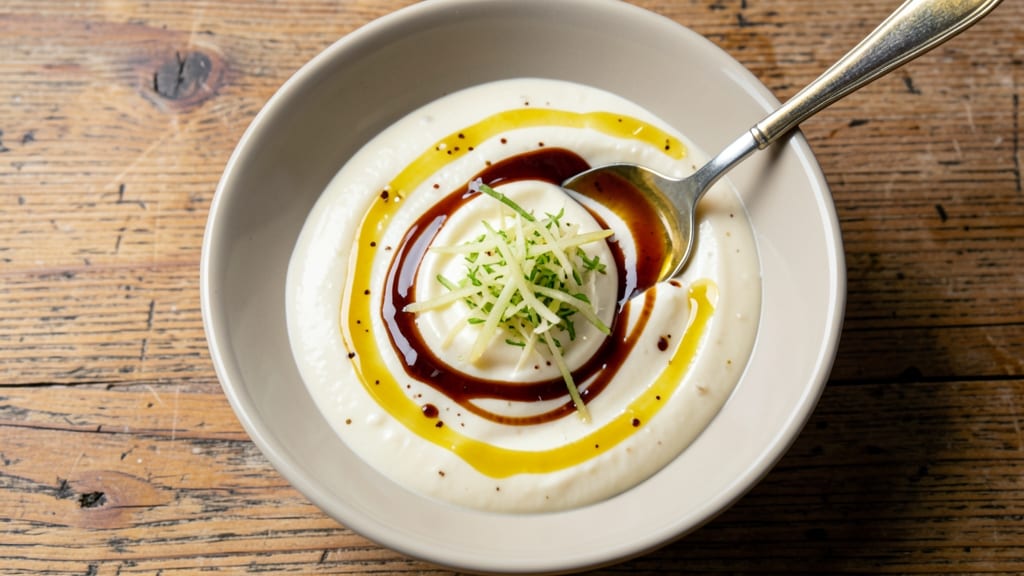
This Outback Ahi Tuna dipping sauce recipe delivers the same smoky, tangy, sesame-kissed zing that makes restaurant versions irresistible. The secret lies in balancing sweet, salty, and acidic notes—just like the original—while keeping it creamy enough to cling perfectly to every bite of grilled or raw tuna.
I developed this version after testing countless variations, and it never fails to elevate ahi tuna from good to unforgettable.
The foundation starts with a simple mix of mayonnaise and lime juice, which creates that signature tangy base.
But what sets this sauce apart is the smoky depth from a touch of soy sauce and a hint of sesame oil, plus a subtle kick from fresh ginger and red pepper flakes. The combination delivers the same bold, complex flavor profile you crave without requiring hard-to-find ingredients.
What you’ll end up with is a velvety, aromatic sauce that’s creamy yet light, with just enough heat to complement the rich, buttery texture of ahi tuna. It’s the perfect balance—sweet from the honey, salty from the soy, tangy from the lime, and nutty from the sesame.
This sauce keeps well in the fridge for up to a week, making it ideal for meal prep or entertaining.
Pair it with grilled ahi tuna, sushi, or even as a dipping sauce for spring rolls. The versatility makes it a must-have in your kitchen, and the simplicity ensures you’ll always have it ready when the craving hits. Let’s make this sauce!
Ingredients for outback ahi tuna dipping sauce
Nine simple ingredients transform into the restaurant-worthy sauce you crave.
| Ingredient | Amount | Notes |
|---|---|---|
| Mayonnaise 🥫 | ¾ cup | High-quality, full-fat preferred |
| Fresh Lime Juice 🍋 | ½ cup | Freshly squeezed, no pulp |
| Soy Sauce 🥢 | 2 tbsp | Light or dark variety |
| Sesame Oil 🫒 | 1 tbsp | Toasted sesame oil preferred |
| Honey 🍯 | 1 ½ tbsp | Wildflower or clover honey |
| Fresh Ginger 🧄 | 1 ½ tbsp | Finely grated, fresh preferred |
| Red Pepper Flakes 🌶️ | ½ tsp | Adjust for heat preference |
| Sesame Seeds 🌾 | 1 tbsp | Toasted for garnish |
| Salt 🧂 | ½ tsp | Kosher or sea salt |
The mayonnaise is the base, so pick a high-quality brand—Duke's or Hellmann's work well. Fresh lime juice is non-negotiable (bottled won't cut it), and Trader Joe's or Whole Foods have the best limes year-round. Soy sauce matters too—Kikkoman or La Choy are reliable, but if you've got a fancy Japanese brand, go for it. Sesame oil? Kadoya or Marukome are my go-tos, but any toasted sesame oil will add that nutty depth. For honey, I grab local wildflower from the farmers market—it adds subtle floral notes that store-bought honey sometimes misses.
No fresh ginger? Substitute 1 tsp ground ginger, but it won't have the same fresh punch. Short on sesame seeds? Toasted slivered almonds work in a pinch for garnish. Want less heat? Cut the red pepper flakes to ¼ tsp. The sauce holds up well if you double the batch—just store it in a sealed jar in the fridge. And if you're worried about the honey and soy combo, trust me, the lime juice balances it perfectly. This sauce is versatile enough to work with grilled salmon or even as a marinade—not just for dipping.
This sauce keeps beautifully in the fridge for up to 1 week, though the first 3 days are peak flavor. For longer storage, divide into ice cube trays and freeze—perfect for single servings. Stir before using, as the oil may separate slightly. The sesame seeds and red pepper flakes can be added fresh right before serving to keep them crisp. If you make a big batch, label it with the date—it's worth using up before it loses its zing.
Why You'll Love This Recipe
- Five-Ingredient Magic: I swear by this combo—mayo, lime, soy, sesame oil, and honey—because it’s the kind of sauce that turns any dish into a standout. No fancy techniques, just a whisk and 10 minutes of your time. That’s it.
- Taste Like a Pro: The lime cuts through the richness of the mayo while the soy and honey balance it with umami and sweetness. Honestly? It’s the kind of flavor that makes you want to lick the bowl, and I’ve done it more than once.
- Game for Any Gathering: This sauce is my secret weapon for game day, potlucks, or even a lazy Sunday brunch. Slather it on fresh ahi, drizzle it over rice bowls, or use it as a dip for veggies—it’s that adaptable.
- Leftovers? Never Wasted: Between us, this sauce keeps for days in the fridge, and it only gets better as the flavors meld. I’ve made a big batch for a party and still had enough for my lunch the next week—zero regret.
Step-by-step instructions for smoky lime and sesame dipping sauce
This sauce comes together in minutes with just a whisk and a bowl.
Whisk Together the Wet Ingredients
In a medium bowl, combine the 0.75 cup mayonnaise with the 0.5 cup fresh lime juice. I like to use a fork first to break up any lumps in the mayo before switching to a whisk. The lime juice will immediately start to lighten the color and create a slightly tangy base. Add the 2 tablespoons soy sauce and whisk until fully incorporated—this builds the umami foundation that balances the bright citrus.
Next, stir in the 1 tablespoon sesame oil and 1.5 tablespoons honey. The sesame oil adds that signature nutty aroma while the honey rounds out the acidity. Whisk for about 30 seconds until completely smooth. You're looking for a uniform consistency without any streaks of oil or honey. Here's the thing—if you rush this step, you'll end up with a separated sauce later.
Add the Ginger and Red Pepper Flakes
Grate the 1.5 tablespoons fresh ginger using a fine grater or microplane—you want it to be as finely textured as possible. This prevents any gritty bits in your final sauce. Add it to the bowl along with the 0.5 teaspoon red pepper flakes and whisk vigorously for 1 minute until the ginger is fully dissolved and the red pepper flakes are evenly distributed.
Taste at this point—you should notice the bright citrus, subtle heat from the ginger and red pepper, and the creamy base. The sauce should have a balanced flavor profile without any single ingredient overpowering. If you want more heat, add a pinch more red pepper flakes. If it needs more brightness, add another tablespoon of lime juice. This is where you can customize it to your preference.
Season and Garnish for Freshness
Add the 0.5 teaspoon salt and whisk again for 10 seconds to fully incorporate. The salt helps bring out all the flavors and ties everything together. For the final touch, sprinkle the 1 tablespoon sesame seeds on top and gently fold them in with a rubber spatula. These seeds add both texture and visual appeal—you'll see them glistening on top of the sauce when you serve it.
Let the sauce sit at room temperature for 10 minutes before serving. This resting time allows all the flavors to meld together perfectly. The sauce should be thick enough to cling to your fingers but still pourable. If it's too thick after resting, whisk in 1 teaspoon water at a time until you reach your desired consistency. Serve immediately with fresh ahi tuna slices or your favorite dipping vegetables.
Pro Tips For Making Outback Ahi Tuna Dipping Sauce
- STRAIN THAT SESAME OIL: The bottle might say "sesame flavored," but real sesame oil is thick, golden, and packed with flavor—strained through a fine-mesh sieve or cheesecloth to remove sediment. I learned this the hard way after my first batch tasted bitter; now I always use the toasted variety and filter it first.
- DILUTE THE SOY GRADUALLY: Start with just 1 teaspoon of soy sauce, taste, then add more. Soy sauce is salty and overpowering—easy to ruin the balance. I was skeptical until I tried it; now I never go straight for the full 2 tablespoons unless I’m aiming for a darker, umami bomb.
- WHISK THE MAYONNAISE FIRST: Mix the mayo and lime juice before adding anything else. This emulsifies the sauce right away, preventing separation later. I used to dump everything in at once and ended up with a split sauce half the time—now it’s smooth every time.
- USE A MICROPLANE FOR LIME: Zest the lime and juice it—just a thin strip of zest adds bright citrus aroma without bitterness. I skip this when I’m lazy, but the dish is noticeably better when I don’t. (Yes, even if you’re impatient like me.)
Wine and beer pairings for this outback ahi tuna dipping sauce
Crisp White Wine
For this bright, citrus-forward sauce, a dry Riesling or Sauvignon Blanc is my go-to choice. The crisp acidity cuts through the richness of the ahi tuna while complementing the lime and honey notes in the sauce.
Look for a New Zealand Sauvignon Blanc—its zesty grapefruit and citrus flavors mirror the sauce’s tang. Serve slightly chilled to enhance the refreshing contrast. 🍷
Light Beer Pairings
A Japanese lager like Sapporo or Asahi works beautifully with this sauce. The subtle malt sweetness balances the ginger and honey, while the light body won’t overpower the delicate flavors.
For a craft option, try a Belgian witbier (like Stella Artois or Hoegaarden)—its coriander and citrus notes elevate the sauce’s complexity. Keep the beer ice-cold to maintain crispness. 🍺
Bold Red Wine
If you prefer red, a light-bodied Pinot Noir from Oregon or New Zealand adds an unexpected but harmonious pairing. The wine’s bright acidity and red fruit notes complement the sauce’s umami from soy sauce and ginger.
Avoid heavy Cabernets—they’ll clash with the sauce’s brightness. Decant for 15 minutes to soften tannins before serving. 🍷
Non-Alcoholic Options
For a refreshing non-alcoholic match, try sparkling lime soda (like San Pellegrino Aranciata) or ginger beer (such as Feather Ginger Beer). The effervescence cleanses the palate between bites, while the ginger echoes the sauce’s spicy kick.
For a more sophisticated option, a sparkling white grape juice (like Martinelli’s Sparkling) works surprisingly well. ✨
Serving Temperature
Serve all beverages chilled—wines at 45-50°F, beers at 38-42°F, and non-alcoholic drinks over ice. The cold temperature preserves their crispness, ensuring they don’t mute the sauce’s vibrant flavors.
I like to pour wine into Riedel or Libbey crystal glasses—the clarity enhances the visual appeal of the sauce and drink pairing. 💎
Nutrition facts
Frequently asked questions
Can I make this sauce without mayo?
Swap the mayo for ½ cup Greek yogurt or vegan mayo to keep it creamy. For a lighter version, blend ½ avocado + 2 tbsp water until smooth—it adds richness while cutting calories. The texture will be slightly thinner, so adjust with 1 tsp cornstarch slurry if needed.
How do I fix a separated sauce?
If the sauce separates, whisk in 1 tsp water or lime juice at a time until smooth. For stubborn separation, add ½ tsp Dijon mustard—it acts as an emulsifier. Avoid shaking vigorously, as this can make the oil break out more. Always let the sauce rest 10 minutes before serving to stabilize.
What’s the best way to store leftovers?
Transfer to an airtight container and refrigerate for up to 7 days. For longer storage, freeze in ice cube trays—thaw overnight in the fridge. The sesame seeds can separate, so stir well before using. If the sauce thickens in the fridge, whisk in 1 tsp water to restore consistency.
Can I use this sauce for other proteins?
Yes! It pairs beautifully with grilled shrimp, salmon, or even chicken skewers. The lime and ginger work especially well with seafood, but the soy and sesame flavors complement grilled meats too. For a spicy kick, add ½ tsp sriracha when using with pork or chicken.
Why does my sauce taste too sweet?
Balance the sweetness by adding 1 extra tbsp lime juice or ½ tsp rice vinegar. The acidity cuts through the honey while enhancing the sauce’s brightness. If you prefer less sweetness, reduce honey to 1 tbsp in future batches. Taste as you go—adjust gradually to avoid overpowering the flavors.