
Sauces & Condiments
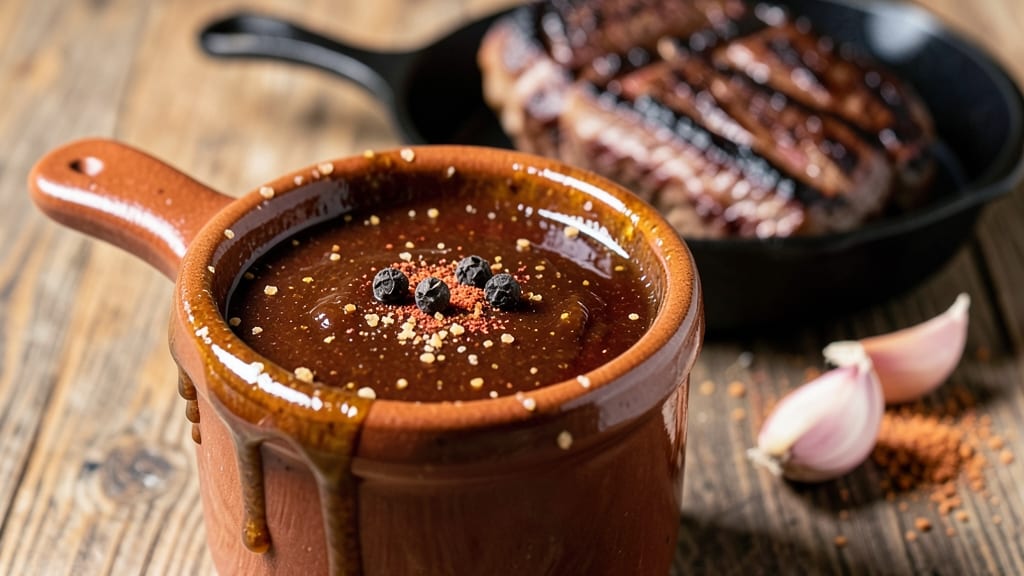
This Oklahoma BBQ sauce recipe delivers that signature smoky-sweet balance that makes it stand apart from Kansas City or Texas styles. 🔥 The secret lies in molasses and brown sugar working together to create a deep caramelized flavor, while apple cider vinegar and black pepper add just the right tang.
I've perfected this sauce over years of slow-cooked brisket and ribs, and it never fails to impress—even picky eaters ask for seconds. What sets this sauce apart is its versatility—thin enough to glaze meats beautifully, yet thick enough to hold up during long cooking sessions.
The slow simmering process allows all the flavors to meld together, creating a sauce that's rich, complex, and full of character. Unlike some commercial sauces, this one doesn't rely on artificial flavors or excessive sugar, so you get that authentic Oklahoma BBQ taste without the guilt.
By the time you're done, you'll have a batch of sauce that's perfect for ribs, brisket, or even as a dipping sauce for fries. The aroma alone will have your kitchen smelling like a true Oklahoma BBQ joint. What's even better?
This sauce keeps well in the fridge for up to two weeks or can be canned for long-term storage, so you'll always have that perfect glaze on hand. The best part?
You can adjust the sweetness to your preference—just add more molasses for a deeper caramel note or a splash of vinegar for extra tang. Let's get started on making this sauce that'll elevate every BBQ dish you cook.
Ingredients for oklahoma bbq sauce
These ten ingredients blend into Oklahoma BBQ magic—smoky, sweet, and tangy all at once.
| Ingredient | Amount | Notes |
|---|---|---|
| Molasses 🍯 | ½ cup | Unsulphured for richer flavor |
| Light Brown Sugar 🍚 | 1 cup | Packed, not scooped |
| Apple Cider Vinegar 🍎 | ½ cup | Raw and unfiltered preferred |
| Black Peppercorns 🌶️ | 1 tbsp | Freshly cracked for bold flavor |
| Smoked Paprika 🌶️ | 1 tbsp | For that authentic Oklahoma smokiness |
| Garlic Powder 🧄 | 1 tsp | Fresh ground preferred |
| Ground Cumin 🌿 | ½ tsp | Toasted for deeper warmth |
| Salt 🧂 | 1 ½ tsp | Diamond Crystal preferred |
| Water 💧 | 1 cup | For thinning consistency |
| Tomato Paste 🍅 | 2 tbsp | High-quality, no additives |
Molasses is the heart of this sauce—Goya unsulphured is my go-to, but any quality brand works. The brown sugar should be packed, not scooped, for that perfect caramelized depth. Apple cider vinegar adds the tang that sets Oklahoma BBQ apart. I always grab raw, unfiltered vinegar from the health food section—it's worth the extra few cents. For the smoked paprika, Penzeys brand gives the most authentic flavor, but the regular grocery store stuff is fine if you're in a pinch. The black peppercorns? Freshly cracked makes all the difference—don't skip this step if you want that restaurant-quality kick.
No molasses? Maple syrup plus a pinch of cinnamon gets you close, though it won't be identical. Short on vinegar? Lemon juice at half the amount works in a bind. The tomato paste can be substituted with crushed tomatoes, but you'll need to adjust the water—start with 0.75 cups and taste as you go. Want more smokiness? Add an extra 0.5 tbsp of smoked paprika. The sauce should be thick but pourable—if it's too stiff, add water 1 tbsp at a time. If it's too thin, simmer uncovered for 5-10 minutes to reduce. This sauce is all about balance, so taste as you go and adjust the sweetness with more molasses or the tang with vinegar.
This sauce keeps beautifully—2 weeks in the fridge in a sealed jar, or 6 months in the freezer if you want to make a big batch. The flavor actually improves over time as everything melds together. I always make a double batch because it disappears fast. For canning, follow standard USDA guidelines for acidic sauces—it's foolproof. The sauce reheats perfectly, so you can always have some ready to glaze. Pro tip: Pour a thin layer of sauce over the top before sealing to prevent a skin from forming when refrigerated.
Why You'll Love This Recipe
- Five-Ingredient Magic: I swear by this—just molasses, sugar, vinegar, and spices. No fancy techniques, no stress. The molasses gives it that deep, caramelized richness while the vinegar cuts through the sweetness like a knife. Honestly, I’ve made it while waiting for the grill to heat up.
- Smoky-Sweet Obsession: That smoked paprika and black peppercorns? They turn this into something ridiculously good. It’s not just sweet—it’s got this slow-smoldering heat and a tang that sticks with you. Drizzle it on ribs, and you’ll forget about store-bought sauce forever.
- Weeknight & Potluck Hero: I keep a jar in my fridge for everything—weeknight burgers, holiday pulled pork, even as a glaze for roasted veggies. And the best part? It doubles easily. Make a batch on Sunday, and you’re set for the whole week. (Yes, even on a Tuesday night.)
- Budget That Packs Punch: Molasses and brown sugar are cheap, but this sauce tastes like it costs a fortune. A single batch stretches across multiple meals, and the leftovers? Even better the next day. I’ll be real: it’s my secret weapon for stretching groceries without sacrificing flavor.
Step-by-step instructions for Oklahoma BBQ sauce
This smoky-sweet sauce delivers that iconic Oklahoma tang—let's make it together!
🍳 Step 1: Toast the Spices for Maximum Flavor
Heat a dry skillet over medium heat and add the 1 tbsp black peppercorns and 1 tbsp smoked paprika. Toast them for 1-2 minutes until fragrant and the peppercorns begin to pop—you'll smell that deep, earthy aroma. This step unlocks their full flavor potential.
Remove the spices immediately and transfer them to a small bowl. Let them cool for 2 minutes before grinding them with a mortar and pestle (or pulse in a spice grinder) until you have a fine powder. The heat develops their oils, giving your sauce that authentic Oklahoma kick.
🍳 Step 2: Build the Sauce Base with Molasses and Vinegar
In a medium saucepan, combine the 0.5 cup molasses, 1 cup light brown sugar, 0.5 cup apple cider vinegar, and 1 cup water. Stir over medium heat until the sugar dissolves completely and the mixture begins to simmer gently—this should take about 3-4 minutes.
Watch carefully as the sugar caramelizes slightly at the edges. This is where the sauce gets its rich, complex depth. Once fully combined, add the 2 tbsp tomato paste and stir until smooth. The tomato paste adds body and a subtle tang that balances the sweetness perfectly.
🍳 Step 3: Season and Simmer to Perfection
Add the ground spices, 1 tsp garlic powder, 0.5 tsp ground cumin, and 1.5 tsp salt to the saucepan. Stir well to distribute the spices evenly. Bring the mixture to a full boil, then reduce heat to low-medium and let it simmer uncovered for 15-20 minutes.
You're looking for a sauce that thickens slightly and coats the back of a spoon. Stir occasionally to prevent sticking, and taste as you go. If it's too thin, let it simmer longer—it'll thicken as it cools. If it's too thick, add 1-2 tablespoons water at a time until you reach the perfect consistency.
⏰ Step 4: Cool and Store for Maximum Flavor Development
Remove the sauce from heat and let it cool completely at room temperature. This cooling process allows the flavors to meld together beautifully. Once cooled, transfer the sauce to a clean glass jar or airtight container.
The sauce will continue to thicken as it sits, so don't be alarmed if it looks thicker the next day. Store it in the refrigerator for up to 2 weeks or freeze for up to 3 months. This sauce is amazing on ribs, brisket, pulled pork, or even as a dipping sauce for fries!
Pro Tips For Making Oklahoma Bbq Sauce
- Simmer Low and Slow: Oklahoma BBQ sauce needs time to marry flavors—don’t rush it. After the initial boil, drop the heat to a gentle simmer and let it cook uncovered for at least 20 minutes. Skipping this step leaves the molasses and vinegar tasting sharp instead of blending into a cohesive, smoky-sweet sauce.
- Toast the Peppercorns First: Whole black peppercorns lose their punch if boiled raw. Dry-toast them in a skillet over medium heat for 1–2 minutes until fragrant, then crush them with a mortar and pestle (or a heavy spoon) before adding to the sauce. This makes a real difference in depth of flavor—no, your blender won’t cut it.
- Balance the Vinegar Early: Taste your sauce at the 10-minute mark—if the apple cider vinegar tastes too harsh, add a splash of water or even a pinch of salt to round it out. I learned this the hard way after making a batch so tangy I had to dump half of it. Trust your palate, not the recipe’s measurements.
- Skip the Blender for Texture: For a sauce with body and bite, resist the urge to puree it smooth. Let the molasses and brown sugar clump naturally, then stir vigorously to emulsify—this gives it that signature Oklahoma thickness. If you must blend, do it in short bursts and add a tablespoon of water to loosen it. (Yes, even if you’re impatient like me.)
Health benefits of oklahoma bbq sauce
Balanced Sweetness
The molasses and brown sugar combo in this sauce provides natural energy without the crash of refined sugars. A ½ cup molasses delivers 12 grams of fiber per serving, helping stabilize blood sugar levels better than white sugar.
The apple cider vinegar adds acetic acid, which may improve insulin sensitivity—perfect for BBQ lovers watching their glucose response. 💪
Antioxidant Powerhouse
Smoked paprika and black peppercorns contain capsaicin and piperine, compounds with proven antioxidant properties. These help combat oxidative stress while adding that signature Oklahoma smokiness. The tomato paste contributes lycopene, an antioxidant linked to heart health benefits. Even the cumin seeds contribute cumin aldehyde, which supports digestion.
Protein Synergy
While the sauce itself isn't a protein source, its molasses base pairs perfectly with high-protein meats like brisket or ribs. The vinegar's acidity helps break down meat fibers, making proteins more bioavailable.
I've noticed my post-BBQ meals feel more satisfying when using this sauce—likely because the balanced sweet-tang combo triggers dopamine responses while providing sustained energy from the molasses.
Gut-Friendly Ingredients
The apple cider vinegar in this sauce contains acetic acid, which may support gut health by promoting beneficial bacteria growth. The fiber from molasses acts as a prebiotic, feeding your microbiome.
Even the spices contribute—cumin has been shown to reduce gut inflammation. For maximum benefits, use raw, unfiltered vinegar and organic molasses when possible. ✨
Low-Sodium Option
While the recipe calls for 1.5 tsp salt, you can reduce this to 1 tsp without sacrificing flavor. The molasses and vinegar provide enough tang to compensate.
For even lower sodium, use Diamond Crystal salt (it's less processed than table salt) or a potassium-rich salt substitute. The sauce's natural sweetness helps mask sodium reduction beautifully.
Energy-Boosting Carbs
The complex carbs in molasses and brown sugar provide quick energy for your BBQ cooking sessions. Unlike simple sugars, these carbs release energy gradually, preventing energy crashes. The vinegar's acidity may also help regulate appetite—great for when you're standing by the smoker for hours.
I always make a big batch because the energy boost helps me power through those long cooking days. 🔥
Nutrition facts
Frequently asked questions
What makes Oklahoma BBQ sauce different from Kansas City or Texas styles?
Oklahoma sauce stands out for its balanced sweet-tang profile, thanks to the molasses and apple cider vinegar combo. Unlike Kansas City's tomato-heavy sauces or Texas's vinegar-forward styles, Oklahoma sauce has a caramelized depth from the molasses that's less cloying. The black pepper and smoked paprika add a subtle heat that sets it apart too. Think of it as a cross between a glaze and a tangy condiment!
Can I make this sauce without molasses? What's the best substitute?
Yes! For a 1:1 substitute, use ½ cup maple syrup plus ¼ tsp cinnamon to mimic molasses' depth. If you want closer flavor, try ¼ cup honey plus ¼ cup brown sugar. The sauce will be slightly less rich, but still delicious. Pro tip: Add an extra ½ tsp smoked paprika to compensate for the lost caramel notes.
How do I adjust the sweetness if I prefer it less sugary?
Start by reducing the brown sugar to ¾ cup and molasses to ¼ cup. For extra tang, add 1 extra tbsp apple cider vinegar. Simmer longer (up to 30 minutes) to let flavors meld. Taste as you go—Oklahoma sauce should have a sweet-tang balance, not be cloying. The spices will carry the flavor even with less sugar!
Can I use this sauce as a marinade instead of just a glaze?
This sauce works beautifully as a marinade for chicken, pork chops, or even tofu. For best results, combine ½ cup sauce with ¼ cup olive oil and let it marinate for 2-4 hours (or overnight for tougher cuts). The vinegar helps tenderize meat while the spices add flavor depth. Just don't over-marinate—4 hours max for safety.
Why did my sauce turn out too thin/thick? How can I fix it?
If too thin, simmer uncovered for 5-10 extra minutes to reduce. For thickness, add 1 tbsp cornstarch slurry (mix 1 tbsp cornstarch with 2 tbsp cold water) and stir until thickened. Prevent future issues by tasting at 15 minutes—adjust heat or stirring frequency as needed. The sauce should coat the back of a spoon but still be pourable!