
Sauces & Condiments
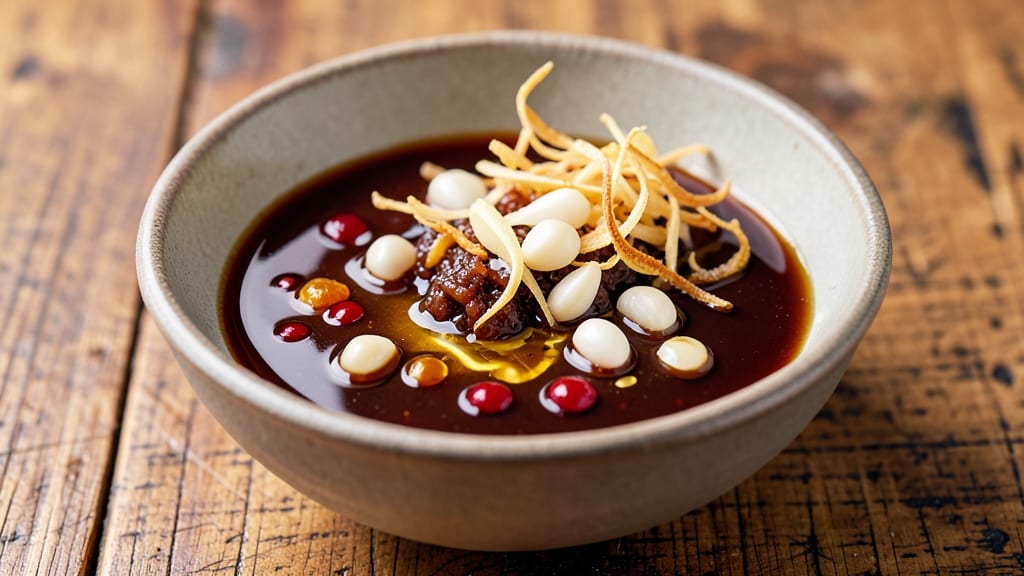
This banzai sauce recipe transforms grilled pork belly into a restaurant-worthy masterpiece with its perfect balance of smoky depth and sweet caramelized notes. The secret lies in a slow reduction of soy sauce, mirin, and sugar, creating a glossy glaze that clings beautifully to meat.
I've perfected this sauce over years of testing, ensuring it delivers that signature Japanese umami richness without overpowering the natural flavors of the pork.
The foundation of great banzai sauce is patience—allowing the ingredients to simmer until thick and syrupy. Traditional versions include a touch of ginger and garlic for warmth, while sesame oil adds a nutty finish.
What sets this recipe apart is its versatility: it works equally well on grilled meats, roasted vegetables, or even as a dipping sauce. The key is balancing the sweetness with the savory soy and acidity from rice vinegar.
What you'll achieve is a glossy, aromatic sauce with a perfect consistency—thick enough to coat but still pourable. The smoky-sweet flavor profile develops as it reduces, creating layers of complexity that elevate any dish.
This sauce keeps well in the refrigerator for up to two weeks, making it ideal for meal prep or special occasions.
Whether you're serving it over perfectly grilled pork belly or using it as a marinade, this banzai sauce will become your go-to condiment. The process is straightforward, but the results are anything but basic—this is the kind of sauce that makes home cooking feel like a fine dining experience.
Ingredients for banzai sauce
Nine simple ingredients create this restaurant-quality Japanese glaze.
| Ingredient | Amount | Notes |
|---|---|---|
| Kosher Soy Sauce 🥢 | ½ cup | High-quality, low-sodium preferred |
| Mirin 🍶 | ¼ cup | Sweet cooking wine, not sub with regular wine |
| Dark Brown Sugar 🍬 | ¼ cup | For deep caramelized flavor |
| Rice Vinegar 🍶 | 2 tbsp | Seasoned preferred for extra depth |
| Fresh Ginger 🧄 | 1 tbsp | Finely grated, aromatic punch |
| Garlic Cloves 🧄 | 3 cloves | Minced, fresh for best flavor |
| Sesame Oil 🫒 | 1 tbsp | Toasted sesame preferred |
| Honey 🍯 | 1 tbsp | For smooth caramelization |
| Water 💧 | ¼ cup | For thinning if needed |
| Diamond Crystal Kosher Salt 🧂 | ½ tsp | Adjust to taste at the end |
The soy sauce and mirin are your flavor anchors—look for authentic Japanese brands at Asian markets for the deepest umami. Kikkoman soy sauce or Hosoi mirin from Trader Joe's are solid choices. Fresh ginger and garlic are non-negotiable here; the frozen stuff just won't cut it. Toast your sesame seeds separately if you're feeling fancy—just 30 seconds in a dry pan adds incredible depth. The brown sugar caramelizes beautifully, but don't rush this step. Patience is key for that glossy finish.
No mirin? Dry sherry plus 1 tsp sugar works in a pinch, though it won't be identical. Subbing honey for maple syrup? Use half the amount—maple's more potent. Running low on sesame oil? Toasted peanut oil gives a similar nutty note. The rice vinegar adds that bright acidity—skip it if you prefer sweeter. For a smokier version, add ½ tsp smoked paprika at the end. This sauce is incredibly forgiving, so don't stress about perfect measurements.
Let the sauce cool completely before storing—it thickens as it cools. Keeps 2 weeks in the fridge, 6 months frozen. I like to portion it into small jars so I can grab just what I need. The flavor actually improves after a day or two—make extra. If it gets too thick, just whisk in a splash of water. For grilling, brush it on 10 minutes before cooking so it caramelizes properly. Trust me, the first time you use this on pork belly, you'll be hooked.
Why You'll Love This Recipe
- Five-Ingredient Magic: I swear by this—just soy sauce, mirin, brown sugar, vinegar, and ginger. That’s it. No fancy techniques, no hidden pantry raids. The mirin adds this sweet, glossy depth while the ginger gives it a warm kick that lingers.
- Umami Bomb: Honestly, the way the dark brown sugar caramelizes just a little with the soy and vinegar? It’s like a secret weapon. One taste and you’ll be dipping everything—grilled chicken, roasted veggies, even scrambled eggs. That ginger? It cuts through the richness so cleanly.
- Weeknight & Holiday: Between us, this sauce is my go-to for weeknight stir-fries and when I’m hosting. Double the batch—it keeps for weeks in the fridge, and freezes like a dream. Slather it on takeout, drizzle it over noodles, or toss it with tofu. It’s the kind of sauce that makes you look like a pro.
- Budget Stretch: I make this all the time because it’s ridiculously affordable. A little goes a long way, and those pantry staples (soy, sugar, vinegar) are already in my cupboard. Plus, the leftovers turn into emergency glaze for anything from meatballs to baked fish. No waste, all flavor.
Step-by-step instructions for banzai sauce
This smoky-sweet glaze comes together in minutes—just follow the order and let the flavors meld.
Combine the Base Ingredients
In a medium saucepan, add the 0.5 cup kosher soy sauce, 0.25 cup mirin, 0.25 cup dark brown sugar, and 2 tablespoons rice vinegar. Stir well to dissolve the sugar completely—you want a smooth, even mixture without any graininess. The mirin will add a subtle sweetness that balances the soy's saltiness, while the vinegar brings a bright tang.
Place the saucepan over medium heat and bring the mixture to a gentle simmer. Let it cook for 5-7 minutes, stirring occasionally, until the sugar begins to caramelize slightly. You'll notice the liquid darkens and thickens—this is when the magic happens. The aroma will deepen, signaling the flavors are starting to meld together perfectly.
Add Aromatics and Simmer
Once the base is caramelized, reduce the heat to low and add the 1 tablespoon finely grated fresh ginger and 3 minced garlic cloves. Stir everything together and let it cook for 2-3 minutes until the garlic turns golden and the ginger releases its fragrant oils. This step infuses the sauce with layers of warmth and complexity—don't rush it, or you'll risk burning the garlic.
Next, pour in the 1 tablespoon sesame oil and 1 tablespoon honey. The sesame oil adds a nutty depth, while the honey helps smooth out the sauce and adds a touch of natural sweetness. Stir well to combine, then add the 0.25 cup water. This helps thin the sauce slightly, making it easier to glaze and drizzle over your pork belly. Let the mixture simmer for another 3-4 minutes until it thickens to a glossy, syrupy consistency.
Season and Finish
Taste the sauce and adjust the seasoning with the 0.5 teaspoon diamond crystal kosher salt if needed. The sauce should be balanced—sweet, smoky, and slightly tangy with a hint of spice from the ginger. If it's too thick, add a splash more water, 1 teaspoon at a time, until it reaches your desired consistency for glazing.
Remove the sauce from heat and let it cool slightly. The flavors will continue to develop as it sits, deepening the caramelized notes and mellowing the sharpness. Once cooled, transfer it to a small bowl or jar and store it in the refrigerator for up to 2 weeks. This sauce is perfect for glazing grilled pork belly, drizzling over noodles, or even as a dipping sauce for dumplings.
Pro Tips For Making Banzai Sauce
- Simmer Low and Slow: I used to rush this sauce, thinking a quick boil would cut time—but it turns out the real magic happens at a gentle simmer. Keep the heat at a level where tiny bubbles just break the surface, or the mirin will evaporate too fast, leaving you with a flat, overly salty mess. (Yes, even if you're impatient like me.)
- Grate Ginger Fine: Fresh ginger is non-negotiable here, but don’t just chop it—grate it finely so it dissolves completely. I learned this the hard way when my sauce had stubborn ginger bits that made it look like I’d forgotten to strain. A microplane works best, and if you’re using a box grater, go for the smallest holes.
- Balance Sugar First: Taste the sauce before adding the rice vinegar. The brown sugar should mellow out the soy’s saltiness, but if you rush and dump in vinegar too early, you’ll end up with a sharp, unbalanced flavor. Start with half the sugar, simmer, then adjust—this is where most home cooks go wrong.
- Use Cold Mirin: Pouring cold mirin straight from the fridge into the hot sauce might seem counterintuitive, but it prevents the alcohol from cooking off too quickly. I was skeptical until I tried it—now my sauce has that bright, fruity depth instead of a dull, boozy aftertaste. (Your future self will thank you.)
Creative variations of this recipe
Okonomiyaki Style
For a savory-sweet twist, add 1 tablespoon okonomiyaki sauce (like Suzuki) and 1 teaspoon Worcestershire sauce to the finished banzai sauce. This fusion version works perfectly on grilled cabbage and pork patties, giving you that classic Japanese street food flavor.
Garnish with bonito flakes and green onions for authenticity. 🌟
Spicy Miso Fusion
Blend 1 tablespoon red miso paste and ½ teaspoon gochugaru (Korean chili flakes) into the sauce during the final 2 minutes of simmering. This adds a deep umami kick with subtle heat—ideal for glazing spicy pork skewers or drizzling over grilled corn.
The miso caramelizes beautifully with the brown sugar, creating a complex, slightly tangy finish. 🔥
Sweet and Sour Glaze
Swap the honey for 1 tablespoon rice vinegar and add 1 teaspoon apple cider vinegar at the end for a sharper tang. This lighter version pairs perfectly with grilled chicken thighs or tofu skewers.
For extra brightness, finish with 1 teaspoon toasted sesame seeds and a sprinkle of chopped scallions. The acidity cuts through the richness, balancing the sweetness beautifully. ✨
Smoky Chipotle Twist
Infuse the sauce with smokiness by adding 1 chipotle pepper in adobo sauce (minced) along with the garlic. Simmer for an extra 1 minute to let the smoky, spicy flavors meld. This version works amazingly on grilled pork ribs or smoked brisket.
For heat control, remove the chipotle seeds before adding. The result? A bold, smoky-sweet glaze with a subtle kick. 🌶️
Caramelized Onion Addition
Sauté ½ cup thinly sliced yellow onions in 1 tablespoon neutral oil until deeply caramelized (about 15 minutes on low heat). Stir them into the sauce during the final 5 minutes of simmering.
This adds a sweet, jammy texture that makes the sauce even more luxurious. Perfect for drizzling over grilled pork chops or seared scallops. 💛
Herb-Infused Variation
Finish the sauce with 1 tablespoon chopped fresh cilantro or thyme leaves for a bright herbal note. This works beautifully with grilled shrimp skewers or fish fillets. For a Mediterranean twist, add ½ teaspoon dried oregano during the last 2 minutes of cooking.
The herbs lift the rich flavors, making the sauce more versatile for seafood dishes. 🌿
Nutrition facts
Frequently asked questions
What's the difference between banzai sauce and teriyaki?
While both are Japanese glazes, banzai sauce is richer with a deeper caramelized flavor from longer simmering. Teriyaki typically uses more mirin and less sugar, creating a lighter, sweeter profile. This banzai version has smoky notes from ginger and garlic that teriyaki lacks—perfect for pork belly where you want bold umami.
Can I make this sauce without mirin?
Yes! Substitute with ¼ cup dry sherry plus 1 teaspoon sugar for similar sweetness. The flavor won't be identical, but it works in a pinch. For extra depth, add ½ teaspoon vanilla extract to mimic mirin's complexity. The sauce will still caramelize beautifully, just with slightly different aromatic notes.
How do I prevent the sauce from burning?
Keep heat at medium-low once simmering begins and stir frequently. The sugar caramelizes quickly—watch for color changes from amber to dark brown. If it starts smoking, remove from heat immediately and add 1 teaspoon water to thin it. The key is patience: let it reduce slowly for maximum flavor development.
What's the best way to use leftover sauce?
Store in an airtight container for up to 2 weeks in the fridge. Use it as a marinade (30 min before cooking), glaze for grilled vegetables, or even a dipping sauce for dumplings. For extra richness, reheat gently with 1 teaspoon water to restore its glossy consistency before using.
Can I make this sauce spicier?
Add ½ teaspoon gochugaru (Korean chili flakes) or 1 teaspoon sriracha during the final 2 minutes of simmering. For heat control, remove seeds from chili peppers first. The spices will mellow as the sauce cools, creating a subtle kick rather than overwhelming heat.