
Sauces & Condiments
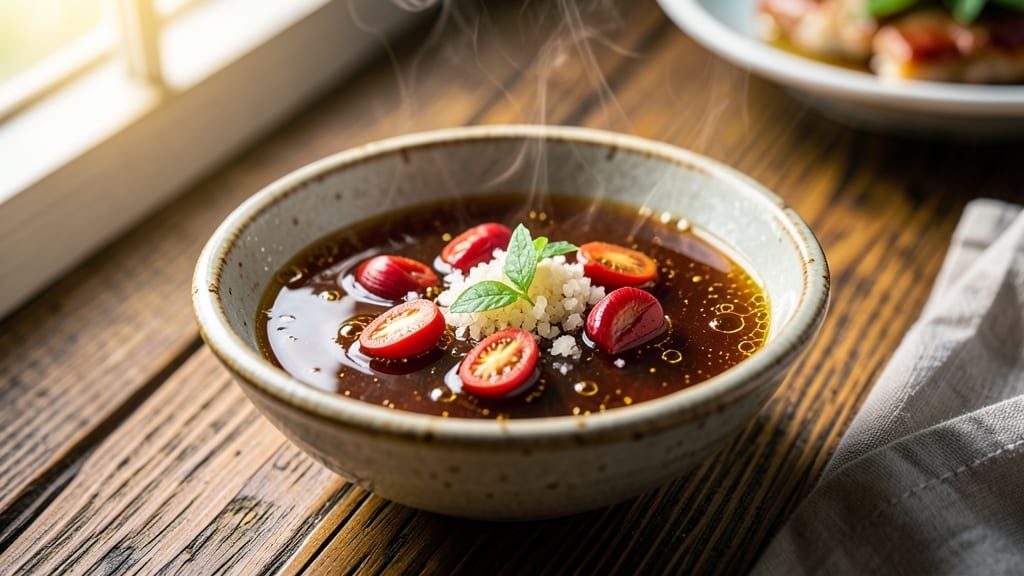
This authentic yakitori sauce recipe transforms ordinary grilled skewers into restaurant-quality bites with its perfect balance of smoky, sweet, and umami flavors. The secret lies in simmering a precise blend of mirin, soy sauce, sugar, and sake until the ingredients meld into a glossy, aromatic sauce.
I've perfected this recipe through countless batches, ensuring the sauce remains true to traditional Japanese techniques while being simple enough for home cooks.
The beauty of this sauce is its versatility—it's equally at home as a dipping sauce for chicken skewers or as a marinade for beef and vegetables. The key steps involve reducing the mixture to achieve that signature sticky consistency, then straining it for a silky-smooth texture.
This isn't just a sauce; it's a flavor experience that elevates any grilled dish to new heights.
What sets this recipe apart is its authenticity, achieved through careful ingredient ratios and traditional preparation methods. The result is a sauce that's rich yet balanced, with just the right amount of sweetness to complement the smoky char of grilled meats.
It's the kind of sauce that makes your taste buds sing and leaves everyone asking for the recipe.
Once you've mastered this sauce, you'll find endless ways to use it—from glazing grilled vegetables to drizzling over rice bowls. The instructions are straightforward, but the flavor reward is extraordinary. Let's get started on creating this authentic Japanese staple that will become a staple in your kitchen.
Ingredients for authentic yakitori sauce
Six core ingredients blend into a restaurant-quality sauce that transforms grilled skewers.
| Ingredient | Amount | Notes |
|---|---|---|
| Mirin 🍶 | ½ cup | High-quality mirin for sweetness |
| Japanese Soy Sauce 🍶 | ½ cup | Use light or regular soy sauce |
| White Sugar 🍚 | ¼ cup | Granulated sugar preferred |
| Dry Sake 🍶 | ¼ cup | High-quality, dry sake preferred |
| Water 💧 | ¼ cup | For thinning consistency |
| Garlic Cloves 🧄 | 3 cloves | Minced for aromatic depth |
| Ginger Root 🌿 | 1 tbsp | Freshly grated, for zing |
| Sesame Oil 🫒 | 1 tbsp | Toasted sesame oil for aroma |
| Diamond Crystal Kosher Salt 🧂 | ½ tsp | For seasoning balance |
Mirin and soy sauce form the sauce's foundation, so Japanese brands like Kikkoman or Hacco are ideal—they deliver that authentic umami punch. Mirin should be sweet, not dry, and sake needs to be dry to avoid cloying sweetness. Garlic and ginger are non-negotiable for that signature yakitori depth. I always grab fresh ginger from the produce section—it's more potent than jarred. For sesame oil, Kadoya or La Choy are reliable choices, but any toasted sesame oil works. The sugar should be granulated for even dissolution, and organic cane sugar adds a subtle caramel note if you're feeling fancy.
No mirin? Substitute 1 tbsp sugar plus 1 tbsp water per 0.5 cup—it's not identical but works in a pinch. Running low on sake? Dry white wine or extra-dry sherry are decent stand-ins, though sake's clean finish is hard to replicate. Fresh ginger unavailable? Powdered ginger at half the amount gets you close, but you'll lose some brightness. The sesame oil can be omitted if you're avoiding raw sesame flavor, but add 1 tsp toasted sesame seeds at the end for texture. For a smokier profile, add 1/4 tsp smoked paprika to the finished sauce—trust me, it elevates everything.
This sauce keeps beautifully—1 week refrigerated in an airtight jar, or 3 months frozen in ice cube trays for single-use portions. The flavor actually improves after 24 hours as the ingredients meld. For restaurant-quality results, strain through a fine-mesh sieve before using to remove any ginger bits. Double the batch if you're feeding a crowd—it disappears fast. Store leftovers in the back of the fridge where it stays coolest, and always bring to room temperature before using for the best consistency.
Why You'll Love This Recipe
- Five-Ingredient Magic: I swear by this—just mirin, soy, sugar, sake, and water. No fancy gadgets, no stress, just a quick simmer while you prep the rest of dinner.
- Umami Bomb: That balance of sweet mirin and salty soy? It’s like a flavor explosion in your mouth. The sake adds depth, and honestly, it’s the kind of sauce that makes chicken skewers taste like a Michelin-starred bite.
- Party or Pantry: Use it for yakitori, glaze for salmon, or even drizzle on rice bowls. Between us, I’ve had it last all week in the fridge—still delicious, still versatile.
- Budget-Friendly Staple: A little goes a long way, and these ingredients don’t break the bank. I make a big batch, store it, and pull it out whenever I need a quick, reliable sauce. No waste, all flavor.
Step-by-step instructions for authentic yakitori sauce
This traditional Japanese sauce delivers the perfect balance of smoky, sweet, and umami flavors for your skewers.
Combine Base Ingredients in a Saucepan
In a medium saucepan over medium-low heat, add the 0.5 cup mirin, 0.5 cup Japanese soy sauce, 0.25 cup white sugar, 0.25 cup dry sake, and 0.25 cup water. Stir gently to combine all ingredients, ensuring the sugar dissolves completely. You'll notice the mixture begins to bubble softly—this is normal as the alcohol content in sake and mirin starts to cook off.
Here's the thing—don't rush this step. Let the sauce simmer uncovered for 5-7 minutes until the liquid reduces by about 25%. You're looking for a thicker consistency that coats the back of a spoon. The sauce should smell rich and aromatic, with a subtle sweetness from the mirin and sugar. If you see any sugar grains remaining, stir more vigorously to dissolve them completely.
Add Aromatics and Simmer
Once the base has reduced, add the 3 minced garlic cloves and 1 tablespoon freshly grated ginger root. Stir well to incorporate, then let the sauce continue simmering for another 3-4 minutes until the garlic becomes fragrant and the ginger mellows out. You'll know it's ready when the raw garlic smell transforms into a sweet, toasty aroma—this indicates the garlic has softened properly.
I press down gently on the ginger with a wooden spoon during this time to help it release its oils and flavors more effectively. The sauce should now have a glossy sheen and a slightly syrupy texture. If it's still too thin at this stage, reduce heat to low and let it simmer uncovered for an additional 2-3 minutes. The key is patience—rushing this step can lead to a bitter, overcooked sauce.
Finish with Sesame Oil and Season
Remove the saucepan from heat and let it cool slightly for 2 minutes. This brief cooling period prevents the sesame oil from burning when added. Stir in the 1 tablespoon toasted sesame oil and 0.5 teaspoon Diamond Crystal kosher salt, mixing thoroughly. The sesame oil will add a nutty aroma that complements the umami depth of the soy sauce and mirin.
Taste the sauce and adjust seasoning if needed. If it tastes too sweet, add a pinch more soy sauce. If it needs more depth, a tiny splash of mirin or a drop of sesame oil can help. The sauce should be perfectly balanced—sweet enough to caramelize on the skewers, salty enough to enhance flavors, and aromatic from the garlic and ginger. Let the sauce cool completely before using to allow all flavors to meld together fully.
Strain and Store Properly
Once cooled to room temperature, strain the sauce through a fine-mesh sieve to remove any garlic or ginger pieces, pressing gently with a spoon to extract all the flavorful liquid. Transfer the strained sauce to a clean glass jar or airtight container. This sauce keeps exceptionally well in the refrigerator for up to 2 weeks, making it perfect for batch preparation.
For best results, bring the sauce to room temperature before using on your yakitori. The flavors develop even more when reheated gently—simply warm in a small saucepan over low heat for 2-3 minutes, stirring occasionally. This traditional yakitori sauce will elevate your grilled skewers to restaurant-quality, with that perfect balance of smoky sweetness and umami depth that defines authentic Japanese flavors.
Pro Tips For Making Authentic Yakitori Sauce
- Simmer Low and Slow: I learned this the hard way—boiling yakitori sauce too fast turns it bitter. Keep the heat at a bare simmer (tiny bubbles, like a lazy Sunday morning) and let it reduce for at least 15 minutes. The sugar needs time to caramelize properly, or you’ll end up with something closer to liquid soy than sauce.
- Use Real Mirin: That cheap "cooking mirin" substitute? Skip it. Real mirin (the sweet, slightly fizzy kind) adds depth and balance to the sauce. If you’re stuck, reduce 2 tablespoons of sugar with 2 tablespoons of water first, then add the rest—but it won’t be the same. The sauce’s harmony depends on that genuine umami-sweetness from proper mirin.
- Balance the Soy First: Taste the soy sauce before adding sugar. Some brands are saltier than others, and if you don’t adjust, your sauce will taste flat or overly sweet. For every 2 tablespoons of soy sauce, add 1 teaspoon of sugar as a starting point, then tweak. This is where most home cooks go wrong—they blindly follow ratios without tasting.
- Strain for Smoothness: After simmering, let the sauce cool slightly, then strain it through a fine-mesh sieve lined with cheesecloth. This removes any sediment from the mirin or sake, giving you a silky finish. I know it’s an extra step, but the difference in texture is noticeable—especially when drizzling over tender chicken skewers. (Yes, even if you’re impatient like me.)
Regional styles of authentic yakitori sauce
Classic Tokyo Style
The Tokyo approach focuses on simplicity and balance, using a 1:1:1 ratio of mirin, soy sauce, and sugar for the base. I've found that Kikkoman soy sauce and Hirata mirin create the most authentic flavor profile.
The sauce is typically strained through a fine-mesh sieve to achieve that signature silky texture, and many Tokyo chefs add a splash of dry sake at the end to enhance the umami.
The key is simmering the sauce until it reaches a syrup-like consistency that clings beautifully to grilled skewers. 🍶
Osaka Bold Version
Osaka-style yakitori sauce leans into richer flavors with a touch of smokiness. This variation includes an extra 1/4 teaspoon of smoked paprika or a pinch of ground sansho pepper (Japanese pepper) for that signature kick.
The sauce is often slightly thicker, almost like a glaze, and pairs perfectly with beef or pork skewers. I like to add 1 extra garlic clove and 1/2 teaspoon of grated yuzu zest for brightness, which is a nod to Osaka's love of citrus.
The result is a sauce that's both complex and deeply satisfying.
Kyoto Delicate Touch
In Kyoto, they prioritize subtlety, often incorporating freshly grated daikon radish or shiso leaves into the sauce for a delicate aroma. The sauce is lighter, with slightly less sugar, to let the natural flavors of the ingredients shine.
I've seen some Kyoto chefs use white miso paste (about 1/2 teaspoon) instead of some of the sugar for a deeper, earthier umami. This version is perfect for vegetable skewers or white fish like cod or halibut.
The texture is almost velvety, and the sauce is best used immediately after preparation to preserve its freshness.
Hokkaido Hearty Style
Hokkaido's version is all about bold, warming flavors, often with a touch of honey (about 1 tablespoon) replacing some of the sugar. This adds a deeper caramel note that pairs beautifully with the region's rich, fatty meats.
I've also seen 1/2 teaspoon of grated fresh ginger and 1/4 teaspoon of black pepper incorporated to cut through the richness. The sauce is slightly thicker, almost like a sticky glaze, and is often brushed onto skewers before grilling.
This style is perfect for lamb or beef yakitori, which are popular in Hokkaido's colder climate. 🔥
Okinawa Tropical Twist
Okinawa's take on yakitori sauce incorporates tropical flavors like grated pineapple (about 1/4 cup) or lime zest for a refreshing twist. The sauce is lighter, with slightly less soy sauce to balance the sweetness.
I like to add 1/2 teaspoon of grated turmeric for color and a hint of earthiness, along with 1/4 teaspoon of ground coriander for warmth. This version is fantastic for seafood skewers like squid or shrimp, which are staples in Okinawa.
The sauce is often served slightly warm, drizzled over the skewers as they come off the grill, to enhance the tropical notes.
Nutrition facts
Frequently asked questions
Can I make yakitori sauce without mirin?
Yes, but you'll need to substitute carefully. Replace 0.5 cup mirin with 1 tbsp sugar plus 1 tbsp water for every 0.5 cup called for. The sauce won't be identical—mirin's sweetness and slight acidity are hard to replicate—but it'll still work well. For better results, use 1 tbsp sugar plus 1 tbsp rice vinegar to mimic mirin's complexity.
How do I prevent my sauce from getting too sweet?
Start by reducing the sugar to 0.2 cup instead of 0.25 cup. If it's still too sweet after tasting, add 1/2 teaspoon more soy sauce—the saltiness will balance the sweetness beautifully. For a more authentic flavor, simmer the sauce longer (up to 10 minutes) to concentrate the flavors without adding more sugar.
Can I use this sauce for other proteins besides chicken?
This versatile sauce works wonderfully with beef, pork, shrimp, or even tofu. For seafood, reduce the garlic slightly (2 cloves) to avoid overpowering delicate flavors. For beef, add 1/4 teaspoon smoked paprika to enhance the richness. The key is adjusting the seasoning to match the protein's natural flavor profile—always taste and adjust before serving.
Why does my yakitori sauce look cloudy after straining?
Cloudiness usually means some sugar didn't fully dissolve or tiny ginger particles slipped through. To fix it, gently reheat the sauce over low heat for 1-2 minutes while stirring constantly. For a perfectly clear sauce, strain it a second time through a cheesecloth-lined sieve. If you prefer texture, skip the second straining—the slight cloudiness adds character!
How can I make this sauce spicier?
Add 1/4 teaspoon of red pepper flakes or 1/2 teaspoon of gochujang (Korean chili paste) when you incorporate the sesame oil. For a more subtle kick, infuse the sauce with 1 sliced Thai chili while simmering, then remove it before straining. Start with small amounts—you can always add more heat later, but you can't take it out!