
Sauces & Condiments
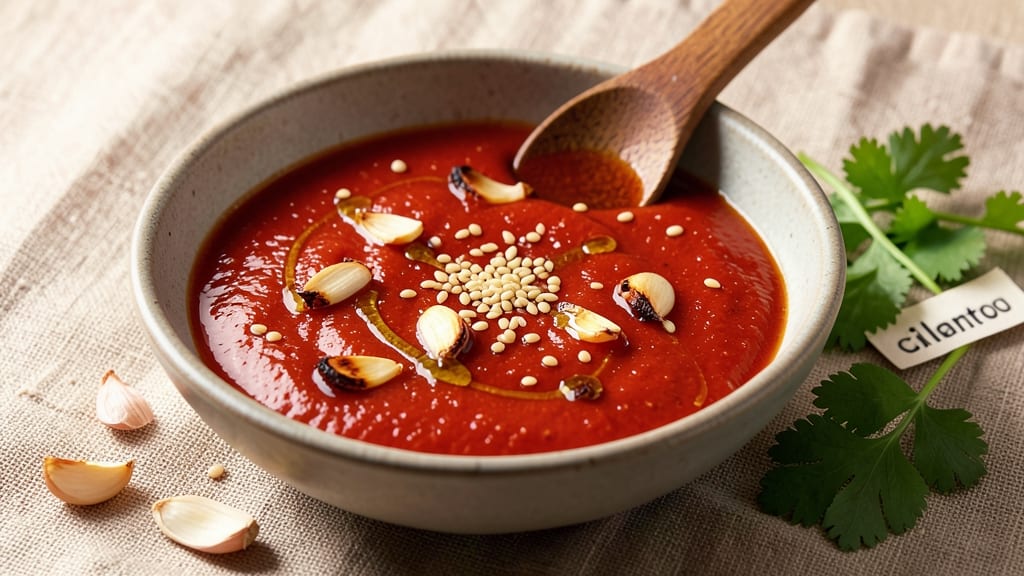
This Korean gochujang sauce recipe transforms simple ingredients into a fermented spice bomb that elevates wings, dumplings, and stir-fries with deep umami and fiery heat. The magic lies in balancing gochujang's natural sweetness with tangy vinegar and aromatic garlic, creating a sauce that's both complex and easy to master.
Professional chefs rely on this technique to add restaurant-quality depth to home cooking without complicated steps.
The foundation starts with gochujang—fermented chili paste that delivers both heat and richness. Combined with brown sugar for caramelized depth, rice vinegar for brightness, and minced garlic for aromatic punch, this sauce develops layers of flavor that build with each use.
The key is simmering just until the sugar dissolves, preserving the sauce's natural vibrancy while enhancing its stickiness for perfect clinging to food.
What you'll achieve is a versatile sauce that works as a marinade, dipping sauce, or stir-fry glaze—bold enough to stand alone but balanced enough to complement any dish.
The fermentation in gochujang adds a subtle funkiness that transforms simple proteins into restaurant-worthy meals. Once you taste the difference between store-bought and homemade, you'll never go back.
Store the sauce in an airtight container for up to two weeks, where its flavors will deepen and intensify. This isn't just another condiment—it's a flavor multiplier that turns ordinary meals into extraordinary experiences. Let's create this game-changing sauce that will become your kitchen essential.
Ingredients for korean gochujang sauce
Fermented heat meets caramelized sweetness—just eight ingredients transform into this umami-packed sauce.
| Ingredient | Amount | Notes |
|---|---|---|
| Gochujang 🌶️ | ½ cup | Fermented chili paste, not sweet variety |
| Brown Sugar 🍯 | ¼ cup | Light or dark, packed firmly |
| Rice Vinegar 💧 | ¼ cup | Seasoned preferred for depth |
| Garlic Cloves 🧄 | 4 cloves | Minced finely for aromatic punch |
| Sesame Oil 🫒 | 1 tbsp | Toasted sesame oil for nutty depth |
| Soy Sauce 🍶 | 2 tbsp | Light or dark, not reduced |
| Fresh Ginger 🌿 | 1 tbsp | Grated finely, not powdered |
| Water 💧 | ½ cup | Room temperature preferred |
| Sesame Seeds 🌰 | 1 tsp | Toasted lightly for garnish |
| Salt 🧂 | ½ tsp | Kosher or sea salt |
The gochujang is non-negotiable—Hanjin or Dobae are the gold standard, but any quality fermented paste works. Grab it from the Asian market or well-stocked grocery store's international aisle. Brown sugar here isn't just sweetness—it caramelizes during simmering, adding that sticky, restaurant-quality depth. For the garlic, peel and mince while the sauce cooks—the aroma will infuse faster. Sesame oil? Toast it first—just heat in a dry pan for 30 seconds until fragrant, then cool before adding.
No gochujang? Sriracha plus a dash of soy sauce gets you close, but you'll miss the fermented funk. Short on brown sugar? Maple syrup or agave works in a pinch, though the caramelization won't be identical. The rice vinegar can be swapped for apple cider vinegar, but it'll taste slightly less bright. Toasted sesame oil out of reach? Regular sesame oil plus a pinch of ground sesame seeds mimics the flavor. Fresh ginger is ideal, but powdered at half the amount works if you're in a hurry—just don't skip it entirely.
This sauce gets better with age—1-2 weeks in the fridge lets flavors meld beautifully. Store it in a small glass jar with a tight seal; the flavors concentrate over time. Need to use it up fast? Portion into ice cube trays and freeze—perfect for single-use portions on wings or dumplings. The sauce thickens as it cools, so give it a quick stir before each use. Trust me, the first time you drizzle this over crispy wings, you'll never buy store-bought again.
Why You'll Love This Recipe
- No-Fuss Pantry Staples: I swear by this sauce because it’s built from things I already have—gochujang, brown sugar, and rice vinegar. No specialty shopping, no last-minute grocery runs. Just open the jar, measure, and stir.
- Sweet Heat Magic: That perfect balance of gochujang’s deep, smoky kick and brown sugar’s caramel richness? It’s ridiculously addictive. The garlic sizzles in sesame oil until it’s fragrant but not burnt—just enough to make everything taste better.
- Dresses Up Everything: Drizzle it over grilled chicken, toss it with noodles, or use it as a marinade. Even my picky teen asks for seconds when I serve it with fries. Honestly, it’s my go-to for lazy weeknights or when I need to impress guests.
- Makes Leftovers Taste Fresh: A little goes a long way, so I always end up with extra. The flavors actually improve the next day—no sad, dried-out sauce here. Store it in the fridge for up to a week, and it’s ready to transform whatever you’re craving.
Step-by-step instructions for Korean gochujang sauce
This fermented chili paste sauce delivers bold, complex flavor with minimal effort—perfect for glazing wings, dipping dumplings, or drizzling over rice bowls.
Bloom the Gochujang and Brown Sugar
In a medium saucepan over medium-low heat, combine the 0.5 cup gochujang and 0.25 cup brown sugar. Stir continuously for 3-4 minutes until the mixture becomes smooth and slightly glossy. The sugar helps balance the gochujang's heat while deepening its fermented umami notes.
Watch for small bubbles forming around the edges—this signals the gochujang is activating. If it starts to darken too quickly, reduce heat slightly. Here's the thing—rushing this step can make the sauce bitter, so take your time and let the flavors meld.
Add Aromatics and Build the Base
Pour in the 0.25 cup rice vinegar and 2 tablespoons soy sauce, stirring vigorously to dissolve any sugar crystals. Add the 4 minced garlic cloves and 1 tablespoon grated fresh ginger, then cook for 2-3 minutes until fragrant but not browned.
The garlic should smell pungent but not burnt—this is your aromatic foundation. If you notice the mixture darkening too quickly, lower the heat immediately. This is where the sauce's depth comes from, so don't skip this step even if it feels like you're just standing there stirring.
Simmer and Thicken the Sauce
Pour in the 0.5 cup water and 1 tablespoon sesame oil, then bring to a gentle simmer. Add the 0.5 teaspoon salt and continue cooking for 8-10 minutes until the sauce thickens slightly but remains pourable. Stir occasionally to prevent sticking.
You'll know it's ready when it coats the back of a spoon and has a glossy sheen. If it thickens too much, add 1 tablespoon water at a time until you reach your desired consistency. This sauce should be vibrant red with pockets of spicy heat—trust your taste buds to guide you.
Finish with Sesame Seeds and Rest
Remove from heat and stir in the 1 teaspoon sesame seeds. Let the sauce rest for 5 minutes to allow flavors to fully integrate. The seeds will add nutty crunch and visual appeal when garnished.
Taste and adjust seasoning—you might want to add a touch more soy sauce for saltiness or rice vinegar for brightness. This sauce tastes even better after sitting for 30 minutes, so if you're not using it immediately, cover and let it develop in the fridge.
Pro Tips For Making Korean Gochujang Sauce
- Sauté Garlic Slowly: I learned this the hard way—crisping garlic in gochujang sauce turns it bitter fast. Keep heat low and stir constantly until just golden, not brown. The sauce will deepen in flavor without that burnt edge.
- Balance Sugar Gradually: Brown sugar can overwhelm gochujang if dumped in all at once. Start with half, taste, then add more—you’re aiming for sweetness that complements, not masks, the fermented heat. (Yes, even if you’re impatient like me.)
- Strain the Sauce: Gochujang’s texture varies, and you’ll end up with tiny garlic bits or clumps. After simmering, pour through a fine-mesh sieve into a bowl. Smooth sauce = restaurant-quality finish. (I know, it’s an extra step—but it matters.)
- Finish with Cold Oil: Toss in sesame oil off the heat to preserve its aroma. If you add it too early, the heat will cook out the nutty flavor before it can shine. A splash at the end makes all the difference.
Serving suggestions for leftovers
Wings Perfection
This sauce transforms ordinary wings into a restaurant-quality dish. Toss 1 lb of cooked wings in 2 tablespoons of sauce while still warm, then broil for 3-4 minutes until caramelized.
The gochujang's stickiness clings perfectly to crispy skin, while the garlic and ginger add aromatic depth. Serve with blue cheese dressing for a classic Korean-American fusion. 🔥
Dumpling Dip
Warm ½ cup of sauce in a small saucepan over low heat until slightly thickened, then drizzle over steamed or fried dumplings. The sauce's tangy-sweet balance cuts through the richness of pork or shrimp dumplings beautifully.
Garnish with extra sesame seeds and a sprinkle of green onions for freshness. This becomes my go-to for Korean BBQ pork dumplings—trust me, it's a game-changer. ✨
Rice Bowl Glaze
Use the sauce as a drizzling glaze over steamed jasmine rice alongside grilled chicken or tofu. Heat 1 tablespoon of sauce in a small pan until bubbly, then pour over rice.
The sauce's umami punch elevates simple bowls into Michelin-worthy meals. Top with quick-pickled cucumbers and fried eggs for a complete Korean-inspired bowl. 💫
Marinade Magic
Mix 3 tablespoons of sauce with 1 tablespoon soy sauce and 1 tablespoon honey to create a bold marinade for chicken thighs or salmon. Let the protein marinate for 30 minutes to 2 hours in the fridge before grilling or baking.
The gochujang infuses deep flavor while keeping the exterior caramelized. Perfect for Korean-style grilled chicken (dakgalbi). 🌶️
Garnish Game
Store leftover sauce in an airtight container for up to 2 weeks. Before serving, finish with toasted sesame seeds and a drizzle of honey for a sweet-spicy contrast. The sauce also works as a dipping sauce for spring rolls or edamame—just thin with a splash of water if needed.
A little goes a long way, so keep a small bowl on the table for guests to add to their liking. 💛
Nutrition facts
Frequently asked questions
Can I make this sauce without gochujang?
You can create a similar profile using 2 tablespoons sriracha plus 1 tablespoon soy sauce, but you'll miss the fermented depth that makes gochujang special. For a closer substitute, blend 1 tablespoon chili powder with 1 tablespoon honey and 1 teaspoon vinegar—though it won't have the same complexity. The sauce will be hotter but less nuanced.
How do I adjust the heat level?
For milder heat, reduce the gochujang to 0.375 cup and add 1 extra tablespoon brown sugar to balance. For extra spice, increase gochujang to 0.625 cup and add ½ teaspoon red pepper flakes. Always taste as you go—the sauce's heat builds with simmering. Adjust gradually to avoid overpowering other flavors.
Can I make this sauce in advance?
This sauce improves with time—let it sit for 2-3 hours before using for deeper flavor development. Store in an airtight container in the fridge for up to 2 weeks, where it'll continue to meld. For longer storage, freeze in ice cube trays—perfect for single-use portions. The texture may thicken slightly when cold, so stir before using.
What's the best way to use leftover sauce?
Leftover sauce works perfectly as a marinade (mix with 1 tbsp soy sauce), dipping sauce (thin with water if too thick), or stir-fry glaze. Thin with 1 tbsp water per 2 tbsp sauce for dipping, or use straight as a marinade. The flavors concentrate over time, so even "leftovers" taste better with age. Keep a small jar in your fridge for quick flavor boosts!
Why did my sauce turn too thick?
This happens when simmered too long or with too much sugar. Thin with 1 tbsp water at a time until pourable. For future batches, reduce simmer time to 7-8 minutes and use ¼ cup brown sugar instead of ½ cup. The sauce should coat the back of a spoon but remain spreadable—not glue-like. If it's still too thick after thinning, it's ready for dipping or glazing where thickness is desirable.