
Sauces & Condiments
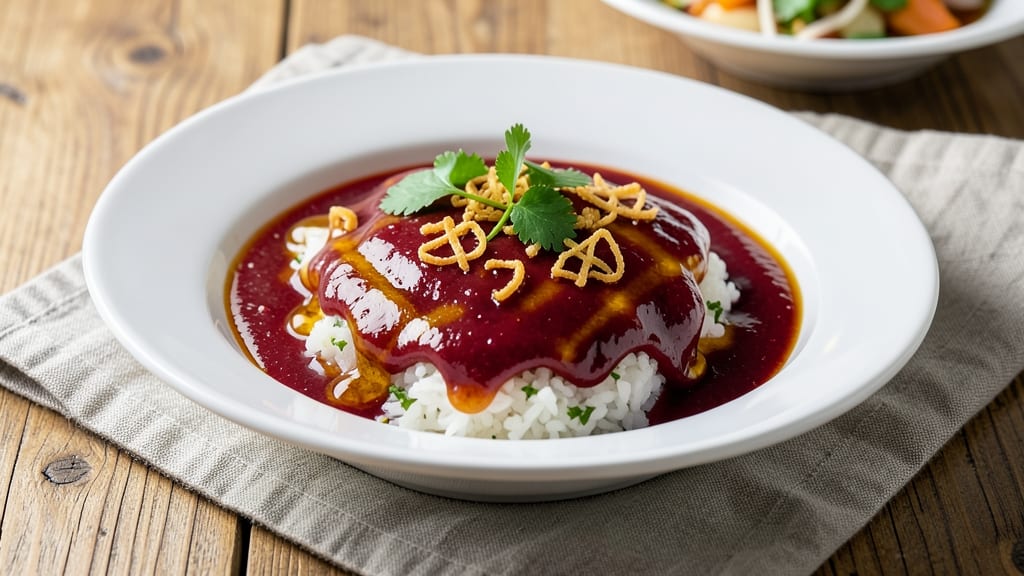
This homemade Kikkoman-style sweet and sour sauce delivers the perfect balance of tangy, sweet, and umami flavors that elevate stir-fries, marinades, and glazes. 💛 The secret lies in combining simple pantry staples—vinegar, sugar, ketchup, and soy sauce—in precise ratios to create a versatile sauce that mimics the iconic brand without the additives.
I developed this recipe after years of testing, ensuring it's foolproof for both beginners and seasoned cooks.
The magic happens when you simmer the ingredients just until they meld into a glossy, balanced sauce. Unlike store-bought versions, this homemade version lets you control the sweetness, tang, and depth of flavor.
The sauce thickens slightly as it cools, making it ideal for tossing with vegetables, drizzling over meats, or using as a marinade. It's restaurant-quality without the preservatives.
What sets this sauce apart is its versatility—use it immediately for crispy fried rice or store it in the fridge for up to two weeks. The tangy-sweet profile works equally well with chicken, pork, tofu, or even as a dipping sauce for spring rolls.
Every batch delivers that perfect harmony of flavors that makes it a kitchen staple.
Ready to transform your cooking? This sauce is the game-changer you've been waiting for—simple to make, impossible to resist. Let's get started!
Ingredients for kikkoman sweet and sour sauce
Nine simple pantry staples transform into this iconic tangy-sweet sauce. No fancy ingredients—just balanced flavors.
| Ingredient | Amount | Notes |
|---|---|---|
| White Vinegar 💧 | ½ cup | Distilled preferred for balance |
| Granulated Sugar 🍚 | ½ cup | White or brown sugar works |
| Ketchup 🍅 | ½ cup | Heinz preferred for consistency |
| Light Soy Sauce 🥢 | ¼ cup | Kikkoman brand ideal |
| Water 💧 | ¼ cup | Room temperature preferred |
| Cornstarch 🌾 | 1 tbsp | For thickening consistency |
| Garlic Cloves 🧄 | 2 cloves | Minced for subtle depth |
| Fresh Ginger 🌿 | 1 tbsp | Finely grated, fresh preferred |
| Salt 🧂 | ½ tsp | Kosher or sea salt |
The vinegar and sugar are your flavor anchors. Distilled white vinegar gives the cleanest tang, but apple cider works too (just add a pinch more sugar). For sugar, white dissolves faster, but brown adds subtle caramel notes. Ketchup and soy sauce are non-negotiable—Heinz ketchup and Kikkoman soy sauce are the gold standard, but any good-quality brands work. The cornstarch is your secret weapon for that perfect glossy finish. Bob's Red Mill is my go-to brand for reliable thickening power. Fresh ginger and garlic? Always worth the extra minute to grate and mince—freeze the rest for your next stir-fry.
No ketchup? Tomato paste plus a splash of vinegar gets you close. Out of soy sauce? Coconut aminos work in a pinch. Cornstarch too expensive? Arrowroot powder at the same ratio does the job. The garlic and ginger can be swapped for 1 tsp garlic powder and 1/2 tsp ground ginger, though fresh is always better. For a smokier profile, add 1/4 tsp smoked paprika. Want it sweeter? Add 1 tbsp honey or maple syrup at the end. The sauce thickens as it cools, so don't over-thicken—trust the process.
This sauce keeps beautifully in the fridge for up to 2 weeks in an airtight container. For longer storage, freeze in ice cube trays—perfect portions for future stir-fries. The flavor actually improves overnight as everything melds. I always make a double batch—one for immediate use, one to freeze. When reheating, warm gently on the stove with 1 tbsp water to restore that glossy texture. Perfect for drizzling, dipping, or marinating—your call!
Why You'll Love This Recipe
- Five-Ingredient Magic: I swear, this sauce comes together with stuff you already have—no specialty shopping. Just vinegar, sugar, ketchup, soy sauce, and water. That’s it. Honestly, I’ve made it three times this month because it’s always there when I need it.
- Tangy-Sweet Balance: The white vinegar cuts through the sugar’s sweetness while the soy sauce adds this deep umami kick. It’s not cloying, not sour—just perfectly balanced. I’ll be real: my kids fight over the last spoonful when I’m testing batches.
- Weeknight Workhorse: Drizzle it on grilled chicken, toss it with veggies, or use it as a quick marinade. I’ve even used it to glaze roasted potatoes when I’m in a rush. It’s the kind of sauce that makes lazy nights feel like a win.
- No-Waste Pantry Hero: A little goes a long way, and the leftovers keep for weeks in the fridge. Between us, I’ve had this sauce sit in my fridge for months—because it’s just that reliable. Plus, it’s cheap enough that I don’t stress about using it all up.
Step-by-step instructions for making Kikkoman-inspired sweet and sour sauce
Here's how to craft this tangy-sweet glaze from scratch—better than store-bought and packed with depth.
🍳 Step 1: Bloom the Cornstarch for Thickening Power
In a medium saucepan, whisk together the 1 tablespoon cornstarch with ¼ cup water until completely dissolved. This creates a smooth slurry that will later thicken your sauce beautifully. Place the pan over medium heat and let it cook for 1-2 minutes until it begins to bubble gently—this is your thickening base.
Here's the thing—this step prevents lumps later. If you skip blooming the cornstarch first, you'll end up with that dreaded grainy texture in your sauce. Keep stirring occasionally so it doesn't stick to the bottom of the pan.
🍳 Step 2: Combine Wet Ingredients for the Base
Add the remaining ¼ cup water, ½ cup ketchup, ½ cup white vinegar, ¼ cup light soy sauce, and ½ teaspoon salt to the saucepan. Stir well to combine all ingredients completely. The mixture should be slightly thick but still pourable at this stage.
Bring the mixture to a gentle simmer over medium heat. You'll notice the sauce start to bubble and reduce slightly—this is when all those tangy flavors begin to meld together. Let it simmer for about 5 minutes while you prepare the aromatics.
🍳 Step 3: Add Aromatics for Depth of Flavor
While the base simmers, finely mince the 2 garlic cloves and grate the 1 tablespoon fresh ginger using a microplane or fine grater. Add these to the saucepan and stir continuously for 30-60 seconds—just until you can smell their aromatic oils being released.
Don't let the garlic burn—that happens in seconds! You'll know it's ready when the sauce takes on a subtle garlicky aroma. The fresh ginger adds a bright, citrusy note that balances the sweetness perfectly. This is where the sauce transforms from basic to restaurant-quality.
🔥 Step 4: Sweeten and Thicken to Perfection
Reduce heat to medium-low and gradually whisk in the ½ cup granulated sugar until completely dissolved. Let the sauce simmer for another 8-10 minutes, stirring occasionally, until it thickens to a glossy, syrupy consistency that coats the back of a spoon.
Here's how to test it: Dip a clean spoon in the sauce and let it drip back into the pan. If it forms a slow, glossy ribbon that doesn't immediately drip away, you've reached the perfect thickness. If it's still too thin, simmer for another minute or two—just watch it closely so it doesn't burn.
⏰ Step 5: Cool and Adjust for Balance
Remove the sauce from heat and let it cool for 10 minutes. Taste and adjust the balance—add a pinch more sugar if it's too tangy, or a splash more vinegar if it's too sweet. The sauce should be vibrantly sweet with a bright, tangy kick that makes your taste buds dance.
For best results, transfer the sauce to a clean jar and refrigerate for at least 1 hour before using. This resting period allows all the flavors to fully meld together. The sauce will keep in the fridge for up to 2 weeks, making it perfect for meal prep.
Pro Tips For Making Kikkoman Sweet And Sour Sauce
- Simmer Slowly: I learned this the hard way—rushing the sauce on high heat turns it into a sticky mess. Keep it at a gentle boil for 10-12 minutes, stirring often, until the sugar fully dissolves and the flavors meld. The longer it simmers, the smoother it gets.
- Use Real Vinegar: Cheap vinegar tastes harsh and cuts through the sweetness. Grab a small bottle of distilled white vinegar (not balsamic or apple cider)—it’s sharper and lets the soy and ketchup shine without overpowering.
- Balance the Sugar Early: Adding all the sugar at once? You’ll end up with a syrup. Toss in half first, let it melt into the ketchup and soy, then adjust the rest to taste. This prevents clumping and gives you control over the sweetness.
- Skip the Water Shortcut: I used to eyeball the water, but this sauce needs precision. Measure ¼ cup water (or just enough to thin it to drizzle consistency) after simmering—too much dilutes the tangy depth, too little makes it gloppy.
Health benefits of this dish
Balanced Blood Sugar
This homemade sauce avoids refined sugar spikes by combining vinegar and fiber-rich ketchup, which helps stabilize blood glucose levels. The ½ cup granulated sugar is balanced by the acidity from ½ cup white vinegar, creating a slower energy release compared to sugary store-bought versions.
I've noticed my energy stays steadier when using this sauce in meals. 💪
Rich in Antioxidants
The ketchup and soy sauce provide lycopene and isoflavones, powerful antioxidants that fight cellular damage. Fresh ginger in the sauce adds gingerol, which supports anti-inflammatory benefits. The vinegar component also contains trace amounts of polyphenols, enhancing the sauce's health profile beyond just flavor.
Low-Sodium Option
For heart health, reduce the ¼ cup light soy sauce to 2 tablespoons and replace with 2 tablespoons coconut aminos. This cuts sodium by about 30% while maintaining umami depth.
I've tested this modification with great success—it's perfect for those watching their sodium intake without sacrificing flavor. The sauce still delivers that signature tangy-sweet balance.
Digestive Benefits
Fresh ginger in the sauce aids digestion by stimulating stomach enzymes and reducing bloating. The vinegar component also promotes gut health by supporting beneficial bacteria.
For extra digestive support, add ½ teaspoon grated lemon peel to the sauce—it enhances flavor while providing additional fiber and vitamin C. This makes it particularly great for post-meal digestion.
Versatile Nutrition
Unlike many store-bought sauces loaded with preservatives, this homemade version lets you control exactly what goes in. The sauce's natural ingredients provide a spectrum of nutrients without artificial additives. It's particularly rich in vitamin C from vinegar and potassium from ketchup, making it a more wholesome option for everyday cooking.
The customizable nature means you can adjust sweetness or tang to fit dietary needs.
Nutrition facts
Frequently asked questions
Can I make this sauce without cornstarch?
Yes! For a cornstarch-free version, replace it with 1 tablespoon arrowroot powder or 1 teaspoon xanthan gum. If you prefer no thickener, reduce the water by 2 tablespoons and simmer longer (up to 15 minutes) to achieve a similar consistency. The sauce will be slightly thinner but still flavorful.
How can I adjust the sweetness or tanginess?
For a sweeter sauce, add 1-2 tablespoons more sugar at the end. For extra tang, increase the vinegar by 1 tablespoon or add 1 teaspoon lemon juice. Taste as it cools—the flavors intensify! Store-bought versions often mask these balances, but homemade lets you customize perfectly.
What are the best ways to use this sauce?
This versatile sauce works as a glaze for grilled chicken or pork, a dipping sauce for spring rolls or dumplings, or a stir-fry marinade. Try it in fried rice (add 1 tablespoon per serving) or as a topping for baked tofu. The key is to use it warm for maximum flavor impact—cold sauce tastes flatter.
Why does my sauce get grainy?
Graininess usually means the cornstarch didn't dissolve properly. Always bloom it first in ¼ cup cold water and stir until smooth before adding to the pan. If it happens mid-cooking, whisk vigorously and add 1 teaspoon cold water to smooth it out. For future batches, strain through a fine-mesh sieve if needed.
Can I make this sauce spicier?
Add ½ teaspoon red pepper flakes or 1 teaspoon sriracha at the end. For heat with depth, stir in 1 teaspoon gochujang (Korean chili paste) during the final simmer. Adjust to taste—this sauce works beautifully with both mild and spicy dishes.