
Sauces & Condiments
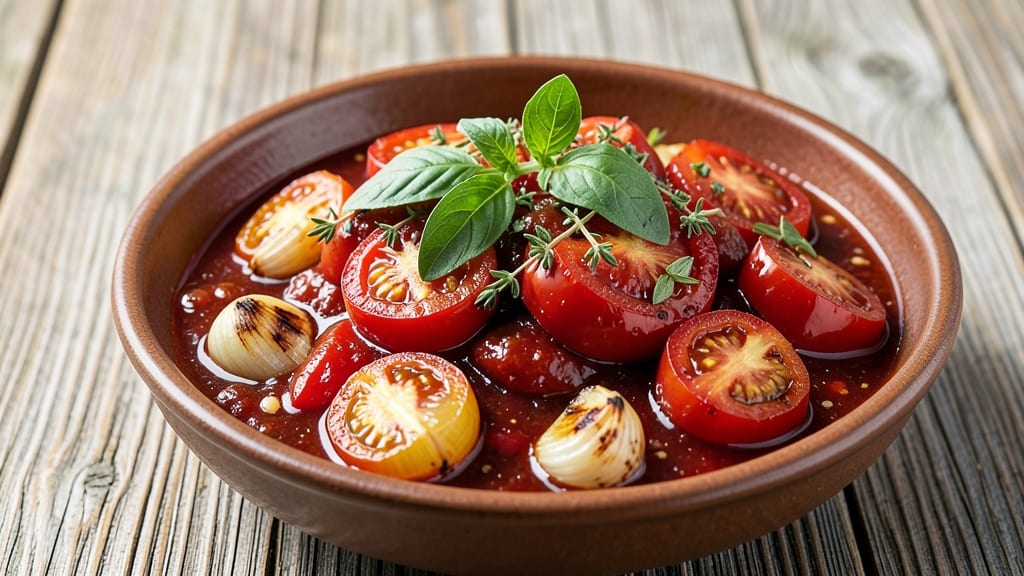
This freezer spaghetti sauce recipe with fresh tomatoes transforms summer's garden bounty into rich, vibrant flavor that lasts for months. The secret lies in balancing acidity and texture—fresh tomatoes, garlic, and herbs create a bright base that freezes beautifully without losing its depth.
I developed this recipe after years of testing, ensuring every batch delivers restaurant-quality sauce that tastes even better after thawing.
What makes this sauce truly special is its versatility and shelf stability. The acidity from tomatoes and lemon juice prevents freezer burn, while the slow simmer develops complex flavors that stand up to freezing.
You can customize it with ground meat, mushrooms, or even white beans, but the core technique remains the same—build flavor first, then preserve it properly. The result is a sauce that's perfect for busy weeknights or holiday gatherings.
By following this method, you'll achieve a sauce with perfect texture—smooth yet chunky, with tender tomatoes that hold their shape even after freezing. The aroma alone will transform your kitchen into an Italian trattoria, and the taste will remind you why homemade sauce is always better.
Whether you're prepping for winter or simply want to stock your pantry, this recipe delivers foolproof results every time.
Proper freezing techniques are critical—portion the sauce into airtight containers and remove as much air as possible. When reheating, bring it to a gentle simmer to restore that fresh-cooked quality.
The beauty of this recipe is that it becomes more flavorful with time, making it perfect for meal prepping and long-term storage. Let's get started on creating your freezer stash of vibrant tomato sauce.
Ingredients for freezer spaghetti sauce recipe with fresh tomatoes
Summer tomatoes, garlic, and herbs—just ten ingredients for sauce that freezes like a dream.
| Ingredient | Amount | Notes |
|---|---|---|
| Fresh Roma Tomatoes 🍅 | 3 lb | Ripe, firm, and vibrant red |
| Garlic Cloves 🧄 | 6 cloves | Peeled, roughly chopped |
| Extra-Virgin Olive Oil 🫒 | ½ cup | High-quality, fruity variety |
| Yellow Onion 🧅 | 1 whole | Diced, medium size |
| Fresh Basil Leaves 🌿 | 1 cup | Packed, stems removed |
| Fresh Oregano Leaves 🌿 | ½ cup | Packed, chopped |
| Lemon Juice 🍋 | 2 tbsp | Freshly squeezed |
| Kosher Salt 🧂 | 1 ½ tsp | Diamond Crystal preferred |
| Ground Black Pepper 🌶️ | ½ tsp | Freshly ground |
| Sugar 🍚 | 1 tsp | Balances acidity |
The tomatoes are everything. Roma tomatoes have the best texture—firm but tender—and they hold up beautifully after freezing. Hit the farmers market if you can, but grocery store Heinz Roma or Trader Joe's brands work too. Look for tomatoes that are heavy for their size and smell sweet at the stem. The basil and oregano? Fresh is non-negotiable here—dried just won't give you that bright, vibrant flavor. I always buy more than I need because I can't resist using the extras in salads or pasta. For the garlic, elephant garlic if you can find it—it's milder and adds a subtle sweetness that pairs perfectly with tomatoes. Store your fresh herbs wrapped in damp paper towels in a sealed container—they'll stay fresh for 5-7 days in the fridge.
No Roma tomatoes? Regular beefsteak tomatoes work in a pinch, but you'll need to remove the seeds and chop them smaller. Short on basil? Fresh parsley or cilantro at half the amount adds a nice brightness, though it changes the flavor profile slightly. The lemon juice is crucial—it keeps the sauce vibrant and prevents graying when frozen. If you're out, balsamic vinegar at half the amount works in a bind. For the sugar, it's not about sweetness—it's about balancing the acidity from the tomatoes and lemon. Skip it if your tomatoes are particularly ripe and sweet. And if you're worried about the olive oil separating after freezing, stir it back in when reheating—it'll blend right back in.
This sauce freezes like a champ. Let it cool completely, then portion into freezer-safe containers or silicone ice cube trays for single servings. Seal tightly and label with the date—it'll keep for up to 6 months in the freezer. When you're ready to use it, thaw overnight in the fridge or reheat directly from frozen on the stove over medium heat. The texture might be slightly thicker after freezing, so add a splash of water or broth if needed. I always make a double batch—one for the freezer and one to enjoy immediately. The fresh version is amazing, but the frozen one? It's the real MVP for busy nights—just as flavorful, with that deep, concentrated taste that makes you feel like you're eating at your favorite Italian restaurant.
Why You'll Love This Recipe
- No-Chop Shortcut: I swear by this—just halve those Roma tomatoes and dump them in whole. The skins soften into the sauce, and you skip the mess of peeling. (Yes, even on a Tuesday night.)
- Garlic-Basil Magic: That first sizzle of olive oil and garlic? Pure satisfaction. Fresh basil at the end—torn, not chopped—adds bright, herbaceous pops that jarred basil can’t touch.
- Freezer Hero: I make double batches, freeze in quart jars, and pull one out whenever. Thaws perfectly for weeknight dinners or company—no one guesses it’s been sitting frozen for months.
- Pantry Stretch: Roma tomatoes and onion bulk this up for next to nothing. A few cloves of garlic and a handful of basil turn it into something restaurant-worthy without breaking the bank.
Step-by-step instructions for freezer spaghetti sauce with fresh tomatoes
This vibrant sauce locks in summer's bright flavors for months—let's make it shine.
Roast the Tomatoes and Aromatics to Deepen Flavors
Preheat your oven to 425°F. Cut the 3 lb fresh Roma tomatoes in half crosswise and place them on a rimmed baking sheet, cut-side up. Add the 1 whole yellow onion, diced, and the 6 cloves garlic cloves, peeled and roughly chopped, around the tomatoes. Drizzle everything with the 0.5 cup extra-virgin olive oil and sprinkle with 1 tsp sugar and 1.5 tsp kosher salt. Roast for 25-30 minutes until the tomatoes collapse slightly and edges turn golden.
Here's the thing—roasting intensifies the tomato flavor and mellows their acidity. You'll smell that sweet, caramelized aroma when it's ready. The onions should be soft and translucent, and the garlic should be fragrant but not burned. If you notice any browned bits on the garlic, remove those pieces—they'll make the sauce bitter.
Blend the Roasted Mixture for Silky Texture
Transfer the roasted tomatoes, onions, and garlic to a blender or food processor. Add the 1 cup fresh basil leaves and 0.5 cup fresh oregano leaves. Pulse until the mixture is smooth but still has some texture—you want that rustic quality. With a wooden spoon, scrape down the sides to ensure everything gets blended evenly.
I like to leave it slightly chunky because that's where the real character comes from. If you prefer completely smooth sauce, blend longer, but don't overdo it—you'll lose that beautiful tomato essence. Taste the mixture now. It should be vibrant, slightly sweet, and tangy. If it needs more brightness, add 1 tbsp lemon juice now—you can always add more later if needed.
Simmer the Sauce to Develop Rich Depth
Pour the blended mixture into a large, heavy-bottomed pot. Add the 2 tbsp lemon juice, 0.5 tsp ground black pepper, and bring to a gentle simmer over medium heat. Let it cook uncovered for 30-40 minutes, stirring occasionally. You're looking for the sauce to reduce slightly and concentrate in flavor—it should coat the back of a spoon but still be loose enough to pour.
This simmering step is where the magic happens. The acidity from the lemon juice and tomatoes will mellow out, and the flavors will meld together beautifully. Stir occasionally to prevent sticking, but don't worry if it gets a little thick—we'll adjust that before freezing. The sauce should smell like a summer garden by the time you're done.
Adjust Seasoning and Prepare for Freezing
Taste the sauce again and adjust the seasoning. You might need a little more salt or pepper, or perhaps another splash of lemon juice to brighten it up. Once you're satisfied with the flavor, let the sauce cool completely to room temperature. This is crucial—hot sauce freezes with steam, which can create ice crystals and ruin the texture.
For best results, I like to strain the sauce through a fine-mesh sieve to remove any remaining herb stems or skin fragments. Transfer the cooled sauce to airtight freezer containers or heavy-duty freezer bags, leaving about 1 inch of headspace at the top since the sauce will expand as it freezes. Label with the date and contents—this sauce keeps its quality for up to 6 months in the freezer.
Thaw and Reheat for Perfect Texture
When you're ready to use your frozen sauce, transfer it to the refrigerator to thaw overnight. The next day, reheat the sauce gently in a saucepan over low heat, stirring occasionally. Don't rush this—you want to warm it through without letting it simmer too vigorously, which can make it break down. Once heated through, you can use it immediately with your favorite pasta.
This sauce is incredibly versatile—use it as is, or add cooked meatballs, sausage, or mushrooms when reheating. The bright tomato flavor will shine through, making every bowl of spaghetti feel like a taste of summer, no matter the season. And the best part? You'll have this delicious sauce ready whenever you need it, with minimal effort.
Pro Tips For Making Freezer Spaghetti Sauce Recipe With Fresh Tomatoes
- CRANK THE HEAT FIRST: Sear your onions and garlic in a dry pot over medium-high heat until the onions are golden and the garlic’s edges just start to brown—this builds flavor before the tomatoes even hit the pot. I used to simmer them gently, and the sauce always tasted flat; high heat unlocks the sweetness in onions and depth in garlic.
- SMASH THOSE TOMATOES: Don’t just chop Roma tomatoes—give them a good smash with your palm or the flat of a knife before adding them to the pot. This breaks down their skins and releases juices, making the sauce richer and smoother. (Yes, it looks messy, but your future self will notice the difference.)
- SALT THE TOMATOES BEFORE COOKING: Toss your chopped tomatoes with a generous pinch of salt (about ½ teaspoon per pound) and let them sit for 10 minutes while you prep the rest. This draws out excess water, which prevents a watery sauce later—especially important for freezing. (I learned this after thawing three batches of sad, diluted sauce.)
- STIR IN BASIL LATE: Add fresh basil leaves only in the last 5 minutes of cooking, or even after the sauce has cooled slightly. Basil burns fast and turns bitter, and you want its bright flavor to shine. If freezing, hold off until reheating—it’ll wake up the sauce like a fresh breath of air.
Perfect pairings for this freezer spaghetti sauce recipe with fresh tomatoes
Pasta Pairings
This vibrant sauce pairs perfectly with classic Italian pastas like spaghetti or linguine, where its bright tomato flavor can shine. I love tossing it with bronze-cut spaghetti from De Cecco—the texture contrast is unbeatable.
For a rustic touch, try pappardelle or fettuccine, which hold the sauce beautifully. If you're feeling adventurous, orecchiette or penne add fun shapes that trap the sauce in every bite. 🍝
Protein Additions
Transform this sauce into a heartier meal by adding cooked proteins when reheating. Italian sausage or ground beef (about ½ lb) browned and crumbled in creates a meaty depth. For vegetarians, white beans (½ cup) or mushrooms (8 oz, sautéed) add satisfying texture.
I often keep a batch of pre-cooked chicken meatballs on hand—just toss them in with the sauce when reheating for an instant meal. The sauce's acidity cuts through the richness beautifully.
Bread and Dips
Use this sauce as more than just a pasta topping—it's fantastic for dipping. Warm it slightly and serve with garlic bread, fresh crusty baguettes, or even grilled cheese sandwiches. I love spreading it on ciabatta with a sprinkle of Parmigiano-Reggiano for an open-faced appetizer.
The sauce also makes an excellent base for bruschetta—just spread it on toasted bread and top with fresh basil and a drizzle of extra-virgin olive oil. The flavors are so vibrant, they'll make any snack feel like a gourmet treat. 🥖
Breakfast Twists
Don't let the name fool you—this sauce is breakfast gold. Use it as a pizza sauce for weekend brunch pizzas, or spread it on English muffins with a fried egg on top. I've even used it in shakshuka by simmering eggs in the sauce with crumbled feta.
The bright tomato flavor balances perfectly with the richness of eggs, making it a weekend favorite. For a quick meal, mix it with scrambled eggs and serve over toasted sourdough—it's like a tomato omelet on steroids. 🍳
Global Variations
This versatile sauce adapts beautifully to global flavors. For a Mexican twist, stir in 1 tbsp chili powder and ½ tsp cumin before freezing, then use it as a base for tacos or enchiladas.
In Middle Eastern cuisine, add 1 tsp ground cumin and ½ tsp smoked paprika, then serve with grilled lamb chops or flatbread. The sauce's acidity makes it a fantastic base for marinades too—simmer it with olive oil and garlic for a quick grilled chicken marinade.
The possibilities are endless! 🌍
Dessert Surprises
Yes, you read that right—this sauce can even shine in desserts. Reduce it slightly with 1 tbsp brown sugar and use it as a glaze for roasted peaches or grilled pineapple.
I've drizzled it over vanilla ice cream with a sprinkle of flaky sea salt for a sweet-savory contrast that's surprisingly delicious. For a more traditional dessert, mix it with mascarpone cheese and spread it on brioche toast—it's like a tomato-based tiramisu.
The bright acidity cuts through the sweetness beautifully, creating a flavor profile you won't forget. 🍮
Nutrition facts
Frequently asked questions
Can I use canned tomatoes instead of fresh?
but fresh tomatoes give a brighter, more vibrant flavor that freezes beautifully. If using canned tomatoes, choose high-quality crushed or diced tomatoes (like Muir Glen or Whole Story) and reduce them by 1 cup since they're less watery. For extra depth, add 1 tbsp tomato paste to compensate for the lack of fresh tomato sweetness.
How do I prevent the sauce from getting watery after freezing?
Simmer the sauce longer (up to 45 minutes) to reduce moisture before freezing. Also, strain out excess liquid after blending and use a heavy-bottomed pot to prevent scorching. When reheating, simmer gently over low heat—never boil—to restore the perfect consistency.
What's the best way to reheat frozen sauce?
Thaw overnight in the fridge for best texture, then reheat on low heat with the lid slightly ajar. For quick use, transfer frozen sauce to a saucepan with 2 tbsp water and stir constantly over medium-low heat until just simmering. Never microwave—it creates a skin and uneven heating.
Can I add meat to this sauce before freezing?
Yes! Brown ½ lb ground beef, Italian sausage, or chicken breast first, then mix with the sauce before freezing. For best results, cook the meat separately and add it when reheating—this prevents soggy texture. If adding before freezing, ensure the meat reaches 165°F before combining with the sauce.
Will the sauce separate after thawing?
Minor separation is normal, but simply stir vigorously over low heat to recombine. The olive oil may float to the top—just stir it back in. If the sauce is too thick after thawing, add 1-2 tbsp water or broth while reheating. The texture will normalize as it warms.