
Sauces & Condiments
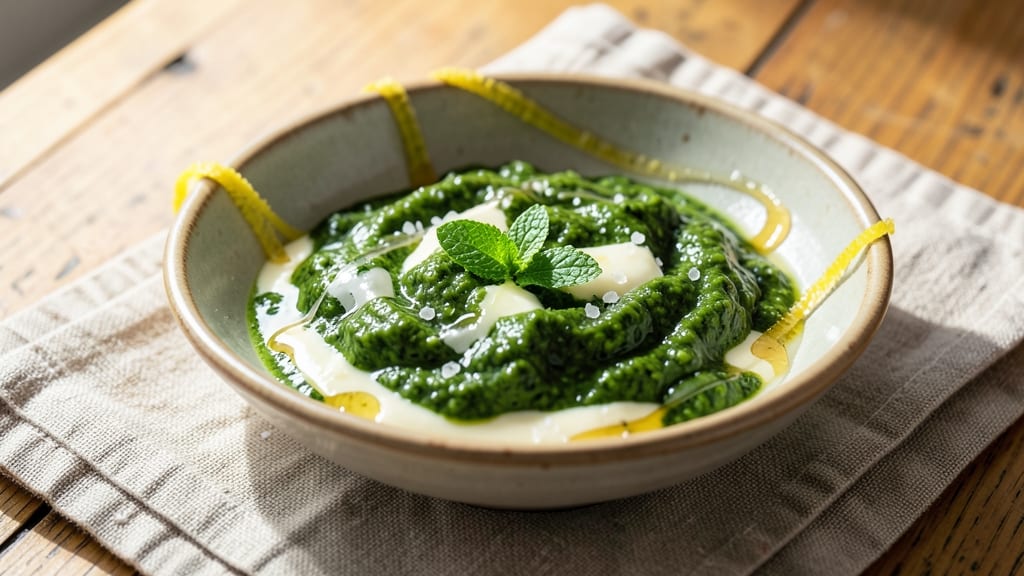
This British mint sauce recipe transforms simple ingredients into a vibrant, tangy condiment that elevates roasted lamb, grilled vegetables, and even summer salads.
The secret lies in balancing fresh mint with sharp vinegar and just enough sugar to round out the acidity—no bitterness, just bright, herbaceous flavor that cuts through rich meats.
What sets this sauce apart is its versatility and simplicity: no cooking required, just chopping and steeping. The mint leaves infuse the vinegar-sugar mixture while still fresh, creating a lively green color and a refreshing aroma that instantly brightens any dish.
I’ve perfected this recipe over years of Sunday roasts—it’s the kind of sauce that disappears faster than you can say "second helping."
The result is a smooth, slightly thickened sauce with a perfect balance of sweet, tart, and herbal notes. It clings beautifully to roasted lamb chops or pairs wonderfully with grilled asparagus.
The best part? It keeps well in the fridge for up to a week, so you can make a batch ahead and enjoy it all season long.
Whether you're hosting a dinner party or simply craving a classic British touch, this mint sauce delivers restaurant-quality flavor with minimal effort. Ready to make it? Here’s everything you’ll need.
Ingredients for british mint sauce
Eight ingredients, five minutes—this vibrant sauce transforms roasted lamb into a showstopper.
| Ingredient | Amount | Notes |
|---|---|---|
| Fresh Mint Leaves 🌿 | 1 cup | Bright green, stems removed |
| White Wine Vinegar 🍷 | ½ cup | Dry, not sweetened |
| Granulated Sugar 🍚 | ¼ cup | White or light brown |
| Unsalted Butter 🧈 | 2 tbsp | Cold, cubed for texture |
| Sea Salt 🧂 | ½ tsp | Fine grain preferred |
| Fresh Lemon Juice 🍋 | 1 tbsp | Freshly squeezed |
| Heavy Cream 🥛 | ¼ cup | Full-fat for richness |
| Honey 🍯 | 1 tbsp | Wildflower preferred |
The mint is non-negotiable here. Grab the freshest bunch you can find—look for stems that snap easily and leaves with a bright, grassy aroma. Whole Foods or local farmers' markets usually have the best quality. Avoid wilted leaves or those with brown spots. For the vinegar, Bragg's apple cider vinegar adds a subtle sweetness, but classic white wine vinegar works perfectly too. The sugar should be fine white granulated—no need to splurge on specialty varieties. If you're short on time, Trader Joe's sells pre-packed mint leaves that work in a pinch, though fresh is always better.
No fresh mint? Dried mint at half the amount will get you close, though the flavor won't be as vibrant. Running low on vinegar? Lemon juice plus a pinch of sugar mimics the tang. The butter adds a luxurious creaminess—use European-style butter if you want extra richness. For a lighter version, swap the heavy cream for Greek yogurt at double the amount. The honey rounds out the acidity, so if you're avoiding it, maple syrup works beautifully. Pro tip: Taste as you go—the sauce should balance sweet, tart, and herbal notes perfectly.
This sauce keeps beautifully in an airtight jar for up to 7 days in the fridge. The texture thickens as it sits, so give it a quick whisk before serving. For longer storage, freeze portions in ice cube trays—just thaw and whisk before use. The butter cubes add a lovely texture, but if you prefer a smoother sauce, melt the butter first. Double the batch if you're hosting—it disappears fast, especially with roasted lamb or grilled vegetables.
Why You'll Love This Recipe
- Five-Ingredient Magic: I swear by this recipe because it’s that simple—just mint, vinegar, sugar, butter, and salt. No fancy gadgets, no stress, and no measuring cups that make you question your life choices. Honestly, I’ve made it while waiting for lamb to roast, and it still came out perfect.
- Bright & Tangy: That balance of sharp vinegar and sweet butter? It’s a flavor explosion. The fresh mint cuts through richness like a cool breeze, and the salt ties everything together. Here’s what sold me—it’s the kind of sauce that makes you reach for seconds, even if you’re not hungry.
- Leftover Hero: This sauce keeps like a champ in the fridge for up to a week, and it only gets better as the flavors meld. I’ve used it on roasted veggies, grilled chicken, even as a drizzle for tacos. Not the prettiest in a jar, but trust me, it’s the unsung MVP of your pantry.
- Budget-Friendly Flex: White wine vinegar and butter are pantry staples, and a small bunch of mint goes a long way. Between us, this is the kind of recipe that makes me feel fancy without breaking the bank. Plus, it’s the perfect way to use up wilted mint before it goes bad.
Step-by-step instructions for British mint sauce
This vibrant sauce comes together in minutes with just a few simple techniques.
Blend the Mint and Vinegar Base
In a blender or food processor, combine the 1 cup fresh mint leaves with the 0.5 cup white wine vinegar. Pulse until the mint is finely chopped but not completely puréed—you want visible texture for that classic British look. Here's the thing: if you blend too finely, the sauce loses its signature speckled appearance. I like to give it about 10-15 pulses until it's smooth but still shows flecks of green.
Transfer the mixture to a medium saucepan and place it over medium heat. Bring to a gentle simmer, then reduce heat to low and let it cook for 5 minutes. This step develops the flavors and helps the vinegar's acidity mellow slightly. You'll notice the aroma become more complex—bright, herbal, with a touch of sweetness from the mint's natural oils.
Sweeten and Season the Mixture
While the mint-vinegar mixture simmers, add the 0.25 cup granulated sugar and 0.5 teaspoon sea salt. Stir constantly for 2-3 minutes until the sugar dissolves completely. The sauce should look glossy and slightly thickened. Here's where it gets interesting: if you taste it now, you'll notice the balance between the vinegar's sharpness and the sugar's sweetness. This is the foundation of the flavor profile.
Next, stir in the 1 tablespoon fresh lemon juice and 1 tablespoon honey. The lemon brightens the sauce with a citrus tang, while the honey adds depth and smooths out any remaining acidity. Simmer for another 3-4 minutes until the mixture is fully incorporated and slightly reduced. You're aiming for a consistency that coats the back of a spoon but isn't syrupy.
Incorporate the Cream and Butter
Remove the saucepan from heat and let the mixture cool slightly for 2-3 minutes. This prevents the heavy cream from curdling when added. Then, whisk in the 0.25 cup heavy cream and 2 tablespoons cold unsalted butter, cubed. The butter should melt into the sauce, creating a luxurious, velvety texture. If you add the butter too quickly, it might separate—whisk gently to ensure everything blends smoothly.
Return the sauce to low heat and warm through for 1-2 minutes, stirring constantly. The sauce should now have a rich, creamy consistency with a beautiful emerald-green hue. If it thickens too much, add 1-2 teaspoons of water to loosen it slightly. The goal is a sauce that drizzles elegantly over roasted lamb or vegetables without being too heavy.
Rest and Adjust the Flavor
Transfer the sauce to a bowl and let it rest at room temperature for 10-15 minutes. This allows the flavors to meld and the sauce to reach its ideal consistency. Taste and adjust the seasoning if needed—add a pinch more salt if it's too mild, or a splash of lemon juice if it needs more brightness. The sauce should balance sweet, tangy, and herbal notes with a creamy finish.
For the best results, serve the sauce immediately over roasted lamb, grilled vegetables, or as a drizzle for new potatoes. If you need to store it, transfer to an airtight container and refrigerate for up to 3 days. The flavors actually improve slightly after resting, so if you're making it ahead, let it sit at room temperature for 10 minutes before serving to bring out its full potential.
Pro Tips For Making British Mint Sauce
- STACK THE MINT: Use at least 1 cup of mint leaves—packed tightly. I learned this the hard way: skimping on leaves makes the sauce taste like vinegar punch. If your bunch is wimpy, add another handful; the flavor pays off.
- BLEND UNTIL SMOOTH: Run the blender until the sauce is completely silky—no pulpy bits. I used to stop when it looked "fine," but those tiny chunks make the sauce feel unfinished. Hit pulse a few times, then blend continuously for 10-15 seconds.
- SALT THE BUTTER: Add the salt to the butter before melting it, not the sauce. This ensures even distribution—no clumpy salt at the bottom. Trust me, your spoon will thank you.
- CHILL BEFORE SERVING: Let the sauce sit at room temp for 10 minutes after blending. This lets the flavors meld and the butter emulsify properly. Skipping this step makes it taste raw and uneven. (Yes, even if you're impatient like me.)
Creative variations of this dish
Herb-Infused Twist
Swap half the mint for fresh tarragon or basil to create a herbaceous variation that pairs beautifully with grilled chicken or fish. I love adding 1 tbsp finely chopped tarragon for a licorice-like depth, or ½ cup basil for a sweeter, more aromatic profile.
The key is balancing the herbs—too much can overpower the vinegar’s brightness. 🌿
Sweet and Tangy Adaptation
For a fruitier twist, replace the honey with 1 tbsp raspberry jam or 2 tbsp apricot preserves. This adds a subtle berry sweetness that complements roasted pork or duck.
I’ve also experimented with 1 tsp orange zest for a citrusy brightness—it’s a game-changer for seafood dishes. Adjust the sugar to ¼ cup if using jam to avoid over-sweetening.
Dairy-Free Version
Skip the butter and heavy cream, then stir in ¼ cup coconut cream and 2 tbsp tahini for a rich, dairy-free alternative. The tahini adds a nutty depth, while the coconut cream keeps the sauce velvety.
This works perfectly with vegetarian mains like grilled halloumi or roasted vegetables. For extra creaminess, whisk in 2 tbsp Greek yogurt at the end.
Spicy Kick
Add ½ tsp smoked paprika or 1 tsp chili flakes for a spicy-sweet contrast that’s ideal for lamb or spicy sausages. I like to toast the spices in the saucepan for 30 seconds before adding the vinegar to deepen their flavor.
For a smoky touch, swap the white wine vinegar for balsamic vinegar—it adds complexity without overpowering the mint.
Thicker or Thinner
Need a thicker sauce for dipping? Reduce the liquid by simmering uncovered for 5 extra minutes or whisk in 1 tsp cornstarch mixed with 1 tsp water. For a lighter drizzle, add 1 tbsp water or lemon juice to loosen the consistency.
I often adjust this when serving over delicate dishes like asparagus or green beans.
Nutrition facts
Frequently asked questions
What's the best way to store leftover mint sauce?
Transfer the sauce to an airtight container and refrigerate for up to 7 days. The flavors actually deepen as it rests! For longer storage, freeze portions in ice cube trays—just thaw and whisk before using. Always let it come to room temperature before serving to restore its silky texture.
Can I make this sauce without a blender?
Finely chop the mint leaves by hand with kitchen shears, then muddle them in a bowl with the vinegar using the back of a spoon. Strain through a fine-mesh sieve if you prefer a smoother texture. The flavor will still be vibrant, though the texture will be slightly chunkier.
What's the ideal pairing for this mint sauce?
This sauce shines with roasted lamb (especially mint lamb), but it also works beautifully with grilled chicken, fish, or even as a drizzle for roasted vegetables. For a British classic, try it with Yorkshire puddings or new potatoes. The creamy texture balances rich meats perfectly.
Why does my sauce look too thin or too thick?
If it's too thin, simmer uncovered for 3-5 extra minutes to reduce the liquid. For thickness, whisk in 1 tsp cornstarch mixed with 1 tsp water. The ideal consistency should coat the back of a spoon but still drizzle easily. Adjust gradually—you can always thin it later with water or lemon juice.
Can I use dried mint instead of fresh?
Yes, but use only half the amount (about ½ cup dried mint for 1 cup fresh). Dried mint is more concentrated, so it can easily overpower the sauce. Steep it in warm vinegar for 10 minutes before straining to extract maximum flavor. The color will be less vibrant, but the taste will still be delicious.