
Sauces & Condiments
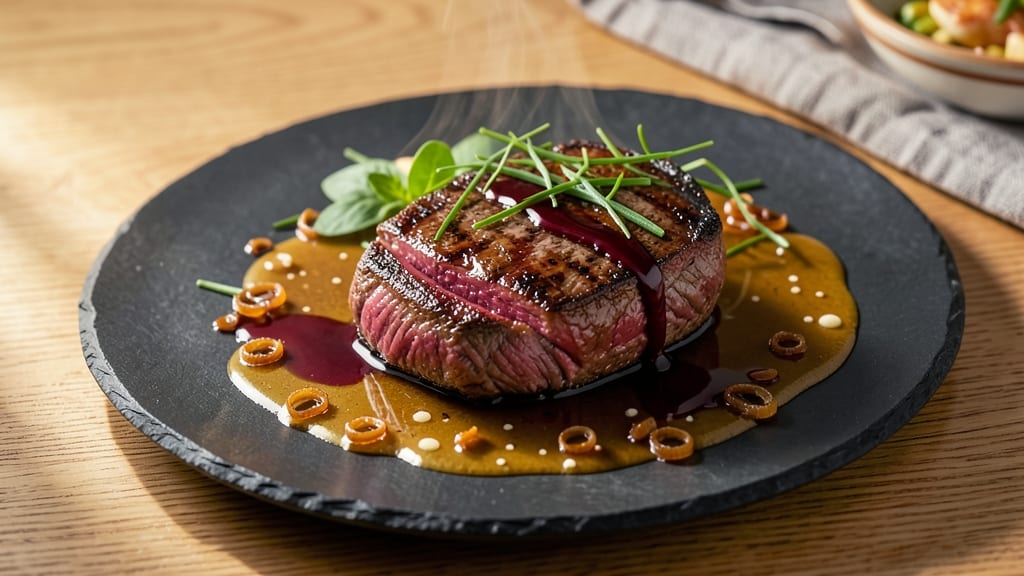
This brandy sauce recipe transforms simple steak into an elegant centerpiece with its deep caramelized richness and warm boozy notes. The secret lies in slow reduction—simmering brandy, butter, and shallots until the flavors meld into a velvety glaze that clings beautifully to seared meat.
I developed this sauce after years of testing, ensuring every spoonful delivers that perfect balance of sweetness, acidity, and smoky depth.
What sets this sauce apart is its versatility—it works equally well with grilled, pan-seared, or even slow-cooked steaks. The process is straightforward: start with a classic shallot base, deglaze with brandy, and finish with beef stock and butter for a luxurious texture.
The key is patience; letting the sauce reduce gradually builds layers of flavor that bottled versions simply can't match.
By the time you drizzle this sauce over perfectly cooked steak, you'll taste the caramelized shallots, the warmth of the brandy, and the umami richness of the beef stock—all coming together in a sauce that's both impressive and foolproof.
It pairs wonderfully with red wine, aged cheddar, or even a sprinkle of fresh thyme for extra elegance.
Make a double batch—this sauce keeps beautifully in the fridge for up to a week, making it perfect for meal prep or entertaining. The leftovers only get better as the flavors continue to develop. Let's create this sauce that will elevate your steak dinners to restaurant-quality.
Ingredients for brandy sauce recipe for steak
Nine ingredients, one luxurious sauce—elevate your steak game effortlessly.
| Ingredient | Amount | Notes |
|---|---|---|
| Shallots 🧅 | ½ cup | Finely minced for sweetness |
| Brandy 🍷 | ½ cup | Good quality, 80-proof minimum |
| Unsalted Butter 🧈 | ½ cup | Cold, cut into small cubes |
| Beef Stock 🍲 | 1 cup | Homemade or high-quality store-bought |
| Heavy Cream 🥛 | ¼ cup | Full-fat for richness |
| Red Wine Vinegar 🍋 | 1 tbsp | For acidity balance |
| Granulated Sugar 🍬 | 1 tbsp | For caramelization |
| Fresh Thyme Leaves 🌿 | ¼ cup | Or 1 tbsp dried thyme |
| Salt 🧂 | ½ tsp | Diamond Crystal preferred |
| Freshly Ground Black Pepper 🌶️ | ¼ tsp | Freshly cracked preferred |
Shallots are the flavor foundation here—fresh, sweet ones make all the difference. Grab a small bag from Whole Foods or your local market; they usually have pre-minced ones if you're short on time. The brandy should be 80-proof or higher—cheap stuff won't caramelize properly. I always use Korbel for consistency, but any good quality brandy works. For the beef stock, homemade is ideal, but Swanson's or Pacific Foods are solid store-bought options if you're in a pinch. The butter? Cold cubes melt beautifully—don't skip this step, trust me on the full-fat version.
No brandy? Substitute with apple cider or even more beef stock, but you'll lose that signature boozy depth. Heavy cream can be swapped for half-and-half if you're watching calories, though the sauce won't be quite as rich. Running out of fresh thyme? Dried works at one-third the amount, but fresh is worth hunting down at the grocery store's produce section. The sugar might seem odd, but it's essential for that caramelized depth—brown sugar works too if you're out of white. For a quicker version, use 1 tbsp of honey instead, though it'll add a different floral note.
This sauce gets better with time—make a double batch and keep it in the fridge for up to 1 week. Store it in a sealed jar with a layer of butter on top to preserve freshness. Reheat gently on the stove, stirring occasionally. The sauce thickens as it cools, so add a splash of warm water if it's too stiff when reheating. Freezes beautifully for up to 3 months—just thaw in the fridge overnight. The leftovers make an amazing sandwich spread too, if you're feeling fancy.
Why You'll Love This Recipe
- No Chopping Needed: I swear by this—just dice those shallots once, and you’re done. The brandy caramelizes in minutes, so no standing over the stove for hours.
- Rich Without Effort: That butter and cream combo? Silky smooth. The brandy adds depth, but honestly, even if you skip it, the beef stock and shallots make it solid.
- Leftovers That Shine: Double the sauce, halve the work. It reheats like a dream—just a splash of cream if it thickens—and tastes just as good on day two as it does fresh.
- Weeknight Steak Hero: Seared steak + this sauce = dinner in 45 minutes. No fancy plating, no stress. My go-to when I’m too tired to think past "feed the family."
Step-by-step instructions for brandy sauce for steak
Here's how to create a velvety, brandy-infused sauce that elevates every steak.
Sauté Shallots Until Translucent
Melt the 0.5 cup unsalted butter in a medium saucepan over medium-low heat. Add the 0.5 cup finely minced shallots and cook for 5-6 minutes, stirring occasionally. You're aiming for a gentle golden color—not brown—so keep the heat controlled. The shallots should soften and become translucent, releasing their natural sweetness.
If they start to darken too quickly, reduce the heat slightly. This step builds the aromatic foundation of your sauce, so don't rush it. The butter should foam gently but not brown. Once the shallots are tender and fragrant, you're ready for the next ingredient.
Deglaze with Brandy and Reduce
Carefully pour in the 0.5 cup brandy—I like to do this away from the heat for a moment to avoid flaming. Then return the pan to the heat and let the brandy simmer for 3-4 minutes until reduced by about half. You'll notice the alcohol burn off, leaving behind rich, caramelized notes.
Stir in the 1 tbsp granulated sugar and 1 tbsp red wine vinegar next. Let this mixture cook for another 2 minutes until the sugar begins to caramelize slightly. This adds depth and balances the sauce's acidity. The liquid should reduce enough to coat the back of a spoon—this is your signal to move forward.
Build the Sauce with Stock and Thyme
Pour in the 1 cup beef stock and bring the mixture to a gentle simmer. Add the 0.25 cup fresh thyme leaves, 0.5 tsp salt, and 0.25 tsp freshly ground black pepper. Let it simmer uncovered for 8-10 minutes until the liquid reduces by about one-third. The sauce should thicken slightly but remain silky.
Here's where the magic happens: the thyme infuses its earthy aroma, while the stock deepens the umami flavor. Taste as you go—adjust the seasoning if needed. If the sauce thickens too much, whisk in a splash of water or stock to loosen it. You want a balance between richness and fluidity.
Finish with Cream for Velvety Texture
Reduce the heat to low and stir in the 0.25 cup heavy cream. Let the sauce simmer gently for 3-4 minutes until it thickens to a luxurious consistency. The cream should blend seamlessly, creating a glossy, velvety finish. Avoid boiling—the cream can curdle if the heat gets too high.
Strain the sauce through a fine-mesh sieve to remove any thyme stems, if desired. This step ensures a smooth, elegant texture perfect for drizzling over steak. The sauce should coat the back of a spoon and cling beautifully to your steak, enhancing every bite with its rich, boozy depth.
Serve Immediately
Keep the sauce warm over low heat or transfer it to a small saucepan to maintain its temperature. Serve it immediately alongside your steak, drizzling generously over each portion. The brandy's warmth and the caramelized shallots create a perfect contrast to the smoky, charred flavors of the steak.
For extra drama, garnish with a sprinkle of fresh thyme leaves or a pinch of flaky sea salt. This sauce pairs beautifully with medium-rare cuts like ribeye or filet mignon, but it also works wonders with grilled chicken or even roasted vegetables. Enjoy it while warm for the best experience!
Pro Tips For Making Brandy Sauce Recipe For Steak
- SWEEAT SHALLOTS LOW: I learned this the hard way—dumping raw shallots into butter and walking away. Instead, cook them over medium-low heat until translucent (about 5 minutes), stirring occasionally. They’ll caramelize properly without burning, and your sauce won’t taste like you charred the kitchen.
- DEGLAZE WITH BRANDY: Pour the brandy after the shallots are soft, not before. Let it hit the pan for 10 seconds—just enough to sizzle—then add stock. This creates a richer, deeper flavor than just tossing it in cold. (Yes, even if you’re impatient like me.)
- STIR IN CREAM OFF HEAT: Heavy cream curdles faster than you think. After reducing the stock-butter mix, remove the pan from heat before adding the cream, then stir gently. If it thickens too fast, whisk in a splash of cold stock to cool it down.
- USE COLD BUTTER: Cut unsalted butter into chunks and add it last, off the heat. It melts slowly, emulsifying the sauce smoothly without breaking it. (I skip this when I’m lazy, but the sauce is noticeably better when I don’t.)
Troubleshooting perfect results
Sauce Too Thin?
If your sauce isn't thickening enough, reduce the heat to low and simmer uncovered for an extra 5-10 minutes. The alcohol and liquid will continue to evaporate, concentrating the flavors.
For a quicker fix, make a cornstarch slurry (1 tsp cornstarch + 1 tbsp cold water), whisk it in, and cook for 1-2 minutes until thickened. Just don't overdo it—this sauce should glide, not clump. 🔥
Sauce Too Thick?
If your sauce is stubbornly thick, whisk in 1-2 tablespoons of warm beef stock or water, a little at a time, until it reaches a smooth, pourable consistency. Avoid adding too much liquid at once—this sauce should coat the back of a spoon but still flow gracefully.
For a richer fix, stir in an extra 1 tablespoon of cold butter, which will melt and lighten the texture beautifully.
Brandy Not Caramelizing?
If your brandy isn't developing that rich, caramelized depth, you might be rushing the reduction. After adding the brandy, let it simmer uncovered for 4-5 minutes until it reduces by half and the alcohol burns off completely.
For extra depth, add ½ teaspoon of brown sugar alongside the granulated sugar—this helps create those coveted caramelized notes that make this sauce sing. 💫
Sauce Curdled or Grainy?
Curdling usually happens when the cream gets too hot. If this occurs, immediately remove the pan from heat and whisk in 1 tablespoon of cold butter, which will help stabilize the sauce.
For a smoother finish, strain the sauce through a fine-mesh sieve to remove any lumps or thyme stems. If the texture is still off, whisk in 1 tablespoon of warm heavy cream to restore its velvety consistency.
Weak Flavor Profile?
If your sauce tastes flat, it might need more depth. Boost the umami by adding ½ teaspoon of Worcestershire sauce or 1 teaspoon of fish sauce during the stock simmering phase.
For a brighter finish, stir in ½ teaspoon of Dijon mustard or an extra splash of red wine vinegar to cut through any richness. A pinch of smoked paprika or black pepper can also add complexity without overpowering.
Sauce Separating?
Separation happens when the sauce isn't emulsified properly. To fix it, whisk vigorously while heating over low heat until the sauce smooths out. If that doesn't work, whisk in 1 tablespoon of cold butter or 1 teaspoon of cornstarch slurry to help bind the ingredients.
For prevention, always add the cream off the heat or at the very lowest simmer to avoid breaking the emulsion. ✨
Nutrition facts
Frequently asked questions
Can I substitute brandy with another alcohol?
Yes, but the flavor will change. For a similar boozy depth, use apple cider or white wine (reduce by half before adding). For a non-alcoholic version, try apple juice or extra beef stock—just add 1 teaspoon vanilla extract to mimic brandy's warmth. The sauce will taste different but still delicious!
How long does this sauce keep in the fridge?
This sauce stays fresh for up to 1 week when stored in an airtight container. For extra longevity, cover the surface with a layer of cold butter before sealing. Reheat gently on low heat, stirring occasionally—never microwave, as it can break the emulsion and make the sauce grainy.
What steak cuts work best with this sauce?
This sauce pairs perfectly with medium-rare cuts like ribeye, filet mignon, or strip steak. The rich, velvety texture complements the steak's natural juices without overpowering. For thicker cuts (like tomahawk), let the sauce reduce slightly longer to create a thicker glaze that clings beautifully. Even grilled chicken or portobello mushrooms shine with this sauce!
Why does my sauce taste too sweet or acidic?
Balance is key! If it tastes too sweet, add 1-2 teaspoons of red wine vinegar or lemon juice to cut through. For excessive acidity, stir in ½ teaspoon of brown sugar or a pinch of salt. Taste as you go—adjust gradually. The sugar and vinegar should work together to create harmony, not dominance.
Can I make this sauce ahead of time?
This sauce actually improves overnight as the flavors meld. Make it a day ahead and reheat gently before serving. For even better results, let it sit at room temperature for 30 minutes before reheating to wake up the aromas. Pro tip: Store it in a jar with a butter seal to preserve freshness and prevent skin formation.