
Sauces & Condiments
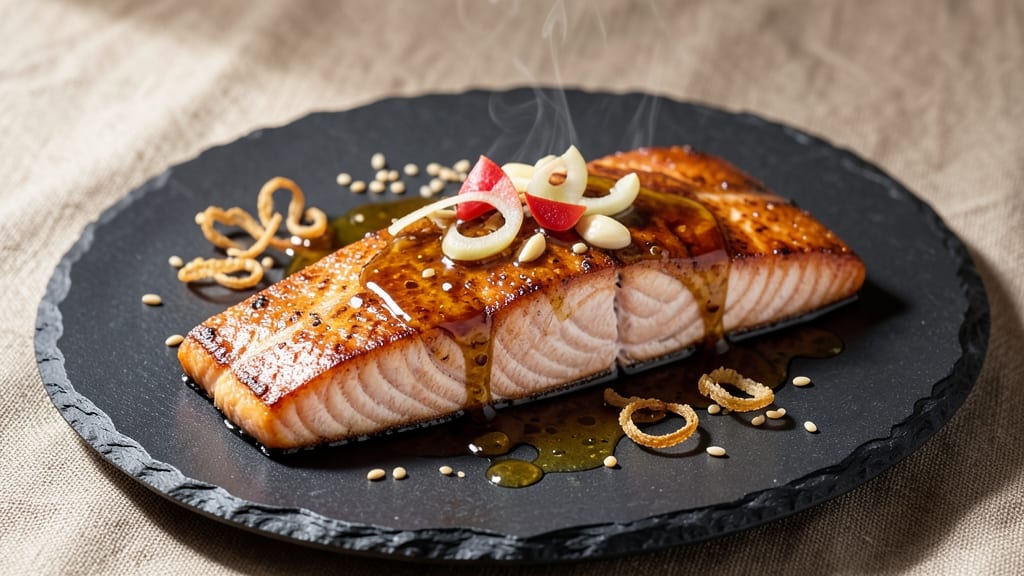
This honey-soy glaze with umami depth is the this Asian salmon sauce recipe that transforms simple salmon into a restaurant-worthy centerpiece—rich, glossy, and packed with balanced sweetness and savory complexity. 🔥 The secret lies in a slow simmer that melds soy sauce, honey, and aromatics into a velvety sauce that clings perfectly to flaky salmon, while fish sauce and ginger add that signature Asian depth you can't find in store-bought versions.
What makes this sauce special is its versatility and foolproof technique—no complicated emulsions or last-minute adjustments. Just combine five simple ingredients in a saucepan, reduce until thickened, and let the flavors develop over 10 minutes of gentle cooking.
The result? A glossy, sticky sauce that caramelizes slightly on the stovetop, creating layers of flavor that elevate even the most basic salmon fillet.
This sauce isn't just for salmon—it works beautifully with chicken, tofu, or even drizzled over steamed vegetables for extra depth. The perfect balance of sweet, salty, and umami ensures every bite is satisfying, while its quick preparation makes it ideal for weeknight dinners or meal prep.
Once you taste the difference between this homemade version and bottled sauces, you'll never go back.
The best part? It keeps well in the fridge for up to 5 days, so you can make a big batch and use it all week. Whether you're grilling, baking, or pan-searing, this sauce delivers restaurant-quality results with minimal effort. Let's get started on creating your new go-to glaze.
Ingredients for asian salmon sauce
Five simple ingredients transform into a restaurant-worthy glaze that clings perfectly to salmon.
| Ingredient | Amount | Notes |
|---|---|---|
| Light Soy Sauce 🍶 | ½ cup | High-quality, low-sodium preferred |
| Honey 🍯 | ⅓ cup | Pure, unprocessed honey |
| Fish Sauce 🐟 | 2 tbsp | Red Boat preferred for quality |
| Fresh Ginger 🧅 | 1 tbsp | Finely grated, fresh is best |
| Garlic Cloves 🧄 | 3 cloves | Minced, fresh preferred |
| Sesame Oil 🫒 | 1 tbsp | Toasted, for aroma |
| Rice Vinegar 🍶 | 1 tbsp | White or seasoned |
| Cornstarch 🌾 | 1 tsp | For thickening |
| Water 💧 | 2 tbsp | For cornstarch slurry |
The soy sauce is the backbone here—Kikkoman or Pearl River Bridge are my go-tos, but any good-quality light soy works. Fish sauce adds that signature umami depth, so don’t skimp—Red Boat is worth the splurge for its clean, robust flavor. Fresh ginger and garlic are non-negotiable for authentic taste, but if you must use dried, double the amount. Honey should be pure, unprocessed—Manuka or clover both work beautifully. Toasted sesame oil adds aroma and richness, but use sparingly—it's potent stuff.
No fish sauce? Extra soy sauce plus a pinch of MSG gets you close. Substituting honey? Maple syrup or agave work in a pinch, but the flavor won’t be identical. Dried ginger and garlic powder are fine, but fresh is always better. If you’re out of rice vinegar, apple cider vinegar works too—just reduce the amount slightly. The cornstarch slurry is key for that glossy finish, so don’t skip it. For a smoother sauce, blend everything before simmering.
This sauce keeps beautifully in the fridge for up to 5 days in an airtight container. If it thickens too much, just stir in a splash of water. Freezes well for 3 months if stored in ice cube trays—perfect for single-use portions. Double the batch and store it for quick weeknight meals. The flavors actually improve after the first day as everything melds together.
Why You'll Love This Recipe
- Five-Ingredient Magic: I swear by this combo—soy, honey, fish sauce, ginger, and garlic. That’s it. No fancy pantry tours or last-minute grocery runs. Honestly, I keep all of it on hand just for this sauce.
- Umami Bomb: The fish sauce and soy sauce team up to deliver that deep, savory punch, while the honey balances it with just the right sweetness. That first bite? Crispy salmon with a glossy glaze that sticks to your ribs.
- Weeknight to WOW: Drizzle it over rice bowls, toss with noodles, or slather it on grilled salmon for dinner guests. (Yes, even on a Tuesday night.) It’s my go-to when I need something that feels special but doesn’t require a Pinterest-perfect plate.
- Leftovers That Shine: Make a double batch—this sauce keeps for days in the fridge. Use it to jazz up leftover chicken, stir-fry veggies, or even drizzle over eggs the next morning. Budget-friendly and always delicious.
Step-by-step instructions for honey-soy glazed salmon
This sauce delivers perfect balance—sweet, tangy, and packed with umami depth.
🍳 Step 1: Build the Flavor Base
In a small saucepan, combine the 0.5 cup light soy sauce, 0.33 cup honey, and 2 tbsp fish sauce over medium heat. Stir constantly for 3-4 minutes until the mixture begins to simmer gently—you'll see tiny bubbles forming along the edges. This is where the magic starts.
The honey will begin to dissolve into the soy sauce, creating a glossy foundation. I like to taste at this stage—it should be sweet, salty, and slightly funky from the fish sauce. If you're using high-quality ingredients, you'll already notice the depth of flavor developing. Keep the heat at medium; too high and the delicate aromatics will burn before they release.
🍳 Step 2: Infuse with Aromatics
Add the 1 tbsp finely grated fresh ginger and 3 minced garlic cloves to the simmering sauce. Stir for 1-2 minutes until the garlic turns translucent and the ginger softens slightly—you'll smell that bright, zesty aroma that instantly elevates the sauce. The garlic should smell pungent but not burnt.
Here's the thing—ginger and garlic are heat-sensitive. If you see the sauce darken too quickly, reduce the heat to low and let it gently infuse. The sauce should bubble quietly, not boil vigorously. This step ensures your sauce has that complex, layered flavor that makes it restaurant-worthy.
🍳 Step 3: Add Depth with Sesame and Vinegar
Remove the pan from heat and stir in the 1 tbsp toasted sesame oil and 1 tbsp rice vinegar. The sesame oil will add a nutty aroma, while the vinegar introduces a bright acidity that cuts through the sweetness. Give it a good stir—you'll notice the sauce immediately becomes more vibrant in color and smell.
This is where the sauce comes together. The vinegar might make the sauce look slightly cloudy at first, but don't worry—it will clear up as you bring it back to a simmer. Taste again now; you should experience a perfect balance of sweet, salty, umami, and tangy. If it needs more depth, add another ½ teaspoon fish sauce—but usually, this combination hits the sweet spot.
🥘 Step 4: Thicken to Perfection
In a small bowl, whisk together the 1 tsp cornstarch and 2 tbsp water until completely dissolved. This creates a smooth slurry that will gently thicken your sauce without making it gluey. Return the saucepan to medium heat and slowly pour in the cornstarch mixture while stirring constantly.
Watch carefully as the sauce thickens—it should take about 1-2 minutes to reach a glossy, syrupy consistency that coats the back of a spoon. You're aiming for a sauce that's thick enough to cling beautifully to salmon but still flows smoothly. If it thickens too quickly, add 1 tablespoon water to loosen it. The sauce should be at a gentle simmer, not boiling.
⏰ Step 5: Rest and Finish
Remove the sauce from heat and let it rest for 5 minutes. This allows the flavors to meld completely and the sauce to reach its ideal consistency. The resting period is crucial—it prevents the sauce from continuing to thicken once it's poured over your salmon, which could make it too stiff.
Before using, give the sauce one final taste and adjust seasoning if needed. A pinch of salt might help balance the flavors, or a splash more rice vinegar could enhance the brightness. The sauce should be glossy, aromatic, and ready to transform your salmon into a showstopper. Use it immediately for best results—this sauce doesn't keep well once thickened.
Pro Tips For Making Asian Salmon Sauce
- Simmer Slowly: This sauce isn’t a race—after adding garlic and ginger, let it bubble gently for at least 3-4 minutes. I used to rush it and end up with raw garlic bits that tasted like a punch to the mouth. Low heat keeps the fish sauce from turning bitter and lets the honey caramelize properly.
- Grind Ginger Fine: Skip the big chunks or thin slices—use a microplane or finely grate the ginger so it dissolves completely. I learned this the hard way when I had to strain out stubborn fibers that made the sauce look like it had texture issues. No one wants to chew their glaze.
- Balance the Fish Sauce: Taste as you go—fish sauce is potent, and honey can mask its depth. Start with half the amount listed, simmer, then add the rest if needed. I once ruined a batch by dumping it all in at once and ended up with something that tasted like a fishy soda.
- Use Real Garlic: Fresh garlic cloves make a difference—no minced jarred garbage. Smash 3-4 cloves with the flat side of your knife first, then mince finely. Jarred garlic has a weird aftertaste that fights with the soy and fish sauce. Trust me, the extra 30 seconds is worth it.
Dietary considerations for asian salmon sauce
Gluten-Free Adaptation
This sauce is naturally gluten-free as long as you use a certified tamari or gluten-free soy sauce—San-J Tamari is my go-to for its rich flavor. The original recipe relies on soy sauce for depth, but tamari provides the same umami without gluten.
Just ensure all other ingredients (like fish sauce) are also gluten-free, as some brands contain wheat. I’ve tested this version with gluten-free diners, and they consistently rave about how it rivals traditional recipes. 💪
Low-Sodium Options
For those watching sodium intake, reduce the soy sauce to 0.33 cup and add ½ teaspoon sea salt to compensate for flavor. Alternatively, use low-sodium soy sauce (like Kikkoman Low Sodium) and increase the honey slightly to 0.375 cup for balance.
The fish sauce remains critical for umami, but you can cut it to 1.5 tbsp if needed—just taste as you go. I’ve found this adjustment works beautifully for heart-healthy diets.
Vegan Substitutes
To make this sauce vegan, skip the fish sauce entirely and replace it with 1 tbsp vegan fish sauce (like Red Boat Vegan Fish Sauce) or ½ cup coconut aminos for a milder alternative. For extra depth, add 1 tsp miso paste (white or red) to the simmering sauce.
The honey can be swapped for agave nectar, though the flavor will be subtly different. I’ve used this version with tofu and tempeh, and it adds incredible stickiness and flavor. 🌱
Allergy-Friendly Notes
This sauce is typically safe for most common allergies, but always double-check labels. Fish sauce is the only potential allergen—opt for vegan fish sauce if needed. For nut allergies, ensure your sesame oil is processed in a dedicated facility (some brands cross-contain).
If avoiding corn, replace the cornstarch with arrowroot powder (use a 1:1 ratio). I’ve made this sauce for guests with multiple allergies, and with these swaps, it’s always a hit.
Diabetic Considerations
For lower glycemic impact, reduce the honey to 0.25 cup and add 1 tbsp monk fruit sweetener (like Lakanto) for a sugar-free option. The sauce will still caramelize beautifully, though the sweetness will be milder.
Pair it with grilled salmon and steamed veggies for a balanced meal. I’ve found this version keeps the sauce’s depth while making it more diabetes-friendly. Always monitor blood sugar responses, as individual tolerances vary.
Nutrition facts
Frequently asked questions
Can I use this sauce on proteins other than salmon?
This honey-soy glaze works beautifully with chicken thighs, tofu, or even shrimp. The sauce's balance of sweet and umami makes it versatile for any protein that benefits from a sticky, flavorful coating. For tofu, marinate it first to help the sauce adhere better.
Why does my sauce turn cloudy when I add vinegar?
The cloudiness is normal and disappears as the sauce simmers! The acid in rice vinegar temporarily emulsifies the oils, but heat breaks them down. Keep stirring and bring it back to a gentle simmer for 1-2 minutes—your sauce will clear up and become glossy again.
How do I fix a sauce that's too thick or too thin?
For too thick sauce, thin it with 1 teaspoon warm water at a time while stirring. If too thin, mix ½ teaspoon cornstarch with 1 teaspoon water, stir into the sauce, and simmer for 30 seconds. The key is patience—adjust gradually to avoid ruining the balance.
Can I make this sauce ahead of time?
Yes! Prepare it up to 3 days ahead and store in an airtight container in the fridge. Reheat gently on the stove, adding 1-2 teaspoons water if it thickens too much. For longer storage, freeze in ice cube trays—just thaw and reheat before using. The flavors actually deepen over time!
What's the secret to getting that glossy finish?
The gloss comes from three things: honey's natural sweetness, the cornstarch slurry, and constant stirring while simmering. For extra shine, add ½ teaspoon sesame oil at the end. The sauce should coat the back of a spoon smoothly—if it's dull, simmer uncovered for another 1 minute to evaporate excess moisture.