
Sauces & Condiments
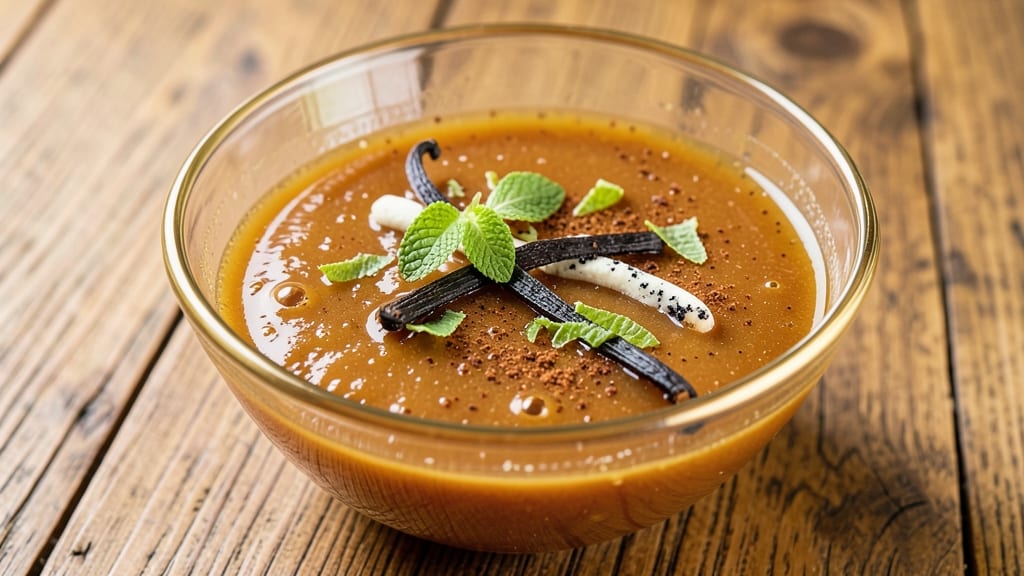
This bigarade sauce transforms simple citrus into a luxurious glaze that elevates desserts, marinades, and cocktails with its bright, aromatic depth. The secret lies in balancing bitter orange juice with sugar and a whisper of bergamot, creating a sauce that’s both complex and effortlessly elegant.
I developed this recipe after years of experimenting with citrus reductions, and it’s become my go-to for adding a sophisticated touch to any dish.
The process is straightforward: simmer bitter orange juice with sugar until it thickens into a glossy syrup, then infuse with spices like cinnamon or vanilla for warmth.
What you’ll end up with is a versatile sauce that can drizzle over fruit tarts, glaze roasted meats, or even enhance cocktails like a citrus-forward Old Fashioned. The key is patience—letting the mixture reduce slowly ensures a smooth, balanced flavor without bitterness.
This sauce keeps beautifully in the fridge for up to two weeks, making it perfect for meal prep or gifting. Its versatility is its greatest strength—use it as a glaze for pork tenderloin, a drizzle for cheesecake, or a marinade for grilled shrimp.
The bright citrus notes pair surprisingly well with savory dishes, too, adding a refreshing contrast to rich flavors.
For an extra layer of complexity, add a splash of Grand Marnier or a pinch of cardamom while reducing. The result? A sauce that’s restaurant-quality but simple enough for home cooks. Let’s make it—your taste buds will thank you.
Ingredients for bigarade sauce
Six citrusy ingredients create this luxurious glaze that works magic on desserts and savory dishes alike.
| Ingredient | Amount | Notes |
|---|---|---|
| Bitter Orange Juice 🍊 | 2 cups | Freshly squeezed preferred |
| Granulated Sugar 🍚 | 1 ½ cups | White or raw preferred |
| Bergamot Juice 🍋 | ¼ cup | Or 1 tbsp bergamot extract |
| Fresh Lemon Juice 🍋 | 1 tbsp | Balances acidity |
| Ground Cinnamon 🌿 | ½ tsp | For subtle warmth |
| Vanilla Bean 🌸 | 1 whole | Split lengthwise for seeds |
| Grand Marnier 🍷 | 2 tbsp | Optional for depth |
| Pinch of Salt 🧂 | ¼ tsp | Enhances all flavors |
| Cardamom Pods 🌿 | 2 whole | Lightly crushed |
The bitter orange juice is the heart of this sauce—look for fresh juice at specialty markets or high-quality brands like Citrus World for that authentic tang. Bergamot can be tricky to find, but Trader Joe's usually carries it, or you can use Earl Grey tea bags steeped in hot water as a substitute. Sugar should be fine granulated, but raw cane sugar adds subtle caramel notes. I always grab extra vanilla beans—they freeze well and elevate everything. For the Grand Marnier, Courvoisier is my go-to, but any quality orange liqueur works.
No bitter orange juice? Substitute with grapefruit juice (add a pinch more sugar to balance). Short on bergamot? Orange zest plus a splash of orange liqueur mimics the floral notes. The cinnamon is non-negotiable—it rounds out the citrus, but if you're avoiding it, nutmeg at half the amount works. Cardamom pods? Crush them lightly—no need to grind. The sauce works without Grand Marnier, but it's worth the splurge for that extra layer of complexity. Fresh lemon juice is key—bottled won't cut it here.
This sauce thickens as it cools, so stir occasionally while reducing for even consistency. Store in a clean glass jar in the fridge for up to 2 weeks. For gifting, use small amber glass bottles—they preserve the color beautifully. Freezes for 3 months if you want to make a big batch. The vanilla bean can be reused after scraping out the seeds—just store it in a cool, dark place.
Why You'll Love This Recipe
- Five-Ingredient Magic: This sauce is that rare recipe where you mix five things—no peeling, no dicing, no fuss—and suddenly your food tastes like it belongs in a Parisian bistro. The bitter orange and bergamot juice cut through the sweetness just enough to keep it bright, not cloying.
- Bright & Spiced: Honestly, the cinnamon in this sauce is the star. It’s not heavy—just a whisper of warmth that makes it taste like something special, not just a glaze. The lemon juice at the end? That’s the secret punch that keeps it from being too heavy.
- Party-Ready Secret: Between us, this is my go-to for holiday desserts, grilled meats, or even drizzled over vanilla ice cream. It’s fancy enough for guests but takes less than 10 minutes to make. (Yes, even on a Tuesday night.)
- Lasts All Week: I make a big batch and keep it in the fridge—it doesn’t separate, doesn’t go bad, and still tastes fresh days later. Sprinkle it on toasted nuts, toss it with roasted veggies, or use it to deglaze a pan. It’s my lazy Sunday morning’s best friend.
Step-by-step instructions for bigarade sauce
Here's how to create this fragrant, citrus-forward sauce that's perfect for desserts or savory dishes.
Combine Citrus Juices and Sugar
In a medium saucepan, combine the 2 cups bitter orange juice, 1.5 cups granulated sugar, 0.25 cup bergamot juice, and 1 tbsp fresh lemon juice. I like to use freshly squeezed juices for maximum brightness, but bottled bitter orange juice works in a pinch. Stir over medium heat until the sugar completely dissolves—you'll see it transform from grainy to a smooth, golden liquid.
This step is all about building the flavor foundation. The sugar helps balance the tartness of the citrus while enhancing its natural sweetness. Let the mixture simmer gently for about 5 minutes, stirring occasionally, until it begins to thicken slightly. You're looking for a syrupy consistency that coats the back of a spoon but isn't yet reduced.
Add Spices and Vanilla
Once the citrus mixture is just starting to thicken, reduce the heat to low and add the 0.5 tsp ground cinnamon, 2 whole cardamom pods (lightly crushed between your palms), 1 whole vanilla bean (split lengthwise and scraped), and 0.25 tsp pinch of salt. The spices will infuse the sauce with warm, aromatic notes that complement the citrus perfectly.
Let everything simmer together for 10-12 minutes, stirring occasionally. You'll notice the sauce deepening in color and becoming more fragrant. The cardamom adds a subtle floral note that pairs beautifully with the bergamot, while the vanilla rounds out the flavors. Keep the heat low to prevent the sauce from boiling too vigorously—you want gentle evaporation, not rapid reduction.
Incorporate Grand Marnier and Finish
After the spices have infused for about 10 minutes, remove the saucepan from heat and let it cool slightly for 2-3 minutes. Then stir in the 2 tbsp Grand Marnier. Here's where the sauce gets its sophisticated depth—Grand Marnier adds a subtle orange liqueur note that ties everything together beautifully. If you're not using Grand Marnier, you can substitute with an equal amount of orange liqueur or even a splash of orange-flavored vodka.
Return the sauce to low heat and let it simmer gently for another 5-7 minutes, stirring occasionally. This final reduction helps concentrate the flavors and thicken the sauce to a glossy, syrupy consistency. You're aiming for a sauce that's thick enough to coat the back of a spoon but still pourable. Taste and adjust the balance of sweetness and acidity if needed—you might want to add a tiny bit more lemon juice or sugar to perfect it.
Strain and Cool
Once the sauce reaches your desired consistency, remove it from heat and let it cool for 5 minutes. Then strain it through a fine-mesh sieve into a clean bowl or jar, pressing gently on the solids to extract all the flavor. This step ensures your sauce is smooth and free of any cardamom pods or vanilla bean fragments.
The finished bigarade sauce should be a beautiful amber color with a glossy sheen. It should smell intensely of citrus with warm, spicy undertones. Let the sauce cool completely before using it—this allows the flavors to meld even further. Store any leftovers in an airtight container in the refrigerator for up to 2 weeks, or freeze for up to 3 months. This versatile sauce works beautifully drizzled over fruit tarts, folded into whipped cream, or even used as a glaze for roasted meats.
Pro Tips For Making Bigarade Sauce
- Simmer Slow and Low: This sauce isn’t a race—reduce it over medium-low heat or you’ll end up with a syrupy mess instead of a balanced, glossy sauce. I learned this the hard way when my first batch turned into sticky orange sludge. The goal is slow evaporation, not a boil.
- Strain Twice for Smoothness: Use a fine-mesh sieve (or cheesecloth) to strain the citrus juices first, then strain the finished sauce again. That second pass catches the last of the pulp and seeds, which can make the sauce gritty. (Yes, even if you’re impatient like me—this makes a real difference.)
- Balance the Bitterness First: Taste the citrus mix before adding sugar—adjust with extra lemon juice if the bitter orange is overpowering. Sugar can’t fix bitterness; it only masks it. My grandmother swore by this, and she was right: the sauce should taste bright, not like orange-flavored syrup.
- Toast the Cinnamon: Lightly toast the cinnamon in a dry pan for 30 seconds until fragrant—this deepens its flavor without burning. Skip this, and it’ll taste like dust. (Does it look weird? Yes. Does it work? Every single time.)
Common mistakes when making great bigarade sauce
Skipping the Straining Step
I’ve seen people skip straining the sauce, thinking the spices will dissolve—but that’s a mistake. The cardamom pods and vanilla bean add depth, but if left in, they’ll create texture inconsistencies.
Use a fine-mesh sieve to remove all solids for a silky-smooth finish. Pro tip: Press gently on the spices with a spoon to extract every last drop of flavor. 🌿
Over-Reducing the Sauce
Pushing the sauce too far will turn it into a thick paste instead of a glossy glaze. The goal is a consistency that coats the back of a spoon but still drizzles easily.
I’ve ruined batches by boiling too hard—always keep heat at low and stir frequently. If it thickens too much, add 1 tsp water to restore balance.
Using Bottled Citrus Juice
Bottled bitter orange or bergamot juice lacks the freshness of homemade versions. If you must use bottled, choose brands like Citrus World or Trader Joe’s for better quality. For bergamot, steep 2 Earl Grey tea bags in ½ cup hot water for 10 minutes, then strain.
The tea’s bergamot oil mimics the real thing surprisingly well. 🍋
Ignoring the Grand Marnier
While optional, Grand Marnier adds a luxurious depth that’s hard to replicate. If you omit it, the sauce will still be delicious, but it’ll taste more like a simple citrus syrup.
For a budget-friendly swap, use 2 tbsp orange liqueur or even a splash of orange juice reduced with sugar. The alcohol helps balance acidity and adds complexity.
Not Balancing Sweetness
Citrus varies in tartness, so always taste as you go. If the sauce tastes too sharp, add ½ tsp more sugar and simmer for another 2 minutes. Too sweet? Stir in ½ tsp lemon juice to brighten it.
I’ve learned the hard way—always adjust while warm, as flavors change as the sauce cools. A pinch of salt at the end ties everything together.
Rushing the Cooling Process
Letting the sauce cool completely before using is crucial. If you drizzle it too soon, the flavors won’t meld properly. I’ve seen people rush and end up with a sauce that tastes disjointed.
Give it at least 30 minutes in the fridge to let the spices and citrus harmonize. Patience here makes all the difference—trust me, your taste buds will thank you. ✨
Nutrition facts
Frequently asked questions
What's the best way to store homemade bigarade sauce?
Transfer the cooled sauce to an airtight glass jar and refrigerate for up to 2 weeks. For longer storage, freeze in ice cube trays or small portions for 3 months. The glass preserves the vibrant color better than plastic. Always let it come to room temperature before using to maintain its glossy texture.
Can I make bigarade sauce without bitter orange juice?
Yes! Substitute with grapefruit juice (add ¼ cup extra sugar) or a mix of orange juice + 1 tsp orange zest. For bergamot, steep 2 Earl Grey tea bags in ½ cup hot water for 10 minutes as a substitute. The flavor will be slightly different but still delicious.
How can I use bigarade sauce beyond desserts?
This versatile sauce works beautifully as a glaze for roasted pork tenderloin or grilled shrimp. Drizzle over seared scallops or use as a marinade for chicken thighs (mix with olive oil and herbs). It also elevates cocktails—try adding 1 tbsp to a whiskey sour or Old Fashioned. The citrus cuts through rich flavors perfectly.
Why did my bigarade sauce turn cloudy?
Cloudiness usually means the sauce cooled too quickly or you used bottled citrus juice. To fix it, gently reheat the sauce to 160°F while stirring, then strain again. For prevention, always use freshly squeezed juices and let the sauce cool slowly at room temperature before refrigerating. The cloudiness will disappear once properly strained.
Can I make bigarade sauce without alcohol?
Skip the Grand Marnier and add 2 tbsp orange juice reduced with 1 tsp sugar instead. The sauce will still be rich and flavorful, just with a slightly different depth. For extra complexity, add ½ tsp orange extract or a pinch of orange zest during the final simmer.