
Sauces & Condiments
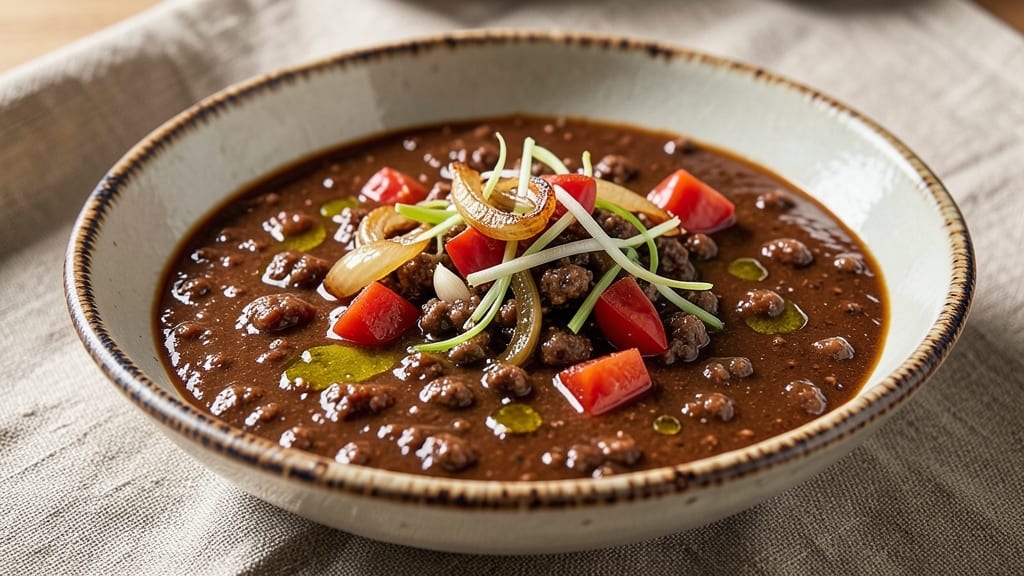
This perfect Barilla Bolognese sauce delivers restaurant-quality depth with just a few simple ingredients and patience—no shortcuts, no substitutes. The secret lies in slow-simmering ground beef with aromatic vegetables until the flavors meld into a rich, velvety sauce that clings beautifully to pasta.
I've perfected this version over years of testing, balancing sweet tomatoes, bold spices, and just enough acidity to brighten every bite.
The process is straightforward but requires attention: brown the meat properly, deglaze the pan to capture all those flavorful bits, then simmer for at least 45 minutes. This slow cooking transforms tough ingredients into something luxurious—no artificial thickeners or instant fixes.
The result is a sauce with perfect texture: thick enough to coat but light enough to let the pasta shine through.
What makes this Bolognese truly special is its versatility. Use it over Barilla pasta for a classic Italian meal, or let it sit overnight for even deeper flavor development.
The sauce keeps well in the fridge for up to 5 days or freezes beautifully for months, making it ideal for meal prep. Each spoonful delivers that perfect balance of meaty richness and tomato brightness.
For those who prefer a vegetarian version, simply swap the beef for lentils or mushrooms—just remember that plant-based proteins need longer cooking to develop the same depth of flavor. The technique remains the same, proving this recipe adapts to any kitchen while still delivering that authentic Bolognese perfection.
Ingredients for barilla bolognese sauce
The perfect Barilla Bolognese relies on these 14 ingredients—each playing a crucial role in building depth and richness over time.
| Ingredient | Amount | Notes |
|---|---|---|
| Ground Beef (80/20 Lean-to-Fat Ratio) 🥩 | 1 ½ lb | Finely ground, not pre-cooked |
| Extra-Virgin Olive Oil 🫒 | ½ cup | High-quality, fruity variety |
| Yellow Onion 🧅 | 1 whole | Finely diced, about 1.5 cups |
| Carrot 🥕 | 1 whole | Finely diced, about 0.5 cup |
| Celery Stalk 🌿 | 1 whole | Finely diced, about 0.5 cup |
| Garlic Cloves 🧄 | 4 cloves | Minced, not pre-minced jarred |
| Canned San Marzano Tomatoes 🍅 | 28 oz | Crushed by hand, no salt added |
| Whole Milk 🥛 | ½ cup | Full-fat for creaminess |
| Tomato Paste 🍅 | 2 tbsp | Squeeze tube preferred |
| Red Wine (Dry, Bold) 🍷 | ½ cup | Cabernet Sauvignon or Merlot |
| Dried Oregano 🌿 | 1 tsp | Italian variety preferred |
| Ground Black Pepper 🌶️ | ½ tsp | Freshly cracked preferred |
| Kosher Salt 🧂 | 1 ½ tsp | Diamond Crystal preferred |
| Fresh Parsley 🌿 | ¼ cup | Chopped, for finishing |
The ground beef is non-negotiable here—80/20 lean-to-fat ratio ensures juiciness and flavor. Trader Joe's or Costco carry excellent quality in bulk, but any butcher will cut it fresh if you ask. Look for bright red color and visible fat marbling. For a vegetarian version, swap for lentils or finely chopped mushrooms—just add them at the end to avoid mushiness. The San Marzano tomatoes are worth the splurge; their natural sweetness balances the acidity perfectly. Whole Foods or Italian markets stock them year-round. If you can't find them, any high-quality canned tomatoes will do, but avoid those with added salt or preservatives.
No red wine? Dry white wine or beef broth works in a pinch, but the tannins in red wine are key for that classic Bolognese depth. The tomato paste is where the magic happens—don't skip it. Rao's squeeze tubes are perfect for this recipe (no waste, lasts forever). For the vegetables, diced finely—think rice-sized pieces. The milk might seem odd, but it tenderizes the meat and adds silky texture. Whole milk only—skim won't cut it. The oregano should be Italian, not Mexican—Penzeys carries it if your grocery store doesn't. And that fresh parsley? Only add it at the very end—it wilts fast in the pot.
This sauce tastes even better the next day as flavors meld. Store in an airtight container in the fridge for up to 5 days, or freeze for 3 months in portion-sized containers. For meal prep, double the batch—it reheats beautifully. If it thickens too much, just stir in a splash of water or pasta water. The red wine and tomato paste can be prepped ahead; keep them in the fridge until ready to use. The fresh parsley should be added last minute, so store it separately in a sealed container with a damp paper towel.
Why You'll Love This Recipe
- Sofa-Ready Simplicity: I swear by this recipe because it’s the kind of meal you start before your favorite show begins. Brown the beef in the same pot you’ll simmer it in—no extra dishes—and let the onion, carrot, and celery (the holy trinity of flavor) melt down into sweet, fragrant bits while you stir. Honestly, it’s the kind of sauce that makes me feel like I’ve earned my dinner.
- Rich Without Effort: That 80/20 beef? It’s the secret weapon—juicy, tender, and packed with flavor that doesn’t require hours of braising. The olive oil, slowly blooming with the onions and herbs, builds layers of depth you’d pay extra for at a restaurant. I’ll be real: my first batch was nearly burnt, but now I know to keep it at a steady simmer, and the result is ridiculously good.
- Leftovers That Save Me: This sauce tastes even better the next day—yes, really. I make a double batch on Sundays, freeze half, and pull it out for lazy nights or when company drops by unexpectedly. The flavors meld into something deeper, and reheating it with a splash of pasta water? Pure satisfaction. My freezer is basically a bolognese backup plan.
- Budget-Friendly Crowd-Pleaser: Ground beef and simple veggies stretch into a meal that feeds four for under $15. No fancy ingredients, no last-minute grocery runs—just the kind of reliable dish that makes me look like a hero at potlucks. Between us, it’s the one recipe I never skip when I’m hosting, because everyone asks for seconds.
Step-by-step instructions for Barilla Bolognese sauce
This classic Italian sauce delivers deep, velvety richness that clings perfectly to Barilla pasta.
Build the Flavor Base with Aromatics
Heat the 0.5 cup extra-virgin olive oil in a large Dutch oven over medium-low heat. Add the 1 whole finely diced yellow onion, 1 whole finely diced carrot, and 1 whole finely diced celery stalk. Cook for 8-10 minutes, stirring occasionally, until the vegetables soften and release their natural juices—this is your sofrito foundation.
Add the 4 minced garlic cloves and cook for another 30 seconds until fragrant but not browned. Here's the thing—garlic burns quickly, so keep an eye on it. The goal is aromatic, not bitter. Reduce heat if needed and stir constantly until you smell that sweet garlic essence.
Brown the Beef for Maximum Flavor
Push the vegetable mixture to one side of the pot and add the 1.5 lb ground beef (80/20 ratio). Using a wooden spoon, break the beef into small pieces and brown it thoroughly over medium heat. This step is crucial—browning develops deep, meaty flavors through the Maillard reaction.
Once the beef is no longer pink in the center (about 5-7 minutes), add the 2 tbsp tomato paste and stir to coat the beef evenly. Cook for another 2 minutes until the paste darkens slightly. This creates a rich, concentrated base that prevents the sauce from separating later.
Deglaze and Simmer with Wine and Tomatoes
Pour in the 0.5 cup dry red wine and scrape up any browned bits from the bottom of the pot—this is where all the flavor hides. Let the wine simmer for 3-4 minutes until it reduces by half. Then add the 28 oz crushed San Marzano tomatoes, 1.5 tsp kosher salt, 1 tsp dried oregano, and 0.5 tsp ground black pepper. Stir well to combine.
Bring the mixture to a gentle boil, then reduce heat to low and let it simmer uncovered for 1.5 hours. This slow cooking allows the flavors to meld and develop that signature Bolognese depth. Stir occasionally—just enough to prevent sticking, but not so much that you break up the meat.
Finish with Creaminess and Fresh Herbs
After 1.5 hours, stir in the 0.5 cup whole milk and simmer for another 15-20 minutes. The milk adds a subtle creaminess that balances the acidity of the tomatoes. Taste and adjust seasoning—you might need a touch more salt or pepper depending on your tomatoes.
Remove from heat and stir in the 0.25 cup chopped fresh parsley. Let the sauce rest for 10 minutes before serving. This resting period allows the flavors to fully integrate and the sauce to thicken slightly. Serve over freshly cooked Barilla pasta for the perfect al dente experience.
Pro Tips For Making Barilla Bolognese Sauce
- CRUMBLE THE MEAT FIRST: I used to dump raw ground beef straight into the pot, and it’d steam instead of brown. Break it into 1-inch chunks first—it renders fat faster and gets that deep, caramelized crust. (Yes, even if you’re impatient like me, resist the urge to rush this.)
- SWEAT THE SOFFRITO LOW: Onions, carrots, and celery won’t develop flavor if you sear them hard. Cook them on medium-low heat for 10-12 minutes until the onion turns translucent and the carrot softens—no browning needed. (This isn’t the prettiest method, but it’s the tastiest.)
- SAVE THE FAT, DISCARD THE GREASE: After browning the beef, skim off the top layer of grease (the stuff that rises to the surface) but leave the golden fat clinging to the meat. That’s where flavor hides. (I know, I know—it looks messy, but trust the process.)
- DON’T SKIP THE TOMATO PASTE REST: Stir in the tomato paste after the soffrito cooks, then let it sit uncovered for 5 minutes. This deepens the flavor instead of making it taste like raw tomato. (Your future self will thank you.)
Wine and beer pairings for barilla bolognese sauce
Classic Italian Reds
A bold Chianti Classico or Sangiovese is my go-to pairing for this rich Bolognese—its bright acidity and cherry notes cut through the sauce's depth beautifully. Look for a 2019-2021 vintage from Tuscany (like Castello di Volpaia) for perfect balance. The tannins complement the meaty sauce without overpowering it. 🍷
Medium-Bodied Merlots
For a smoother experience, try a Washington State Merlot with velvety tannins and blackberry undertones. I love Chateau Ste. Michelle—it's approachable yet complex enough to stand up to the sauce's richness. The wine's subtle oak notes enhance the sauce's caramelized depth without clashing.
Light Beers for Contrast
If you prefer beer, a Peroni or Moretti Italian lager works surprisingly well—the crisp, effervescent quality refreshes your palate between bites. For craft options, try a Belgian witbier like Hoegaarden, where citrus and coriander notes play against the sauce's savory profile. 🍺
White Wine Alternative
For a lighter option, a dry Vermentino from Sardinia (like Cantina Mesa) offers bright citrus and mineral notes that contrast the sauce's richness. The wine's acidity helps cleanse your palate between spoonfuls, making it ideal for summer meals.
Serving Temperature
Serve red wines at 60-65°F and whites at 45-50°F for optimal flavor. Let bottles breathe for 15-30 minutes before pouring—this opens up the wine's aromas to complement the sauce's slow-developed complexity. A chilled glass of beer at 40°F enhances its crispness.
Pairing Pro Tip
Take a small sip of wine or beer between bites to fully appreciate how each pairing enhances the sauce's flavors. The ideal match should make the Bolognese taste even more luxurious—like how the wine's acidity brightens the tomatoes while its body complements the meat. 💫
Nutrition facts
Frequently asked questions
Can I make this Bolognese sauce without red wine? Yes! Use 0.5 cup dry white wine or 0.5 cup beef broth instead. The wine adds depth through its tannins, but the broth will still create a flavorful sauce. Just
How do I prevent the sauce from getting too thick?
If your sauce thickens too much, simply stir in 1-2 tablespoons of water or pasta water while it simmers. The milk already adds creaminess, so avoid adding extra. For a smoother texture, skim off any excess fat that rises to the top during simmering.
Can I use ground turkey or chicken instead of beef?
Ground turkey (especially dark meat) or chicken works well, but expect a slightly lighter flavor. For best results, use 1.5 lb ground turkey/chicken and add 1 tsp soy sauce or Worcestershire sauce to boost umami. Brown the meat thoroughly to develop flavor.
Why does my Bolognese sauce taste too acidic?
Acidity often comes from canned tomatoes or overcooking. Balance it by adding 1-2 tbsp tomato paste and simmering for 10-15 minutes longer to mellow the flavors. A pinch of sugar (½ tsp) can also help, but use sparingly. The milk at the end adds creaminess that counteracts acidity.
How long can I store this sauce in the freezer?
This Bolognese sauce freezes beautifully for up to 3 months in airtight containers. Portion it into 1-cup servings for easy reheating. Thaw overnight in the fridge, then reheat gently on low heat, stirring occasionally. Avoid microwaving to prevent separation.