
Sauces & Condiments
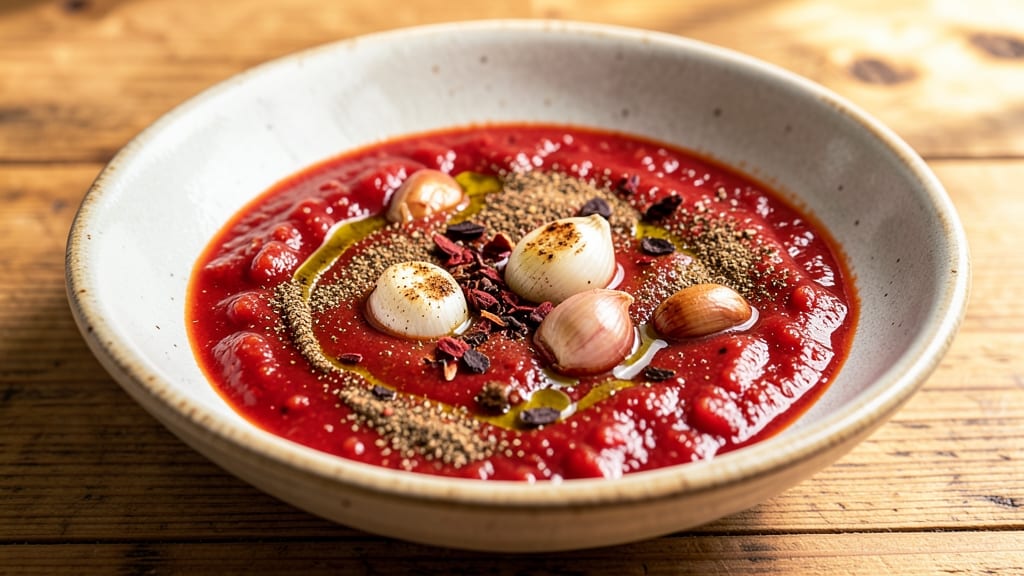
This barbalo sauce recipe transforms simple marinara into a smoky, spicy, and sweet masterpiece that elevates every dish it touches. The secret lies in balancing heat, depth, and caramelized richness—something you won’t find in store-bought versions.
I developed this sauce after years of refining my Italian-American cooking, and it’s now my go-to for pasta, pizza, and even as a marinade for grilled meats.
What makes barbalo sauce special is its three-layered flavor profile: smoky char from slow-cooked tomatoes, a kick of chili heat, and a touch of sweetness that rounds out the acidity.
The process is straightforward—simmering tomatoes with aromatic spices until deeply concentrated—but the result is restaurant-quality depth. No fancy equipment required, just patience and a few key ingredients you likely already have.
Once perfected, this sauce delivers velvety texture with a slight gloss, clinging perfectly to noodles or meat without overwhelming their natural flavors. The smoky undertones add complexity, while the subtle sweetness ensures every bite is balanced.
It’s the kind of sauce that turns a simple weeknight dinner into something memorable.
Best of all, barbalo sauce keeps beautifully in the fridge for up to a week, so you can make a big batch and use it throughout the week.
Whether you’re tossing it with spaghetti, drizzling it over grilled chicken, or using it as a pizza sauce, this recipe will become your new kitchen staple. Let’s get cooking!
Ingredients for barbalo sauce
Nine essential ingredients blend smoky heat and sweetness for restaurant-quality barbalo sauce magic.
| Ingredient | Amount | Notes |
|---|---|---|
| San Marzano Tomatoes 🍅 | 28 oz | Canned, crushed by hand |
| Extra-Virgin Olive Oil 🫒 | ½ cup | High-quality, fruity variety |
| Garlic Cloves 🧄 | 6 cloves | Fresh, minced for depth |
| Dried Chili Flakes 🌶️ | 1 tbsp | Crushed slightly for heat |
| Smoked Paprika 🌶️ | 1 tbsp | For authentic smoky flavor |
| Ground Cinnamon 🌿 | ½ tsp | Sweetness balance |
| Red Wine Vinegar 🍷 | 2 tbsp | Brightens acidity |
| Honey 🍯 | 1 tbsp | Subtle sweetness |
| Salt 🧂 | 1 ½ tsp | Diamond Crystal preferred |
| Black Peppercorns 🌶️ | ½ tsp | Freshly cracked |
San Marzano tomatoes are non-negotiable here—their natural sweetness and low acidity create the perfect base. Trader Joe's and Whole Foods carry them year-round, but check the Italian section at Costco for bulk cans. The key is crushing them by hand (not blending) to preserve texture. For olive oil, California-grown brands like Corto or Olea add fruity depth that store-bought can't match. The garlic should be freshly minced—pre-minced jars lack the aromatic punch. Smoked paprika is what gives barbalo its signature smoky profile, so don't skimp on quality.
No smoked paprika? Liquid smoke at half the amount works in a pinch, though it's not identical. Substitute honey with maple syrup (1:1 ratio) if you're avoiding it, but the sauce will be slightly less refined. The red wine vinegar can be swapped for balsamic (use half the amount) if you prefer a sweeter tang. For heat control, reduce chili flakes to 0.5 tbsp or use crushed red pepper flakes. The cinnamon might seem unusual, but it's what rounds out the heat and adds that subtle sweetness—trust me on this. If you're making a big batch, double the spices and store them in a glass jar for up to 6 months.
This sauce develops better with time—let it sit at room temperature for 10 minutes after simmering to let flavors meld. Store in airtight containers in the fridge for up to 1 week, or freeze in ice cube trays for 3 months. The texture will thicken as it cools, so add a splash of water or broth when reheating. I always make a double batch—one for immediate use and one to freeze. The flavor actually improves over time, becoming more concentrated and complex. Perfect for meal prep when you want restaurant-quality sauce without the effort.
Why You'll Love This Recipe
- Minimal Chopping Required: I swear, this sauce needs just one knife for garlic—no dicing, no fuss. The San Marzano tomatoes handle the rest, blending into velvety perfection with zero prep drama.
- Smoky Depth in Minutes: That smoked paprika and chili flakes? They turn a simple tomato sauce into something ridiculously complex. Honestly, the aroma alone makes my kitchen smell like a Tuscan trattoria.
- Weeknight to Weekend: Slather it on grilled chicken for a Tuesday dinner, or drizzle it over roasted veggies for a Sunday spread. The same jar works for both—no last-minute ingredient scrambles.
- Budget-Friendly Luxury: A single can of San Marzanos and a jar of smoked paprika stretch across three meals. I’ll be real: it’s the kind of sauce that makes store-brand pasta feel like a splurge.
Step-by-step instructions for smoky, spicy, sweet marinara magic
Here's how to build Barbalo sauce layer by layer—rich tomato base, smoky depth, and perfect balance.
Build the Tomato Foundation
Crush the 28 oz San Marzano Tomatoes by hand in a large pot—you want a mix of chunky and smooth textures for body. Add the 0.5 cup Extra-Virgin Olive Oil and bring to a gentle simmer over medium heat. Let it cook uncovered for 15-20 minutes, stirring occasionally, until the tomatoes break down and the oil infuses. You'll notice the sauce darken slightly and develop a rich aroma—this is your flavor base forming.
Here's the thing—don't rush this step. The tomatoes need time to release their natural sweetness and develop complexity. If you see foam forming, skim it off with a spoon to keep the sauce clean. The sauce should reduce by about one-third before moving forward, creating a concentrated flavor.
Layer in Aromatics and Spices
Add the 6 cloves Garlic Cloves (minced), 1 tbsp Dried Chili Flakes, 1 tbsp Smoked Paprika, and 0.5 tsp Ground Cinnamon to the simmering tomatoes. Stir well to distribute the spices evenly throughout the sauce. Cook for another 5-7 minutes until the garlic is fragrant but not browned—you want to preserve its sweetness without bitterness.
I always taste at this stage to check the balance. The sauce should have a warm, earthy depth from the paprika and cinnamon, with a subtle heat from the chili flakes. If it needs more heat, add a pinch more chili flakes (but don't overdo it—we'll add acidity next). The cinnamon might seem unusual, but it rounds out the smokiness beautifully.
Brighten with Vinegar and Sweeten
Pour in the 2 tbsp Red Wine Vinegar and 1 tbsp Honey, stirring continuously. The vinegar will brighten the sauce and cut through any remaining acidity from the tomatoes, while the honey adds a subtle sweetness that balances the spices. Simmer for 5-7 minutes more until the sauce thickens slightly and coats the back of a spoon.
This is where the sauce comes together. You'll see the flavors meld—smoky, spicy, and slightly sweet with that bright acidity. Taste again and adjust seasoning: add 1.5 tsp Salt now if needed, and a pinch more 0.5 tsp Black Peppercorns (freshly cracked) for depth. The sauce should be vibrant, with layers of flavor rather than just tomato-forward.
Simmer to Perfection
Reduce heat to low and let the sauce simmer gently for 10-15 minutes, stirring occasionally. This final reduction deepens the flavors and ensures the spices are fully integrated. You're looking for a sauce that coats the spoon smoothly but still has a slight body—it should be thick enough to cling to pasta or meat but not gluey.
If the sauce thickens too much, add 1-2 tablespoons of water to loosen it. The key is consistency: it should be glossy and velvety, with a balance of sweet, smoky, and spicy notes. Let it cool slightly before serving—this allows the flavors to settle and intensify. Store in an airtight container in the fridge for up to 5 days, or freeze for longer storage.
Pro Tips For Making Barbalo Sauce
- CRUSH THE GARLIC: Low and slow wins here—sauté those minced cloves in olive oil over medium-low heat until they’re just golden, not brown. I learned this the hard way: burning garlic makes the sauce bitter, and you’ll taste it for hours.
- SIMMER NOT BOIL: Keep the San Marzano tomatoes at a gentle simmer, not a rolling boil. Too much heat turns the sauce watery and dulls the smoky paprika’s depth. Cover the pot halfway through cooking to trap flavor—just peek occasionally.
- SALT IN LAYERS: Add salt in two stages: first when you sauté the garlic (a pinch), then again after the tomatoes are fully broken down. This balances acidity without overwhelming the sauce. (Yes, even if you’re using canned tomatoes—trust the process.)
- TOAST THE SPICES: Bloom the smoked paprika and chili flakes in olive oil for 30 seconds before adding tomatoes. This wakes up their flavors and prevents them from just floating like decorative flakes. Skip this, and your sauce tastes like it’s missing something.
Essential equipment for great barbalo sauce
Heavy-Bottomed Pot
Start with a large, heavy-bottomed pot—I swear by my All-Clad 5-quart Dutch oven—to distribute heat evenly and prevent scorching. A stainless steel or enameled cast iron pot works best for simmering barbalo sauce without hot spots.
Avoid thin aluminum or nonstick pans, as they can't handle the prolonged simmering required for deep flavor development. 🔥
Wooden Spoon
Use a long wooden spoon (like Oxo Good Grips) to stir continuously while simmering. Wood won’t react with the acidity in tomatoes or vinegar, and its shape helps scrape up any stuck-on bits.
I keep mine in the pot the entire time—it’s my secret weapon for preventing scorched sauce. A silicone spatula works too, but wood adds that classic, homestyle touch.
Fine-Mesh Strainer
A fine-mesh strainer (I use OXO Good Grips) comes in handy if you prefer a smoother sauce. After simmering, strain out any large tomato chunks or seeds for a silky texture.
For a rustic version, skip straining—those little tomato bits add body and visual appeal. If you strain, press gently with a spoon to extract maximum flavor from the pulp.
Immersion Blender
For a smooth, velvety finish, an immersion blender (like Ninja CB101) lets you blend directly in the pot without transferring hot sauce. Pulse briefly after simmering to break up any remaining chunks while keeping the sauce’s natural richness.
Avoid over-blending—you want some texture to cling to pasta or meat. If you don’t have one, a regular blender works, but let the sauce cool slightly first to avoid splattering.
Glass Jars
Store your finished barbalo sauce in glass mason jars (I love Ball or Le Parfait) for up to 1 week in the fridge or 3 months in the freezer. Glass preserves flavor better than plastic and won’t absorb odors.
Leave 1-inch headspace to prevent expansion during freezing. For portion control, freeze in ice cube trays—thaw just what you need for a single meal. 💫
Thermometer (Optional)
A kitchen thermometer (like Thermoworks ThermoPop) ensures your sauce reaches the ideal simmering temperature of 180–190°F. This prevents overcooking and helps you gauge when the sauce has reduced enough.
It’s not essential, but it takes the guesswork out of timing—especially if you’re new to sauce-making. I use mine to confirm the sauce is thick enough before the final reduction step.
Nutrition facts
Frequently asked questions
What makes barbalo sauce different from regular marinara?
Barbalo sauce stands out with its three distinct flavor layers: smoky depth from paprika, subtle heat from chili flakes, and a touch of sweetness from honey and cinnamon. Unlike basic marinara, it has a velvety texture with complex undertones that elevate dishes beyond simple tomato sauce. The slow simmering process concentrates flavors for restaurant-quality results at home.
Can I make barbalo sauce without smoked paprika?
Yes! Use ½ teaspoon liquid smoke instead, but the flavor won't be identical. For a close substitute, combine ½ teaspoon regular paprika + ¼ teaspoon cumin to mimic the earthy, smoky profile. The sauce will still be delicious, though the signature smokiness will be more subtle. Adjust other spices to taste afterward.
How do I adjust the heat level in barbalo sauce?
Start with 1 teaspoon chili flakes for mild heat, then add more gradually. For extra spice, stir in ½ teaspoon cayenne pepper or 1-2 diced fresh chili peppers during the final simmer. If the sauce is too hot, balance it with a pinch more honey or a splash of vinegar to mellow the heat. Always taste as you go!
What's the best way to use leftover barbalo sauce?
This versatile sauce works on pasta, grilled meats, pizza, or as a marinade for chicken or fish. For extra richness, simmer with 1 tablespoon butter before serving. Freeze portions in ice cube trays for easy single-use portions. The flavors actually improve when reheated slowly—never microwave it directly from the fridge.
Why does my barbalo sauce look too thin?
Simmer uncovered for 10-15 extra minutes to reduce naturally. If it's still too thin, mix 1 teaspoon cornstarch with 2 tablespoons water, stir into the sauce, and cook for 2-3 minutes until thickened. Avoid adding flour directly—it can make the sauce cloudy. The ideal consistency should coat the back of a spoon smoothly.