
Sauces & Condiments
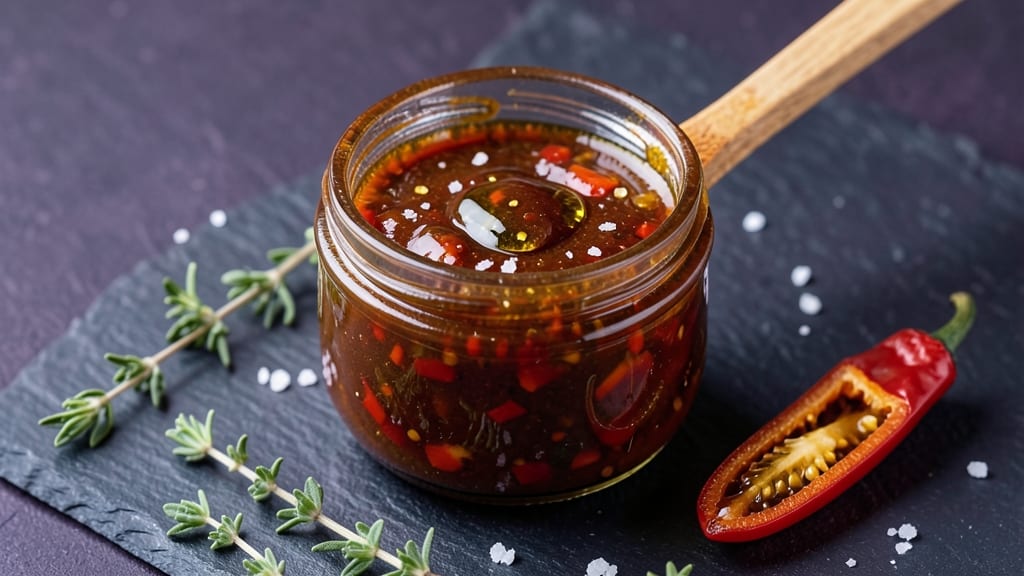
This Barbados hot pepper sauce delivers the bold, fiery heat that defines Caribbean cuisine—packed with Scotch bonnet peppers, garlic, and tangy vinegar for a sauce that transforms any dish.
The secret lies in balancing heat with acidity, creating a versatile condiment that works as a marinade, dipping sauce, or finishing touch. What sets this recipe apart is its simplicity: just a few ingredients simmered into a smooth, potent sauce that intensifies with time.
The process is straightforward but requires patience—peppers must be properly prepared to avoid bitterness, and simmering develops deep, complex flavors. You’ll end up with a glossy, vibrant sauce that’s ready to elevate grilled meats, seafood, or even cocktails.
The heat level adjusts easily, so you can tailor it to your preference without sacrificing authenticity.
Perfect for jerk chicken, shrimp skewers, or as a fiery addition to your favorite dishes, this sauce keeps well in the fridge for weeks. The key is using fresh Scotch bonnets—their fruity heat is unmatched by milder peppers.
Store it in a clean glass jar, and you’ll have a pantry staple that brings the Caribbean’s bold flavors to your kitchen.
Ready in under 30 minutes, this recipe delivers restaurant-quality results with minimal effort. Whether you’re cooking for a crowd or treating yourself to a spicy kick, this sauce is a game-changer. Let’s get started!
Ingredients for barbados hot pepper sauce
Six fiery peppers, aromatic spices, and a splash of vinegar—this Caribbean sauce delivers bold heat in minutes.
| Ingredient | Amount | Notes |
|---|---|---|
| Scotch Bonnet Peppers 🌶️ | 6 whole | Seeds removed for milder heat |
| Garlic Cloves 🧄 | 6 cloves | Fresh, peeled, roughly chopped |
| White Vinegar 🍶 | 1 cup | White or apple cider vinegar |
| Extra-Virgin Olive Oil 🫒 | ½ cup | High quality, fruity |
| Brown Sugar 🍚 | ¼ cup | Light or dark brown |
| Salt 🧂 | 1 tsp | Kosher or sea salt |
| Black Peppercorns 🌶️ | ½ tsp | Crushed, not ground |
| Allspice Berries 🌿 | 1 tsp | Whole, lightly crushed |
| Thyme Leaves 🌿 | ½ tsp | Fresh or dried |
Scotch bonnet peppers are the heart of this sauce—find them at Latin markets or specialty stores. They’re fruitier and hotter than habaneros, so handle with care (wear gloves if you’re sensitive!). Trader Joe’s often carries them frozen, which works just fine. If fresh ones are unavailable, habaneros at half the quantity will get you close, but the flavor won’t be quite the same. The garlic should be fresh—no pre-minced jars here. For allspice, Penzeys or bulk bins have the best quality, but the tiny jars at regular grocery stores work too. Just make sure it’s whole berries, not ground.
No Scotch bonnets? Red pepper flakes or cayenne at one-third the amount adds heat, but you’ll miss the fruity depth. Vinegar substitutes? Lemon juice or lime juice works, but the tang won’t be identical. Brown sugar can be swapped for maple syrup or agave if you’re avoiding refined sugar. Fresh thyme is ideal, but dried at one-quarter the amount does the trick. For extra richness, stir in 1 tablespoon of tomato paste at the end—it balances the heat beautifully. The sauce thickens as it cools, so don’t worry if it looks runny at first.
This sauce only gets better with time—flavor deepens over 2-3 days in the fridge. Store in a clean glass jar with a tight seal. It keeps for up to 3 months in the fridge, though the heat level will mellow slightly. For a smoother texture, blend before serving. If you make a big batch, freeze half in ice cube trays—perfect for adding heat to dishes later. Always taste before using, and adjust salt or vinegar as needed. The sauce pairs perfectly with jerk chicken, grilled shrimp, or even cocktails.
Why You'll Love This Recipe
- No Chopping Needed: I swear by this—just toss whole peppers and garlic into the blender. The vinegar and sugar do all the work while you sip your coffee.
- Sweet Heat Balance: That Scotch Bonnet packs a punch, but the brown sugar softens it into something addictive—like a spicy hug with a caramel whisper.
- Pantry Staple Magic: Honestly, I make this when I’m out of everything else. Vinegar, oil, sugar—if you’ve got those, you’ve got a sauce.
- Lasts for Weeks: I’ve had jars of this lingering in my fridge for months. The heat mellows just enough over time, and it’s the perfect condiment for lazy days.
Step-by-step instructions for Barbados hot pepper sauce
Here's how to make this bold, fruity Caribbean sauce that balances heat with sweetness perfectly.
Prepare the Scotch Bonnet Peppers
Put on gloves—Scotch bonnet peppers pack serious heat! Cut each pepper in half lengthwise and carefully remove the seeds and white membranes using a small spoon. I like to leave about ¼ inch of the stem intact to avoid losing any of that fiery juice. The seeds contain most of the capsaicin, which is what makes this sauce so potent.
Place the deseeded pepper halves in a food processor or blender. You'll want to process them until they're completely smooth, but don't worry if you get a few tiny bits—this sauce still tastes amazing. I usually pulse for about 30-45 seconds until everything is finely blended. Set this mixture aside for now—it's the heart of your sauce.
Sauté the Aromatics
Heat a medium saucepan over medium-low heat and add the 6 cloves of roughly chopped garlic. Let them cook for 1-2 minutes until they're fragrant and just starting to turn golden at the edges. Be careful not to let them burn—garlic turns bitter quickly when overcooked. I stir constantly to make sure everything cooks evenly.
Add the 1 tsp of lightly crushed allspice berries and 0.5 tsp of crushed black peppercorns to the pan. Let these toast for about 30 seconds until you can smell their warm, earthy aromas filling your kitchen. This step develops the complex flavors that make this sauce so special. Remove the pan from heat immediately after to prevent the spices from burning.
Combine All Ingredients
Return the saucepan to the stove and add the 0.5 cup of extra-virgin olive oil and 1 cup of white vinegar. Bring the mixture to a gentle simmer over medium heat. Once simmering, add the blended Scotch bonnet pepper mixture, stirring constantly to prevent the oil from separating. Let it cook for 5 minutes to blend all the flavors together.
Now add the 0.25 cup of brown sugar, 1 tsp of salt, and 0.5 tsp of thyme leaves. Stir well to combine everything completely. The sugar will help balance the heat while adding a subtle caramelized depth to the sauce. Let the mixture simmer gently for another 5-7 minutes, stirring occasionally, until it thickens slightly and coats the back of a spoon.
Strain and Bottle
Remove the sauce from heat and let it cool for about 5 minutes. Then strain it through a fine-mesh sieve into a clean bowl or jar, pressing gently on the solids with a spoon to extract all the flavorful liquid. This step removes any remaining pepper seeds or skin bits, giving you a smooth, professional-quality sauce. I like to use a cheesecloth-lined sieve for this to catch even the finest particles.
Once strained, transfer the sauce to sterilized bottles or jars. Let it cool completely before sealing. The sauce will continue to develop in flavor over the next 24-48 hours, so I recommend making it a day ahead if possible. This resting period allows all the flavors to meld together beautifully, creating that perfect balance of heat, sweetness, and tang.
Pro Tips For Making Barbados Hot Pepper Sauce
- REMOVE PEPPER SEEDS FIRST: I learned this the hard way—leaving seeds in Scotch Bonnets turns your sauce into a mouth-on-fire regret. Cut open the peppers, scrape out the white pith and seeds with a spoon, then rinse them under cold water. The heat’s still there, but the burn becomes flavor instead of punishment.
- COOK GARLIC LOW AND SLOW: After burning three batches of garlic, I finally figured out: these peppers are already aggressive, so don’t let the garlic turn bitter. Sauté the minced cloves in olive oil on medium-low heat until just fragrant (about 2 minutes), then toss them straight into the vinegar. No waiting—just immediate immersion.
- USE A THICK-BASED PAN: Thin pans mean splattering vinegar and a sticky mess. Grab your heaviest pot or Dutch oven—it’ll distribute heat better and keep the sauce from clinging to the sides. If you’re in a pinch, a deep skillet works, but stay alert for hot spots.
- SWEAT PEPPERS BEFORE VINEGAR: Dumping raw peppers into vinegar makes the sauce cloudy and dull. Instead, cook the peppers in olive oil for 3–4 minutes until they soften and release their oils. The vinegar will then blend in smoothly, giving you that glossy, balanced finish. (Yes, even if you’re impatient like me.)
Common mistakes when making perfect results
Overcooking Peppers
Never let your Scotch bonnet peppers simmer for more than 5-7 minutes—they turn bitter and lose their fruity brightness. I’ve seen people walk away from the stove for too long, and the sauce becomes harsh rather than complex.
Keep a close eye on it, especially when adding the sugar, which can caramelize too quickly. If the sauce starts to darken, remove it immediately and strain it through a fine-mesh sieve to filter out any burnt bits. 🌶️
Skipping the Strain
Straining is non-negotiable for a smooth sauce. If you skip this step, you’ll end up with tiny pepper skins and seeds that make the texture gritty. I’ve tried it both ways, and the difference is night and day—strained sauce looks professional and glides onto dishes effortlessly.
Use a cheesecloth-lined sieve for the best results, pressing gently to extract every last drop of flavor without letting bits through.
Using Wrong Vinegar
White vinegar is the star here, but substituting with balsamic or red wine vinegar changes the flavor profile dramatically. Balsamic adds sweetness that overpowers the heat, while red wine vinegar can taste too sharp.
Stick to white or apple cider vinegar—they’re bright and acidic enough to cut through the richness of the peppers and oil. If you’re out of white vinegar, lemon juice is your next best option, but it won’t have the same depth.
Ignoring Resting Time
This sauce needs time to develop its full flavor—rushing it means missing out on the complex balance of heat, sweetness, and tang. I’ve made the mistake of serving it immediately, and while it’s still delicious, it lacks the depth it gains after 24-48 hours in the fridge.
The flavors meld together like magic, creating a sauce that’s far more nuanced than when it’s fresh. Patience pays off here!
Over-Salting Early
Taste your sauce before adding all the salt—it’s easier to adjust later than to fix an overly salty sauce. I’ve had to dilute entire batches with extra vinegar or even water to fix this mistake.
Start with just ½ tsp of salt, taste as you go, and add the remaining ½ tsp only if needed. The sugar and vinegar already contribute to the overall flavor balance, so don’t overdo it.
Burning the Garlic
Garlic burns faster than you think, and once it does, the sauce takes on a bitter, acrid note that’s hard to mask. Keep the heat at medium-low and stir constantly—golden edges are perfect, but dark brown means disaster.
If you catch it burning, remove the pan immediately and start over. Trust me, fresh garlic is worth the extra attention. 🧄
Nutrition facts
Frequently asked questions
Can I adjust the heat level in this Barbados hot pepper sauce?
For milder heat, remove the seeds and membranes from 4-5 peppers instead of all 6. If you love spice, keep all the seeds and add 1 extra pepper. Always taste as you go—you can thin the sauce with vinegar or water if needed. The sugar and oil help balance the heat naturally.
What’s the best way to store homemade Barbados hot sauce?
Transfer the cooled sauce to a clean glass jar with a tight seal. It keeps in the fridge for 3 months while maintaining peak flavor. For longer storage, freeze in ice cube trays—thaw quickly in warm water when ready to use. Always use sterilized jars to prevent spoilage. The sauce actually improves over time!
Can I use this sauce in cooking or just as a condiment?
This versatile sauce works both ways! Use it as a marinade for jerk chicken or shrimp skewers, stir into soups, or drizzle over grilled meats. For condiment use, serve it chilled with fries, seafood, or tacos. The acidity makes it perfect for balancing rich dishes. Just remember—it packs heat!
What if I can’t find Scotch bonnet peppers?
Use habanero peppers at half the quantity (3 peppers) for similar heat, though the flavor won’t be identical. For milder options, try red pepper flakes or cayenne, but you’ll lose the fruity depth. If possible, visit a Caribbean market or order online—Scotch bonnets are worth the search!
How do I remove the sauce’s heat if it’s too spicy?
Stir in 1-2 tablespoons of honey or brown sugar to balance the heat. For immediate relief, mix a spoonful with plain yogurt or sour cream. If the sauce is already bottled, thin it with vinegar and reheat gently. Never add dairy directly to the sauce—it can cause separation.