
Sauces & Condiments
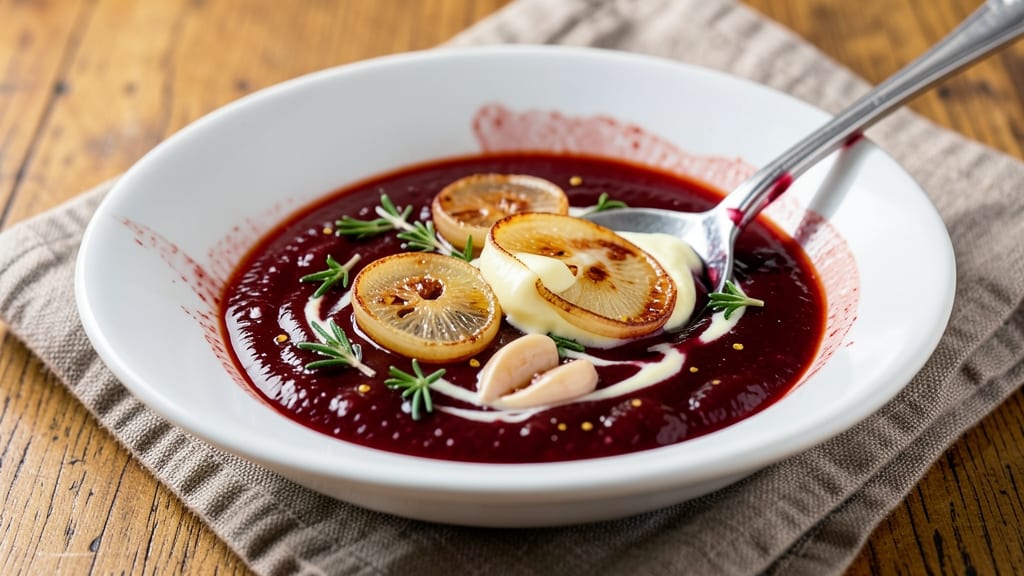
This Banyuls sauce recipe transforms humble roasted meats into a restaurant-worthy masterpiece with its deep, wine-reduced richness. The secret lies in reducing Banyuls—a bold, slightly sweet fortified red wine from Roussillon—until it becomes a velvety, concentrated sauce that clings to every bite.
I perfected this technique after years of experimenting with wine reductions, and the results are worth the effort: a sauce that’s equally at home on duck, lamb, or even grilled vegetables.
The process is straightforward but requires patience—slow reduction on the stovetop until the wine thickens into a glossy, syrupy consistency. Unlike lighter wine sauces, Banyuls brings a deep, caramelized sweetness that balances perfectly with savory dishes.
The sauce’s natural tanginess cuts through rich meats, while its velvety texture elevates even the simplest roast. For best results, use a high-quality Banyuls wine; the flavor difference is noticeable.
Once reduced, this sauce can be finished with a touch of butter or cream for extra richness, though purists will love it as-is. It stores beautifully in the refrigerator for up to a week, or you can freeze it for longer shelf life.
The versatility is its greatest strength—drizzle it over roasted lamb, pair it with aged cheeses, or use it as a glaze for grilled meats. Every spoonful delivers that unmistakable depth of wine-reduced perfection.
For those new to wine sauces, this recipe is a game-changer—no advanced techniques required, just time and attention. The reward? A sauce that turns ordinary meals into something extraordinary. Let’s get started on creating this decadent, wine-infused masterpiece that’s sure to impress.
Ingredients for banyuls sauce
Eight ingredients transform bold Banyuls wine into velvety, restaurant-quality sauce for roasted meats.
| Ingredient | Amount | Notes |
|---|---|---|
| Banyuls Wine 🍷 | 2 cups | High-quality, aged variety preferred |
| Unsalted Butter 🧈 | ½ cup | Cold, cubed for finishing |
| Heavy Cream 🥛 | ¼ cup | Full-fat for richness (optional) |
| Shallots 🧅 | 2 whole | Finely minced for depth |
| Garlic Cloves 🧄 | 3 cloves | Peeled, thinly sliced |
| Fresh Thyme Leaves 🌿 | ¼ cup | Or 1 tbsp dried thyme |
| Diamond Crystal Kosher Salt 🧂 | ½ tsp | Adjust to taste |
| Freshly Ground Black Pepper 🌶️ | ¼ tsp | Freshly cracked preferred |
The Banyuls wine is non-negotiable here—look for aged bottles from Roussillon at specialty wine shops or high-end grocery stores like Whole Foods or Total Wine. The deeper, caramelized sweetness comes from quality wine, not just any fortified red. Shallots and garlic should be finely minced (a microplane works best) to ensure even distribution. Fresh thyme is ideal, but dried works at one-third the amount—just toast it briefly in a dry pan to release its aroma before adding. For butter, Plugrá or European-style brands melt more smoothly than American varieties.
No heavy cream? Substitute with an equal amount of whole milk, though the sauce will be slightly lighter. Running short on Banyuls? Port wine or a sweet red blend works in a pinch, but expect a different flavor profile. The butter and cream are optional but highly recommended for finishing—they add a luxurious mouthfeel that balances the wine's acidity. If you're strict about purism, skip them entirely and let the reduced wine shine. For salt, Diamond Crystal is less dense than Morton, so adjust to taste carefully during reduction.
This sauce develops depth over time, so reheat gently in a saucepan with a splash of water or wine to restore its glossy texture. Store in an airtight container in the fridge for up to 1 week, or freeze for 3 months in ice cube trays for single-use portions. The sauce thickens as it cools, so thin with a splash of warm water or wine if needed. For best results, reduce the wine to one-third its original volume—patience here is key to that velvety consistency.
Why You'll Love This Recipe
- Here’s the secret weapon: this sauce improves the next day. Reheat it gently, and the flavors meld even more, getting deeper and more complex. I’ve made a double batch on Sundays, stored it in the fridge, and pulled it out for three different meals without a hint of tiredness. Plus, the Banyuls wine makes it feel special enough to justify the leftovers—no one will question why you’re eating it twice.
- Fewer Ingredients, Bigger Impact: I swear by this sauce because it’s that rare recipe where the ingredient list is short but the flavor is anything but basic. Just five components—Banyuls wine, butter, cream, shallots, and garlic—and suddenly you’ve got depth, richness, and a touch of sophistication without the fuss. Honestly, my pantry already had everything but the wine, and I’d bet yours does too.
- Rich Without the Guilt: Between us, this sauce is the kind of indulgence that doesn’t leave you feeling heavy. The Banyuls wine cuts through the cream and butter so smoothly, it’s velvety but not greasy—like a hug from a chef who knows exactly how much is enough. That slow simmer with shallots and garlic? Pure, unapologetic flavor, but with just enough restraint to keep it balanced.
- Weeknight to Dinner Party: I’ve drizzled this over grilled fish on a Tuesday, slathered it on steak for a date night, and even used it to elevate a simple roasted chicken for my in-laws. The beauty? It’s equally at home in a rustic cast-iron skillet or a fancy porcelain dish. Between us, it’s the kind of sauce that makes you look like you tried harder than you actually did.
Step-by-step instructions for Banyuls sauce
This wine reduction delivers deep, velvety richness perfect for roasted meats and game birds.
Sweat Shallots and Garlic Until Translucent
Heat a heavy-bottomed saucepan over medium-low heat and add the 2 whole shallots, sliced into paper-thin rounds. Cook undisturbed for 5-6 minutes until completely softened and translucent—this gentle cooking prevents burning while developing their natural sweetness. Stir occasionally to distribute the heat evenly.
Add the 3 cloves garlic cloves, sliced thinly, and cook for another 1-2 minutes until fragrant but not browned. The garlic should melt into the shallots rather than crisp, creating a flavor base without bitterness. Remove from heat and set aside—these aromatics form the foundation of your sauce.
Deglaze with Banyuls Wine and Reduce
Return the pan to medium-high heat and pour in the 2 cups Banyuls Wine, scraping up any browned bits with a wooden spoon. This deglazing captures all the flavor compounds that would otherwise burn. Let the wine simmer vigorously until reduced by half—about 8-10 minutes—until it reaches a syrupy consistency with a deep ruby color.
Here's the thing—don't rush this reduction. The wine needs time to concentrate its flavors and develop complexity. You'll know it's ready when the sauce coats the back of a spoon and smells intensely of dried fruit and spice. If it reduces too quickly, lower the heat slightly to prevent scorching.
Incorporate Thyme and Season
Stir in the 0.25 cup fresh thyme leaves and let them steep in the warm wine reduction for 2 minutes. This infuses the sauce with herbal depth while keeping the thyme's vibrant aroma intact. Add the 0.5 tsp Diamond Crystal kosher salt and 0.25 tsp freshly ground black pepper, adjusting to taste—this is where you balance the sauce's natural acidity with seasoning.
For maximum flavor extraction, I recommend using fresh thyme rather than dried. The fresh leaves release their essential oils more effectively during this brief infusion. If you must use dried, reduce the amount to 1 teaspoon and steep for only 1 minute to avoid bitterness.
Finish with Butter and Cream
Reduce heat to low and whisk in the 0.5 cup cold unsalted butter, cut into small cubes. Let it melt completely, stirring constantly until the sauce emulsifies into a glossy, velvety texture. This butter infusion adds luxurious body and helps balance the wine's acidity.
Finally, stir in the 0.25 cup heavy cream and simmer gently for 2-3 minutes until warmed through but not boiling. The cream should blend seamlessly, creating a sauce with the perfect balance of richness and acidity. Taste and adjust seasoning—this is your final opportunity to refine the flavor profile before serving.
Strain and Serve Immediately
For a completely smooth sauce, strain through a fine-mesh sieve into a clean saucepan. This removes any thyme stems or shallot skins, leaving you with an elegant, velvety finish. Keep the sauce warm over low heat or in a thermos if serving family-style—Banyuls sauce loses its luster when reheated too vigorously.
This sauce pairs beautifully with roasted lamb, duck, or even rich mushrooms. Its deep, concentrated flavor makes it a showstopper for special occasions. The key to success lies in patience during the reduction—rushing this step will result in a thin, one-dimensional sauce rather than the luxurious reduction you're aiming for.
Pro Tips For Making Banyuls Sauce
- Reduce wine fast: After adding the Banyuls, bring it to a rolling boil for 2-3 minutes—this cuts the alcohol bite and concentrates the flavor. I used to simmer gently and wondered why my sauce always tasted raw. High heat for a short burst does the trick.
- Mince shallots fine: Pulse them in a food processor or chop them tiny—think confetti, not dice. I learned this after my sauce had visible chunks that never dissolved. The goal is a smooth, velvety base, not a textural surprise.
- Temper the cream: Warm the heavy cream separately to about 100°F (38°C) before whisking it into the wine-butter mixture. Cold cream shocks the sauce and can turn it grainy. Sounds fussy, but it’s the difference between silky and lumpy.
- Use garlic paste: Skip mincing raw garlic—it burns easily and adds bitterness. A teaspoon of garlic paste blends seamlessly and guarantees the flavor without the risk. I was skeptical until I tried it, and now I won’t go back.
Regional styles of these flavors
French Roussillon Roots
Banyuls sauce originated in the Roussillon region of southern France, where winemakers crafted this fortified red wine from Grenache grapes. The sauce mirrors the region's culinary tradition of reducing bold wines to create rich, velvety condiments for roasted meats.
In local restaurants, it's often served with confit de canard or grilled lamb chops, showcasing its natural affinity for gamey flavors. 🍷
Spanish Catalan Influence
Across the border in Catalonia, Spain, this sauce is known as salsa de Banyuls and appears in traditional Catalan cuisine alongside escudella (hearty stews) and grilled suckling pig.
The Spanish version often includes a pinch of smoked paprika for warmth, creating a bridge between French and Iberian culinary styles. Try adding ½ teaspoon smoked paprika if you want to explore this fusion approach.
Modern French Adaptations
Contemporary French chefs have elevated Banyuls sauce by incorporating truffle oil or black garlic purée for depth. A popular technique involves reducing the wine with a 1-inch piece of dried porcini mushroom for an earthy umami note.
For a restaurant-worthy twist, finish with a 1 tablespoon crème fraîche instead of heavy cream—it adds subtle tanginess that pairs beautifully with duck.
Italian Twist: Piemonte Style
In Italy's Piedmont region, this sauce is adapted as salsa al vino Banyuls and often includes hazelnuts (finely ground) for nutty richness. The Italians might also add a splash of white wine vinegar at the end to brighten the sauce's depth.
For this version, reduce the cream to ¼ cup and replace the butter with ½ cup toasted hazelnut butter for a distinctive flavor profile.
Game Bird Specialty
Banyuls sauce excels with game birds like pheasant or quail, where its sweet-tangy profile cuts through rich, dark meat. French hunters' traditions often pair it with wild mushroom duxelles (finely chopped mushrooms sautéed with herbs).
For an authentic touch, add 1 tablespoon mushroom duxelles when incorporating the thyme—it enhances the sauce's earthy complexity.
Vegetarian Version
For plant-based applications, this sauce shines with roasted eggplant or portobello mushrooms. Replace the butter with olive oil and reduce the cream to 2 tablespoons to maintain balance.
The wine's natural sweetness complements the smoky flavors of grilled vegetables beautifully. Garnish with toasted pine nuts for added texture and a Mediterranean touch.
Nutrition facts
Frequently asked questions
Can I substitute Banyuls wine with another type of wine?
While Banyuls is ideal, you can use Port wine or a sweet red blend in a pinch. For best results, choose a fortified wine with similar depth and sweetness. Avoid dry reds—they lack the caramelized notes that make Banyuls sauce special. If using a substitute, reduce the sugar slightly (½ teaspoon) to balance the flavor.
How do I prevent the sauce from becoming too thick or thin?
Monitor the reduction closely—aim for a syrupy consistency that coats the back of a spoon. For thinning, add 1 tablespoon warm water or wine at a time. If too thick after reduction, whisk in 1 teaspoon heavy cream to restore balance. The key is patience: low and slow heat prevents scorching while concentrating flavors.
What's the best way to reheat leftover Banyuls sauce?
Gently warm over low heat in a saucepan with a splash of water or wine to restore its glossy texture. Avoid high heat—it can break the sauce's emulsion and make it grainy. For extra richness, whisk in 1 tablespoon cold butter at the end. Reheated sauce keeps its velvety quality for up to 3 days in the fridge.
Is Banyuls sauce gluten-free?
Yes! This recipe is naturally gluten-free as long as you use a certified gluten-free wine. Always check labels—some fortified wines may contain additives. The shallots, garlic, and herbs are also gluten-free, making this sauce safe for gluten-sensitive diets. Just avoid cross-contamination if preparing with other ingredients.
Can I make this sauce ahead of time?
Absolutely—it actually tastes better after resting! Store in an airtight container in the fridge for up to 1 week. For longer storage, freeze in ice cube trays (thaw in the fridge overnight). The flavors meld beautifully, and the sauce thickens further when chilled—just thin with a splash of wine if needed before serving.