
Sauces & Condiments
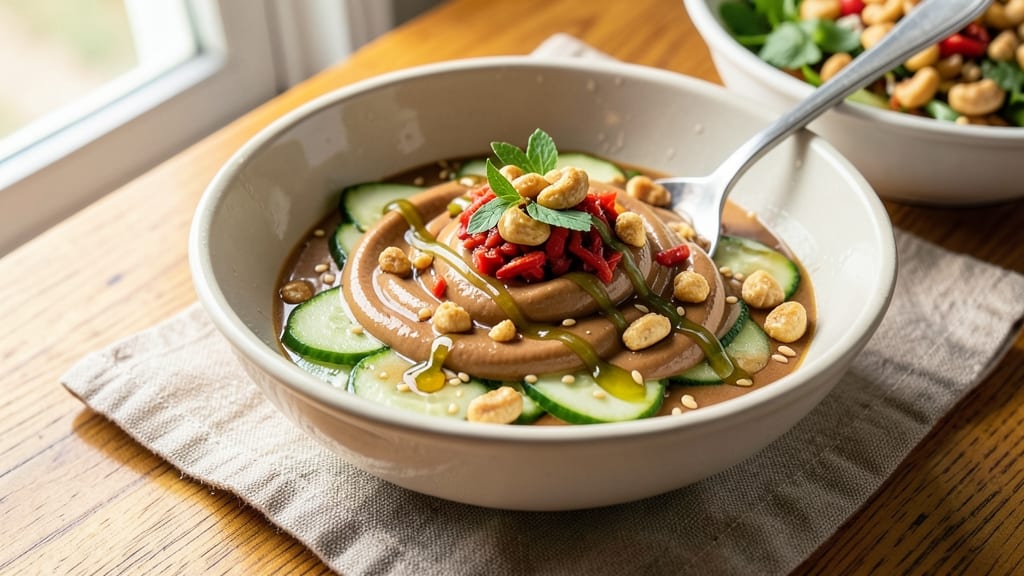
This bang bang peanut sauce recipe transforms simple ingredients into a velvety, addictive dip that balances sweet, spicy, and savory flavors in every bite.
The secret lies in blending creamy peanut butter with a tangy-sweet base, then adding just the right amount of heat to create a sauce that’s both bold and balanced.
I developed this recipe after craving that perfect harmony of flavors—sweet from honey, heat from cayenne, and depth from soy sauce—all coming together in a smooth, dip-worthy texture.
The beauty of this sauce is its versatility—it’s perfect for dipping crispy wings or fries, tossing with noodles, or even spreading on sandwiches.
The key steps are simple: simmering the sauce until it thickens just enough to coat the back of a spoon, then adjusting the spice level to your preference. I like mine with a little kick, but you can always dial it back with extra peanut butter or honey.
What makes this sauce stand out is how it elevates any dish without overpowering it. The peanut butter adds richness, the soy sauce brings umami depth, and the cayenne delivers a slow-building heat that lingers.
Once you taste it, you’ll want to make a big batch—it keeps well in the fridge for up to a week and freezes beautifully for future cravings.
Whether you’re serving it at a game-day gathering or meal prepping for the week, this sauce is a game-changer. The ingredients are simple, but the results are restaurant-quality—creamy, spicy, and impossible to resist. Let’s get started!
Ingredients for bang bang peanut sauce
Nine simple ingredients create this addictive, restaurant-quality sauce that's perfect for wings and noodles.
| Ingredient | Amount | Notes |
|---|---|---|
| Creamy Peanut Butter 🥜 | 1 cup | Natural, unsweetened preferred |
| Soy Sauce 🍜 | ½ cup | Low-sodium preferred |
| Honey 🍯 | ½ cup | Wildflower for floral notes |
| Rice Vinegar 🍶 | 2 tbsp | White or seasoned |
| Cayenne Pepper 🔥 | 1 tsp | Adjust for heat preference |
| Garlic Cloves 🧄 | 3 cloves | Minced for smooth texture |
| Sesame Oil 🫒 | 1 tbsp | Toasted for nutty aroma |
| Water 💧 | ¼ cup | Room temperature preferred |
| Sesame Seeds 🌾 | 1 tbsp | Toasted for garnish |
| Salt 🧂 | ½ tsp | Kosher or sea salt |
Peanut butter is the heart of this sauce, so grab the creamiest, unsweetened kind—Smucker's Natural or Jif Natural work great. If you're feeling fancy, Trader Joe's has a great organic option too. The soy sauce should be low-sodium—it's what brings that deep umami flavor. I always double-check the label because regular soy sauce can make the sauce too salty. Honey should be wildflower or clover for that perfect balance of sweetness. Cayenne is where you control the heat—start with just a pinch if you're sensitive to spice, then add more to taste. The garlic? Freshly minced is ideal, but a garlic powder at half the amount works in a pinch.
No peanut butter? Almond butter or tahini both work beautifully—just add a splash of water to thin it out. Running low on rice vinegar? Apple cider vinegar or lime juice will give you that tangy kick. Sesame oil is non-negotiable for that nutty aroma, but if you're avoiding it, toasted sesame seeds at double the amount can add some depth. The water is just to thin the sauce to your preferred consistency—start with the full amount, then adjust as you go. For extra crunch, toast your sesame seeds in a dry pan for about 30 seconds until golden. The salt should be kosher or sea salt—it dissolves better than table salt and gives you more control over the flavor.
This sauce keeps beautifully in the fridge for up to 1 week, though I usually make a big batch and use it within 3-4 days. For longer storage, freeze it in ice cube trays—perfect for single servings. When reheating, just give it a quick stir in the microwave or simmer on the stove for 30 seconds. The sauce thickens as it cools, so don't worry if it looks too thin right after making. If it gets too thick later, just add a splash of water or soy sauce to loosen it up. Trust me, you'll want to make extra—it disappears fast!
Why You'll Love This Recipe
- Five-Ingredient Magic: Honestly, I swear by this—just stir those five things together (peanut butter, soy sauce, honey, vinegar, cayenne) and boom. No measuring cups, no fancy techniques, just a whisk and a bowl. My lazy Sundays just got a lot easier.
- Sweet & Spicy Fix: That honey and cayenne combo? It’s like peanut butter’s rebellious cousin—creamy but with a kick that lingers. Drizzle it over noodles or chicken, and suddenly you’ve got a flavor explosion that’s weirdly satisfying.
- Leftover Hero: Make a double batch and thank me later. This sauce keeps for days in the fridge, so you’re always ready to toss it on stir-fries, sandwiches, or even ice cream (yes, really). My fridge is basically a flavor time capsule.
- Budget Powerhouse: Peanut butter, soy sauce, and honey? Those are pantry staples that won’t break the bank. I’ve made this sauce for date nights, game days, and “what’s for dinner?” moments—all without stressing my wallet.
Step-by-step instructions for bang bang peanut sauce
Here's how to make this addictive sauce that balances spicy kick, rich peanut flavor, and perfect smoothness.
Combine Wet Ingredients for a Smooth Base
In a medium saucepan, measure out the 1 cup creamy peanut butter and add it to the pan. I like to use natural, unsweetened peanut butter for the best flavor—it gives that authentic tang. Place the saucepan over medium-low heat and let it melt completely, stirring occasionally with a wooden spoon or silicone spatula. This takes about 3-4 minutes, and you'll see it transform from thick to smooth and liquid.
While the peanut butter melts, add the 0.5 cup honey and 0.5 cup soy sauce (low-sodium preferred) to the pan. Stir well to combine these ingredients thoroughly. The honey will help create that signature sweetness, while the soy sauce adds depth and umami. If you're using a sweeter honey, you might want to reduce the amount slightly—taste as you go. The mixture should look glossy and well-blended.
Add Aromatics and Build Flavor Layers
Next, add the 2 tbsp rice vinegar, 1 tbsp sesame oil, and 0.5 tsp salt to the saucepan. Stir everything together and let the mixture simmer gently for 2-3 minutes. This is where the sauce starts to come together—you'll notice the rice vinegar adds a bright acidity that cuts through the richness of the peanut butter, while the sesame oil infuses that nutty aroma.
Now, add the 3 cloves minced garlic and 1 tsp cayenne pepper. Stir well and let the sauce simmer for another 1-2 minutes. The garlic will release its aromatic oils, and the cayenne will start to infuse heat into the sauce. Be careful not to let it boil—you want it to simmer gently so the flavors meld without losing moisture. Here's where it gets fun: taste the sauce now. You'll notice the balance of sweet, spicy, and savory flavors starting to develop.
Thin and Finish the Sauce
Gradually add the 0.25 cup water to the saucepan, stirring constantly to prevent lumps from forming. The goal is to create a smooth, velvety consistency that coats the back of a spoon. If the sauce is too thick, add a little more water, 1 tablespoon at a time, until it reaches your desired thickness. You want it to be pourable but still cling to whatever you're dipping or tossing.
Once the sauce is smooth and well-combined, remove the pan from heat. Let it cool slightly for 2-3 minutes—this prevents the sesame oil from separating when you add the sesame seeds later. Stir in the 1 tbsp toasted sesame seeds just before serving. These seeds add a delightful crunch and visual appeal, and they toast beautifully when sprinkled over the warm sauce.
Adjust and Serve Immediately
Taste the sauce one final time and adjust the seasoning if needed. If it's too sweet, add a splash more soy sauce or a pinch of cayenne for heat. If it's too spicy, balance it with a little more honey. The sauce should be vibrant, tangy, and perfectly balanced between sweet and spicy. Here's the thing—this sauce tastes best when it's fresh and warm, so don't let it sit too long before serving.
Use the sauce immediately to toss with crispy fried wings, noodles, or even as a dip for spring rolls. The texture should be silky and clingy, with a perfect balance of heat and sweetness in every bite. If you have leftovers, store them in an airtight container in the refrigerator for up to 5 days, but I promise you won't have any leftovers—this sauce disappears fast!
Pro Tips For Making Bang Bang Peanut Sauce
- STIR CONSTANTLY: This isn’t just a sauce—it’s a temperamental one. Once you add the peanut butter, keep that spoon moving in fast circles for at least 30 seconds, or you’ll end up with a clumpy mess that no amount of whisking later will fix. I learned this after making a batch that looked like peanut butter had thrown a tantrum.
- USE GRANULATED HONEY: Liquid honey? Skip it. Granulated honey dissolves faster and won’t turn your sauce into a sticky disaster. If you’re in a rush, crush the clumps with a fork first, then add a splash of warm water to help it melt into the sauce—this cuts down on clumping by half.
- DILUTE THE CAYENNE FIRST: Mix the cayenne with a teaspoon of rice vinegar before adding it to the sauce, or you’ll regret it. I’ve seen people add it straight to the peanut butter and end up with a sauce that’s more like cayenne-flavored peanut butter with a side of regret. The vinegar softens the burn and spreads it evenly.
- WHISK IN HOT WATER: If your peanut butter is thick or grainy, add 2 tablespoons of hot water (not boiling) to the sauce while whisking. It thins it out instantly without watering down the flavor—something cold water will do, and you’ll taste the difference. Works like magic, especially if you’re using natural peanut butter.
Storing and reheating this dish
Fridge Storage Tips
Store your bang bang peanut sauce in an airtight container with a tight-fitting lid—I use glass mason jars for easy pouring and reheating. The sauce thickens as it cools, so let it sit at room temperature for 10-15 minutes before sealing to prevent condensation.
Once chilled, it keeps for up to 5 days in the fridge, though I usually finish it within 2-3 days because it’s so addictive. 🥫
When you’re ready to use it again, give the sauce a good stir—it naturally separates slightly. If it thickens too much, add 1-2 teaspoons of water or soy sauce and whisk until smooth. For extra creaminess, microwave for 10-15 seconds to restore its velvety texture.
Freezer Storage Hacks
For longer storage, freeze the sauce in ice cube trays—this makes it perfect for single servings later. Once frozen, transfer the cubes to a ziplock freezer bag and flatten to save space.
The sauce stays fresh for up to 3 months in the freezer, though the texture may become slightly grainy when thawed. To fix this, whisk in 1 teaspoon of warm water or sesame oil to restore smoothness. ❄️
If you prefer freezing in larger batches, use silicone molds or small jars. Leave ½ inch of headspace to prevent expansion cracks. Thaw overnight in the fridge or microwave for 20-30 seconds on 50% power, stirring between intervals.
Reheating Methods
For the best results, reheat the sauce on the stovetop over low heat—this preserves its silky texture. Add 1-2 tablespoons of water to prevent burning, then stir constantly for 1-2 minutes until warm.
Avoid boiling, as this can make the sauce separate. If using a microwave, heat in 10-second bursts, stirring well between each, until fully warmed. 🔥
For extra richness after reheating, drizzle in ½ teaspoon of sesame oil or a pinch of toasted sesame seeds. This restores the nutty aroma and balances any slight thinning from reheating. Always taste and adjust seasoning—sometimes a splash of rice vinegar or honey brings it back to perfection.
Sauce Texture Fixes
If your reheated sauce is too thick, thin it with water, soy sauce, or a splash of honey—just ½ teaspoon at a time until it reaches your preferred consistency.
For a thinner sauce, whisk in 1 tablespoon of warm water while stirring vigorously. If it’s too thin, simmer uncovered on low heat for 1-2 minutes to reduce slightly. 💡
For a quick fix, blend the sauce briefly in a mini food processor or immersion blender to break up any lumps. If the sauce separates (common with long-term storage), whisk vigorously with 1 teaspoon of peanut butter to restore its creamy texture.
Pro tip: Always store and reheat in glass containers—plastic can absorb flavors and alter the taste over time.
Nutrition facts
Frequently asked questions
Can I make this peanut sauce without peanut butter?
Yes! For a nut-free version, substitute 1 cup almond butter or ½ cup tahini (thinned with 2 tbsp water). The flavor will be slightly different but still delicious. If using tahini, add 1 extra tbsp sesame oil for richness. For a dairy-free option, ensure your peanut butter is labeled "vegan" or made without milk.
How do I adjust the spice level?
Start with ½ tsp cayenne pepper for mild heat, then increase to 1 tsp for medium, or 1½ tsp for extra spicy. For a different heat profile, swap cayenne for 1 tsp gochujang (Korean chili paste) or ½ tsp red pepper flakes. If it's too spicy, balance with 1 extra tbsp honey or a splash of soy sauce.
What's the best way to use this sauce?
This sauce shines as a dipping sauce for fried wings, spring rolls, or fries, but it's also perfect for tossing with ramen noodles, rice bowls, or grilled chicken. Try it as a sandwich spread on toasted bread with avocado or drizzled over sweet potato fries. For extra flavor, add chopped cilantro or green onions just before serving.
Why did my sauce separate?
Sauce separation happens when the peanut butter and liquid ingredients aren't fully emulsified. Fix it by whisking vigorously with 1 tsp peanut butter or blending briefly with an immersion blender. If stored too long, the sauce may thicken—thin with 1-2 tsp water while stirring. To prevent separation, always store in glass containers and avoid freezing for more than 3 months.
Can I make this sauce ahead of time?
This sauce tastes even better after resting for 24 hours as the flavors meld. Store in an airtight container in the fridge for up to 5 days. For meal prep, make a big batch and freeze in ice cube trays for single servings. Thaw overnight in the fridge or reheat gently on the stove—never microwave directly from frozen to avoid separation.