
Sauces & Condiments
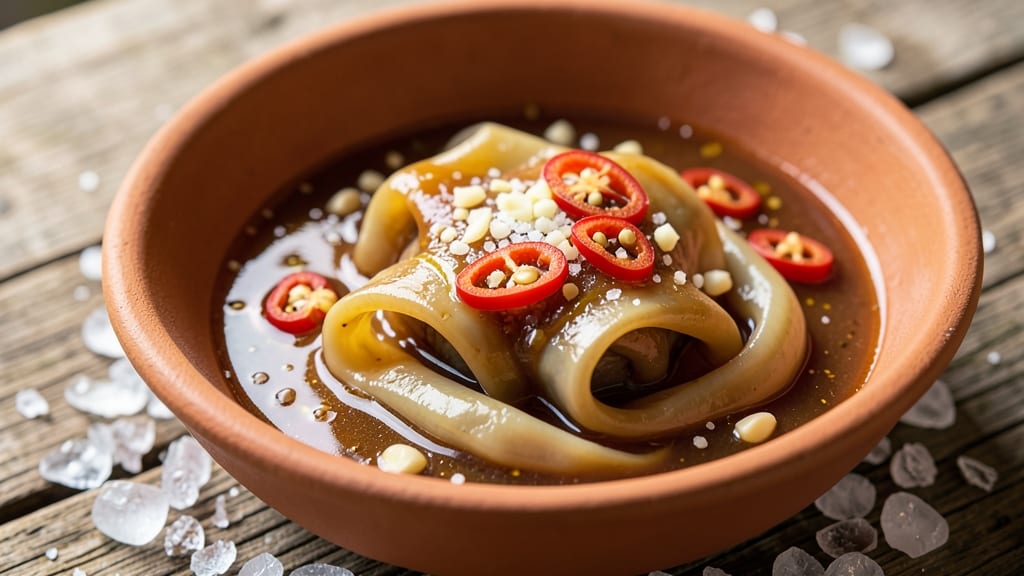
This balut sauce recipe transforms crispy edges into a flavor explosion with its tangy, vinegar-lime dip that’s both refreshing and addictive. The secret lies in balancing sweet, sour, and umami—fish sauce, garlic, and chili create depth while vinegar and calamansi (or lime) deliver that signature bright tang.
It’s the perfect companion to steamed balut, but its versatility shines with rice or grilled seafood too.
The sauce comes together in 10 minutes with simple ingredients you likely already have: vinegar, fish sauce, garlic, chili, and a squeeze of citrus. No cooking required—just whisk, taste, and adjust until the flavors hit that sweet spot.
The result is a glossy, aromatic dip that cuts through richness while enhancing textures, making every bite of crispy balut or grilled meat unforgettable.
What makes this sauce special is its ability to elevate humble ingredients. The vinegar-lime base ensures crispy edges stay crunchy, while the fish sauce and chili add layers of savory heat.
It’s a foolproof way to turn a simple dish into a memorable experience, whether you’re serving balut at a fiesta or pairing it with seafood for a weeknight dinner.
For extra depth, let the sauce sit for 15 minutes before serving—this allows flavors to meld and intensify. Store leftovers in the fridge for up to a week, though it rarely lasts that long. Ready to take your crispy edges to the next level? Here’s how to make it.
Ingredients for balut sauce
Nine essential ingredients create this vibrant, umami-rich balut sauce that elevates crispy textures.
| Ingredient | Amount | Notes |
|---|---|---|
| White Vinegar 🍋 | ½ cup | Distilled preferred for clarity |
| Fish Sauce 🐟 | ¼ cup | Red Boat brand recommended |
| Garlic Cloves 🧄 | 4 cloves | Minced finely for depth |
| Fresh Chili Peppers 🌶️ | 2 whole | Bird's eye or Thai chili |
| Calamansi Juice 🍋 | ¼ cup | Or lime juice substitute |
| Granulated Sugar 🍚 | 1 tbsp | Balances tangy flavors |
| Salt 🧂 | ½ tsp | Kosher or sea salt |
| Black Peppercorns 🌶️ | ¼ tsp | Freshly ground preferred |
| Fresh Cilantro Leaves 🌿 | ¼ cup | Chopped for garnish |
| Sesame Oil 🫒 | 1 tsp | Toasted for aroma |
The fish sauce is non-negotiable—Red Boat delivers the best quality with balanced umami. Look for it in the Asian aisle at Whole Foods or Trader Joe's, where it’s typically stocked near soy sauce. Calamansi juice is ideal but lime juice works perfectly if unavailable—just double the amount to compensate for milder acidity. Fresh chili peppers should be vibrant red, not wilted, and bird's eye chilies provide that signature heat without overpowering. For garlic, peel and mince while cold to prevent browning, and toast the sesame oil in a dry pan for 30 seconds to enhance its nutty aroma before adding to the sauce.
No calamansi? Key lime juice with a pinch of salt mimics the tartness. Substitute fish sauce with soy sauce plus a splash of oyster sauce, though the umami depth won’t be identical. If fresh chili peppers are too spicy, blend them with a bit of sugar first to mellow the heat. For a sweeter profile, palm sugar or coconut sugar can replace granulated sugar. The cilantro is purely for garnish—skip it if you dislike its flavor, but it adds a bright finish that complements the sauce’s complexity. Store-bought sesame oil is fine, but toasting it briefly transforms its flavor from bland to aromatic.
This sauce keeps beautifully in the fridge for up to 1 week, though it’s best enjoyed fresh. For extra depth, let it sit for 15 minutes before serving—this allows the flavors to meld and intensify. If making ahead, store it in an airtight container with a thin layer of oil on top to preserve freshness. The sauce pairs perfectly with balut, grilled seafood, or even rice—its tangy brightness cuts through richness while enhancing textures. Double the batch if you’re serving a crowd; it disappears quickly.
Why You'll Love This Recipe
- Pantry Magic: I swear by this sauce because it uses things I already have—vinegar, fish sauce, garlic, and chili. No fancy shopping trips, just honest flavors that hit the spot every time.
- Tangy Kick: That calamansi juice? It’s the secret weapon—bright, zesty, and just a little sour to cut through the richness. One taste and you’ll be adding it to everything.
- Party-Ready Dip: Serve it with balut, grilled fish, or even fries—it’s that flexible. Honestly, I’ve had friends ask for the recipe just to drizzle it on their rice.
- No-Waste Winner: A little goes a long way, so I make a big batch and keep it in the fridge. Cheap, lasts forever, and still tastes fresh even after a week. Budget-friendly perfection.
Step-by-step instructions for balut sauce
This tangy, aromatic dip delivers the perfect balance of heat and brightness to complement crispy balut edges.
Prepare the Chili and Garlic Base
Begin by finely mincing the 4 cloves garlic cloves and seeding the 2 whole fresh chili peppers—keep the stems intact to avoid bitterness. Heat 1 teaspoon sesame oil in a small saucepan over medium heat until shimmering but not smoking. Add the garlic and chili peppers, cooking for 1-2 minutes until the garlic turns golden and the chilis soften slightly. This step develops the aromatic foundation of your sauce.
Real talk: Don't rush this stage. You'll notice the garlic releases a rich, toasty aroma—this is your signal that the flavors are melding properly. If the garlic starts to brown too quickly, reduce the heat slightly to prevent burning. The chilis should soften but maintain their shape, releasing their natural oils into the oil.
Combine Wet Ingredients
Remove the saucepan from heat and let it cool for 1 minute. Add the 0.5 cup white vinegar, 0.25 cup fish sauce, 0.25 cup calamansi juice, 1 tablespoon granulated sugar, 0.5 teaspoon salt, and 0.25 teaspoon black peppercorns to the pan. Stir vigorously to incorporate all ingredients, ensuring the sugar dissolves completely. Return the pan to low heat and simmer gently for 3-4 minutes until the mixture thickens slightly.
Here's the thing—this sauce should be balanced. Taste as you go, adjusting the sugar if it's too sharp or adding a pinch more salt if needed. The calamansi juice should brighten the flavors, while the fish sauce adds depth. If you're using lime juice as a substitute, expect slightly less tanginess, so you may need to add an extra splash of vinegar to compensate.
Finish with Fresh Cilantro
Remove the sauce from heat and let it cool for 5 minutes. Stir in the 0.25 cup chopped fresh cilantro leaves until evenly distributed. The cilantro adds a fresh, herbaceous note that cuts through the richness of the fish sauce and vinegar. For the best texture, use a fork to gently muddle the cilantro into the sauce, releasing its oils without over-chopping it into a paste.
This is the moment that matters: the cilantro should be fully incorporated, but the sauce should still have a vibrant, speckled appearance. If the sauce thickens too much as it cools, whisk in 1-2 teaspoons of water to restore the ideal consistency. The final sauce should coat the back of a spoon lightly but still be pourable.
Rest and Serve
Transfer the sauce to a serving bowl and let it rest at room temperature for 10 minutes before serving. This resting period allows the flavors to fully meld and the heat from the chilis to mellow slightly. Serve the sauce chilled or at room temperature, depending on your preference—some enjoy it slightly cooler to balance the heat.
For crispy balut edges, this sauce is your secret weapon. The tangy, umami-rich dip complements the savory, slightly charred texture perfectly. Store any leftovers in an airtight container in the refrigerator for up to 5 days, though I promise you won't have any leftovers—it disappears quickly!
Pro Tips For Making Balut Sauce
- PULVERIZE THE GARLIC: After burning my tongue on raw garlic chunks, I learned to mince it finely—almost like a paste—before frying. This ensures it cooks evenly and blends smoothly into the sauce, not leaving you with chewy bits that fight for flavor.
- SIMMER THE VINEGAR: Skip the quick dump and let the white vinegar simmer for 2–3 minutes first—just until it’s hot but not boiling. This softens the harsh acidity so it doesn’t overpower the fish sauce and chili later. (Yes, even if you’re impatient like me.)
- STRAIN THE CHILI STRAINS: I used to leave the chili seeds in, and half the time, I’d end up with a sauce that was more heat than flavor. Now I strain out the seeds and roughly chop the flesh—keeps the fire without the bitterness.
- DILUTE THE FISH SAUCE: Fish sauce is salty, but in this sauce, it needs to play second fiddle to the vinegar’s tang. Mix it with a splash of water (about 1:1) before adding it to the pan—this gives you better control over the balance, especially if you’re using a strong brand.
Common mistakes when making perfect results
Overcooking the Chili
One of the biggest mistakes is letting the chili peppers cook too long in the sesame oil. When you exceed 2 minutes over medium heat, the chilies turn bitter and lose their natural oils, which are essential for that bright, fresh heat.
I’ve learned the hard way—once, I let them cook for 3 minutes, and the sauce ended up tasting like burnt rubber. Keep an eye on them and remove the pan from heat as soon as they soften slightly. 🌶️
Skipping the Resting Time
Rushing the 10-minute rest before serving is a common error. This step isn’t just about temperature—it’s when the flavors truly meld. The fish sauce and vinegar need time to harmonize, and the heat from the chilis mellows just enough to make the sauce more enjoyable.
I’ve served it immediately, and while it’s still good, it lacks that polished, layered taste you get after resting. Patience here makes all the difference.
Using Low-Quality Fish Sauce
The fish sauce is the heart of this sauce, so don’t skimp on quality. Cheap, off-brand fish sauce can taste overly salty, fishy, or even metallic. I always recommend Red Boat—it’s balanced, clean, and delivers that authentic umami without overpowering.
If you’re using a substitute like soy sauce, you’ll miss the depth, and the sauce won’t have the same complexity. Trust me, your taste buds will notice.
Ignoring the Sugar Balance
The 1 tablespoon sugar isn’t just for sweetness—it’s a crucial flavor balancer. Without it, the vinegar and fish sauce can taste harsh or overly salty. I’ve made this sauce without sugar, and while it’s still edible, it lacks that perfect harmony.
Taste as you go and adjust the sugar incrementally. If it’s too sharp, add a pinch more; if it’s too sweet, a splash of vinegar or a drop of calamansi juice will fix it.
Over-Muddling the Cilantro
When you stir in the cilantro, it’s easy to overdo it and turn the sauce into a green paste. The goal is to distribute the leaves evenly while keeping some texture.
I’ve seen sauces where the cilantro is so finely chopped it disappears into the sauce, losing its fresh, herbaceous quality. Use a fork to gently fold it in—just enough to incorporate without breaking it down completely. The sauce should still have visible specks of green. ✨
Not Adjusting for Substitutes
If you’re substituting calamansi juice with lime, don’t use the same amount—lime is milder, so you’ll need more for the same tang. I’ve made this mistake and ended up with a sauce that was too flat.
Similarly, if you’re using a different vinegar (like apple cider), it might add a fruity note that changes the balance. Always taste and adjust. The sauce should be bright, not dull, and the acidity should cut through the richness of the balut.
Nutrition facts
Frequently asked questions about balut sauce
Can I make this sauce without fish sauce?
Fish sauce is essential for authentic umami depth, but you can substitute with 2 tablespoons soy sauce plus 1 teaspoon oyster sauce. The flavor won't be identical, but it will still deliver savory richness. For a vegetarian option, use 2 tablespoons coconut aminos with an extra pinch of salt to mimic the saltiness.
How spicy should the sauce be?
The recipe uses 2 whole bird's eye chilies for moderate heat. For milder heat, remove the seeds and membranes first, or use 1 chili. If you love spice, add an extra chili or a pinch of cayenne. Always taste as you go—adjust to your preference while keeping the sauce's bright, balanced profile.
Can I use this sauce for other dishes?
This versatile sauce pairs beautifully with grilled seafood, rice dishes, or even spring rolls. Its tangy-savory balance works well with anything that needs a bright, umami boost. For extra authenticity, drizzle it over sisig or use it as a marinade for calamares.
Why does my sauce look cloudy?
Cloudiness usually means the fish sauce or vinegar wasn't fully incorporated. Whisk vigorously for 30 seconds to emulsify the mixture. If it's still cloudy, strain through a fine-mesh sieve to remove any sediment. For a clearer sauce, use distilled white vinegar instead of apple cider vinegar.
How do I store leftover sauce?
Transfer to an airtight container and refrigerate for up to 5 days. For longer storage, freeze in ice cube trays—thaw overnight in the fridge. The sauce may thicken when chilled, so whisk in 1 teaspoon water before serving. The flavor actually improves after resting overnight!