
Sauces & Condiments
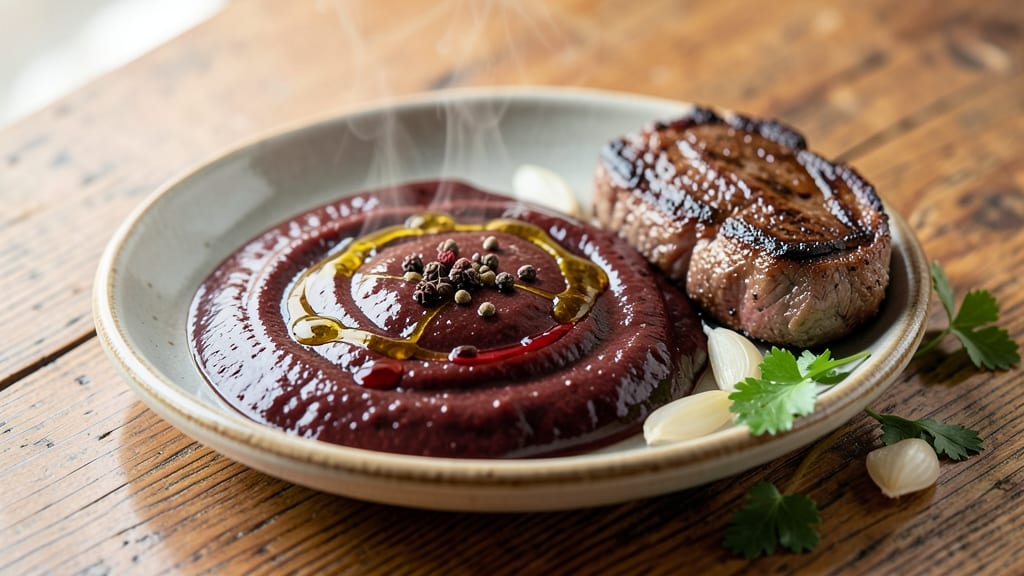
This Baltaire steak sauce recipe delivers the same bold, umami-rich flavor that makes the brand legendary—perfect for elevating grilled meats. The secret lies in balancing tangy vinegar, deep tomato paste, and a touch of sweetness, all harmonized with Worcestershire and soy sauce for that signature savory depth.
What sets this homemade version apart is its restaurant-quality complexity achieved with simple pantry staples.
Unlike store-bought versions, this sauce builds flavor through slow simmering, allowing spices like allspice and mustard seeds to bloom without overpowering. The result is a glossy, velvety sauce with layers of caramelized sweetness and a bold, tangy finish that clings beautifully to steak, burgers, or roasts.
No fancy equipment needed—just a saucepan and patience for a sauce that tastes like it came from a high-end grill station.
The sauce keeps for up to 3 months in the refrigerator, making it ideal for stocking your pantry or gifting. A little drizzle transforms simple grilled chicken into a gourmet meal, while a spoonful stirred into pan juices creates an instant gravy.
The versatility is its strongest asset—equally at home on a charred ribeye or a crispy burger.
For best results, reduce the sauce slightly before serving to intensify its flavor profile. Pair it with medium-rare steaks, grilled lamb chops, or even roasted vegetables for a touch of sophistication. Here’s everything you need to recreate this iconic sauce at home.
Ingredients for baltaire steak sauce
Pantry staples with restaurant-quality depth—this sauce delivers the iconic Baltaire umami punch.
| Ingredient | Amount | Notes |
|---|---|---|
| Extra-Virgin Olive Oil 🫒 | ½ cup | High-quality, fruity variety preferred |
| Tomato Paste 🍅 | ½ cup | Squeeze tube or canned, no sugar added |
| Red Wine Vinegar 🍷 | ½ cup | Bold, dry variety for tangy depth |
| Worcestershire Sauce 🍶 | 2 tbsp | Lea & Perrins preferred for authenticity |
| Soy Sauce 🥢 | 2 tbsp | Light or dark, to taste |
| Allspice Berries 🌶️ | 1 tsp | Whole berries for subtle spice |
| Mustard Seeds 🌿 | 1 tsp | Yellow or brown, toasted for aroma |
| Garlic Cloves 🧄 | 4 cloves | Freshly minced, no pre-minced |
| Shallots 🧅 | 2 whole | Minced, or sub with 3 tbsp onion |
| Brown Sugar 🍯 | 1 tbsp | Light or dark, for caramelized sweetness |
| Salt 🧂 | 1 ½ tsp | Diamond Crystal kosher preferred |
| Black Peppercorns 🌶️ | ½ tsp | Freshly cracked, not pre-ground |
The tomato paste and Worcestershire sauce are your flavor anchors. Trader Joe's has the best no-sugar-added tomato paste in squeeze tubes—no waste, keeps forever. For Worcestershire, Lea & Perrins is non-negotiable; the vinegar should be bold and dry (like Bragg or Heinz), not sweet. Allspice berries and mustard seeds need toasting—heat them in a dry pan for 30 seconds until fragrant. That subtle aroma is what separates homemade from store-bought. Shallots add complexity, but yellow onions work in a pinch if you're in a hurry. The olive oil matters too—use something fruity and peppery (like California extra-virgin) to cut through the richness.
No Worcestershire? Substitute with 1 tbsp soy sauce plus 1 tsp balsamic vinegar, but it won’t be identical. Running out of allspice? Nutmeg at half the amount adds warmth, though it’s not the same. Mustard seeds too pricey? Dijon mustard at 1 tsp gives a similar tang. The sauce can handle a splash of beef broth (1 tbsp) if you want extra depth, but it’s not traditional. For a sweeter finish, honey or maple syrup works 1:1 with brown sugar. And if you’re feeling fancy, a pinch of ground ginger adds warmth without overpowering.
This sauce gets better with time—let it sit for at least 30 minutes before serving so flavors meld. It keeps for up to 3 months in the fridge, so make a double batch. Store in a glass jar with a tight seal to preserve those aromatics. Thin with a splash of water or broth when reheating—it thickens as it cools. A drizzle over medium-rare steak? Instant upgrade. Stir a spoonful into pan juices for gravy. Or slather it on burgers like a fancy restaurant would.
Why You'll Love This Recipe
- Pantry Magic: I swear by this sauce because it’s made with things I already have—no special shopping trips. The red wine vinegar cuts through the richness of the olive oil and tomato paste while the Worcestershire and soy sauce add that deep, umami punch that makes steak taste like it’s from a fancy restaurant.
- One-Pot Powerhouse: Honestly, this sauce is foolproof—I’ve burned it once, but even then, the flavor was still solid. Just toss everything in a pan, let it simmer, and stir occasionally. Fifteen minutes later, you’ve got a glossy, tangy sauce that clings to every bite of steak like it’s meant to be there.
- Weeknight Steakhouse: Between us, this is my secret weapon for making steak feel special without the fuss. Drizzle it over a quick pan-seared steak, and suddenly it’s date night. Or toss it into a skillet with mushrooms and onions for a one-pan dinner that’ll have everyone asking for seconds.
- Budget-Friendly Luxury: I make this sauce in big batches because it keeps for weeks in the fridge, and a little goes a long way. The tomato paste and soy sauce stretch the flavor, so you’re not breaking the bank for a restaurant-worthy finish. Plus, it’s the kind of sauce that tastes even better the next day—if you can resist eating it all at once.
Step-by-step instructions for Baltaire steak sauce
This sauce delivers restaurant-quality depth with simple techniques you can master.
Toast the Spices for Maximum Flavor
Heat the 0.5 cup extra-virgin olive oil in a medium saucepan over medium-low heat. Add the 1 tsp allspice berries and 1 tsp mustard seeds, stirring constantly for 1-2 minutes until the seeds begin to pop and the oil takes on a nutty aroma. This toasting step unlocks their subtle complexity—don't rush it or you'll burn them.
Next, add the 2 whole minced shallots and 4 minced garlic cloves, cooking for another 2-3 minutes until the shallots turn translucent and the garlic becomes fragrant. Here's where the magic happens: the oil infuses with aromatic compounds that form the sauce's foundation. If you smell any burning, immediately reduce the heat to low and let it cool slightly before proceeding.
Build the Sauce Base with Tomato and Vinegar
Increase heat to medium and stir in the 0.5 cup tomato paste, breaking up any lumps with a wooden spoon. Cook for 3-4 minutes, stirring frequently, until the paste darkens slightly and thickens. This step develops the sauce's rich, umami backbone.
Pour in the 0.5 cup red wine vinegar and 1 tbsp brown sugar, stirring to combine. The vinegar will bubble vigorously—this is normal. Let it simmer for 2-3 minutes until the mixture reduces slightly and the sugar begins to caramelize. You're aiming for a glossy, syrupy consistency that coats the back of a spoon. If it looks too thick, add 1-2 tablespoons water to loosen it.
Balance Flavors with Sauces and Seasonings
Reduce heat to low and add the 2 tbsp Worcestershire sauce, 2 tbsp soy sauce, 1.5 tsp salt, and 0.5 tsp freshly cracked black peppercorns. Stir constantly for 1-2 minutes until everything is fully incorporated. This is where the sauce comes together—each ingredient plays its role: Worcestershire adds depth, soy sauce brings umami, salt enhances flavor, and pepper adds subtle heat.
The sauce should now have a balanced profile—tangy from the vinegar, sweet from the caramelized sugar, and savory from the tomato and soy. Taste and adjust seasoning if needed, remembering that the sauce will mellow as it cools. I often add a pinch more salt at this stage, as the flavors meld differently when cold.
Simmer to Perfection and Strain
Return the heat to medium-low and let the sauce simmer gently for 8-10 minutes, stirring occasionally. This final reduction intensifies the flavors and creates that signature Baltaire thickness. You're looking for a sauce that coats the back of a spoon but still flows smoothly. If it thickens too much, whisk in 1 tablespoon water to reach your desired consistency.
Once reduced, remove from heat and strain through a fine-mesh sieve into a clean bowl, pressing on the solids with a spoon to extract every drop of flavor. This step ensures a silky texture without any gritty bits. Let the sauce cool to room temperature—it will thicken further as it sits. For best results, store in an airtight container in the refrigerator for up to 2 weeks, or freeze for longer storage.
Pro Tips For Making Baltaire Steak Sauce
- Bloom the tomato paste: Heat the tomato paste in olive oil for 3–4 minutes before adding liquids—this deepens its flavor and prevents a metallic aftertaste. I used to skip this, and the sauce always tasted flat until I realized it needed to sing first.
- Simmer, don’t boil: Keep the sauce at a gentle simmer, not a rolling boil, or the vinegar and soy sauce will evaporate too fast, leaving you with a thin, sharp mess. Even if you’re impatient (yes, I’ve been there), resist the urge to crank the heat.
- Reduce vinegar gradually: Add the red wine vinegar in stages—start with half, taste, then add the rest—so you don’t overpower the sauce with acid. I’ve ruined batches by dumping it all at once; the balance is delicate.
- Let it rest off heat: Take the sauce off the heat as soon as it thickens, then let it sit for 5 minutes. This lets the flavors meld without risking a split or burning. I know, I know—it’s hard to wait, but it makes all the difference.
Troubleshooting this dish
Sauce Too Thin?
If your sauce ends up too thin after simmering, don’t panic—this is easily fixed. Simmer uncovered on medium-low heat for an additional 5-10 minutes, stirring occasionally, until it thickens to your desired consistency.
For a quicker fix, mix 1 tablespoon cornstarch with 2 tablespoons cold water, stir into the sauce, and cook for 1-2 minutes until it thickens. Just be careful not to over-reduce or the sauce may darken too much and become bitter.
Too Tangy or Sour?
An overpowering vinegar taste means you need to balance the acidity. Stir in ½ teaspoon sugar (or 1 teaspoon honey) to counteract the sharpness, then taste again. If it’s still too tangy, add a splash of beef broth (about 1 tablespoon) to dilute slightly.
The key is to add these adjustments gradually—taste as you go to avoid overcorrecting. A pinch of ground ginger (¼ teaspoon) can also help mellow the acidity while adding warmth.
Sauce Too Thick?
If your sauce thickens more than you’d like, whisk in 1 tablespoon warm water or beef broth at a time until it reaches a smooth, pourable consistency. For a smoother texture, strain again through a fine-mesh sieve to remove any clumps.
If the sauce is too thick due to over-simmering, you can also thin it with a splash of red wine (about 1 tablespoon) to add depth while loosening the texture. Avoid adding water alone—it can dilute the flavor.
Burnt or Bitter Taste?
A burnt or bitter flavor usually means the sauce was cooked too long or at too high a heat. To salvage it, immediately remove from heat and stir in ½ teaspoon brown sugar or 1 teaspoon honey to balance the bitterness.
If the sauce is already dark and bitter, try thinning it with 1 tablespoon red wine vinegar and simmering for just 1-2 minutes to integrate the flavors. For future batches, keep the heat at medium-low during the final reduction to prevent overcooking.
Spices Too Overpowering?
If your allspice or mustard seeds taste too strong, it likely means they were toasted too long or added too much.
To fix it, stir in 1 teaspoon honey or ½ teaspoon sugar to mellow the heat, then add a splash of beef broth (about 1 tablespoon) to dilute the intensity. For next time, toast the spices over low heat for just 30-45 seconds until fragrant but not browned.
If the mustard seeds are too sharp, a pinch of salt can help balance the flavor.
Sauce Separates When Stored?
If your sauce separates after refrigeration, it’s likely due to the natural separation of oils and liquids. To fix it, gently reheat the sauce over low heat while stirring constantly until it returns to a smooth consistency. Avoid vigorous stirring, which can emulsify it too much and make it grainy.
For future batches, let the sauce cool to room temperature before refrigerating to minimize separation. If it happens again, store the sauce in a glass jar with a tight lid to prevent air exposure, which can accelerate separation.
Nutrition facts
Frequently asked questions
Can I make this sauce without Worcestershire sauce?
Yes, but the flavor will differ slightly. Substitute with 1 tbsp soy sauce plus 1 tsp balsamic vinegar for depth, though it won't capture the exact umami complexity. The sauce will still taste delicious—just more vinegary. For a closer match, try ½ tbsp fish sauce (if you eat seafood) combined with ½ tbsp honey to balance.
How long should I simmer the sauce for perfect thickness?
Simmer for 8-10 minutes on medium-low heat after adding all ingredients. The sauce should coat the back of a spoon but still flow smoothly. If it thickens too much, whisk in 1 tbsp water or beef broth to adjust. Over-simmering can make it bitter, so keep an eye on it.
What's the best way to store homemade Baltaire sauce?
Store in an airtight glass jar in the refrigerator for up to 3 months. The sauce thickens as it cools, so stir before using. For longer storage, freeze in ice cube trays—thaw overnight in the fridge and stir in 1 tbsp water if needed. Avoid metal containers, as they can react with the acidity.
Can I use this sauce on non-meat dishes?
While it's designed for steak, it works beautifully on grilled chicken, lamb chops, or even roasted vegetables. For vegetarian dishes, try drizzling it over portobello mushrooms, eggplant, or tofu skewers. The tangy-sweet balance also makes it a great marinade—just thin with 2 tbsp olive oil before applying.
Why does my sauce taste too sharp or vinegary?
This usually happens if the vinegar wasn't fully integrated or the sauce needs balancing. Stir in ½ tsp brown sugar or 1 tsp honey to mellow the acidity, then taste again. If it's still too sharp, add 1 tbsp beef broth to dilute gently. The key is to adjust gradually—taste as you go to avoid overcorrecting.