
Sauces & Condiments
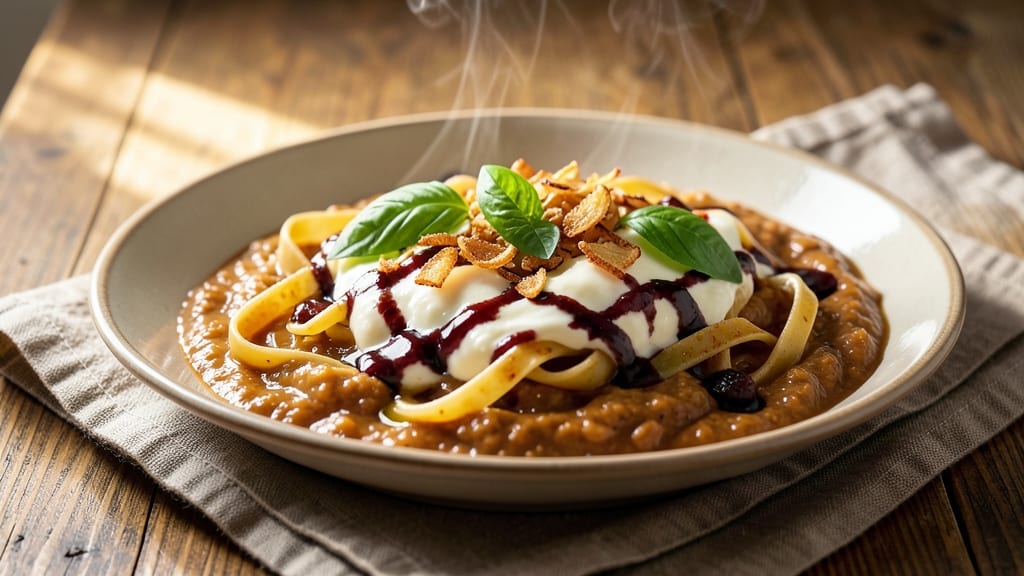
This balsamic pasta sauce recipe transforms simple ingredients into a rich, velvety reduction that elevates any dish. The caramelized onions and balsamic vinegar create a deep, complex flavor that's impossible to resist.
I developed this sauce to add restaurant-quality depth to pasta, meats, or even roasted vegetables—all with just a few pantry staples.
The secret lies in slow cooking the onions until they're deep brown and sweet, then reducing the balsamic vinegar to create a glossy, syrupy sauce. This process develops layers of flavor that take minutes to make but taste like hours of simmering.
The result? A sauce that's glossy, tangy, and perfectly balanced—never too sweet or overly acidic.
What makes this sauce truly versatile is how it adapts to different dishes. Drizzle it over al dente pasta, use it as a marinade for grilled chicken, or toss it with roasted vegetables for an instant flavor boost.
The sauce keeps well in the refrigerator for up to a week, making it perfect for meal prep.
For extra richness, stir in a splash of heavy cream or a drizzle of honey at the end. The possibilities are endless, but the foundation remains the same: caramelized onions, reduced balsamic, and patience—the key to professional results at home.
Ingredients for balsamic pasta sauce
Nine essential ingredients craft this velvety balsamic reduction with restaurant-quality depth.
| Ingredient | Amount | Notes |
|---|---|---|
| Yellow Onions 🧅 | 2 large | Thinly sliced for even caramelization |
| Balsamic Vinegar 🍷 | ½ cup | High-quality aged balsamic preferred |
| Extra-Virgin Olive Oil 🫒 | ¼ cup | For gentle caramelization of onions |
| Granulated Sugar 🍚 | 2 tbsp | Enhances caramelization process |
| Unsalted Butter 🧈 | 2 tbsp | Adds richness at the end |
| Heavy Cream 🥛 | ¼ cup | Optional for extra richness |
| Salt 🧂 | ½ tsp | Diamond Crystal preferred |
| Black Pepper 🌶️ | ¼ tsp | Freshly ground for best flavor |
| Fresh Thyme Leaves 🌿 | ½ tsp | Or 1/4 tsp dried thyme |
| Garlic Cloves 🧄 | 2 cloves | Minced for subtle depth |
The onions are non-negotiable—yellow onions caramelize best for this sauce. Whole Foods or local markets often carry the sweetest varieties. Thinly slice them yourself; pre-sliced onions won't brown properly. For the balsamic vinegar, aged balsamic from Italy delivers the deepest flavor profile. If using regular balsamic, reduce it twice as long. The sugar isn't just for sweetness—it's crucial for developing the Maillard reaction that creates those rich caramelized notes. Organic cane sugar works best as it dissolves cleanly without graininess.
No aged balsamic? Substitute with 3 tbsp regular balsamic vinegar plus 1 tbsp brown sugar—reduce the liquid by half to compensate. Running short on butter? Olive oil at the same quantity maintains richness, though texture will differ slightly. Fresh thyme unavailable? Dried thyme works at one-third the amount, but toast it lightly in a dry pan first to revive its aroma. The garlic can be roasted whole (wrapped in foil at 400°F for 10 minutes) for a sweeter, more complex flavor. For a vegetarian option, omit the butter and use an extra tablespoon of olive oil instead.
This sauce develops flavor over time—reheat gently on low heat to preserve its glossy texture. Store in an airtight container in the refrigerator for up to 7 days, though it's best used within 3-4 days for optimal freshness. Freeze in ice cube trays for 3 months—perfect for quick portions. When reheating, add a splash of water or pasta water to prevent thickening. The sauce thickens as it cools, so thin with a bit of warm water if needed before serving.
Why You'll Love This Recipe
- Here’s what sold me: that little sugar trick rounds out the sharpness of the balsamic, while the butter makes it velvety. It’s not too sweet, not too sour—just that perfect harmony that makes you pour seconds.
- Five-Ingredient Magic: This sauce is basically foolproof—I swear by it. You’re looking at onions, balsamic, olive oil, a pinch of sugar, and butter. That’s it. No fancy techniques, no stress, just melt-in-your-mouth richness in under 20 minutes.
- Sweet-Tangy Balance: Here’s what sold me: that little sugar trick rounds out the sharpness of the balsamic, while the butter makes it velvety. It’s not too sweet, not too sour—just that perfect harmony that makes you pour seconds.
- Weeknight to Dinner Party: I use this for everything. Toss it with spaghetti for a quick weeknight meal, drizzle it over grilled chicken for a fancy-ish dinner, or even slather it on bruschetta when friends drop by. Zero guilt, all flavor.
Step-by-step instructions for balsamic pasta sauce
Master this rich, caramelized sauce that transforms simple pasta into a restaurant-worthy dish.
Caramelize the Onions Slowly
Heat the 0.25 cup extra-virgin olive oil in a large saucepan over medium-low heat. Add the 2 large sliced yellow onions and cook for 30-40 minutes, stirring occasionally. The onions should transform from pale to deep golden brown, releasing their natural sweetness. This slow process is crucial—rushing will result in bitter, underdeveloped flavor.
After 20 minutes, sprinkle the 2 tbsp granulated sugar over the onions and stir to dissolve. The sugar will enhance the caramelization, creating a deeper, more complex flavor profile. You'll know it's ready when the onions are deep amber and have reduced by about half in volume, with a syrupy consistency. If they brown too quickly, reduce the heat immediately to prevent burning.
Add Vinegar and Garlic for Depth
Once the onions are perfectly caramelized, increase the heat to medium and pour in the 0.5 cup balsamic vinegar. The vinegar will bubble vigorously—this is normal. Let it simmer for 5-7 minutes until the liquid reduces by about half and the sauce thickens slightly. The aroma will become rich and tangy, with a hint of sweetness from the caramelized onions.
Add the 2 minced garlic cloves and 0.5 tsp fresh thyme leaves to the pan, stirring for 1 minute until fragrant. The garlic should infuse the sauce with subtle depth, while the thyme adds an earthy note. Remove from heat immediately to prevent the garlic from burning, which would make the sauce bitter. Taste and adjust seasoning with 0.5 tsp salt and 0.25 tsp black pepper—this is where the sauce's balance comes together.
Finish with Butter and Cream
Return the pan to low heat and stir in the 2 tbsp unsalted butter, allowing it to melt completely. The butter will add a velvety richness that balances the tangy vinegar. If the sauce seems too thick, add 1-2 tablespoons of water to loosen it slightly. For extra indulgence, stir in the 0.25 cup heavy cream and simmer for 2-3 minutes until warmed through and slightly thickened.
This final step ensures the sauce has a luxurious mouthfeel while maintaining its depth of flavor. The cream should blend seamlessly, creating a sauce that coats pasta beautifully without being overly heavy. Taste again and adjust seasoning—you may need a touch more salt or pepper to complement the added cream. Keep the sauce warm over low heat while you cook your pasta.
Toss with Al Dente Pasta
Cook your pasta in well-salted boiling water until 1 minute before al dente, then drain, reserving ½ cup pasta water. Immediately toss the hot pasta with the balsamic sauce in the same pan, adding pasta water as needed to create a silky, clinging sauce. The residual heat from the pasta will help the sauce adhere perfectly, creating a harmonious bite with every strand.
Serve immediately while the sauce is still warm, garnished with additional fresh thyme or a drizzle of aged balsamic glaze if desired. The contrast of the creamy, caramelized sauce against the al dente pasta makes this dish truly special. The sauce will thicken slightly as it cools, so don't be tempted to over-thicken it earlier—this is where its natural balance lies.
Pro Tips For Making Balsamic Pasta Sauce
- SWEAT THE ONIONS LOW: I learned this the hard way—dicing onions too big or cooking them too fast turns your sauce bitter. Get them into a fine, even dice (about 1/4-inch pieces) and cook them on low heat for 8-10 minutes with a splash of water. The goal is caramelized, translucent onions, not browned bits that’ll overpower the balsamic.
- SIMMER THE BALSAMIC: Don’t just dump that vinegar in and stir. Reduce balsamic vinegar (about 1/4 cup) in a small saucepan until it’s thick enough to coat the back of a spoon—about 5-7 minutes on medium heat. This cuts the harsh acidity and gives you that glossy, syrupy finish. (Yes, even if you’re impatient like me.)
- SALT THE BUTTER FIRST: Unsalted butter needs seasoning before it hits the pan. Mix in 1/2 teaspoon of salt (and a pinch of black pepper) while melting it with olive oil—this guarantees flavor balance later. Skipping this step means your sauce tastes flat, no matter how much you stir.
- STOP WHEN IT’S GLAZED: The sauce should coat the back of a spoon but still look shiny, not clumpy. If it thickens too much while tossing with pasta, add a splash of pasta water. I used to over-reduce it, thinking more caramelization was better—now I know the magic happens at the last minute.
Perfect pairings for this recipe
Pasta Pairings
This sauce shines brightest with al dente pasta like fettuccine or linguine, where its rich texture clings perfectly. For a rustic touch, try pappardelle—its wide ribbons create a dramatic presentation.
I also love tossing it with farfalle or penne for extra sauce-holding power. The key is cooking pasta just 1 minute shy of al dente to ensure the sauce clings beautifully. 🍝
Protein Pairings
Use this sauce as a marinade for grilled chicken breasts or pork chops—the caramelized onions add incredible depth. Brush it over seared scallops before finishing under the broiler for a restaurant-worthy dish. For vegetarians, drizzle it over roasted eggplant or portobello mushrooms for a meaty texture contrast.
Vegetable Pairings
This sauce transforms simple roasted vegetables into gourmet bites. Toss it with caramelized Brussels sprouts, butternut squash, or asparagus after roasting. The sweetness of the caramelized onions complements the earthiness of root vegetables perfectly.
For a quick side, mix it with sautéed spinach and cherry tomatoes for a warm salad.
Bread & Cheese
Spread this sauce on garlic bread or focaccia for an instant appetizer. The creamy texture pairs beautifully with aged pecorino or fontina cheese, melting into a rich dip. For a decadent twist, drizzle it over grilled cheese sandwiches made with sourdough and sharp cheddar.
Drink Pairings
A crisp Pinot Grigio from Italy complements the sauce's tangy-sweet balance perfectly. For red wine lovers, a Chianti or Sangiovese enhances the caramelized notes. Beer drinkers should try a Belgian witbier—its citrusy flavors cleanse the palate between bites. Sparkling water with lemon also works beautifully for a lighter option.
Nutrition facts
Frequently asked questions
Can I use regular balsamic vinegar instead of aged balsamic?
Yes, but you'll need to adjust the recipe. Use 3 tablespoons of regular balsamic vinegar plus 1 tablespoon brown sugar—reduce the liquid by half longer than called for to compensate for the lower concentration of flavor. Aged balsamic has deeper, more complex notes that develop during years of aging, so regular balsamic won't have the same depth but will still work in a pinch.
How do I prevent the onions from burning while caramelizing?
Keep the heat at medium-low and stir frequently—about every 5 minutes. If the onions start to brown too quickly, reduce the heat immediately. Adding the sugar after 20 minutes helps create a protective layer that slows further browning. Patience is key here—rushing will result in bitter, burnt flavors instead of sweet caramelization.
Can I make this sauce ahead of time?
This sauce actually tastes better after resting. Store it in an airtight container in the refrigerator for up to 7 days. When reheating, warm it gently over low heat and add a splash of water or pasta water to restore its silky texture. The flavors meld beautifully overnight, making it perfect for meal prep.
What can I do if my sauce is too thick?
Add 1-2 tablespoons of warm water or reserved pasta water while reheating, stirring until smooth. The sauce should coat the back of a spoon lightly. If it's still too thick, add more liquid gradually. Remember, the sauce thickens as it cools, so don't over-thicken it initially—this is where its natural balance lies.
Can I make this sauce without dairy?
Certainly! Omit the butter and heavy cream, and use an extra 2 tablespoons of olive oil for richness. The caramelized onions and balsamic will still create a delicious, tangy-sweet sauce. For extra depth, stir in 1 tablespoon of nutritional yeast at the end for a cheesy flavor without dairy.