
Sauces & Condiments
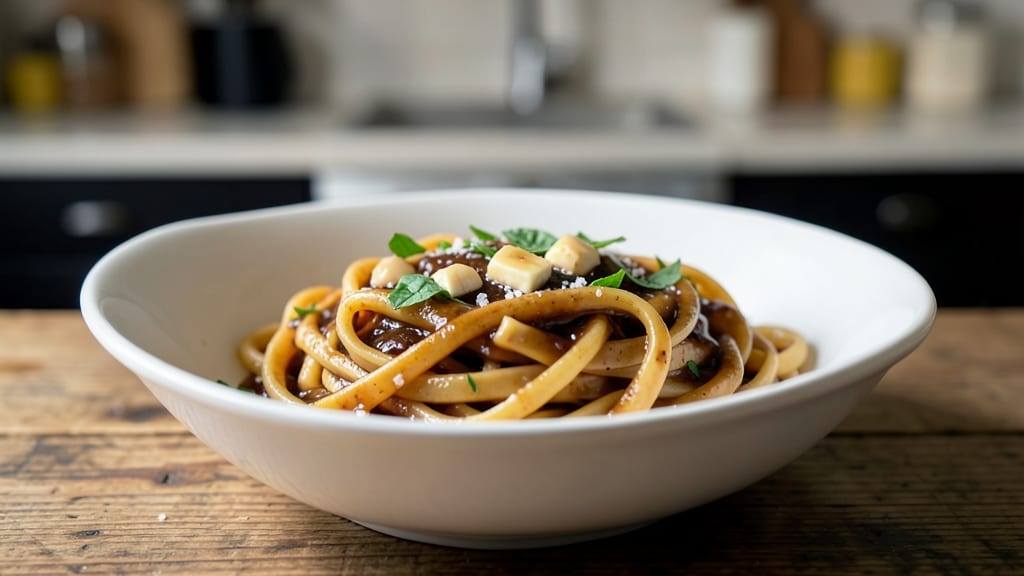
This balsamic butter sauce transforms ordinary meals into restaurant-worthy dishes with just three ingredients and five minutes of work. The perfect balance of sweet, tangy, and rich flavors makes it ideal for drizzling over pasta, grilled meats, or fresh bread.
I’ve perfected this recipe to avoid separation and ensure a silky, emulsified texture that clings beautifully to any surface.
The secret lies in reducing balsamic vinegar to a syrupy consistency before blending it with softened butter—this creates a cohesive sauce that won’t break apart. A touch of garlic or fresh herbs adds depth, while a pinch of salt enhances the flavors without overpowering them.
The result is a versatile condiment that elevates everything it touches, from seared steaks to garlic bread.
What makes this sauce truly special is its foolproof technique—no fancy equipment or advanced skills required. Once you’ve mastered the basic method, you can experiment with variations like adding a splash of honey for extra sweetness or a sprinkle of smoked paprika for a smoky twist.
The sauce keeps well in the refrigerator for up to a week, ready to transform any meal at a moment’s notice.
Whether you’re hosting dinner guests or simply craving a gourmet touch for your weeknight pasta, this balsamic butter sauce delivers restaurant-quality flavor with minimal effort. Let’s get started—your taste buds will thank you.
Ingredients for balsamic butter sauce
Three core ingredients plus optional tweaks create this restaurant-worthy drizzle.
| Ingredient | Amount | Notes |
|---|---|---|
| Balsamic Vinegar 🍷 | ½ cup | High-quality aged balsamic preferred |
| Unsalted Butter 🧈 | 1 cup | Cold, cubed for best texture |
| Garlic Cloves 🧄 | 2 cloves | Minced for subtle depth |
| Sea Salt 🧂 | ½ tsp | Fine grain preferred |
| Fresh Basil Leaves 🌿 | ¼ cup | Chopped, for herbal brightness |
| Honey 🍯 | 1 tbsp | Optional for extra sweetness |
The balsamic vinegar is the star—look for aged, thick balsamic at the store's gourmet section, not the cheap red stuff. DiMaggio or Balsamic Vinegar of Modena are my go-tos, but any aged balsamic will work. The butter should be cold when you start, so pull it from the fridge just before using. Fresh basil and honey are optional but elevate the sauce to next-level flavor. I always grab extra basil—half gets chopped for the sauce, and half gets torn over the final dish.
No aged balsamic? Regular balsamic vinegar reduced by half works in a pinch, but it won't have that same rich depth. Short on butter? Olive oil at half the amount keeps the sauce emulsified. The garlic can be skipped if you're sensitive to its flavor, but trust me on keeping it—it rounds out the tangy-sweet balance. Fresh basil wilt fast, so store it in a damp paper towel in the fridge until ready to use. The honey? Only add it if you want extra sweetness—it's completely optional but makes the sauce sing.
This sauce keeps beautifully in an airtight jar in the fridge for up to 1 week. The texture might thicken slightly, so just stir before using. For longer storage, freeze portions in ice cube trays—perfect for single-use drizzles. I always make a double batch because it disappears faster than you'd think. The flavor actually improves after a day or two as everything melds together, so leftovers are a bonus.
Why You'll Love This Recipe
- Five-Ingredient Magic: I swear by this one—just melt butter, toss in garlic and basil, then simmer with balsamic until it thickens. No measuring cups, no fuss, just pure flavor.
- Garlic-Basil Bliss: That first bite? The buttery richness with the tangy balsamic and fresh basil hitting your tongue—it’s like a hug for your taste buds. Honestly, I’ve made it for everything from grilled chicken to toasted bread, and it never disappoints.
- Weeknight Superstar: Between us, this sauce saves my dinners when I’m tired or short on time. Spread it on steak, drizzle over pasta, or even slather it on garlic bread—it’s my go-to when I don’t want to think too hard.
- Leftovers That Last: Make a big batch and store it in the fridge for up to a week. The flavors deepen over time, and it’s perfect for last-minute meals. (Yes, even on a Tuesday night when you’ve got nothing planned.)
Step-by-step instructions for balsamic butter sauce
Here's how to make this velvety, tangy-sweet sauce that elevates everything from pasta to grilled meats.
Simmer the Balsamic Vinegar
Pour the 0.5 cup balsamic vinegar into a small saucepan and place it over medium heat. Let it simmer gently for 5-7 minutes until it reduces by about half and becomes syrupy. You'll see it darken slightly and develop an intense aroma—this is where the deep, caramelized flavor comes from.
Watch carefully as it reduces—you don't want it to burn. If it starts to bubble too vigorously, reduce the heat slightly. The reduced vinegar should coat the back of a spoon and have a thick, glossy consistency. Remove from heat and let it cool for 2 minutes before proceeding.
Melt the Butter and Garlic
In a separate small saucepan, melt the 1 cup unsalted butter over low heat. Once fully melted, add the 2 minced garlic cloves and 0.5 teaspoon sea salt. Cook for 1-2 minutes until the garlic is fragrant but not browned—just enough to infuse the butter with its subtle flavor.
Here's the thing—don't let the garlic brown or it'll turn bitter. If you see it starting to color, remove the pan from heat immediately. Keep the butter warm but not bubbling as you'll be adding the reduced vinegar next.
Combine and Sweeten
Carefully pour the reduced balsamic vinegar into the melted butter mixture. Stir gently to combine, then add the 1 tablespoon honey and bring to a very gentle simmer. Let it cook for 2-3 minutes until the honey dissolves completely and the sauce begins to thicken slightly.
The sauce should now have a beautiful balance of sweet, tangy, and buttery flavors. Taste it and adjust the seasoning if needed—you might want to add a pinch more salt or a splash of vinegar to perfect the balance. This is where you can customize it to your preference.
Finish with Fresh Basil
Remove the sauce from heat and stir in the 0.25 cup chopped fresh basil leaves. Let it steep for 1-2 minutes so the basil can infuse its bright, herbal notes into the sauce. You'll see the leaves soften slightly and the sauce take on a beautiful green hue.
Strain the sauce through a fine-mesh sieve if you prefer a completely smooth texture, or leave the basil in for a more rustic presentation. Either way, the basil adds a fresh contrast to the rich, tangy-sweet sauce. Transfer the sauce to a clean jar or bowl and let it cool to room temperature before using.
Use Immediately or Store
This sauce is best used fresh, but it will keep in the refrigerator for up to 1 week in an airtight container. When ready to use, simply reheat gently over low heat until warm and smooth. The sauce will thicken slightly as it cools, so you can thin it with a splash of warm water or milk if needed.
Use it as a drizzle over warm pasta, a topping for grilled meats, or a spread for crusty bread. The perfect balance of sweet and tangy makes it incredibly versatile—don't be afraid to get creative with it!
Pro Tips For Making Balsamic Butter Sauce
- Warm the Vinegar First: Cold balsamic vinegar in butter makes the sauce seize up like a stubborn mule. Heat the vinegar in a small saucepan until it’s just steaming—about 30 seconds—before mixing it into the butter. This keeps the sauce smooth and silky, not grainy.
- Mince Garlic Like You Mean It: Whole garlic cloves won’t infuse properly, and pre-minced garlic turns to sludge. Use a knife to finely chop 2-3 cloves (about 1 teaspoon) or smash them with the flat of your knife—just enough to expose the edges. This releases flavor without bitterness.
- Don’t Boil the Butter: I learned this the hard way—once you hit 160°F (70°C), butter separates and turns into a sad, greasy mess. Keep the heat low after adding the vinegar, stirring constantly until the butter just melts into a glossy emulsion. Patience here saves the sauce.
- Toast the Basil Last: Fresh basil wilts and turns bitter if cooked too long. Stir in the leaves at the very end, just to wilt them slightly—about 10 seconds—then remove them if you want a cleaner look. Save a few for garnish; they add brightness.
Make-ahead tips for this recipe
Prep Ahead Strategy
Make this sauce 24 hours in advance—the flavors actually deepen as the balsamic and butter meld together. I always prepare mine the night before dinner so it's ready to drizzle over freshly cooked pasta or grilled steak.
Store in an airtight glass jar in the fridge, and it'll keep for up to 1 week without losing its velvety texture. 💫
Freezing for Later
For longer storage, portion the sauce into ice cube trays or small freezer-safe containers. Each cube makes a perfect single-use drizzle for a salad or steak. Freeze for up to 3 months—thaw overnight in the fridge before using.
To reheat, warm gently in a small saucepan over low heat with a splash of water or milk to restore its silky consistency.
Double Batch Tip
This sauce disappears faster than you'd think, so I always double the recipe. The extra portion keeps in the fridge for quick meals—just reheat and drizzle over roasted vegetables, grilled chicken, or even mashed potatoes.
Trust me, you'll want to have it on hand for last-minute meals. The second batch is always the first to vanish! 🍽️
Reheating Perfection
Never microwave this sauce—it can cause separation. Instead, reheat in a small saucepan over low heat for 1-2 minutes until warm and smooth. If it thickens too much, add 1 teaspoon warm water at a time until it reaches your desired consistency.
The gentle heat preserves the sauce's emulsified texture and rich flavor.
Flavor Boost After Storage
If your sauce tastes slightly flat after refrigeration, revive it by adding 1 extra pinch of sea salt and ½ teaspoon fresh lemon juice. The acidity brightens the flavors, and the salt enhances the sweet-tangy balance.
This trick works like magic on day-old sauce—it'll taste fresh again in seconds. 💡
Portion Control
Use a coffee spoon for precise drizzling—about 1 teaspoon per serving is perfect for pasta or grilled meats. For bread, spread about 1 tablespoon per slice.
The sauce's intensity means a little goes a long way, so resist the urge to overdo it. Save the leftovers for your next meal! 🍞
Nutrition facts
Frequently asked questions
Can I make this sauce without honey?
The honey adds sweetness, but you can skip it entirely or substitute 1 teaspoon maple syrup for a similar effect. If you prefer a more tart version, reduce the honey to ½ teaspoon or omit it—just remember the sauce will be slightly less balanced without it. The key is adjusting the sweetness to match your taste.
Why did my sauce separate?
Separation usually happens when the sauce cools too quickly or if you didn’t reduce the balsamic enough. To fix it, gently reheat the sauce over low heat while whisking continuously until smooth. For prevention, always reduce the vinegar until syrupy and add it to warm (not hot) butter. If it separates again, stir in 1 teaspoon warm water to restore consistency.
What’s the best way to use this sauce?
This versatile drizzle works beautifully over pasta, grilled meats, roasted vegetables, or as a spread for garlic bread. For extra flair, drizzle it over warm polenta or use it as a finishing sauce for seared scallops. The rich, tangy flavor pairs especially well with creamy dishes like mashed potatoes or risotto.
Can I use olive oil instead of butter?
Yes, but the texture will be lighter. Replace the butter with ½ cup olive oil and reduce the honey to ½ teaspoon to balance the flavors. The sauce will be less rich but still delicious—ideal for drizzling over salads or grilled seafood. For a creamy texture, stick with butter, but olive oil works in a pinch for a lighter version.
How do I adjust the tanginess?
If the sauce tastes too sharp, add ½ teaspoon honey or maple syrup to sweeten it. For extra depth, stir in 1 teaspoon balsamic glaze (store-bought) or a pinch of smoked paprika for a smoky twist. To mellow the tang, a splash of warm milk or cream can soften the acidity while keeping the sauce emulsified. Taste as you go!