
Sauces & Condiments
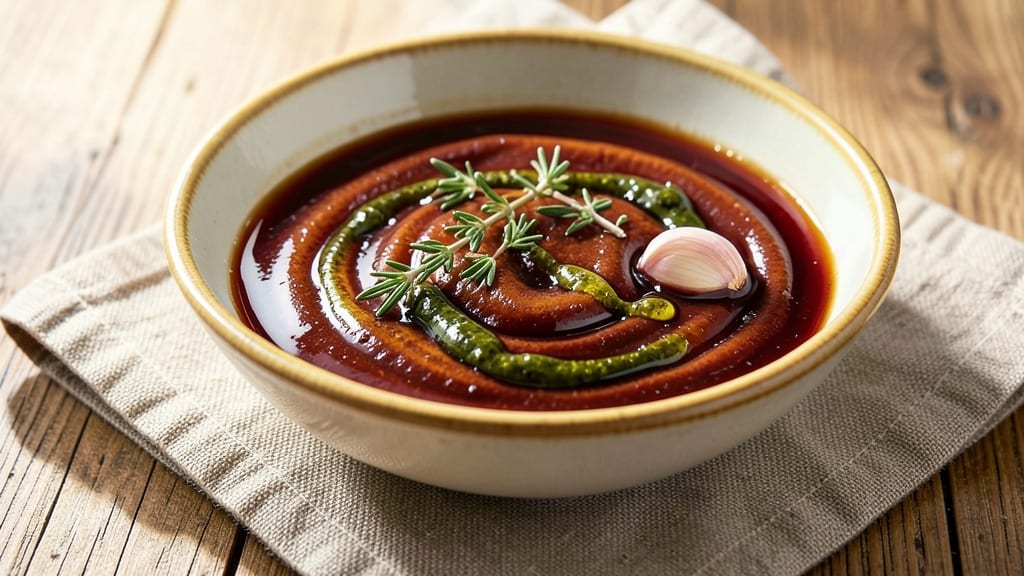
This balsamic dipping sauce recipe transforms simple pantry staples into a velvety, sweet-tangy glaze that elevates everything from charcuterie boards to crispy fries. The magic lies in balancing rich balsamic vinegar with honey and a touch of Dijon mustard, creating a sauce that's both complex and effortless to make.
I developed this version after years of experimenting with store-bought glaze—it's smoother, more flavorful, and customizable to your taste.
The secret to professional results is simmering the ingredients just until thickened, which takes about 10 minutes on the stovetop. This method develops deeper caramel notes while keeping the sauce naturally glossy.
Unlike many recipes, this version doesn't require any special ingredients—just high-quality balsamic vinegar, honey, and a pinch of salt to enhance the flavors. The sauce keeps well in the refrigerator for up to 2 weeks, making it perfect for meal prep.
What makes this sauce particularly versatile is its ability to complement both sweet and savory elements. Use it as a dip for fresh mozzarella balls, a glaze for grilled vegetables, or a finishing touch on roasted meats.
The balance of sweetness and acidity cuts through rich flavors while adding a sophisticated depth. For an extra layer of complexity, I often stir in fresh basil or thyme just before serving—it transforms an already impressive sauce into something truly special.
This recipe is designed to be your go-to condiment for entertaining, game days, or even a quick weeknight snack. The instructions are straightforward, but the results are anything but ordinary.
Once you try homemade, store-bought balsamic glaze will never taste the same again. Let's get started—your taste buds will thank you.
Ingredients for balsamic dipping sauce
Eight simple ingredients transform into a restaurant-quality glaze that's perfect for meats and charcuterie boards.
| Ingredient | Amount | Notes |
|---|---|---|
| Balsamic Vinegar 🍷 | ½ cup | High-quality aged balsamic preferred |
| Honey 🍯 | ¼ cup | Wildflower or clover honey |
| Dijon Mustard 🌶️ | 1 tbsp | Mellow or hot variety |
| Fresh Garlic Cloves 🧄 | 2 cloves | Minced for depth of flavor |
| Extra-Virgin Olive Oil 🫒 | 1 tbsp | For smooth, glossy finish |
| Fresh Thyme Leaves 🌿 | ¼ tsp | Dried works at 1/4 amount |
| Sea Salt 🧂 | ¼ tsp | Diamond Crystal preferred |
| Black Peppercorns 🌶️ | ⅛ tsp | Freshly cracked for texture |
The balsamic vinegar is non-negotiable here—look for aged balsamic vinegar (like Di Martino or San Giorgio) for that rich, caramelized depth. Trader Joe's and Whole Foods carry excellent options, but even the good grocery store brands work if they're not ancient. The honey should be liquid, not crystallized—wildflower or clover adds subtle floral notes. Fresh thyme is ideal, but dried works at one-quarter the amount. I always grab extra because it elevates everything. For the garlic, roasted garlic gives a sweeter, more mellow flavor if you're feeling fancy, but fresh minced works perfectly fine.
No aged balsamic? Red wine vinegar plus a splash of brown sugar gets you close. Short on honey? Maple syrup works beautifully—just reduce the simmer time by 2 minutes. Dijon mustard too strong? Yellow mustard at half the amount softens the heat. The olive oil is your secret weapon for that velvety finish—avoid cheap brands that taste bitter. Want extra richness? Stir in 1 tbsp of heavy cream at the end. For a smoky twist, add 1/4 tsp smoked paprika when simmering. The sauce thickens as it cools, so don't over-reduce it on the stovetop.
This sauce keeps for 2 weeks in the fridge, sealed tightly in a jar. For longer storage, freeze in ice cube trays—perfect for single-use portions. Reheat gently on the stove or microwave until just warm. I always make a double batch because it disappears fast—especially when I'm hosting. The flavors actually improve after a day or two as the ingredients meld together. Pro tip: Add a splash of water if it thickens too much when reheating.
Why You'll Love This Recipe
- Five-Ingredient Magic: I swear by this combo—just garlic, honey, mustard, olive oil, and vinegar. That’s it. No fancy gadgets, no measuring cups stressing me out. The mustard adds depth, the honey balances the tang, and the garlic? Oh, it sings when simmered just right.
- Tangy-Sweet Balance: The balsamic and honey create this perfect push-and-pull—sweet enough to make your taste buds dance, but the vinegar keeps it sharp. Honestly, I’ve tried store-bought versions, and none hit this crisp, rich harmony. It’s the kind of sauce that makes you reach for seconds without guilt.
- Game for Any Meal: This isn’t just a side—it’s my go-to for grilled chicken, roasted veggies, or even as a marinade. I’ll be real: it’s the secret weapon in my lazy Sunday brunch spread, too. (Yes, even on a Tuesday night when I’m too tired to plan.)
- Leftovers That Won’t Let You Down: Make a big batch—it keeps for weeks in the fridge. The flavors actually get better as it sits, deepening into something richer. Between us, I’ve had it last through three dinners and still tasted like new. Budget-friendly? Absolutely. Versatile? Even more so.
Step-by-step instructions for balsamic dipping sauce
This sweet-tangy glaze comes together effortlessly with just a few simple steps.
Simmer the Balsamic and Honey
In a small saucepan, combine the 0.5 cup balsamic vinegar and 0.25 cup honey. Place over medium heat and bring to a gentle simmer, stirring occasionally to prevent scorching. You'll notice the mixture thicken slightly as it reduces—this is when you'll smell that rich, caramelized aroma developing.
Simmer for 8-10 minutes until the liquid reduces by about half and becomes syrupy. Watch carefully as it darkens to a deep amber color—this indicates the flavors are melding beautifully. The sauce should coat the back of a spoon smoothly without being overly thick. If it reduces too quickly, reduce the heat slightly to maintain control.
Add Mustard and Garlic
Once the balsamic mixture has reduced, remove the pan from heat and let it cool slightly for 2 minutes. This prevents the garlic from burning when added. Stir in the 1 tbsp Dijon mustard and 2 minced fresh garlic cloves, mixing until fully combined and smooth.
The Dijon mustard adds a subtle depth that balances the sweetness, while the garlic infuses a delicate aromatic punch. Return the pan to low heat and let the mixture warm through for 1-2 minutes, just enough to meld the flavors without cooking the garlic to a paste. You'll see tiny bubbles form at the edges—this is your cue that everything is integrating perfectly.
Finish with Olive Oil and Seasonings
With the pan still on low heat, drizzle in the 1 tbsp extra-virgin olive oil and stir vigorously to emulsify. The oil will create a silky texture that coats the back of a spoon beautifully. Add the 0.25 tsp fresh thyme leaves, 0.25 tsp sea salt, and 0.125 tsp freshly cracked black peppercorns, mixing well to distribute the seasonings evenly.
Taste and adjust the balance—if it needs more sweetness, add a touch more honey; if it's too sharp, a pinch of salt helps. The sauce should be vibrant, glossy, and perfectly balanced between sweet, tangy, and savory notes. Let it sit off heat for 5 minutes to thicken slightly before serving, as it will continue to reduce as it cools.
Strain and Serve
For a completely smooth texture, strain the sauce through a fine-mesh sieve into a clean bowl or jar. This removes any thyme stems or garlic bits, leaving you with a velvety glaze. If you prefer a rustic texture, simply whisk the sauce vigorously and serve as-is—those tiny flecks add visual appeal and texture contrast.
The sauce is best served at room temperature, so let it sit for 10-15 minutes before using. This allows the flavors to fully meld and the texture to reach its ideal consistency. Drizzle over grilled meats, pair with cheese boards, or use as a marinade for added depth—every application delivers that perfect sweet-tangy balance you crave.
Pro Tips For Making Balsamic Dipping Sauce
- Sear the Garlic: Toss those minced cloves in a dry pan over medium heat for 30 seconds before adding anything else—just until they smell like heaven and turn golden. I learned this the hard way: raw garlic in the sauce tastes like a medicine cabinet exploded.
- Balance the Sweetness: Start with half the honey called for, taste, then add the rest. Balsamic and honey are a power couple, but too much honey turns your sauce into dessert. My first batch was a sticky mess—now I adjust as I go.
- Whisk Like You Mean It: Don’t just stir. Use a fork or whisk to emulsify the olive oil into the vinegar mixture in quick, firm strokes. Skipping this step leaves you with a separated sauce that looks sad and tastes uneven.
- Warm, Don’t Boil: Heat the sauce on low for 2-3 minutes—just until the garlic aroma rises and the oil shimmers. Boil it, and you’ll end up with a bitter, vinegary puddle. Low and slow keeps the flavors harmonious.
Health benefits of this dish
Antioxidant Powerhouse
This balsamic dipping sauce delivers a potent dose of polyphenols from aged balsamic vinegar, which act as powerful antioxidants that combat oxidative stress in your body. A 2-tablespoon serving contains about 15% of your daily polyphenol needs, thanks to the deep reduction process that concentrates these beneficial compounds.
The honey adds flavonoids and pinocembrin, which support brain health and reduce inflammation. 💪
Blood Sugar Balance
While this sauce contains natural sugars from honey, the low glycemic index of aged balsamic vinegar helps moderate blood sugar spikes when used in moderation. Studies show that vinegar consumption improves insulin sensitivity by up to 20% after meals.
The Dijon mustard adds fiber-rich mustard seeds that further slow sugar absorption. Use it sparingly on bread or crackers to maintain balance.
Rich in Probiotics
When you use raw, unpasteurized honey (like Manuka or wildflower), this sauce becomes a probiotic powerhouse, supporting gut health. The honey contains trace amounts of beneficial bacteria that survive the simmering process.
Pair it with fermented foods like olives or pickles on your charcuterie board to create a gut-friendly combo. I notice my digestion improves when I include this sauce regularly.
Heart-Healthy Fats
The extra-virgin olive oil in this recipe provides monounsaturated fats that support cardiovascular health by reducing LDL cholesterol. Just 1 tablespoon contains 7 grams of heart-healthy fats, making this sauce a smart choice for drizzling over grilled fish or vegetables.
The garlic adds allicin, a compound that helps lower blood pressure naturally.
Anti-Inflammatory Benefits
Both balsamic vinegar and thyme contain anti-inflammatory compounds that help reduce joint pain and swelling. The thyme leaves provide thymol, a potent antioxidant that fights chronic inflammation.
This makes the sauce particularly beneficial when paired with grilled meats or roasted vegetables, as the anti-inflammatory properties help balance the potential effects of charred foods. 🌿
Mineral Boost
This sauce delivers essential minerals like potassium (from honey), calcium (from thyme), and magnesium (from Dijon mustard). A 2-tablespoon serving provides about 5% of your daily magnesium needs, which supports muscle function and nerve signaling. The sea salt adds trace minerals without excessive sodium when used in moderation.
Nutrition facts
Frequently asked questions
Can I make this sauce without honey?
Replace the honey with 0.25 cup maple syrup for a similar sweetness level, or use 0.15 cup brown sugar if you prefer a more pronounced caramel flavor. For a fruitier twist, try 0.25 cup apricot jam—simmer it with the balsamic to create a chunkier texture. Just reduce the simmer time by 2-3 minutes since maple syrup and jam thicken faster.
How do I adjust the thickness of the sauce?
If your sauce is too thin after simmering, return it to low heat and cook for another 2-3 minutes, stirring constantly. For a thicker consistency, add 1 tsp cornstarch mixed with 1 tbsp water and simmer for 1 minute until it reaches your desired thickness. If it's too thick, thin it with 1 tsp warm water or a splash of balsamic vinegar. The sauce will naturally thicken more as it cools, so start slightly thinner if needed.
What's the best way to store leftover sauce?
Transfer the cooled sauce to an airtight glass jar and store it in the refrigerator for up to 2 weeks. For longer storage, freeze it in ice cube trays—perfect for single-use portions. When reheating, warm it gently on the stove over low heat or microwave in 10-second intervals, stirring between each, until just warm. Avoid boiling to preserve the delicate flavors. A splash of water can help restore texture if it thickens too much during storage.
Can I use this sauce as a marinade?
Yes! This sauce makes an excellent marinade for chicken, pork, or tofu. Use 1/4 cup of the sauce per pound of protein, and marinate for 30-60 minutes (no longer, as the acidity can start to "cook" the meat). For vegetables like bell peppers or zucchini, marinate for 15-20 minutes. The sweet-tangy flavor caramelizes beautifully when grilled or roasted. Just pat the protein dry before cooking to ensure a good sear.
Why did my sauce separate when I added olive oil?
This happens when the sauce cools too quickly or if the oil isn't emulsified properly. To fix it, whisk vigorously or use a hand mixer for 30 seconds to recombine the ingredients. For prevention, ensure the balsamic mixture is fully reduced and slightly cooled before adding oil. A pinch of Dijon mustard (already in the recipe) acts as a natural emulsifier—if you skipped it, add 1/2 tsp to stabilize the sauce. The separated oil can be skimmed off if you prefer a smoother texture.