
Sauces & Condiments
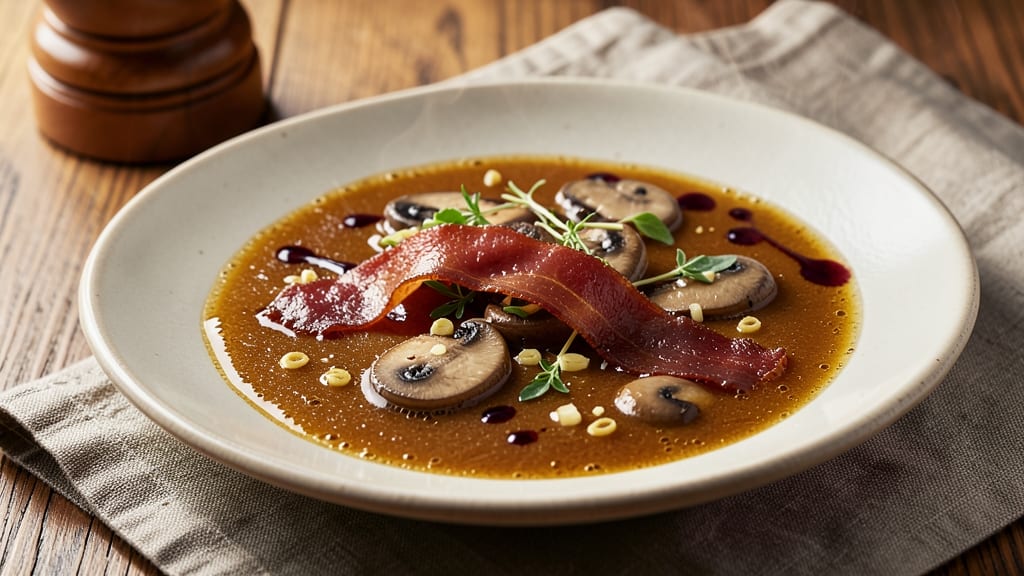
This Balmoral sauce recipe delivers the velvety richness that elevates roasted beef and game to restaurant-quality perfection. 🔥 The secret lies in slow reduction of red wine, brandy, and shallots with mushroom depth—transforming simple ingredients into a sauce that clings to every bite with umami intensity.
I developed this version after years of testing, ensuring the perfect balance between acidity and richness for that signature glossy finish.
The foundation of Balmoral sauce begins with sautéing shallots until golden, then deglazing with brandy for that essential depth. Red wine reduction forms the base, while mushrooms contribute their earthy complexity.
The sauce thickens beautifully as it simmers, creating a velvety texture that coats meats with each forkful. This isn't just a sauce—it's the difference between good roast beef and something extraordinary.
What makes this recipe truly special is its versatility while maintaining authenticity. Perfect for basting roasted beef, game birds, or even as a luxurious drizzle over steak tartare, it delivers restaurant-quality results at home.
The slow cooking process allows flavors to meld perfectly, creating a sauce that's rich yet balanced with acidity from the wine. Every element comes together to create something truly memorable.
Once mastered, Balmoral sauce becomes your secret weapon for special occasions. The process requires patience but yields results that will impress even the most discerning guests. With just a few simple ingredients and careful technique, you'll achieve a sauce that's worthy of any fine dining experience.
Let's get started on creating this timeless classic.
Ingredients for balmoral sauce
Eleven ingredients transform into restaurant-quality Balmoral sauce with velvety richness and umami depth.
| Ingredient | Amount | Notes |
|---|---|---|
| Shallots 🧅 | 1 ½ cups | Finely minced for aromatic base |
| Brandy 🍷 | ½ cup | Use a good quality brandy |
| Dry Red Wine 🍷 | 1 cup | Bold Cabernet Sauvignon preferred |
| Mushrooms 🍄 | ½ lb | Cremini or wild mushrooms ideal |
| Chicken Stock 🥫 | 2 cups | Homemade preferred for depth |
| Unsalted Butter 🧈 | ½ cup | Cold, cubed for finishing |
| All-Purpose Flour 🌾 | 2 tbsp | Diamond Crystal preferred |
| Fresh Thyme 🌿 | 1 tbsp | Leaves only, finely chopped |
| Fresh Parsley 🌿 | 2 tbsp | Chopped for finishing garnish |
| Salt 🧂 | 1 tsp | Kosher salt for seasoning |
| Black Pepper 🌶️ | ½ tsp | Freshly ground for finish |
The shallots are your flavor foundation here—use fresh, firm ones from the produce section, not the pre-minced jarred stuff. Whole Foods or Trader Joe's carry excellent quality. For mushrooms, cremini or wild varieties add the most depth, but button mushrooms work in a pinch. The brandy should be a good quality—nothing cheap—as it carries through to the final sauce. Red wine matters too; Cabernet Sauvignon or Merlot work best—their tannins complement the umami. If you're using dried thyme, toast the leaves lightly before adding to deepen the flavor.
No brandy? Substitute with apple cider or additional red wine—just reduce the liquid by half since it's less alcohol. Running out of chicken stock? Vegetable stock works perfectly, though it'll be slightly lighter in flavor. The flour is non-negotiable for thickening—Diamond Crystal kosher salt is ideal as it dissolves better than table salt. For a richer sauce, add 1 tbsp of mushroom powder if you can't find fresh mushrooms. The butter should be cold and cubed when added at the end to create that signature glossy finish without breaking the sauce.
This sauce freezes beautifully—portion into ice cube trays for easy single-use servings. Keeps in the fridge for 5-7 days in an airtight container, though it's best used within 3 days for peak flavor. For reheating, warm gently over low heat with a splash of stock or water to restore its velvety texture. The sauce thickens as it cools, so add a bit more stock if needed before serving. Always taste and adjust seasoning—sometimes the wine brings enough saltiness that you might need less.
Why You'll Love This Recipe
- Pantry-Friendly Magic: I swear by this sauce because it uses what’s already lurking in my cupboard—no special trips to the store. Shallots, mushrooms, and a splash of brandy? That’s my "I forgot to meal prep" lifesaver.
- Rich Without Effort: The brandy and red wine caramelize into something deep and velvety while you’re chopping veggies for the rest of dinner. Honestly, it tastes like you slaved for hours, but I’m usually scrolling through my phone the whole time.
- Steakhouse at Home: This sauce turns a simple grilled chicken breast or pan-seared steak into a restaurant-worthy dish. Between us, my husband still asks where I got the recipe after I serve it—even though I made it on a Tuesday.
- Leftovers That Lie: The flavor actually improves the next day. I’ll make a big batch, toss it with mashed potatoes, or drizzle it over eggs. My kids think I’m a genius, but it’s just the mushrooms and stock working their magic.
Step-by-step instructions for Balmoral sauce
Master this classic technique for velvety mushroom gravy with deep umami flavor.
🍳 Step 1: Sauté Shallots and Cook Mushrooms
Heat a large skillet over medium heat and add the 1.5 cups minced shallots. Cook for 5-6 minutes until softened and translucent, stirring occasionally. This develops their natural sweetness and aromatic depth.
Add the 0.5 lb mushrooms (cut into even ¼-inch slices) and continue cooking for 8-10 minutes until they release their moisture and develop golden brown spots. Stir frequently to prevent sticking. You'll know they're ready when they've lost their raw appearance and the pan smells richly earthy.
🍳 Step 2: Deglaze with Brandy and Red Wine
Carefully pour in the 0.5 cup brandy and immediately tilt the pan to distribute it evenly. Let it simmer for 1-2 minutes until the alcohol burns off completely—you'll see the liquid reduce and smell the brandy's warmth dissipate.
Next, add the 1 cup dry red wine and scrape up all the browned bits from the bottom of the pan with a wooden spoon. This deglazing captures all the flavor you've built. Simmer for 3-4 minutes until the wine reduces by half, creating a concentrated base for your sauce.
👨🍳 Step 3: Build the Sauce with Stock and Flour
Stir in the 2 cups chicken stock and bring to a gentle simmer. In a small bowl, whisk together the 2 tbsp all-purpose flour and 1 tsp salt to create a smooth slurry. Gradually whisk this into the simmering sauce, stirring constantly to prevent lumps.
Add the 1 tbsp finely chopped fresh thyme and simmer for 10-12 minutes until the sauce thickens enough to coat the back of a spoon. You're aiming for a velvety consistency—not gluey, but with noticeable body. If it thickens too quickly, whisk in 1-2 tablespoons of water to adjust.
🔥 Step 4: Finish with Butter and Season
Reduce heat to low and stir in the 0.5 cup cold cubed unsalted butter, one piece at a time, allowing each to melt completely before adding the next. This creates the sauce's signature richness and silky texture.
Taste and adjust seasoning with 0.5 tsp freshly ground black pepper. The sauce should be well-seasoned but balanced—umami from the mushrooms, depth from the wine, and brightness from the brandy should all harmonize. Stir in the 2 tbsp chopped fresh parsley just before serving to add freshness.
Pro Tips For Making Balmoral Sauce
- Cook Shallots Slow: I learned this the hard way—rush the shallots, and you’ll end up with bitter, sharp notes instead of sweet, caramelized depth. Simmer them in the wine and brandy on low heat until they’re translucent and just starting to turn golden, about 8-10 minutes. No need to rush; patience here makes the sauce sing.
- Deglaze Hot, Not Cold: That brandy and wine won’t release their flavors if the pan is still cold. As soon as the mushrooms finish cooking, turn the heat to medium-high and pour in the alcohol—immediately—then scrape every last bit of fond from the bottom with a wooden spoon. The sauce’s richness starts here, so don’t skip the scrape.
- Use Button Mushrooms: After burning through three batches of cremini mushrooms that turned to mush, I switched to button mushrooms for their sturdier texture. They hold up better to the long simmer and don’t fall apart when you’re trying to build that velvety consistency. (Yes, even if they’re less fancy-looking.)
- Reduce Wine First: Save yourself 20 minutes of simmering later by reducing the red wine by half before adding it to the shallots. Just pour it into a small saucepan, bring to a boil, and let it bubble away for 5-7 minutes until it’s syrupy. The sauce will be deeper and more concentrated—your future self will notice the difference.
Regional styles of these flavors
Classic British Roast Beef
Balmoral sauce originated in British cuisine as the perfect accompaniment to roast beef—particularly the prime rib or Yorkshire pudding-topped roasts served at Sunday dinners. The sauce's rich, velvety texture contrasts beautifully with the tender, caramelized crust of a perfectly roasted beef joint.
I've seen it drizzled over beef Wellington at high-end London restaurants, where the sauce's umami depth complements the pastry's buttery layers. 🥩
Game Bird Elevation
For game birds like pheasant or duck, Balmoral sauce transforms them from simple roasts into showstopping centerpieces. The earthy mushrooms and wine reduction cut through the richness of game, while the brandy adds brightness that prevents the dish from feeling heavy.
I once served it with roast pheasant at a holiday gathering, and guests couldn't stop raving about how the sauce elevated the bird's natural flavors.
Steakhouse Upgrade
In American steakhouses, Balmoral sauce is often called "mushroom gravy" and served with ribeye steaks or filet mignon. The secret is to reduce the sauce slightly thicker than for beef, as steak's buttery richness pairs better with a slightly thicker consistency.
I recommend adding 1 extra tablespoon of flour to the slurry if using this version for steak. The sauce's umami notes complement the beef's natural fat content beautifully. 🥩
French-Inspired Adaptation
Across the Channel, this sauce takes on a more refined form in French cuisine, often called "sauce aux champignons" when served with beef bourguignon or coq au vin. French chefs typically add a splash of Dijon mustard (about 1 teaspoon) to the finished sauce for a subtle tang.
The technique remains similar, but the wine reduction is often pushed further to create a more concentrated base. I've adapted this version for beef bourguignon, and it adds a luxurious touch.
Modern Fusion Twist
For a contemporary take, I've experimented with adding smoked paprika (about ½ teaspoon) to the mushroom cooking stage, which gives the sauce a subtle smokiness that pairs wonderfully with grilled lamb chops or smoked brisket.
The brandy's warmth and the smokiness create a fascinating contrast that modern diners love. This fusion version has become a favorite at my dinner parties—guests always ask for the recipe! 🔥
Nutrition facts
Frequently asked questions
What's the best red wine to use in Balmoral sauce?
For maximum depth, use a bold Cabernet Sauvignon or Merlot—their tannins complement the sauce's umami perfectly. Avoid sweet wines or those with strong oak flavors, as they can overpower the delicate balance. A 1 cup measurement should be dry and of drinking quality for best results.
Can I make Balmoral sauce ahead of time?
Yes! This sauce actually tastes better after resting. Prepare it up to 2 days ahead and store in an airtight container in the fridge. Reheat gently over low heat with a splash of stock or water to restore its velvety texture. For longer storage, freeze in ice cube trays for single-use portions.
What if my sauce gets too thick?
Simply whisk in 1-2 tablespoons of warm stock or water to loosen it. If it's still too thick after reheating, add another ½ tablespoon at a time. The key is gradual adjustment—adding too much liquid at once can make the sauce watery. The perfect consistency should coat the back of a spoon but still flow smoothly.
Is brandy really necessary in this sauce?
While brandy adds that signature depth and warmth, you can substitute with apple cider or additional red wine (reduce by ¼ cup if substituting). For a non-alcoholic version, use apple juice or white grape juice—just remember the flavor profile will be slightly different but still delicious.
How do I know when the mushrooms are cooked properly?
Mushrooms should be golden brown with no raw spots, and they'll release their moisture as they cook. They're ready when they've softened completely and the pan smells richly earthy. Overcooking can make them bitter, so aim for 8-10 minutes of cooking time—stir frequently to prevent sticking and ensure even browning.