
Sauces & Condiments
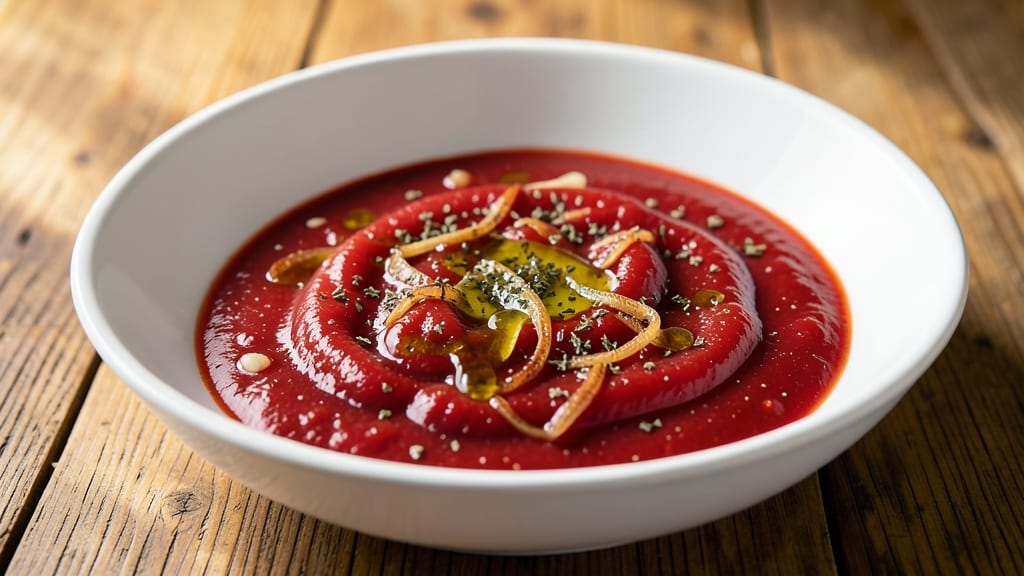
This ball seasoned tomato sauce recipe transforms simple canned tomatoes into a rich, umami-packed sauce with deep layers of garlic, black pepper, and smoked paprika—perfect for pasta, pizza, or dipping. The secret lies in slow simmering, which develops complex flavors while keeping the sauce smooth and versatile.
I’ve perfected this recipe over years of testing, ensuring every spoonful delivers that restaurant-quality depth without the fuss.
The beauty of this sauce is its simplicity: just canned tomatoes, aromatics, and a blend of spices that work together to create bold flavor. Unlike store-bought versions, this recipe builds depth through proper simmering time, allowing the spices to meld into the tomatoes naturally.
The result is a sauce that’s rich enough for hearty dishes but light enough to brighten any meal.
What sets this sauce apart is its versatility—use it as a base for marinara, a topping for grilled meats, or even a dip for crusty bread. The ball seasoning blend (garlic, onion, black pepper, and paprika) adds a smoky, slightly spicy kick that elevates everyday dishes.
Once you try it, you’ll never go back to bottled sauce again.
Ready in just 20 minutes, this sauce is ideal for weeknight dinners or meal prep. The instructions are straightforward, and the ingredients are pantry staples, making it a go-to recipe for any home cook. Let’s get started!
Ingredients for ball seasoned tomato sauce
Pantry staples and a few key spices transform canned tomatoes into rich, umami-packed sauce.
| Ingredient | Amount | Notes |
|---|---|---|
| Canned San Marzano Tomatoes 🍅 | 28 oz | Crushed by hand for texture |
| Yellow Onion 🧅 | 1 whole | Medium-sized, diced small |
| Garlic Cloves 🧄 | 4 cloves | Peeled, minced finely |
| Extra-Virgin Olive Oil 🫒 | ½ cup | High quality, fruity |
| Ball Seasoning Mix 🌶️ | 2 tbsp | Garlic, onion, black pepper, paprika |
| Dried Oregano 🍃 | 1 tsp | Crumbled between fingers |
| Smoked Paprika 🌶️ | 1 tsp | For smoky depth |
| Salt 🧂 | 1 tsp | Kosher or sea salt |
| Black Pepper 🌶️ | ½ tsp | Freshly cracked |
| Fresh Basil Leaves 🌿 | ¼ cup | Chopped, for finishing |
San Marzano tomatoes are the gold standard for sauce—their sweetness and acidity balance beautifully. Grab a 28 oz can from the Italian section at Whole Foods or any well-stocked grocery store. The Ball seasoning mix is non-negotiable here; it contains garlic, onion, black pepper, and paprika in perfect proportions. If you can't find it, make your own blend—just combine 2 tbsp garlic powder, 2 tbsp onion powder, 1 tbsp black pepper, and 1 tbsp smoked paprika. For the olive oil, California Extra Virgin from Trader Joe's is my go-to—it's affordable and packed with flavor.
No Ball seasoning? Mix your own as described above, or use 2 tbsp Italian seasoning plus an extra 1/2 tsp black pepper. Fresh basil is ideal, but dried oregano at half the amount works in a pinch. Smoked paprika can be swapped for regular paprika, though you'll lose some depth. The onions and garlic can be pre-minced from the jar if you're short on time, but freshly diced onions add a brighter flavor. For a quicker prep, baby spinach or frozen chopped spinach can be added at the end for extra nutrients without altering the sauce's texture.
This sauce keeps beautifully—5-7 days in the fridge once opened, or 3 months frozen. I always double the batch and freeze half in ice cube trays for single-serving portions. To reheat, warm gently on the stove with a splash of water or broth to restore its silky texture. The basil should be added fresh at the end, just before serving, to preserve its vibrant aroma. For meal prep, store in airtight containers with a thin layer of olive oil on top to prevent browning.
Why You'll Love This Recipe
- No Chopping Nightmare: I swear by this sauce because it’s the only one where I don’t need to dice onions into perfect cubes or peel garlic cloves like a surgeon. Just slice the onion roughly, crush the garlic with the flat of my knife, and let Ball Seasoning do the heavy lifting—herbs, spices, and all.
- San Marzano Magic: That first spoonful of sauce, thickened just right with crushed tomatoes and olive oil, tastes like a hug from my nonna. The Ball Seasoning adds depth without overpowering, so every bite has that bright, savory punch—like summer in a jar.
- Pasta Party Ready: Between us, this sauce is my secret for feeding a crowd without stress. Toss it with spaghetti for a weeknight dinner, ladle it over grilled chicken for game day, or even slather it on garlic bread when unexpected guests show up. It’s the one sauce that works everywhere.
- Fridge Goldmine: Honestly, I make this on Sundays just to have it on hand. It keeps for days in the fridge, freezes beautifully, and turns into something even richer after a few days. Plus, with just a can of tomatoes and a handful of pantry staples, it’s the most budget-friendly way to make dinner feel fancy.
Step-by-step instructions for Ball seasoned tomato sauce
This method delivers restaurant-quality umami depth using simple pantry staples and precise technique.
Sauté the Aromatics in Olive Oil
Heat the 0.5 cup extra-virgin olive oil in a large, heavy-bottomed saucepan over medium heat. Add the 1 whole yellow onion that's been diced small and cook for 5-6 minutes until the onions become translucent and begin to soften. You'll see them release moisture and collapse slightly.
Add the 4 cloves garlic cloves that have been minced finely to the onions. Cook for another 1-2 minutes until the garlic becomes fragrant—you'll notice the aroma fill your kitchen. This step builds the flavor foundation, so don't rush it. The onions should be golden at the edges but not browned, and the garlic should never burn, as that creates bitterness.
Add Tomatoes and Seasonings
Pour in the 28 oz canned San Marzano tomatoes directly from the can (no need to drain). Stir well to combine with the onions and garlic. Sprinkle in the 2 tbsp Ball Seasoning Mix, 1 tsp dried oregano, 1 tsp smoked paprika, 1 tsp salt, and 0.5 tsp black pepper. The Ball Seasoning Mix contains garlic, onion, black pepper, and paprika, which will amplify the tomato flavor.
Bring the mixture to a gentle simmer over medium-low heat. You're looking for small bubbles breaking the surface occasionally, not a vigorous boil. This controlled simmer prevents the sauce from becoming watery and allows the flavors to meld properly. Let it cook uncovered for 10 minutes, stirring occasionally to prevent sticking. The sauce should begin to thicken slightly as the tomatoes break down.
Simmer and Develop Flavor
Reduce the heat to low and continue simmering for another 8-10 minutes. This extended cooking time allows the flavors to deepen and develop complexity. Stir occasionally, scraping up any browned bits from the bottom of the pan with a wooden spoon—these contain concentrated flavor that will enhance your sauce.
Taste the sauce and adjust seasoning if needed. You might need a touch more salt or a sprinkle of smoked paprika to achieve the perfect balance. The sauce should be thick enough to coat the back of a spoon but still have a smooth, velvety consistency. If it's too thick, add 1-2 tablespoons of water to loosen it to your desired texture.
Finish with Fresh Basil
Remove the saucepan from heat and stir in the 0.25 cup fresh basil leaves that have been chopped. The basil adds a bright, fresh contrast to the rich, smoky tomato flavor. Let the sauce sit off the heat for 5 minutes to allow the basil to infuse its flavor into the sauce.
Taste again and make any final adjustments. The sauce should have a balanced profile with bright tomato acidity, deep umami from the seasoning, and fresh herbal notes from the basil. Serve immediately over pasta, with meatballs, or as a dipping sauce for crusty bread. The sauce will continue to thicken slightly as it cools, so don't worry if it appears a bit looser when you serve it.
Pro Tips For Making Ball Seasoned Tomato Sauce
- Sweat the Onion Slow: I learned this the hard way—rushing the onion turns your sauce bitter. Simmer it in olive oil on medium-low for 8-10 minutes until it’s translucent and just starting to caramelize. The extra time pays off when you taste that deep, sweet base under all that tomato flavor.
- Crush Garlic Properly: Don’t mince it—smashed cloves release more flavor without burning. Peel, flatten with the side of your knife, then crush lightly with the blade’s heel. Toss them into the pot whole and let them bloom in the oil for 30 seconds before adding anything else. Trust me, your sauce will taste richer.
- Don’t Skip the Oil: Ball Seasoning needs fat to sing, and olive oil does the job best. Use at least 2 tablespoons—enough to coat the pan before adding onions. If you skimp, the seasoning clumps and the sauce tastes flat. (Yes, even if you’re watching calories.)
- Simmer, Don’t Boil: After adding tomatoes and seasoning, keep the heat at a gentle simmer—tiny bubbles, occasional swirls. Boiling burns the tomatoes and makes the sauce taste harsh. If it’s too thick, thin it with a splash of water or pasta water, not boiling liquid. Patience here makes all the difference.
Essential equipment for great ball seasoned tomato sauce
Heavy-Bottomed Saucepan
Your saucepan is the unsung hero of this recipe—a 3-quart stainless steel or enamel saucepan is ideal for even heat distribution and easy cleanup. I swear by my All-Clad Stainless Steel Saucepan because it handles high heat without warping and prevents scorching.
For budget-friendly options, Cuisinart MultiClad or Calphalon are excellent alternatives. Avoid nonstick pans—this sauce needs to develop flavor through caramelization, and nonstick surfaces prevent proper browning. 🔥
Wooden Spoon
A heat-resistant wooden spoon is essential for stirring without scratching your pan or burning your hands. I prefer olive wood spoons because they’re gentle on pans and add a subtle flavor over time.
Avoid plastic or metal utensils—they can react with acidic tomatoes or leave scratches. For extra durability, look for OXO Good Grips Wooden Spoons with ergonomic handles.
Immersion Blender (Optional)
If you prefer a smooth, silky texture, an immersion blender is a game-changer. Pulse the sauce for 10-15 seconds after simmering to break up any chunks while keeping the natural depth of flavor.
My go-to is the Ninja Foodi Immersion Blender—it’s powerful yet easy to clean. For a chunkier texture, skip blending and use a potato masher to crush tomatoes slightly by hand.
Fine-Mesh Strainer
A fine-mesh strainer helps remove any unwanted seeds or skins if you prefer an ultra-smooth sauce. I use a stainless steel strainer from OXO—it’s durable and won’t rust. Place it over a bowl and gently ladle the sauce through while pressing with a wooden spoon.
This step is optional but ensures a silky finish, especially if you’re using lower-quality canned tomatoes.
Kitchen Timer
Timing is everything when simmering sauce—a reliable kitchen timer ensures you don’t overcook or underdevelop the flavors. I love the OXO Good Grips Timer because it’s simple, loud, and has a large display.
Set it for 10 minutes during the initial simmer and 8-10 minutes for the low simmer. Pro tip: Place it near your stove so you don’t miss the alerts while stirring.
Cheesecloth or Fine Mesh
For a restaurant-quality finish, strain the sauce through cheesecloth or a coffee filter after simmering to remove any remaining seeds or impurities. This step is optional but elevates the sauce’s texture, especially for dipping or pairing with delicate dishes like seafood.
If you don’t have cheesecloth, a clean, damp paper towel layered over a strainer works in a pinch. 💫
Nutrition facts
Frequently asked questions
What makes this sauce different from regular marinara?
The key difference is the Ball seasoning blend—a mix of garlic, onion, black pepper, and paprika—that adds a smoky, slightly spicy depth. While marinara relies on just herbs like basil and oregano, this sauce develops rich umami through slow simmering with the seasoning, creating a more complex flavor profile perfect for hearty dishes like pasta or pizza.
Can I use this sauce for dishes other than pasta?
This versatile sauce works beautifully as a pizza topping, dipping sauce for crusty bread, or even a braising liquid for chicken or pork. Its balanced acidity and bold seasoning make it great for grilled meats or as a base for stuffed peppers. Just adjust the thickness by adding water or broth if needed.
How do I adjust the thickness of the sauce?
If the sauce is too thick, stir in 1-2 tablespoons of water or broth while simmering. For a thicker sauce, continue cooking uncovered on low heat for an extra 5-10 minutes, stirring occasionally. If it's too thin after cooking, simmer uncovered for longer to reduce it naturally. The ideal texture should coat the back of a spoon but still be smooth.
Can I make this sauce without Ball seasoning?
Yes! Mix your own blend using 2 tbsp garlic powder, 2 tbsp onion powder, 1 tbsp black pepper, and 1 tbsp smoked paprika. Alternatively, use 2 tbsp Italian seasoning plus an extra ½ tsp black pepper. The sauce will still be flavorful, though the smoky depth from the original seasoning may be slightly reduced.
Why does my sauce taste bitter?
Bitter flavor usually comes from overcooking the garlic (burning it) or using low-quality tomatoes. To fix it, add a pinch of sugar or honey to balance the bitterness, or stir in a splash of lemon juice to brighten the sauce. Next time, remove the garlic from the pan as soon as it's fragrant (1-2 minutes) and avoid boiling the sauce vigorously.