
Sauces & Condiments
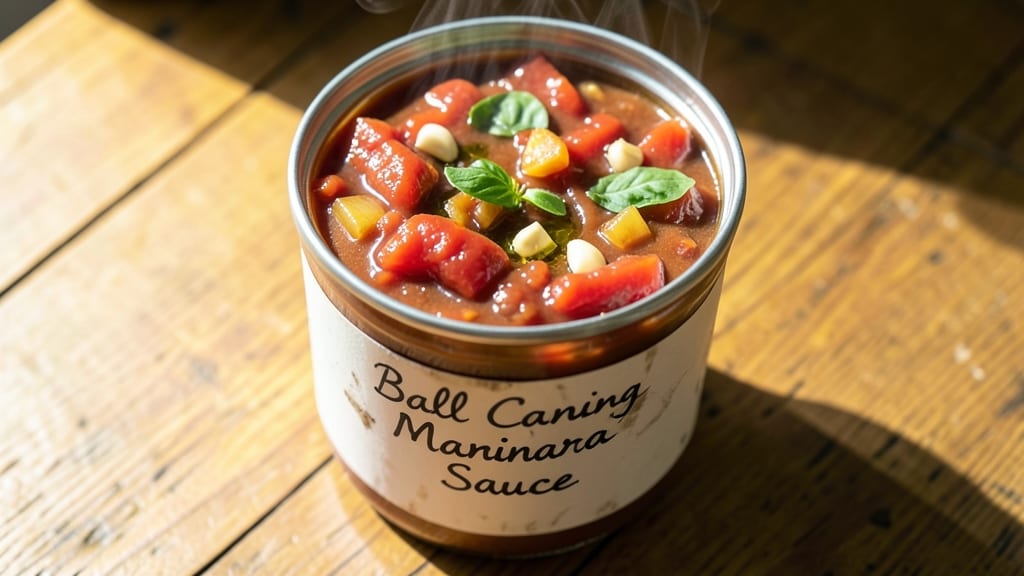
This Ball canning marinara sauce recipe with fresh tomatoes transforms summer's freshest tomatoes into vibrant, shelf-stable flavor that lasts all year. The key lies in proper sterilization and water bath processing—techniques that preserve both taste and safety while locking in that bright, summery tomato essence.
I've perfected this method over years of canning, ensuring every jar delivers restaurant-quality sauce with the perfect balance of acidity and sweetness.
The process begins with fresh tomatoes—no substitutes here—simmered down with aromatic garlic, onions, and herbs until thick and rich. What sets this recipe apart is the careful attention to pH balance through added vinegar, a critical step for preventing botulism while maintaining authentic flavor.
The water bath canning method then seals everything in sterilized jars for long-term storage, ready to transform any meal with just a splash.
What you'll end up with is a pantry staple that rivals store-bought sauces but with layers of homemade depth. The sauce remains vibrant in color and flavor even after months on the shelf, perfect for pasta, pizza, or braising.
Each jar contains about 4 cups of sauce, making it ideal for meal prep or gifting—just ensure proper sealing and storage to maintain quality.
This method works equally well with pre-crushed tomatoes for convenience, though fresh yields the most authentic results. The sterilization process takes about 30 minutes of active prep plus 15 minutes of processing time, with jars ready for storage afterward.
Safety is paramount, so we'll cover proper jar preparation, processing times, and storage tips to ensure your canned sauce stays delicious and safe for up to a year.
Ingredients for ball canning marinara sauce recipe with fresh tomatoes
Fresh tomatoes and aromatic herbs transform into vibrant, shelf-stable marinara through precise canning techniques.
| Ingredient | Amount | Notes |
|---|---|---|
| Fresh Tomatoes 🍅 | 6 lb | Roma or vine-ripened, halved |
| Yellow Onion 🧅 | 1 whole | Medium size, diced |
| Garlic Cloves 🧄 | 6 cloves | Fresh, peeled and minced |
| Extra-Virgin Olive Oil 🫒 | ½ cup | High-quality, fruity |
| White Wine Vinegar 🍷 | ¼ cup | For acidity balance |
| Dried Basil 🌿 | 2 tbsp | Or 0.25 cup fresh |
| Dried Oregano 🍃 | 1 tbsp | Italian preferred |
| Salt 🧂 | 1 ½ tsp | Diamond Crystal preferred |
| Black Pepper 🌶️ | ½ tsp | Freshly ground |
| Ball Jars 🥫 | 4 pieces | Pint size, sterilized |
| Lids and Rings for Ball Jars 🔒 | 4 pieces | New, unopened lids |
| Sugar 🍚 | 1 tbsp | White granulated |
The tomatoes are the foundation—Roma or vine-ripened varieties yield the thickest, most flavorful sauce. Local farmers markets often have the freshest in season, but grocery store tomatoes work if they're firm and vibrant. Garlic should be freshly peeled and minced—pre-minced jars lose potency fast. For the olive oil, California extra-virgin brands like Corto or Colavita deliver that fruity depth. The vinegar isn't just for acidity—it's what makes the sauce safe for long-term storage while keeping that bright, summery flavor. Ball jars are non-negotiable for safety and sealing; never reuse lids from store-bought products.
No fresh basil? Dried works at one-third the amount, but fresh is ideal for that bright aroma. Short on tomatoes? Pre-crushed canned tomatoes (like Muir Glen) save time without sacrificing much flavor, though fresh is always superior. The sugar isn't for sweetness—it helps balance acidity and prevents the sauce from becoming too sharp over time. Diamond Crystal kosher salt, so use the included spoon. For extra depth, add a pinch of red pepper flakes or a bay leaf during simmering—just remove before canning. The lids must be new and unopened for proper sealing; never reuse them.
Sterilize jars by boiling for 10 minutes—this kills bacteria and ensures a proper seal. The sauce will keep safely for 12-18 months in a cool, dark pantry. Label each jar with the date to track freshness. Once opened, refrigerate and use within 5-7 days. For gifting, wrap jars in twine with a handwritten tag—Ball jars make beautiful presents. The sauce thickens slightly after opening, so add a splash of water or broth if needed. Always check seals by pressing the lid center—if it doesn't pop, the jar didn't seal properly and should be refrigerated.
Why You'll Love This Recipe
- I swear by this trick: just toss whole tomatoes, onion, and garlic into the pot with a splash of vinegar. By the time they soften, you’ve saved 15 minutes of prep—no knife skills required.
- No-Chop Shortcut: I swear by this trick: just toss whole tomatoes, onion, and garlic into the pot with a splash of vinegar. By the time they soften, you’ve saved 15 minutes of prep—no knife skills required.
- Sunshine in a Jar: That first taste of vinegar-bright tomatoes simmered with olive oil? It’s like summer in a jar. The acidity cuts through the richness, and the garlic lingers just enough to make every bite feel like a hug.
- Pantry to Party: I use this sauce for everything—drizzled over grilled cheese on a lazy afternoon, tossed with pasta for date night, or even as a dip for crusty bread when friends drop by. One batch does it all.
Step-by-step instructions for preserving homemade marinara sauce
Transform fresh garden tomatoes into vibrant, shelf-stable marinara with this pressure canning method.
Prepare and Cook the Tomato Base
In a large stockpot, combine the 6 lb fresh tomatoes (halved), 1 whole yellow onion (diced), 6 cloves garlic cloves (minced), 0.5 cup extra-virgin olive oil, 0.25 cup white wine vinegar, 1 tbsp sugar, 1.5 tsp salt, 0.5 tsp black pepper, 2 tbsp dried basil, and 1 tbsp dried oregano. Bring to a boil over medium-high heat, then reduce to a simmer.
Cook uncovered for 45-60 minutes, stirring occasionally, until the mixture thickens and reduces by about one-third. You'll know it's ready when the sauce clings to the back of a spoon and the onions are tender. The white wine vinegar balances acidity while the sugar helps preserve color and flavor during canning.
Sterilize Jars and Prepare for Canning
While the sauce simmers, sterilize the 4 pint-sized Ball jars, lids, and rings by boiling them in water for 10 minutes. Keep them hot until ready to fill. This critical step prevents contamination and ensures proper sealing.
Use a slotted spoon to carefully ladle the hot marinara sauce into each sterilized jar, leaving ½-inch headspace at the top. Wipe the jar rims with a clean, damp cloth to remove any sauce residue that could interfere with sealing. The headspace prevents jars from cracking during processing.
Process in a Pressure Canner
Place the filled jars into your pressure canner, ensuring they're upright and not touching each other. Add hot water to the canner until it reaches the 1-inch mark below the bottom of the jars. Seal the canner lid tightly.
Bring to a boil over medium-high heat, then vent steam for 10 minutes to purge any air. Once you hear the pressure gauge begin to rock (indicating 10-11 pounds of pressure), adjust the heat to maintain this pressure for 75 minutes for pint jars. This processing time destroys harmful bacteria while preserving the sauce's vibrant flavor.
Cool and Store the Canned Marinara
After processing, turn off the heat and let the pressure return to zero before carefully removing the weight and opening the canner lid. Allow the jars to cool undisturbed for 12-24 hours—this gradual cooling helps create a proper seal. Listen for the satisfying ping as each lid seals.
Once cooled, check that the lids have sealed by pressing down on the center—they shouldn't pop up. Store the sealed jars in a cool, dark place for up to 12 months. The extra-virgin olive oil and fresh herbs ensure a rich, authentic flavor that stays vibrant in storage.
Pro Tips For Making Ball Canning Marinara Sauce Recipe With Fresh Tomatoes
- Blister the Onion: Cook the diced yellow onion until it’s deep golden and slightly charred—almost to the point of sticking. That caramelized bitterness cuts through the acidity of the vinegar and adds depth you won’t get from soft, pale onions. (Yes, it’ll look messy, but that’s the point.)
- Peel Tomatoes Fast: Drop whole tomatoes into boiling water for exactly 30 seconds, then plunge into ice water. The skins will slip off like magic. Skip the knife and you’ll save time and avoid the sad, waterlogged texture that comes from cutting them raw.
- Simmer Slow and Low: After adding the vinegar and garlic, reduce heat to a gentle simmer—no rolling boils. High heat turns your sauce into tomato soup, and you’ll end up with a watery, diluted mess in those jars. Aim for tiny bubbles, not steam.
- Salt in Layers: Add half the salt when you start cooking the onions, then the rest after the tomatoes break down. This keeps the sauce from tasting flat or one-note, especially if you’re using low-sodium tomatoes. (And no, you can’t eyeball it—measure it.)
Perfect pairings for this ball canning marinara sauce recipe with fresh tomatoes
Pasta Perfection
This marinara sauce transforms any pasta dish into a restaurant-quality meal. Toss it with al dente spaghetti or fettuccine and finish with a sprinkle of fresh basil and a drizzle of extra-virgin olive oil.
For extra richness, add a dollop of ricotta cheese or mascarpone to each serving. I love serving it with garlic bread on the side—it soaks up the sauce beautifully. 🍝
Pizza Base
Use this sauce as the foundation for homemade pizza—spread it thinly on dough and top with mozzarella, pepperoni, and red pepper flakes. The acidity in the sauce prevents soggy crust.
For a gourmet twist, try adding sautéed mushrooms or caramelized onions before baking. I often make a double batch for pizza night—it’s a game-changer for homemade pies. 🍕
Meat Braising
Deglaze a pan with this sauce after browning chuck roast or pork shoulder for a slow-cooked masterpiece. The acidity tenderizes the meat while infusing it with tomato flavor. Simmer the meat in the sauce for 3-4 hours until fork-tender, then shred and serve over polenta or mashed potatoes.
This is my go-to method for stress-free Sunday dinners. 🥩
Dipping Sauce
Thin the sauce with a splash of water or broth and use it as a dip for garlic knots, mozzarella sticks, or vegetable crudités. The bright acidity cuts through the richness of fried foods perfectly.
For a smoky twist, add a pinch of smoked paprika or a dash of hot sauce before serving. It’s a crowd-pleaser at parties! 🍴
Gift-Worthy Jars
Package the canned marinara in Ball jars tied with twine and a handwritten tag for a thoughtful homemade gift. Pair it with fresh pasta, dried oregano, or balsamic vinegar for a complete Italian-inspired gift basket.
Recipients will love the convenience of a pantry staple with your personal touch. I’ve given these as gifts for holidays and birthdays—always a hit! 🎁
Breakfast Twist
Use a spoonful of this sauce to elevate scrambled eggs or omelets—add shredded cheese and crispy bacon for a hearty breakfast. The acidity balances the richness of the eggs, and the herbs add a fresh note.
It’s a surprisingly delicious way to start the day, especially with a side of toasted baguette. 🍳
Nutrition facts
Frequently asked questions
Can I use canned tomatoes instead of fresh for ball canning?
Yes, but fresh tomatoes yield the most vibrant flavor. If using canned, opt for no-salt-added crushed tomatoes to control seasoning. For best results, simmer canned tomatoes slightly longer (about 10 extra minutes) to develop deeper flavor. The acidity level will be slightly different, so taste and adjust vinegar accordingly.
Why is vinegar necessary in canned marinara?
The vinegar is critical for safety and flavor! It creates the proper acidity balance (pH 4.6 or lower) to prevent botulism while preserving that bright, summery tomato taste. Without it, the sauce could spoil. The 0.25 cup white wine vinegar in this recipe is the perfect amount—enough to protect but not overpower the flavor.
What if my jars don't seal properly?
If a jar doesn't seal (lid pops when pressed), refrigerate it and use within 5-7 days. Check for common issues: insufficient headspace (½-inch minimum), dirty jar rims, or lids not heated properly. Never eat from a bulging or leaking jar—these are signs of spoilage. Process a replacement jar immediately if possible.
How do I adjust this recipe for quart jars?
Double the ingredients and process for 90 minutes at 10-11 pounds pressure for quart jars. The processing time increases because larger jars take longer to sterilize completely. Always leave 1-inch headspace in quarts. The sauce will yield about 8 cups per quart jar, perfect for feeding a crowd!
Can I add meat or cheese to the canned marinara?
No—adding meat or cheese changes the recipe's acidity and safety profile. These ingredients require different canning methods. Instead, cook meat separately and mix with opened sauce, or add cheese after opening. The canning process is designed specifically for the tomato-herb base to ensure safety while preserving that authentic Italian flavor.