
Sauces & Condiments
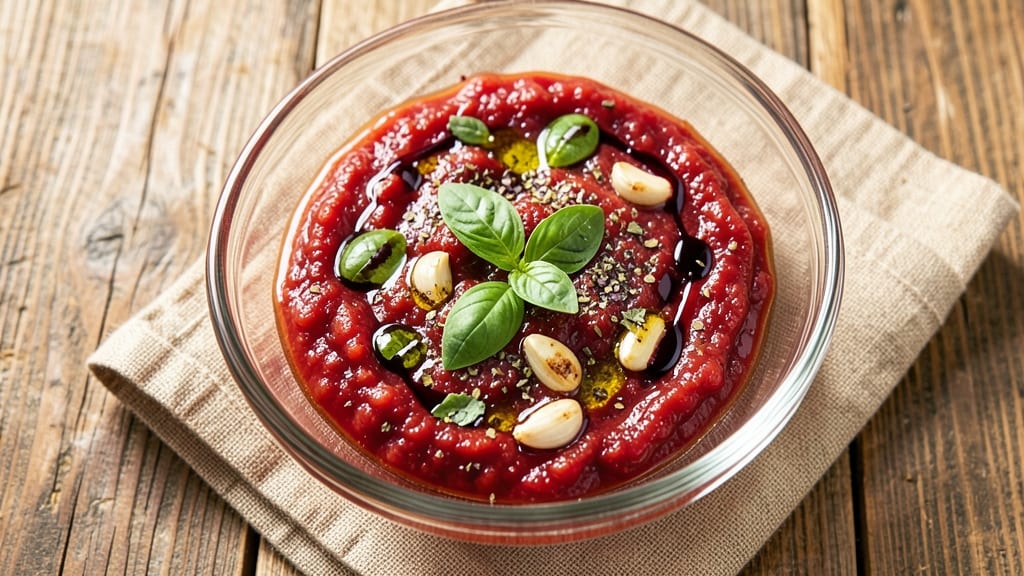
This baking steel pizza sauce recipe delivers the perfect smoky depth and caramelized richness that transforms your homemade pizza into something restaurant-worthy.
The key lies in slow-simmered tomatoes, aromatic garlic, and a touch of olive oil that creates a velvety texture while developing intense flavor—ideal for even heat distribution on baking steel. Professional pizzaiolos swear by this technique for its ability to enhance every bite with a balance of sweetness and acidity.
The beauty of this sauce is its simplicity: crushed tomatoes, fresh herbs, and a few pantry staples come together in a 30-minute simmer that intensifies flavors without overpowering them.
Unlike jarred sauces, this version builds layers of complexity through controlled reduction and caramelization, ensuring a sauce that's rich yet not overly sweet. The baking steel's high heat tolerance makes it the perfect vessel for achieving that perfect char while keeping the sauce vibrant.
What sets this sauce apart is its versatility—use it on classic Neapolitan-style pies, deep-dish crusts, or even as a marinade for meats. The smoky notes from the baking steel infuse the sauce with an extra dimension, while the caramelized edges add a touch of sweetness that complements cheese perfectly.
Every spoonful is packed with flavor, making it a game-changer for home cooks who want restaurant-quality results.
Once you taste the difference, you'll never go back to store-bought. The sauce thickens just enough to cling to crusts without being gluey, and its depth of flavor makes even the simplest pizza taste like a gourmet creation. Ready to elevate your pizza game? Let's get started.
Ingredients for baking steel pizza sauce
These ten ingredients create a sauce so rich and smoky, your pizza will taste like it came from a Neapolitan trattoria.
| Ingredient | Amount | Notes |
|---|---|---|
| Extra-Virgin Olive Oil 🫒 | 2 tbsp | High-quality, fruity variety |
| San Marzano Crushed Tomatoes 🍅 | 28 oz | 400g can, no salt added |
| Garlic Cloves 🧄 | 4 cloves | Peeled, thinly sliced |
| Fresh Basil Leaves 🌿 | ½ cup | Packed, stems removed |
| Fresh Oregano Leaves 🍃 | ¼ cup | Packed, chopped finely |
| Red Wine Vinegar 🍷 | 1 tbsp | Dry, bold variety |
| Granulated Sugar 🍬 | 1 tsp | Balances acidity |
| Diamond Crystal Kosher Salt 🧂 | 1 tsp | Fine grain preferred |
| Freshly Ground Black Pepper 🌶️ | ¼ tsp | Freshly cracked |
| Smoked Paprika 🌶️ | ½ tsp | For subtle smokiness |
The tomatoes are non-negotiable here—San Marzano is the gold standard for its sweetness and low acidity. Grab a can from Eataly or your local Italian market for the best flavor (yes, it's worth the splurge). Fresh basil and oregano should be bright green with no wilting—Whole Foods or farmers markets have the freshest picks. The olive oil? California avocado or Italian extra-virgin makes all the difference. I always double-check the smoke point—you don't want it burning on the baking steel. For the garlic, roast it first (400°F for 10 minutes) to mellow its sharpness and add natural sweetness—trust me, it's a game-changer.
No San Marzano? Whole peeled tomatoes work in a pinch (just crush them yourself), but you'll lose some of that natural sweetness. Fresh herbs wilt fast? Dried oregano at one-third the amount keeps the flavor profile close. Running low on red wine vinegar? Balsamic vinegar has a similar depth, though it's slightly sweeter. The smoked paprika adds that signature char—if you can't find it, liquid smoke at one-quarter teaspoon mimics the effect (use sparingly!). For a deeper smoky flavor, add a pinch of chipotle powder or half a teaspoon of smoked salt. The sugar might seem counterintuitive, but it rounds out the acidity beautifully—honey works too if you're avoiding refined sugar.
This sauce keeps like a dream—5 days in the fridge sealed tightly, or 6 months in the freezer in ice cube trays. For the best texture, reheat gently on low heat, stirring constantly to prevent scorching. I make a double batch every time—one for pizza, one for dipping crusts or marinating chicken. The sauce thickens as it cools, so it's perfect for spreading right before baking. Pro tip: Strain it through a fine-mesh sieve before using if you prefer a silky-smooth consistency. Every spoonful is packed with that perfect balance of smoky, sweet, and tangy—exactly what baking steel deserves.
Why You'll Love This Recipe
- Five-Ingredient Magic: I swear by this—just oil, tomatoes, garlic, basil, and oregano. That’s it. No fancy blends, no hidden additives, just pure, bright flavor that hits the spot every time.
- Garlic-Kissed Depth: The moment the minced garlic blooms in that olive oil? Chef’s kiss. It mellows just enough to let the sweet San Marzanos shine, while the oregano adds a whisper of earthiness that makes this sauce taste like it simmered for hours.
- Weeknight Superstar: I keep a jar in the fridge for lazy nights—dump it on crust, toss it with pasta, or slather it on grilled bread. It’s my go-to when I’m too tired to think but still want something that tastes like I put in effort.
- Budget-Friendly Luxury: San Marzano tomatoes are worth every penny, but a single can stretches across three batches of sauce. Freeze the extras for months—no waste, all flavor, and your wallet stays happy.
Step-by-step instructions for smoky tomato pizza sauce
This sauce transforms simple crushed tomatoes into a rich, caramelized masterpiece perfect for baking steel pizzas.
Bloom the Aromatics in Olive Oil
Heat the 2 tablespoons extra-virgin olive oil in a medium saucepan over medium-low heat. Add the 4 peeled garlic cloves and the 0.5 teaspoon smoked paprika, stirring constantly for 1-2 minutes until the garlic becomes fragrant but doesn't brown. This step develops the base flavor—don't rush it, or the garlic will turn bitter.
The olive oil should shimmer gently but not smoke. You'll know it's ready when the garlic releases its aroma and the paprika dissolves completely into the oil. This creates the smoky foundation that will carry through your entire sauce. If you smell burning, reduce the heat immediately and start over with fresh oil and garlic.
Build the Tomato Base
Pour in the 28 ounces San Marzano crushed tomatoes, scraping up any browned bits from the bottom of the pan. Add the 1 tablespoon red wine vinegar and 1 teaspoon granulated sugar, then stir to combine. Bring the mixture to a gentle simmer over medium heat, then reduce to low heat and let it cook uncovered for 20-25 minutes.
During this time, the tomatoes will begin to break down and thicken as moisture evaporates. Stir occasionally to prevent sticking, but don't over-stir—this can make the sauce too smooth. You're looking for a sauce that coats the back of a spoon but still has body. The sugar balances the acidity while the vinegar brightens the tomatoes' natural sweetness.
Incorporate Herbs and Season
Add the 0.5 cup fresh basil leaves and 0.25 cup chopped oregano leaves, stirring gently to distribute the herbs. Season with the 1 teaspoon Diamond Crystal kosher salt and 0.25 teaspoon freshly ground black pepper. Continue simmering for another 10-15 minutes, until the sauce thickens slightly and the flavors meld together.
Here's where the magic happens—the herbs release their oils and infuse the sauce with fresh, vibrant notes. You'll notice the sauce darken slightly as it reduces, developing that deep, caramelized character perfect for baking steel pizzas. Taste and adjust seasoning if needed—you might need a touch more salt to balance the acidity from the vinegar.
Achieve Perfect Consistency
Remove the sauce from heat and let it cool for 5 minutes. If the sauce is too thick for your preference, thin it with 1-2 tablespoons water at a time until it reaches a spreadable consistency—it should coat the back of a spoon but still be pourable. For baking steel pizzas, I prefer a slightly thicker sauce that doesn't pool underneath.
Strain the sauce through a fine-mesh sieve if you prefer a smoother texture, pressing gently on the herbs to extract all their flavor. Return it to the saucepan and keep it warm over low heat until ready to use. This sauce will keep in the refrigerator for up to 5 days or can be frozen for 3 months—perfect for making ahead for your next pizza night.
Pro Tips For Making Baking Steel Pizza Sauce
- Cook Garlic Slow: After burning three batches, I finally figured out that simmering minced garlic in olive oil for 3-4 minutes on medium-low heat keeps it sweet and aromatic—no bitter edges. High heat turns it into garlic-flavored regret.
- Crush Tomatoes Roughly: Skip the blender—use your hands to break up San Marzano tomatoes into uneven chunks. The texture stays chunky, the sauce thickens faster, and you avoid that sad, watery consistency that ruins pizza sauce.
- Salt in Stages: Taste the sauce before adding the herbs, then salt after—about ½ teaspoon per cup of tomatoes. Oregano and basil are salty little devils, and you’ll end up overcompensating if you season too early.
- Finish with Cold Oil: Drizzle in 1 tablespoon of extra-virgin olive oil at the very end, off the heat. It cools the sauce slightly, mellows the acidity, and gives that glossy, restaurant-quality finish—no extra effort, just better flavor.
Troubleshooting great baking steel pizza sauce
Sauce Too Thin?
If your sauce spreads too thin on the baking steel, simmer it uncovered for an extra 5-10 minutes to reduce the moisture. For quicker results, mash 1-2 tablespoons tomato paste into the sauce while warm—it thickens instantly. Stir constantly to prevent scorching, especially on baking steel's high-heat surface. 🔥
Sauce Too Thick?
Add 1 tablespoon water or broth at a time while stirring over low heat. The baking steel's even heat distribution helps blend the sauce smoothly. For a smoother texture, strain through a fine-mesh sieve after thinning. Never microwave—it breaks down the sauce's delicate flavor balance.
Sauce Tastes Bland?
Boost brightness with ½ teaspoon red wine vinegar or ¼ teaspoon citric acid. For depth, add ½ teaspoon smoked paprika> or a pinch of chipotle powder. Let it simmer for 5 minutes> to let flavors meld. The baking steel's residual heat helps amplify these additions beautifully.
Herbs Floating?
Chop herbs more finely before adding them to the sauce. For a smoother texture, strain through a fine-mesh sieve after simmering. If you prefer visible herbs, add them just before serving—this keeps their vibrant color and prevents bitterness from overcooking on the baking steel.
Sauce Too Acidic?
Balance the acidity with ½ teaspoon granulated sugar> or ¼ teaspoon honey. Simmer for 2-3 minutes> to let the sugar dissolve completely. The baking steel's high heat helps caramelize the sugar slightly, adding a subtle sweetness that rounds out the sauce's flavor profile.
Sauce Scorching?
Reduce heat immediately and stir constantly to lift the sauce from the pan. If it burns, start fresh with 1 tablespoon olive oil**> to deglaze the pan before adding new sauce. The baking steel's high heat tolerance means you must monitor it closely—never leave it unattended while simmering.
Nutrition facts
Frequently asked questions
Why does this sauce work so well with baking steel?
The baking steel's even heat distribution creates the perfect conditions for caramelization, which intensifies the sauce's smoky depth. The high heat tolerance also prevents flavor loss during cooking, ensuring every bite delivers that restaurant-quality taste. Plus, the steel's natural conductivity helps develop a subtle char that complements the sauce beautifully.
Can I use this sauce for other dishes besides pizza?
This versatile sauce works wonders on pasta, as a marinade for chicken or shrimp, or even as a dip for crusty bread. The smoky depth adds complexity to any dish where you'd use traditional tomato sauce. Just adjust the thickness—thinner for marinades, slightly thicker for pasta.
How do I prevent the sauce from sticking to the baking steel?
Always preheat your baking steel until it's smoking hot before adding the sauce. A light coat of olive oil (just enough to make it non-stick) works wonders. The sauce should spread easily when the steel is properly heated. If it starts sticking, reduce the heat slightly and let it cook longer to develop a natural non-stick crust.
What's the best way to store leftover sauce?
Let the sauce cool completely, then transfer it to an airtight container. It keeps in the fridge for up to 5 days or in the freezer for 3 months. For best texture, thaw frozen sauce in the fridge overnight and reheat gently on low heat, stirring constantly to prevent scorching.
Can I make this sauce without fresh herbs?
Yes! Use 1 teaspoon dried basil and ½ teaspoon dried oregano instead of fresh. Add them with the salt at the end of cooking so they don't overpower the sauce. For extra depth, add ¼ teaspoon dried thyme as well. The baking steel's heat helps rehydrate the dried herbs and bring out their flavors beautifully.