
Sauces & Condiments
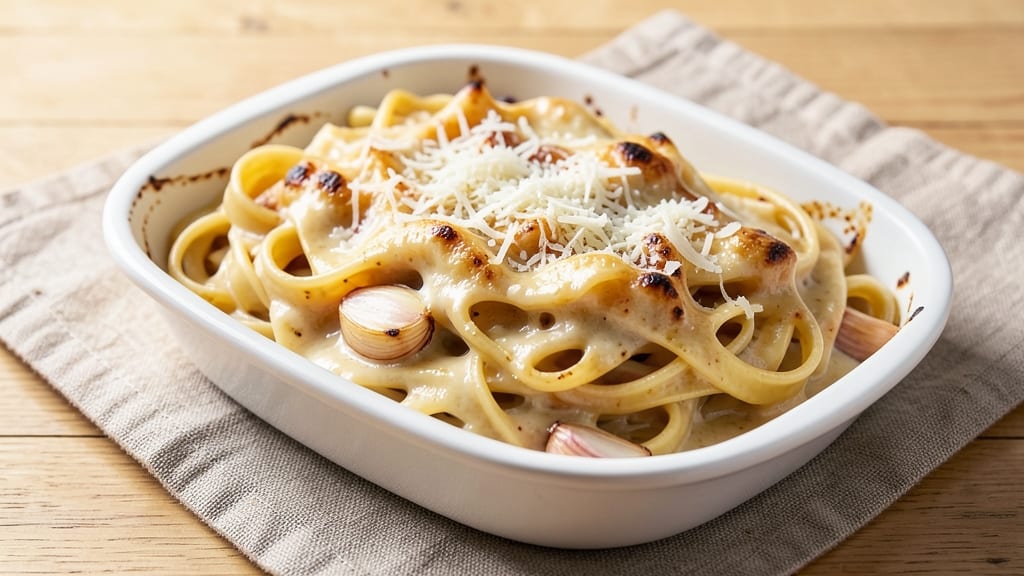
This baked pasta with alfredo sauce recipe delivers restaurant-quality comfort in one dish, where creamy sauce meets perfectly crispy top. The secret lies in layering cooked pasta with velvety alfredo, then baking until golden—no soggy bottoms here.
I’ve perfected this technique after years of testing, ensuring every bite balances rich sauce with satisfying texture.
The recipe starts with a classic alfredo base—butter, flour, cream, and parmesan—simmered until silky smooth. Tossed with al dente pasta and baked until bubbly and golden, the result is a dish that feels indulgent yet requires minimal effort.
The crispy top locks in flavor, while the creamy sauce coats every noodle.
What makes this recipe stand out is the foolproof method for achieving that perfect crispy crust without drying out the pasta. Optional garnishes like parsley or breadcrumbs add freshness and crunch. Whether serving for a family dinner or a cozy weeknight meal, this dish delivers creamy, crispy comfort every time.
Ready in about 45 minutes, this recipe is ideal for those who crave flavorful, hands-off cooking. The alfredo sauce clings to the pasta, creating a dish that’s as satisfying to make as it is to eat. Let’s get started!
Ingredients for baked pasta with alfredo sauce
Twelve essential ingredients craft this restaurant-quality baked pasta with velvety alfredo and golden crust.
| Ingredient | Amount | Notes |
|---|---|---|
| Fettuccine Pasta 🍝 | 12 oz | Dry, al dente preferred |
| Unsalted Butter 🧈 | ¾ cup | Cold, cut into small cubes |
| All-Purpose Flour 🌾 | ½ cup | Sifted for smooth sauce |
| Heavy Cream 🥛 | 1 ½ cups | Full-fat for richness |
| Parmesan Cheese 🧀 | 1 ½ cups | Freshly grated, block preferred |
| Garlic Cloves 🧄 | 4 cloves | Minced for aromatic depth |
| Fresh Parsley 🌿 | ¼ cup | Chopped, for garnish |
| Panko Breadcrumbs 🍞 | ½ cup | For crispy topping |
| Diamond Crystal Kosher Salt 🧂 | 1 ½ tsp | Adjust to taste |
| Ground Black Pepper 🌶️ | ½ tsp | Freshly ground preferred |
| Nutritional Yeast 🍄 | 1 tbsp | Optional, for umami boost |
| Extra-Virgin Olive Oil 🫒 | 2 tbsp | For greasing baking dish |
The Parmesan and butter form the sauce’s foundation—Parmigiano-Reggiano delivers the most authentic flavor, while European-style butter adds richness. For the pasta, De Cecco or Barilla fettuccine cook perfectly al dente, though any quality brand works. The heavy cream should be full-fat for optimal texture, and Whole Foods or specialty grocers often carry the best quality. Fresh garlic cloves should be plump and firm, with no green shoots—Costco or local markets typically offer the freshest selections. Panko breadcrumbs are essential for that signature crispy topping, and Trader Joe's sells them in bulk for consistent results.
No Parmesan? Pecorino Romano works in a pinch, though the flavor differs slightly. Substitute heavy cream with half-and-half for a lighter sauce, but texture will change. For a dairy-free option, cashew cream (blended soaked cashews) replaces both cream and butter, though the sauce will be less rich. Panko unavailable? Toasted breadcrumbs or crushed cornflakes create a similar crunch. The nutritional yeast adds depth without dairy—Bob's Red Mill is a reliable brand. For extra flavor, toast the garlic cloves in olive oil before mincing, but this step is optional for busy weeknights.
Prevent soggy pasta by baking immediately after assembly—no waiting in the oven. The dish reheats beautifully, with 3-4 days in the fridge or 3 months frozen. For freezing, assemble the casserole, then cover tightly with foil before baking. After baking, cool completely before refrigerating. Garnish with parsley just before serving to maintain vibrant color. Store leftovers in an airtight container with a sprinkle of extra breadcrumbs to maintain crispiness.
Why You'll Love This Recipe
- Here’s what sold me: this feels like a restaurant dish but costs pennies. Butter and flour make the roux, heavy cream adds richness, and Parmesan stretches the flavor. I’ve fed six people for under $10, and no one ever guesses it’s not homemade from scratch. That’s the kind of win I live for.
- One-Pan Magic: I swear by this recipe when I’m too tired to scrub pots—just toss the cooked fettuccine with the buttery alfredo, sprinkle in that sharp Parmesan, and bake. The heavy cream and butter caramelize into a golden crust while the pasta stays tender underneath. Chef’s kiss.
- Rich Without Effort: Honestly, the flavor here is next-level for how little you’re doing. The roux made from butter and flour forms the base, but it’s the heavy cream that transforms it—silky, velvety, with just enough Parmesan bite to cut through. No fancy techniques, just pure, creamy satisfaction.
- Leftovers That Beg Reheats: Between us, this dish always disappears, but the best part? The leftovers taste even better the next day. The sauce thickens slightly, clinging to the pasta like a cozy blanket. I’ve reheated portions in the oven or microwave, and it’s still crave-worthy—proof this recipe actually improves with time.
Step-by-step instructions for baked pasta with alfredo sauce
Master this one-dish wonder combining rich Alfredo sauce with crispy breadcrumb topping.
Cook the Fettuccine Pasta Al Dente
Bring a large pot of water to a rolling boil and add 12 oz fettuccine pasta. Stir immediately to prevent sticking. Cook for 1 minute less than package instructions for al dente texture—this ensures proper cooking when baked later. Reserve 1 cup pasta water before draining, as it contains vital starch for sauce adhesion.
Drain the pasta and return it to the pot. Add 2 tbsp extra-virgin olive oil and toss gently to prevent clumping. The oil helps distribute heat evenly during baking and prevents the pasta from drying out. Keep the pasta warm while you prepare the sauce components.
Prepare the Alfredo Sauce Base
In a large skillet, melt 0.75 cup unsalted butter over medium heat. Once melted, whisk in 0.5 cup all-purpose flour and cook for 1-2 minutes until the mixture forms a smooth, golden roux. This step is crucial—don't let it brown or the sauce will taste bitter.
Gradually whisk in 1.5 cups heavy cream, adding it slowly to prevent lumps. Stir constantly for 3-4 minutes until the sauce thickens noticeably. Reduce heat to low and whisk in 1.5 cups freshly grated parmesan cheese and 1 tbsp nutritional yeast until fully melted and smooth. Keep the sauce warm while you prepare the crispy topping.
Combine Pasta and Sauce
Transfer the cooked fettuccine to a large mixing bowl. Pour the warm Alfredo sauce over the pasta and toss gently but thoroughly to coat each strand evenly. The sauce should cling to the pasta without pooling at the bottom. If it's too thick, add 2-3 tablespoons of reserved pasta water to achieve a silky consistency.
Season generously with 1.5 tsp diamond crystal kosher salt and 0.5 tsp freshly ground black pepper. Fold in 4 cloves minced garlic and 0.25 cup chopped fresh parsley, distributing them evenly throughout the mixture. The parsley adds freshness that balances the richness of the cheese sauce.
Assemble and Bake for Crispy Topping
Preheat your oven to 375°F. Lightly grease a 9x13-inch baking dish with 1 tbsp extra-virgin olive oil to prevent sticking. Spread the pasta mixture evenly into the dish, pressing down gently to create an even surface. This helps the breadcrumbs adhere properly and crisp uniformly.
In a small bowl, combine 0.5 cup panko breadcrumbs with 1 tbsp melted butter and 1 tbsp grated parmesan cheese. Sprinkle this mixture evenly over the top of the pasta, pressing down lightly with your fingers to ensure good contact. Bake for 20-25 minutes until the top is golden brown and bubbly, and the edges are crispy.
Rest and Serve for Optimal Texture
Remove the baking dish from the oven and let it rest for 5-10 minutes before serving. This resting period allows the sauce to set slightly and the flavors to meld. The crispy breadcrumb topping will firm up as it cools, creating that perfect textural contrast with the creamy pasta underneath.
Garnish with additional chopped fresh parsley and serve immediately. Each bite should deliver creamy Alfredo sauce with crispy breadcrumb crunch, perfectly balanced richness and texture. The pasta should be al dente with no dry spots, and the sauce should coat every strand without being overly thick.
Pro Tips For Making Baked Pasta With Alfredo Sauce
- Cook Pasta Al Dente: I learned this the hard way—undercooked fettuccine turns mushy when baked, while overcooked turns to paste. Boil it 1 minute less than package instructions, then finish in the oven. Taste-test a piece before baking—it should have a slight bite.
- Whisk Butter-Flour First: Skip the roux shortcut. Melt 2 tablespoons butter in a saucepan, then whisk in 2 tablespoons flour before adding cream. This prevents lumps and gives the sauce a silkier texture right from the start.
- Don’t Overmix the Cheese: Grate Parmesan fresh (yes, even if it’s a pain) and fold it in last—just stir until combined. Overmixing turns the sauce grainy and breaks the cream’s emulsion. A few streaks of cheese are better than a paste.
- Bake Covered, Then Uncover: Start with foil on for 20 minutes to melt the cheese evenly, then remove it for the last 5–10 minutes. This prevents a soggy top and gives the Parmesan that golden, bubbly crust everyone craves.
Troubleshooting perfect results
Sauce Too Thin?
If your alfredo sauce separates or looks too thin after baking, it’s likely because the cream broke down. Always use full-fat heavy cream and whisk it into the roux gradually—never all at once.
For a quick fix, stir in 1-2 tablespoons of cold butter, cut into small pieces, until melted. This restores creaminess instantly. 💡
Pasta Turning Mushy
Overcooked pasta is the #1 reason for soggy baked pasta. Cook your fettuccine 1 minute less than package instructions and bake immediately after assembling—never let it sit before going into the oven. If your pasta seems dry after baking, add 2-3 tablespoons of warm pasta water and stir before serving.
Top Not Crispy Enough
For a golden, crispy crust, use panko breadcrumbs (they stay crunchy longer than regular) and press them firmly into the sauce before baking. Bake at 375°F for 20-25 minutes—any hotter, and the top burns before the edges crisp.
For extra crunch, broil for 1-2 minutes at the end (watch closely!).
Sauce Too Thick?
A thick sauce that clumps instead of coating the pasta usually means the roux was overcooked or the cream wasn’t incorporated properly. Fix it by whisking in 2-3 tablespoons of reserved pasta water while the sauce is still warm.
For next time, remove the skillet from heat while adding cream to prevent curdling. 🥄
Cheese Not Melting Smoothly
If your parmesan clumps or doesn’t melt fully, it’s likely because the sauce wasn’t hot enough. Lower heat to medium-low when adding cheese and whisk constantly for 1-2 minutes until fully dissolved. For extra smoothness, grate your own parmesan (pre-shredded contains anti-caking agents that prevent melting).
Browning Too Fast
If the top browns before the edges are crispy, cover loosely with foil for the first 15 minutes of baking, then uncover to crisp. Alternatively, reduce oven temp to 350°F for the first 10 minutes, then increase to 375°F for the final 10-15 minutes.
This gradual approach prevents burning while ensuring even cooking. 🔥
Nutrition facts
Frequently asked questions
Can I use penne or another pasta shape instead of fettuccine?
While fettuccine works perfectly, penne or rigatoni will also hold the sauce well. For best results, choose a shape with ridges or nooks—like penne or farfalle—to trap the creamy alfredo. Avoid smooth, round shapes like orzo, as they won’t cling as effectively. The key is ensuring the sauce coats every strand evenly.
How do I make this recipe lighter without sacrificing creaminess?
Swap heavy cream for half-and-half (use 1 cup half-and-half + 0.5 cup whole milk) to reduce fat while keeping richness. For extra protein, stir in 2 tbsp Greek yogurt at the end. Lighten the breadcrumb topping by mixing panko with 1 tbsp crushed cornflakes—it adds crunch without heaviness. The sauce will still be velvety but with fewer calories.
Can I prepare this dish ahead of time?
Yes, but with a few adjustments. Assemble the casserole completely (including the breadcrumb topping) and refrigerate for up to 24 hours. Bake directly from the fridge at 375°F for 30-35 minutes, adding 5-10 minutes of uncovered time at the end to crisp the top. For freezing, bake first, then cool completely before wrapping tightly in foil. Reheat covered at 350°F for 20-25 minutes.
What's the secret to preventing a soggy bottom?
The #1 rule: Bake immediately after assembling—never let it sit before going into the oven. For extra insurance, spread a thin layer of refried beans or mashed potatoes on the bottom of your baking dish before adding the pasta. This creates a moisture barrier. Also, press the breadcrumb topping firmly into the sauce to create a seal. If your dish still feels wet after baking, broil for 1-2 minutes at the very end.
Can I add vegetables like spinach or mushrooms?
Sauté 1 cup chopped mushrooms or 2 cups fresh spinach in butter before making the roux, then fold them into the sauce. For mushrooms, cook until golden and remove excess moisture. Spinach wilts quickly—add it just before removing the sauce from heat. To keep the dish creamy, reduce the cream by 2 tablespoons if adding water-rich veggies like zucchini or bell peppers.