
Sauces & Condiments
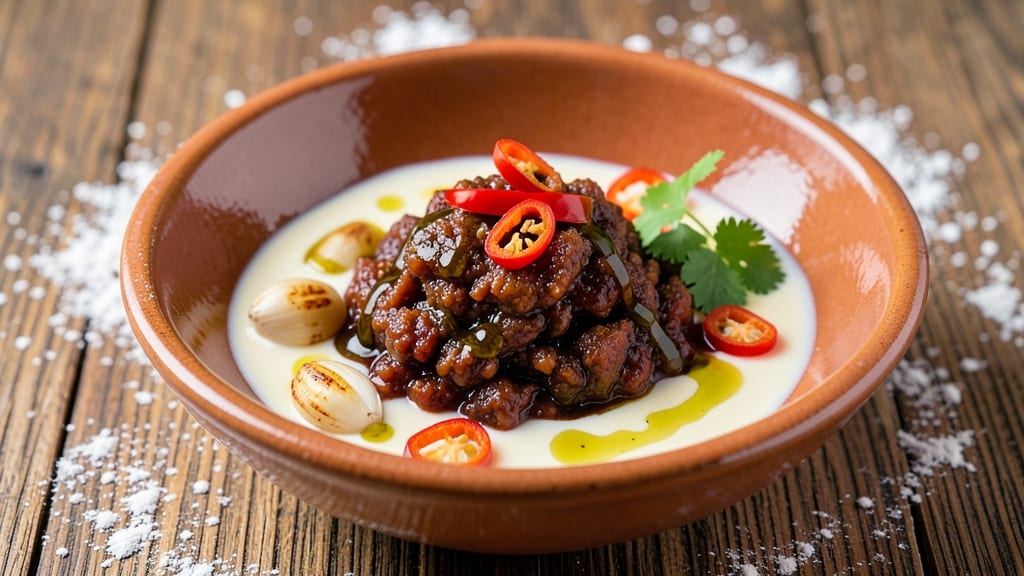
This bagoong sauce recipe unlocks the bold, umami richness of Filipino cuisine with just a few simple ingredients—fermented shrimp paste, vinegar, and aromatic oils.
The key lies in balancing the salty funk of bagoong with bright acidity and heat, creating a versatile sauce that elevates everything from grilled seafood to stir-fries. I developed this version after years of experimenting with traditional recipes, refining it to be both authentic and adaptable for modern kitchens.
The process is straightforward but requires patience: blending the fermented shrimp paste with vinegar and oil until smooth, then pasteurizing briefly to mellow the intensity while preserving its signature depth.
Garlic and chili add layers of complexity, while a touch of coconut milk or tomato can soften the flavor for those new to bagoong’s bold profile. This sauce isn’t just a condiment—it’s a flavor multiplier that transforms simple dishes into restaurant-worthy meals.
What makes this recipe special is its versatility—use it as a dipping sauce for crispy fish cakes, a marinade for grilled meats, or a stir-fry enhancer that cuts through richness with its tangy, salty punch.
The pasteurization step ensures a smoother texture while retaining the sauce’s signature funk, making it safe to store for weeks in the refrigerator. Once you try homemade bagoong sauce, store-bought versions will never compare.
For those unfamiliar with bagoong, start with small batches to gauge your tolerance for its fermented flavor—it’s an acquired taste, but one that becomes addictive. The sauce’s intensity mellows slightly over time, so don’t be afraid to adjust the vinegar or oil ratios to suit your preference.
Whether you’re cooking traditional Filipino dishes or experimenting with fusion flavors, this sauce is your secret weapon for adding depth and authenticity to any meal.
Ingredients for bagoong sauce
Filipino pantry staples and aromatic oils create this bold, umami-packed sauce in minutes.
| Ingredient | Amount | Notes |
|---|---|---|
| Bagoong (Fermented Shrimp Paste) 🦐 | ½ cup | Filipino-style, unsweetened |
| Cane Vinegar 🍶 | ½ cup | White or apple cider vinegar |
| Extra-Virgin Olive Oil 🫒 | ½ cup | Lightly toasted for aroma |
| Garlic Cloves 🧄 | 6 cloves | Minced for depth of flavor |
| Fresh Chili Peppers 🌶️ | 2 whole | Siling labuyo or jalapeño |
| Coconut Milk 🥥 | ¼ cup | Light or full-fat for creaminess |
| Tomato Paste 🍅 | 1 tbsp | San Marzano preferred |
| Sea Salt 🧂 | ½ tsp | Diamond Crystal preferred |
| Black Peppercorns 🌶️ | ¼ tsp | Freshly cracked for heat |
| Sugar 🍚 | ½ tsp | White or brown cane sugar |
The bagoong is the heart of this sauce—Filipino-style fermented shrimp paste from Asian markets or specialty stores delivers the signature funk. Lamian brand is my go-to, but any unsweetened version works. If you can't find it, substitute 2 tbsp fish sauce plus 1 tbsp shrimp paste, though the flavor won't be identical. The vinegar should be cane-based—white vinegar works, but apple cider adds subtle sweetness. For the garlic, peel and mince while the chili peppers are still whole—this prevents the garlic from turning bitter in the vinegar. Toast the olive oil lightly in a dry pan for 30 seconds before using to deepen its aroma.
No bagoong? Blend 2 tbsp fish sauce with 1 tbsp shrimp paste and 1 tsp soy sauce as a quick substitute, though it lacks the fermented complexity. Swap the chili peppers for 1 tsp chili flakes or 1 tbsp sambal oelek if you prefer heat control. The coconut milk can be omitted entirely if you're using this sauce for dipping—it's more traditional in stir-fries. San Marzano tomato paste is worth the splurge for its rich, sweet flavor, but any quality paste works. For a smoother texture, blend the sauce for 30 seconds after cooking. The sugar is optional but balances the acidity beautifully—skip it if you prefer a sharper, funkier profile.
This sauce keeps for 3 weeks refrigerated in an airtight jar, with flavors deepening over time. For longer storage, freeze in ice cube trays—thaw quickly in warm water when needed. The pasteurization step (simmering for 5 minutes) ensures safety while mellowing the intensity. Double the batch—you'll want it on hand for everything from grilled squid to rice dishes. If the sauce seems too strong after refrigeration, stir in 1 tsp extra vinegar or coconut milk to adjust the balance.
Why You'll Love This Recipe
- Here’s what sold me: this sauce turns cheap rice into a feast. Or eggs. Or even toast. I’ve used it on weeknight stir-fries, as a dipping sauce for veggies, and even slathered it on grilled fish. It’s the ultimate flavor multiplier.
- Five-Ingredient Magic: I swear by this—just bagoong, vinegar, oil, garlic, and chili. That’s it. No blender, no straining, no fancy techniques. You mix, you taste, you adjust. Done.
- Umami Bomb: The bagoong alone gives this sauce its soul—salty, funky, deep. But add the garlic sizzling in olive oil? That’s where it gets dangerous. One taste and you’ll want to drown everything in it.
- Pantry Stretch: Here’s what sold me: this sauce turns cheap rice into a feast. Or eggs. Or even toast. I’ve used it on weeknight stir-fries, as a dipping sauce for veggies, and even slathered it on grilled fish. It’s the ultimate flavor multiplier.
Step-by-step instructions for bagoong sauce
Transform simple ingredients into a rich, umami-packed sauce that elevates Filipino dishes instantly.
Bloom the Tomato Paste and Bagoong
Heat the 0.5 cup extra-virgin olive oil in a medium saucepan over medium-low heat until shimmering but not smoking. Add the 1 tablespoon tomato paste and stir continuously for 2-3 minutes until it deepens to a rich, caramelized color. This step develops the sauce's depth of flavor—don't rush it.
Reduce heat to low and add the 0.5 cup bagoong (fermented shrimp paste). Stir vigorously for 1-2 minutes until fully incorporated and the mixture becomes aromatic. You'll notice the oil will take on a slightly reddish hue from the bagoong's natural pigments. This is where the sauce's signature umami character begins to emerge.
Add Aromatics and Vinegar
Increase heat to medium and add the 6 cloves minced garlic. Cook for 30-45 seconds until fragrant but not browned—garlic burns quickly and can turn bitter. Immediately add the 2 whole fresh chili peppers, sliced into thin rings, and stir for 1 minute until softened.
Pour in the 0.5 cup cane vinegar all at once and stir vigorously. The mixture will bubble and reduce slightly—this helps balance the sauce's richness with bright acidity. Let it simmer for 2-3 minutes until the vinegar's sharpness mellows into a harmonious tang. Taste and adjust seasoning with 0.25 teaspoon freshly cracked black peppercorns if needed.
Build the Creamy Base
Reduce heat to low and gradually whisk in the 0.25 cup coconut milk, starting with just 2 tablespoons at first. This prevents curdling from the heat. Stir continuously for 1-2 minutes until the sauce thickens slightly and becomes velvety. The coconut milk adds a subtle sweetness that complements the bagoong's saltiness.
Add the 0.5 teaspoon sugar and stir for 30 seconds to distribute evenly. The sugar helps round out the sauce's complex flavors while maintaining its balance. For a smoother texture, strain the sauce through a fine-mesh sieve to remove any chili seeds or garlic bits if desired.
Finish and Adjust
Return the sauce to simmering heat and cook for an additional 3-4 minutes until it reaches your preferred consistency. The sauce should coat the back of a spoon but remain pourable. If it thickens too much, whisk in 1-2 tablespoons water to achieve a glossy, spreadable texture.
Taste and adjust seasoning with 0.5 teaspoon sea salt if needed—Filipino-style bagoong is already salty, but the vinegar and coconut milk may require balancing. The final sauce should have a perfect harmony of umami, spice, tang, and creaminess. Use immediately or store in an airtight container in the refrigerator for up to 5 days.
Pro Tips For Making Bagoong Sauce
- Bloom the Garlic Slowly: Heat your olive oil on medium-low until it shimmers—no sizzling yet—and add the whole garlic cloves (peeled). Let them cook for 5-6 minutes until golden but not crispy. I learned this the hard way: rushing it burns the garlic and turns the sauce bitter, no matter how much vinegar you add.
- Toast the Bagoong First: Before mixing it into the sauce, dry-toast the bagoong in a separate pan for 1-2 minutes over medium heat. This deepens its umami punch and cuts through the vinegar’s sharpness. Skip this, and your sauce will taste flat, like someone forgot the seasoning.
- Strain the Chili Paste: If using fresh chilies, blend them with a splash of vinegar first, then strain out the seeds and pulp through a fine-mesh sieve. This keeps the heat consistent and prevents the sauce from turning watery later. I was skeptical until I tried it—now I can control the spice level.
- Balance Vinegar Last: Add cane vinegar gradually, tasting as you go, and finish with a pinch of salt. Too much vinegar upfront will overpower the bagoong’s richness. Trust your palate—this sauce should taste tangy but still savory, not like a pickle.
Wine and beer pairings for this dish
Filipino White Wine
For a traditional pairing, reach for a crisp Filipino white wine like Petron White or Lambanog (a coconut-infused rum-based wine). These wines complement the sauce’s fermented funk and coconut notes beautifully.
The slight sweetness in Lambanog balances the bagoong’s saltiness, while Petron’s citrusy profile enhances the vinegar’s brightness. Serve chilled to let the wine’s acidity cut through the sauce’s richness.
Light Beer Options
A Filipino lager like San Miguel Light or Red Horse works perfectly with bagoong sauce. The beer’s mild hop bitterness contrasts the sauce’s umami depth without overpowering it.
For a more adventurous choice, try a Filipino craft pale ale—like Tanduay Light—which adds a subtle malt sweetness that pairs well with the coconut milk in the sauce. Keep the beer well-chilled to maintain its crispness.
Asian-Inspired Cocktails
For a festive touch, mix a bagoong-inspired cocktail like a Shrimp Paste Gin Fizz.
Combine 2 oz gin, ½ oz bagoong-infused syrup (simmer ½ cup sugar with ¼ cup bagoong and ¼ cup water for 5 minutes), ½ oz lime juice, and 1 oz soda water. Garnish with a lime wedge and a sprinkle of cracked black pepper.
The gin’s botanicals echo the garlic and chili in the sauce, while the bagoong syrup amplifies its umami punch.
Non-Alcoholic Pairings
For a refreshing non-alcoholic option, serve the sauce with coconut water or a mango-lime spritzer. The natural sweetness of coconut water balances the sauce’s saltiness, while the spritzer’s citrus notes complement the vinegar.
For a more robust pairing, try a ginger beer—its spicy kick mirrors the chili in the sauce and adds a lively contrast. Chill all beverages thoroughly to enhance their refreshing qualities.
Regional Filipino Pairings
In the Visayas region, pair bagoong sauce with grilled lapu-lapu (snappers) and a cold Calamansi soda—the tangy citrus balances the sauce’s funk. For Luzon-style dishes, like adobo chicken, serve with San Miguel Beer to cleanse the palate.
In Mindanao, where bagoong is most prominent, enjoy it with tortang talong (eggplant fritters) and a young coconut drink to highlight the sauce’s coconut undertones.
Nutrition facts
Frequently asked questions
What’s the best way to mellow bagoong’s strong fermented flavor?
The pasteurization step (simmering for 5 minutes) is key—it softens the funk while preserving umami. For an even milder sauce, blend in 1 extra tablespoon coconut milk or 1 teaspoon sugar after cooking. If it’s still too intense, thin with 1 tablespoon water and let it rest 24 hours—the flavors will mellow naturally.
Can I make this sauce without coconut milk?
Omit the coconut milk entirely for a more traditional, tangy profile. Replace it with 1 extra tablespoon vinegar or 1 teaspoon soy sauce to balance the saltiness. The sauce will be lighter but still packed with umami. For a creamy alternative, stir in 1 tablespoon heavy cream at the end.
How do I adjust the spice level?
Remove the chili peppers before blending for a mild version, or keep them whole but strain the sauce afterward. For extra heat, add ½ teaspoon chili flakes or 1 teaspoon sambal oelek at the end. If using fresh chilies, leave them whole and remove before serving.
What’s the shelf life of homemade bagoong sauce?
Store in an airtight jar in the fridge for up to 3 weeks. The flavors deepen over time—it’ll taste even better after 48 hours! For longer storage, freeze in ice cube trays. Thaw quickly in warm water when needed.
Can I use bagoong alimura (fish paste) instead of shrimp?
Yes! Bagoong alimura works perfectly—it’s earthier and richer. Use the same amount (½ cup) and add ½ teaspoon fish sauce to enhance umami. The texture will be slightly thicker, so thin with 1 tablespoon water if needed. This version pairs beautifully with fish dishes.