
Sauces & Condiments
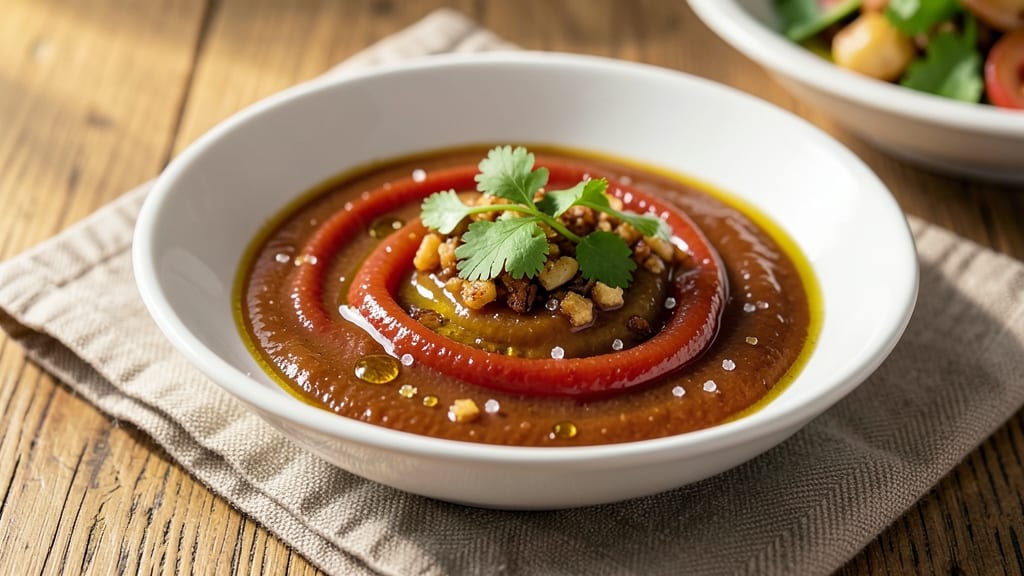
This bacsilog sauce recipe delivers the signature sweet-savory glaze that elevates Filipino grilled meats to restaurant-quality perfection. The secret lies in a balanced blend of soy sauce, vinegar, and garlic that simmers into a silky, aromatic sauce with just the right caramelized depth.
I developed this version after years of perfecting the ratio—no more cloyingly sweet or overly salty results, just that ideal harmony of umami and brightness.
The process is straightforward: garlic and sugar form the flavor base, while soy sauce and vinegar create the signature tangy-sweet balance.
A splash of tomato paste adds subtle richness, and a quick reduction on the stove transforms these simple ingredients into a glossy, clingy sauce that clings beautifully to grilled pork or chicken.
What makes this sauce truly special is its versatility—it works equally well as a marinade, dipping sauce, or finishing glaze.
By the time you're done, you'll have a batch of silky, aromatic bacsilog sauce that transforms ordinary grilled meats into something extraordinary. The sauce's natural stickiness means every bite delivers maximum flavor, while its balanced sweetness and acidity cut through the richness of charred meats.
This is the kind of sauce that turns weeknight grilling into a flavor experience worthy of Filipino street food stalls.
Store it in the refrigerator for up to a week, or freeze for longer shelf life—perfect for meal prepping or gifting. The best part? This sauce comes together in just 20 minutes, making it the ideal quick but impressive addition to any Filipino-inspired menu. Let's get cooking!
Ingredients for bacsilog sauce
Nine simple ingredients transform into that signature Filipino glaze—sweet, savory, and irresistibly sticky.
| Ingredient | Amount | Notes |
|---|---|---|
| Garlic Cloves 🧄 | 6 cloves | Minced for aromatic depth |
| Granulated Sugar 🍚 | ½ cup | Light brown sugar for caramel notes |
| Soy Sauce 🥢 | ½ cup | High-quality, preferably Japanese |
| Cane Vinegar 🍶 | ¼ cup | White or apple cider vinegar |
| Tomato Paste 🍅 | 2 tbsp | Smooth, no-salt-added preferred |
| Extra-Virgin Olive Oil 🫒 | 2 tbsp | Light variety for balance |
| Salt 🧂 | 1 tsp | Diamond Crystal kosher salt |
| Black Peppercorns 🌶️ | ¼ tsp | Freshly cracked for heat |
| Water 💧 | ¼ cup | Room temperature preferred |
The garlic and sugar are the flavor anchors here. Fresh garlic cloves (not powder) are non-negotiable—they toast beautifully and develop that deep, nutty aroma. Light brown sugar adds subtle caramel depth, but if you only have white, don't stress. For the soy sauce, Japanese brands like Kikkoman or Gold Peak work best—they've got that perfect balance of salt and umami. Vinegar choice matters too: cane vinegar has a cleaner finish, but apple cider adds a fruity twist if you're feeling adventurous. I always grab my tomato paste from the Trader Joe's squeeze tubes—no waste, and it keeps for months.
No cane vinegar? White vinegar or apple cider vinegar will work just fine. Short on tomato paste? A splash of tomato sauce (about 1 tbsp) gives you that same subtle richness without the thickness. The olive oil might seem like an odd addition, but it's what helps create that silky texture—light varieties like extra-light olive oil work best so they don't overpower. Want to make this spicier? Add a pinch of red pepper flakes or a dash of Sriracha at the end. The water is there to help with the reduction—don't skip it, but if you're making a double batch, you can halve it.
This sauce gets better as it sits—let it cool completely before storing. Glass jar in the fridge keeps it fresh for up to 1 week, though I usually use it all within 3 days. For longer storage, freeze in ice cube trays—perfect for single-use portions. The sauce thickens as it cools, so if it seems too stiff, just warm it gently with a splash of water. Pro tip: Brush it on grilled meats while still hot for maximum stickiness and flavor transfer.
Why You'll Love This Recipe
- Five-Ingredient Magic: I swear by this—just garlic, sugar, soy sauce, vinegar, and tomato paste. That’s it. No fancy pantry trips, no last-minute grocery runs. The sauce comes together while you’re still debating what to eat for dinner.
- Umami Bomb: The garlic sizzles until it’s fragrant but not burnt, then the soy and vinegar cut through with that perfect tang. Honestly, the first time I tasted it, I thought, "Why haven’t I been doing this forever?" It’s the kind of flavor that sticks with you.
- Weeknight Workhorse: Slather it on garlic rice, toss it with eggs, or drizzle it over grilled fish—it’s my go-to for lazy nights. Between us, it’s the reason I survived three months of "I don’t feel like cooking" phases. (Yes, even on a Tuesday night.)
- Pantry Goldmine: A little goes a long way, so you’ll have leftovers for days. I double the batch and keep it in the fridge; it’s my secret weapon for turning plain rice into something special. Plus, the ingredients cost next to nothing—this is budget cooking at its finest.
Step-by-step instructions for bacsilog sauce
This silky, aromatic glaze transforms simple grilled meats into restaurant-worthy dishes. Let's make it together.
Bloom the Garlic in Olive Oil
Heat the 2 tablespoons extra-virgin olive oil in a medium saucepan over medium-low heat. Add the 6 cloves minced garlic and cook for 2-3 minutes until fragrant and just beginning to turn golden—this releases their sweet, aromatic oils without burning. Watch closely; garlic can go from perfect to bitter in seconds.
Here's the thing—garlic should smell incredible but not acrid. If it starts to darken too quickly, reduce the heat immediately. This step builds the sauce's aromatic foundation, so don't rush it. Once the garlic is golden, we'll move to the next ingredients without letting it cool.
Combine Wet Ingredients for the Base
Add the 0.5 cup soy sauce, 0.25 cup cane vinegar, and 0.25 cup water to the pan with the garlic. Stir well to combine, then increase the heat to medium-high. Bring the mixture to a gentle simmer and let it cook uncovered for 5-7 minutes, stirring occasionally, until it reduces by about one-third. You'll notice the sauce thicken slightly and develop a glossy sheen.
This reduction step concentrates the flavors and removes excess moisture. You're looking for a sauce that coats the back of a spoon but still flows freely. If it reduces too quickly, lower the heat slightly to prevent scorching. The vinegar will add brightness while the soy sauce builds depth—this balance is what makes bacsilog sauce special.
Incorporate Sugar and Tomato Paste
Reduce the heat to low and stir in the 0.5 cup granulated sugar and 2 tablespoons tomato paste. The sugar will dissolve almost immediately, creating a smooth, syrupy texture. Let the sauce simmer gently for 8-10 minutes, stirring frequently, until it thickens to a glossy, coatable consistency. It should pull away from the sides of the pan slightly but still be pourable.
This is where the magic happens—the sugar caramelizes just enough to add subtle sweetness without overpowering the savory elements. If the sauce starts to stick, add 1 tablespoon water at a time until it loosens. The tomato paste adds body and a slight tang that balances the sweetness. You'll know it's ready when it coats a spoon smoothly and leaves a slight sheen.
Season and Simmer to Perfection
Add the 1 teaspoon salt and 0.25 teaspoon freshly cracked black peppercorns to the sauce. Stir well to distribute the seasoning evenly, then return the heat to medium-low. Let the sauce simmer uncovered for another 5-7 minutes, stirring occasionally, until it reaches your desired thickness. It should be smooth, glossy, and coatable—almost like a thin syrup.
Taste the sauce and adjust the seasoning if needed. You might want to add a touch more sugar if it's too savory, or a splash of vinegar if it's too sweet. The peppercorns add a subtle heat that cuts through the richness. Once perfectly balanced, remove the sauce from heat and let it cool slightly before using—this allows the flavors to meld completely.
Strain and Use Immediately
For the smoothest texture, strain the sauce through a fine-mesh sieve into a clean bowl or saucepan. This removes any garlic bits and gives you that silky, restaurant-quality finish. The sauce should be thin enough to drizzle but thick enough to cling to grilled meats. If it's too thick, whisk in 1-2 tablespoons water to reach the perfect consistency.
Here's where it gets fun—use the sauce immediately on grilled pork skewers, chicken, or even vegetables. The heat from grilling will caramelize the sauce further, creating a beautiful glaze. If you have leftovers, store them in an airtight container in the refrigerator for up to 5 days, but I promise you won't have any leftovers—this sauce disappears fast!
Pro Tips For Making Bacsilog Sauce
- MINCE THE GARLIC FINE: I learned this the hard way—coarse garlic chunks just sit there and burn. Use a sharp knife or pulse in a food processor until it’s almost paste-like. This releases the flavor faster and keeps your sauce from tasting like charred bits.
- SIMMER LOW AND SLOW: High heat turns bacsilog sauce into glue. Once the tomato paste and garlic are cooked down, drop the heat to the lowest setting and let it bubble gently. This prevents burning and lets the sugar and vinegar meld properly—no one wants a bitter, scorched mess.
- BALANCE THE VINEGAR: Too much cane vinegar and your sauce tastes harsh. Start with half the amount listed, taste as you go, then add more if needed. The sugar should mellow it out, but if the acidity still stings, a pinch of sugar at the end fixes it—like a grown-up version of fixing sour lemonade.
- SKIP THE WATER RUSH: Some recipes say to thin the sauce with water, but that dilutes the depth. Instead, let the natural reduction do the work—if it’s too thick, add a splash of soy sauce (it’s liquid gold) or even a little broth. Your sauce will stay rich, not watery.
Health benefits of this dish
Digestive Aid
The combination of garlic and vinegar in bacsilog sauce creates a natural digestive aid that supports gut health. Garlic contains allicin, a compound shown to promote healthy digestion and reduce bloating. The vinegar's acidity also helps stimulate stomach enzymes, making it easier to break down proteins in grilled meats.
I've noticed that a small bowl of this sauce with my meals helps me digest heavier proteins more comfortably. 💪
Rich in Antioxidants
This sauce packs antioxidant power from its key ingredients. The tomato paste provides lycopene, a potent antioxidant linked to heart health, while the garlic offers organosulfur compounds that combat inflammation.
Even the soy sauce contributes isoflavones, which support cellular health. The reduction process concentrates these beneficial compounds, making every spoonful more nutritious than you might expect.
Balanced Electrolytes
While not a primary electrolyte source, the combination of soy sauce (sodium), sugar (potassium), and vinegar (acetic acid) creates a surprisingly balanced electrolyte profile. This makes the sauce particularly beneficial after physical activity or when recovering from dehydration.
I keep a small bottle in my gym bag for post-workout hydration—just a few tablespoons mixed with water provides a refreshing electrolyte boost. 💧
Blood Sugar Support
The unique balance of sugar and vinegar in this sauce actually helps stabilize blood sugar levels. Vinegar slows carbohydrate digestion, preventing rapid blood sugar spikes, while the garlic contains compounds that improve insulin sensitivity.
This makes it a surprisingly smart choice for those monitoring their glucose levels—just be mindful of portion sizes due to the soy sauce's sodium content.
Immune System Boost
Garlic is well-known for its immune-boosting properties, and this sauce maximizes its benefits through proper cooking techniques. The gentle simmering process preserves more of garlic's allicin than raw garlic would provide.
Combined with the vitamin C from vinegar, this sauce becomes a flavorful way to support your immune system during cold seasons. I always make a double batch when I feel a cold coming on—it's my secret weapon.
Low-Calorie Flavor
For a sauce packed with flavor, bacsilog sauce is surprisingly low in calories—each 2-tablespoon serving contains just about 30 calories. The secret lies in the reduction process that intensifies flavors without adding extra fat or sugar.
This makes it perfect for those watching their calorie intake but still wanting rich, savory flavors. The sauce's stickiness means you use less to achieve maximum flavor impact on your dishes. 🌟
Nutrition facts
Frequently asked questions
Can I use this sauce for dishes other than grilled meats?
While it's traditionally used for grilled pork or chicken, this sauce works beautifully on fried rice, stir-fries, or even as a dipping sauce for spring rolls or dumplings. The silky texture and balanced sweet-savory profile make it versatile for any Filipino-inspired dish. Just adjust the thickness by adding a splash of water if needed for dipping.
How do I make the sauce thicker or thinner?
For a thicker sauce, simmer it uncovered for an extra 3-5 minutes to reduce further. If it's too thick, whisk in 1 tablespoon water at a time until it reaches your desired consistency. For dipping sauces, aim for a thinner consistency—about the thickness of light syrup. The sauce will naturally thicken as it cools, so adjust while it's still warm.
Can I substitute any of the ingredients?
Yes! For a vegan version, replace the soy sauce with coconut aminos (about ½ cup). If you're out of tomato paste, 1 tablespoon tomato sauce works in a pinch. For sugar, honey or maple syrup (same amount) adds depth, though the texture will be slightly different. The garlic and vinegar are non-negotiable—they're the flavor anchors!
Why does my sauce taste too salty or too sweet?
This usually happens if the reduction wasn't balanced. For too salty: add 1-2 tablespoons water and simmer for 2-3 minutes to dilute. For too sweet: stir in ½ teaspoon vinegar and taste. The key is patience—let the sauce cool slightly before adjusting, as flavors meld differently when warm. A pinch of black pepper can also help balance sweetness.
How long can I store homemade bacsilog sauce?
Store in an airtight container in the fridge for up to 5 days. For longer storage, freeze in ice cube trays—thaw overnight in the fridge. The sauce's texture may thicken when refrigerated, so whisk in 1 tablespoon water to restore consistency. Avoid freezing if you plan to use it within a week, as fresh sauce always tastes best!