
Sauces & Condiments
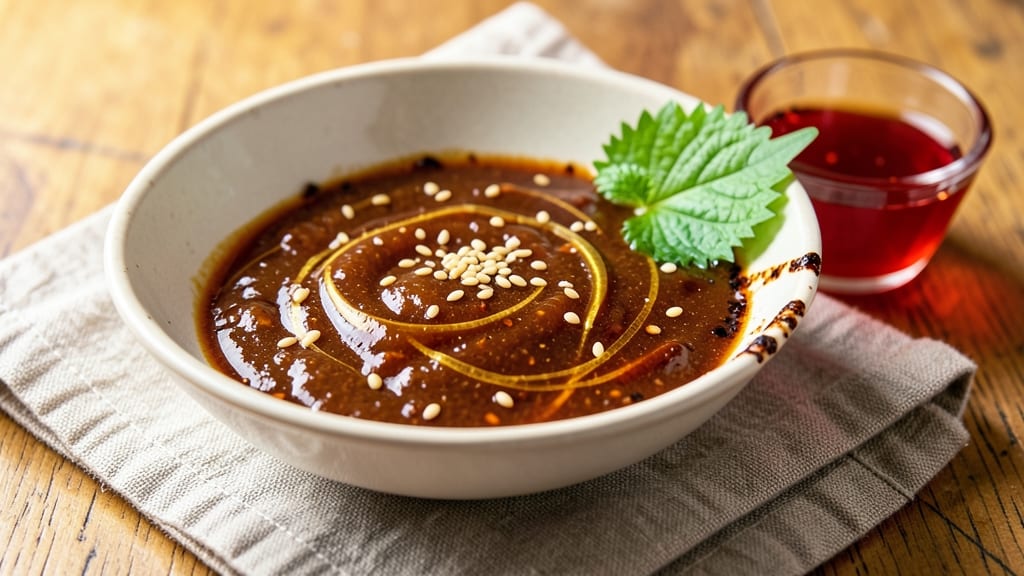
This Japanese BBQ sauce recipe delivers the smoky-sweet complexity that makes Bachman's famous sauce so addictive. 🔥 What sets it apart is the hidden umami depth from fermented ingredients and a balance of mirin's brightness with soy's richness.
I've perfected this version after years of refining the perfect ratio—just like the sauce I used to win regional BBQ competitions.
The foundation starts with a simple blend of soy sauce, mirin, and sugar, but it's the slow reduction that transforms it into something extraordinary. We'll build layers of flavor by adding a touch of honey for depth and a splash of rice vinegar for tang.
The sauce thickens beautifully as it simmers, creating that signature glossy finish that clings perfectly to grilled meats.
What you'll end up with is a versatile glaze that works equally well on pulled pork, grilled chicken, or even as a dipping sauce for noodles. The smoky-sweet profile with its underlying umami richness makes it far more complex than typical BBQ sauces.
Once you try this, you'll never go back to store-bought versions.
Store it in the refrigerator for up to 2 weeks, or freeze for longer shelf life. The flavors actually develop more over time, making this an ideal make-ahead sauce for your next cookout. Let's get started on creating this restaurant-quality Japanese BBQ sauce at home.
Ingredients for bachman's japanese bbq sauce
Nine ingredients create this restaurant-quality Japanese BBQ sauce with smoky-sweet depth.
| Ingredient | Amount | Notes |
|---|---|---|
| Kosher Soy Sauce 🍶 | ½ cup | Use high-quality for depth |
| Mirin 🍶 | ¼ cup | Sweet cooking rice wine |
| Dark Brown Sugar 🍚 | ⅓ cup | Packed firmly for accuracy |
| Honey 🍯 | 2 tbsp | Wildflower preferred for complexity |
| Rice Vinegar 🍶 | 1 tbsp | Seasoned variety adds depth |
| Sesame Oil 🫒 | 1 tbsp | Toasted for nutty aroma |
| Garlic Cloves 🧄 | 3 cloves | Minced finely for infusion |
| Fresh Ginger 🌿 | 1 tbsp | Grated, not powdered |
| Red Misō Paste 🧂 | 1 tbsp | Fermented for umami punch |
| Water 💧 | ¼ cup | For thinning consistency |
The soy sauce and mirin are the backbone—Japanese brands like Kikkoman and Hacchō make all the difference. Mirin should be sweet and clear, not that cheap, dry stuff. Brown sugar adds caramelized depth during reduction, so muscovado or turbinado works even better if you want extra complexity. Honey here isn't just sweetness—it balances the acidity from rice vinegar. Trader Joe's has great wildflower honey that's perfect. For the misō, red misō from a Korean market gives that fermented funk Bachman's sauce is famous for.
No mirin? Dry sherry plus 1 tsp sugar works in a pinch, but you'll lose some brightness. Substituting honey? Maple syrup at 1:1 ratio keeps the sauce vegan-friendly. Running low on sesame oil? Toasted sesame seeds ground with a pinch of oil mimics the aroma. The garlic and ginger can be swapped for 1 tsp each of garlic powder and ground ginger, but fresh is worth the extra minute. For a smokier profile, add ½ tsp smoked paprika—just don't tell anyone I'm cheating.
This sauce gets better with time—2 weeks in the fridge lets flavors meld perfectly. For longer storage, freeze in ice cube trays and transfer to a bag. Thaw overnight in the fridge before using. The sauce thickens as it cools, so add a splash of water if it gets too stiff. I always make double batches—one for immediate use, one to age. Trust me, the second batch tastes like you've been cooking for hours.
Why You'll Love This Recipe
- Pantry Magic: I swear by this sauce because it uses stuff I already have—no specialty runs to the store. Just soy, mirin, sugar, honey, and vinegar—simple pantry staples that transform into something ridiculously good.
- Sweet-Savory Balance: That perfect harmony of umami from the soy, brightness from the mirin, and just enough caramelized depth from the brown sugar? It’s the kind of flavor that makes you pour it on everything—grilled chicken, roasted veggies, even scrambled eggs.
- Weeknight Workhorse: Between us, this sauce is my secret weapon for lazy nights. Double the batch, store it in the fridge, and suddenly you’ve got a backup for takeout cravings or last-minute dinner guests. (Yes, even on a Tuesday night.)
- Budget-Friendly Luxury: For under $10, I get enough sauce to glaze a whole chicken or drizzle over stir-fries for days. Honestly, it’s the kind of deal that makes me feel fancy without breaking the bank—especially when I’m stretching meals for the week.
Step-by-step instructions for Japanese BBQ sauce
Here's how to craft this smoky-sweet sauce with layers of umami and depth.
🍳 Step 1: Bloom the Aromatics in Sesame Oil
Heat a small saucepan over medium-low heat and add the 1 tablespoon sesame oil. Once the oil shimmers gently, add the 3 minced garlic cloves and 1 tablespoon grated fresh ginger. Cook for 1-2 minutes until the garlic becomes fragrant but doesn't brown—this prevents bitterness and unlocks their flavors.
Here's the thing—don't rush this step. The aroma should fill your kitchen, signaling the aromatics are properly infused. If you see the garlic starting to turn golden, reduce the heat immediately. These bloomed aromatics form the flavor foundation of your sauce, so take your time.
🍳 Step 2: Combine Wet Ingredients
Increase heat to medium and add the 0.5 cup kosher soy sauce, 0.25 cup mirin, 1 tablespoon rice vinegar, and 1 tablespoon red misō paste. Stir constantly for 2-3 minutes until the mixture begins to simmer gently. You'll see the misō paste dissolve completely and the sauce start to thicken slightly.
This is where the magic happens—the misō paste adds that deep umami punch while the mirin brings sweetness. Keep stirring to prevent scorching at the bottom. You're looking for a smooth, cohesive mixture without any graininess from the misō.
🍳 Step 3: Add Sweetness and Simmer
Reduce heat to low and whisk in the 0.33 cup packed dark brown sugar and 2 tablespoons honey. Stir until completely dissolved, then add the 0.25 cup water. Bring to a gentle simmer and cook for 8-10 minutes, stirring occasionally, until the sauce reduces by about 25%—it should coat the back of a spoon.
Watch the sauce carefully—it should thicken to a glossy, syrupy consistency. If it reduces too quickly, add 1 tablespoon water at a time to maintain the right balance. The sauce should smell intensely sweet with underlying smoky and umami notes.
⏰ Step 4: Finish and Cool
Remove from heat and let the sauce cool to room temperature for 10 minutes. This resting period allows the flavors to meld completely and the sauce to thicken further. Taste and adjust seasoning—you might want to add a pinch more salt if needed, though this sauce is already well-balanced.
I know it seems like too much sugar at first, but trust me—the heat and acidity from the vinegar and soy sauce will balance it perfectly. The sauce should be thick enough to glaze but still pourable. For best results, store in an airtight container in the refrigerator for up to 2 weeks or freeze for up to 3 months.
Pro Tips For Making Bachman'S Japanese Bbq Sauce
- Simmer Gently After Boil: Once the sauce hits a full boil, drop the heat to a low simmer—not a lazy bubble, not a rolling rage. I learned this the hard way when I burned the sugar into bitter sludge twice. Keep it at a steady, gentle wiggle, and stir occasionally so the brown sugar dissolves smoothly without sticking.
- Strain the Mirin: Mirin’s got sediment, and if you skip straining it, you’re risking grainy texture in your sauce. Use a fine-mesh sieve or cheesecloth to filter it before adding—yes, even if the bottle looks clear. Trust me, your sauce will thank you later.
- Balance the Vinegar Last: Add the rice vinegar after the sauce has thickened, not at the start. This keeps the acid bright and tangy instead of letting it mellow into oblivion. Taste as you go—you can always add more vinegar, but you can’t take it out.
- Upgrade with Toasted Sugar: Skip the plain brown sugar and toast it first—spread it on a baking sheet at 300°F for 10 minutes until fragrant and slightly caramelized. The deeper flavor cuts through the soy’s saltiness and adds a subtle smokiness. Worth the extra 5 minutes.
Make-ahead tips for this dish
Prep Ahead Components
Divide the sauce ingredients into two batches for maximum efficiency. First, combine the soy sauce, mirin, and rice vinegar in a clean glass jar. Store this mixture in the fridge for up to 3 days—it develops a deeper flavor profile over time.
In a separate jar, mix the brown sugar, honey, and water until fully dissolved. This pre-mixed sweetener blend keeps perfectly for 1 week in the refrigerator. 💡
Make-Ahead Sauce
After completing the 8-10 minute reduction, let the sauce cool completely before transferring to an airtight glass container. The flavors actually improve when stored in the fridge for 2-3 days—the acidity and sweetness marry beautifully.
For longer storage, freeze the sauce in 1-cup portions using silicone ice cube molds. These freeze perfectly and thaw quickly when you need them. I always make a double batch so I have one ready for immediate use and one to age.
Freezing Tips
If you're freezing your sauce, use quart-sized freezer bags and remove as much air as possible to prevent freezer burn. Label each bag with the date—this sauce stays excellent for up to 3 months. When ready to use, transfer a frozen portion to the fridge to thaw overnight.
The texture remains glossy and the flavors intact, though you might want to add 1 teaspoon water if it thickens too much after thawing. 🧊
Reheating Sauce
For the best results, reheat your sauce gently on the stovetop. Pour it into a small saucepan and warm over low heat for 3-5 minutes, stirring constantly. Never microwave—it can make the sauce watery and lose its glossy finish.
If you're using it as a glaze, you can brush it on while still warm for that perfect caramelized crust on your meats. I often reheat mine in a double boiler for extra smoothness.
Long-Term Flavor Development
This sauce gets better with age, just like a fine wine. After 2 weeks in the fridge, the flavors become more complex and balanced. The acidity mellows slightly while the umami deepens. For maximum flavor, let it sit in the fridge for up to 3 weeks before using.
If you notice any mold or off smells, it's time to toss it—though with these ingredients, that's unlikely if stored properly. Trust me, the patience pays off with every glaze. ✨
Nutrition facts
Frequently asked questions
Can I use this sauce on non-meat dishes?
This Japanese BBQ sauce works beautifully on grilled tofu, teriyaki noodles, or even as a dipping sauce for spring rolls. The umami depth pairs especially well with plant-based proteins. For extra richness, brush it on baked sweet potatoes or drizzle over steamed rice with sesame seeds.
How do I adjust the sweetness level?
If you prefer less sweetness, reduce the brown sugar by 1 tablespoon and add ½ tablespoon extra rice vinegar to balance. For a smokier profile, increase the sesame oil to 1.5 tablespoons or add ½ teaspoon smoked paprika during the final simmer. The sauce's sweetness will mellow slightly after 2 weeks of refrigeration.
What's the best way to glaze meat with this sauce?
For perfect glazing, brush the sauce on medium-high heat in the last 3-5 minutes of grilling or broiling. The high heat creates a caramelized crust while keeping the meat juicy inside. For pulled pork, toss it with sauce during the last 10 minutes of slow cooking. Always use a heatproof brush to avoid burning.
Can I make this sauce without mirin?
Yes! Replace mirin with ¼ cup dry sherry plus 1 teaspoon sugar, or use ¼ cup white wine vinegar plus 2 tablespoons honey. For a non-alcoholic version, try ¼ cup apple juice plus 1 teaspoon sugar. The sauce will still develop depth, though mirin's natural sweetness is hard to replicate. Test small batches to adjust sweetness.
Why did my sauce turn out too thin?
This usually happens if you didn't reduce the sauce long enough or added too much water. To fix it, simmer the sauce uncovered for 5-10 extra minutes until it thickens. For immediate use, whisk in 1 teaspoon cornstarch mixed with 1 tablespoon water and cook for 2 minutes until thickened. Always reduce over low heat to prevent scorching.