
Sauces & Condiments
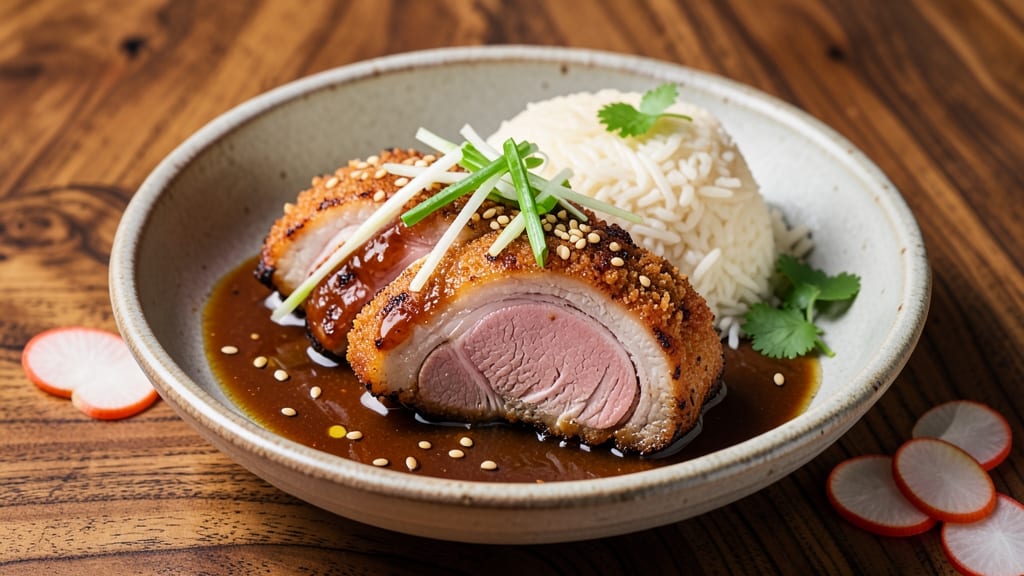
This Bachan Japanese BBQ sauce transforms grilled meats into restaurant-quality masterpieces with its perfect balance of smoky, sweet, and umami-rich flavors. The secret lies in simmering soy sauce, mirin, and sake until thick and glossy, creating a glaze that caramelizes beautifully on the grill.
I developed this recipe after years of perfecting Japanese-style marinades—it’s the kind of sauce that elevates simple proteins into something extraordinary.
The beauty of this sauce is its versatility—it works as a marinade, glaze, or dipping sauce, and the ingredients are simple yet impactful. A touch of miso adds depth, while sugar and vinegar create that signature sweet-tangy balance.
The sauce thickens as it simmers, resulting in a glossy, clingy finish that locks in moisture and flavor. Unlike store-bought versions, this one delivers authentic, complex taste without artificial additives.
What you’ll end up with is a perfect glaze that caramelizes into a sticky, smoky crust on grilled meats, whether it’s chicken, pork, or even vegetables. The aroma alone will have everyone at the table asking for seconds.
This sauce keeps well in the fridge for up to two weeks, making it ideal for meal prep or gifting to fellow grill enthusiasts.
Use it on skewers, brush it over steaks, or serve it as a dipping sauce for noodles—this Japanese BBQ sauce is a game-changer for any grilling session. Let’s get simmering!
Ingredients for bachan japanese bbq sauce
Simple yet transformative ingredients for a restaurant-quality Japanese BBQ sauce that elevates every grill session.
| Ingredient | Amount | Notes |
|---|---|---|
| Kosher Soy Sauce 🍶 | ½ cup | Use high-quality, low-sodium preferred |
| Mirin 🍶 | ¼ cup | Sweet rice wine, not cooking wine |
| Dry Sake 🍶 | ¼ cup | Unsweetened, premium quality |
| White Miso Paste 🧈 | 2 tbsp | Aged 1-2 years for best flavor |
| Granulated Sugar 🍚 | 2 tbsp | White or raw cane sugar |
| Rice Vinegar 🍶 | 1 tbsp | Seasoned preferred for depth |
| Fresh Ginger 🧅 | 1 tbsp | Finely grated, peel removed |
| Garlic Cloves 🧄 | 3 cloves | Minced, not pre-minced jarred |
| Sesame Oil 🫒 | 1 tsp | Toasted sesame oil for aroma |
| Toasted Sesame Seeds 🌾 | 1 tbsp | For garnish and texture |
The foundation starts with high-quality soy sauce—look for brands like Kikkoman or Haceta in the Asian aisle, not the cheap grocery store versions. Mirin should be real mirin, not that sweet cooking wine substitute (though in a pinch, it'll work). Dry sake makes all the difference—skip the sweetened kind. For the miso, White Diamond or Himekan are my go-tos, but any aged 1-2 years will do. Fresh ginger and garlic are non-negotiable here—jarred minced garlic lacks the fresh punch. Toast your sesame seeds in a dry pan for 30 seconds before adding to the sauce for maximum aroma.
No mirin? Substitute with 1 tbsp sugar + 1 tbsp water—it won't be identical but gets you close. Short on sake? Dry white wine works in a bind, though it'll be slightly less authentic. The sugar can be swapped for maple syrup (reduce by 1 tbsp) if you prefer. For a smokier profile, add ½ tsp smoked paprika. Store-bought sesame oil often has an off taste—Kadoya or Lee Kum Kee are reliable brands. The sauce thickens as it simmers, so if you prefer it thinner, add 1 tsp water at the end. For extra richness, stir in 1 tsp tahini after cooking.
This sauce develops deeper flavor over time—let it sit at room temperature for 30 minutes before using. Store in an airtight container in the fridge for up to 2 weeks, though the flavor peaks after 3-4 days. For longer storage, freeze in ice cube trays—perfect for single-use portions. The sesame seeds can be toasted fresh each time you use it, or store them separately in a sealed container for up to 3 months. Always stir before using—settling occurs naturally. The sauce reheats beautifully—simmer for 2-3 minutes to restore its glossy texture.
Why You'll Love This Recipe
- Pantry Magic: I swear by this sauce because it uses stuff I already have—no special shopping needed. Just open the soy sauce, pour in the mirin and sake, stir in the miso, and let the sugar do its thing. Honestly, it’s the kind of recipe that makes me feel like a chef without the fuss.
- Umami Bomb: That miso paste? Oh, it’s the star. The salty depth from the soy sauce, the sweetness of the sugar, and the funky richness of the miso—it’s like a flavor explosion in a jar. I’ll be real: the first time I tasted it, I immediately grabbed a brush and slathered it on everything.
- Weeknight Wonder: This sauce works for everything—grilled chicken, roasted veggies, even as a marinade for tofu. I keep a jar in the fridge and use it all week, no matter what’s on the menu. (Yes, even on a Tuesday night when I’m too tired to think.)
- Budget-Friendly Staple: A little goes a long way, and since it’s mostly pantry staples, it’s one of my most cost-effective recipes. I make big batches, freeze extras, and still have enough for months. Between us, this is how I feed my family without breaking the bank.
Step-by-step instructions for Bachan Japanese BBQ sauce
This sauce delivers authentic umami depth and balanced sweetness—every element matters for that perfect glaze.
Bloom the Aromatics in Sesame Oil
Heat a small saucepan over medium-low heat and add the 1 teaspoon sesame oil. Once the oil shimmers lightly, add the 3 minced garlic cloves and 1 tablespoon finely grated fresh ginger. Cook for 1-2 minutes until the garlic turns golden and the ginger releases its aromatic oils—this prevents raw garlic flavor in the finished sauce.
Here's the thing—don't walk away. Garlic burns in seconds, and you want it to caramelize just enough to deepen the sauce's complexity. The aroma should be intense and inviting, not acrid. Remove the pan from heat immediately after the garlic turns golden.
Combine Wet Ingredients and Simmer
Return the pan to medium heat and add the 0.5 cup kosher soy sauce, 0.25 cup mirin, 0.25 cup dry sake, 1 tablespoon rice vinegar, and 2 tablespoons granulated sugar. Stir to combine, then bring the mixture to a gentle simmer. Reduce heat to low and let it cook uncovered for 5-7 minutes until the liquid reduces by about 25%.
This reduction step is critical—it concentrates the flavors and creates that signature sticky, glaze-like consistency. You'll notice the sauce darken slightly and thicken as it reduces. If it starts to stick, add 1-2 tablespoons water to prevent burning, but keep the heat low to maintain gentle simmering.
Incorporate Miso Paste for Umami Depth
Remove the pan from heat and let the sauce cool slightly for 2 minutes. Using a whisk, gradually stir in the 2 tablespoons white miso paste until completely dissolved. The miso should blend smoothly—if you see lumps, strain the sauce through a fine-mesh sieve to achieve a silky texture.
Real talk: Miso paste is potent, so don't rush this step. The sauce will darken as the miso integrates, and you'll smell that unmistakable umami punch. Return the pan to low heat and simmer for an additional 3-4 minutes to meld all the flavors together. The sauce should now coat the back of a spoon with a glossy sheen.
Final Adjustments and Resting
Taste the sauce and adjust the seasoning if needed. For more sweetness, add ½ teaspoon granulated sugar at a time. For additional umami, stir in ½ teaspoon kosher soy sauce. The balance should be harmonious—sweet, salty, smoky, and slightly tangy with bright notes from the rice vinegar.
Transfer the sauce to a clean jar or airtight container and let it rest at room temperature for at least 30 minutes before using. This resting period allows the flavors to fully develop and the sauce to reach its optimal consistency. For best results, store any leftovers in the refrigerator for up to 2 weeks—the flavors will continue to deepen over time.
Pro Tips For Making Bachan Japanese Bbq Sauce
- Simmer Slow and Steady: I used to rush this sauce and end up with a thin, watery mess. Instead, bring it to a gentle boil first, then drop to the lowest heat you can stand—just a whisper of bubbles is enough. This lets the sugar caramelize properly and the miso deepen its flavor without burning.
- Strain That Miso: White miso paste is gritty, and nobody wants chunks in their sauce. After mixing it in, let the sauce sit for 5 minutes, then strain it through a fine-mesh sieve. It’s extra work, but your sauce will be silky smooth—no one will guess you skipped it.
- Balance the Sweetness First: Taste the sugar early. If it’s too sweet, add a splash more soy sauce or sake to cut through it. I learned this the hard way—once I let a batch sit overnight and had to fix the cloying sweetness by adding more umami later. Better to adjust now.
- Use Real Sake, Not Cooking Wine: Dry sake isn’t just a fancy word for rice wine—it’s the backbone of this sauce’s depth. If you’re tempted to substitute with cooking wine, don’t. The acidity and aroma are totally different, and your sauce will taste flatter. If you’re broke, at least use a decent dry sherry as a last resort.
Essential equipment for this recipe
Small Saucepan
Start with a small, heavy-bottomed saucepan—I recommend 3-quart stainless steel like All-Clad or Calphalon. This size gives you enough surface area for even heating while preventing spills during simmering. A thin, lightweight pan risks burning the sauce, especially when reducing. 🔥
Whisk for Smooth Texture
A balloon whisk is essential for dissolving the miso paste completely and preventing lumps. I use a OXO Good Grips whisk—it’s sturdy and reaches every corner of the pan. For extra-smooth results, strain through a fine-mesh sieve after whisking. Avoid wooden spoons, which can scratch the pan and harbor bacteria.
Fine-Mesh Sieve
If your sauce develops any lumps from the miso, a fine-mesh sieve (like the Microplane Food Mill) ensures a silky finish. This step is especially important for achieving that restaurant-quality glaze consistency. I keep one in my kitchen specifically for sauces—it’s a game-changer for texture.
Measuring Spoons
Precision matters with this recipe, so invest in stainless steel measuring spoons (I use OXO Stainless Steel). The 1-tablespoon sesame oil and ½-teaspoon adjustments need accuracy. Avoid plastic spoons—they can melt or absorb flavors over time, especially with ingredients like sesame oil.
Air-Tight Storage Container
For storing leftovers, a glass jar with an airtight lid (like Le Parfait) preserves the sauce’s freshness and prevents contamination. Glass won’t absorb odors like plastic, and the tight seal keeps the sauce flavorful for up to 2 weeks. Label it with the date—trust me, you’ll forget!
Instant-Read Thermometer
While not required, an instant-read thermometer (like ThermoWorks Thermapen) helps monitor the sauce’s temperature during simmering. Aim for 185–200°F—this ensures proper reduction without burning. It’s optional but gives you confidence in achieving the perfect consistency every time. ✨
Nutrition facts
Frequently asked questions
Can I make this Japanese BBQ sauce without mirin?
Yes! You can substitute mirin with a mix of 1 tablespoon sugar plus 1 tablespoon water—it won't be identical but works in a pinch. For deeper flavor, try ½ cup white wine instead, though the sauce will be slightly less sweet. The key is balancing the sweetness with the sugar adjustment.
How long should I marinate meat in this sauce?
For best results, marinate proteins for 30 minutes to 2 hours in the fridge. Chicken and pork absorb flavor quickly, while tougher cuts like beef benefit from the longer time. Never marinate for more than 4 hours—the acidity in the sauce can start breaking down the meat fibers. Always pat dry before grilling for that perfect sear.
Can I use this sauce on vegetables or tofu?
This sauce works beautifully as a glaze for grilled eggplant, tofu skewers, or portobello mushrooms. For tofu, press and pat dry first to prevent sogginess. Brush on lightly during the last 2-3 minutes of grilling for a caramelized finish. The umami depth makes it perfect for vegetarian dishes too.
Why did my sauce turn too thick?
Over-reducing is the most common cause. If your sauce becomes too thick, simply whisk in 1-2 teaspoons water to restore the right consistency. For future batches, watch the heat closely—keep it at a gentle simmer (small bubbles) and reduce the cooking time to 5 minutes instead of 7. The sauce should coat the back of a spoon smoothly, not be glue-like.
How can I make this sauce spicier?
Add ½ teaspoon red pepper flakes or 1 teaspoon gochujang (Korean chili paste) when simmering the wet ingredients. For heat with depth, stir in ½ teaspoon sriracha after the sauce cools. Always taste first—you can adjust gradually. The miso already adds natural umami heat, so start with small amounts.