
Sauces & Condiments
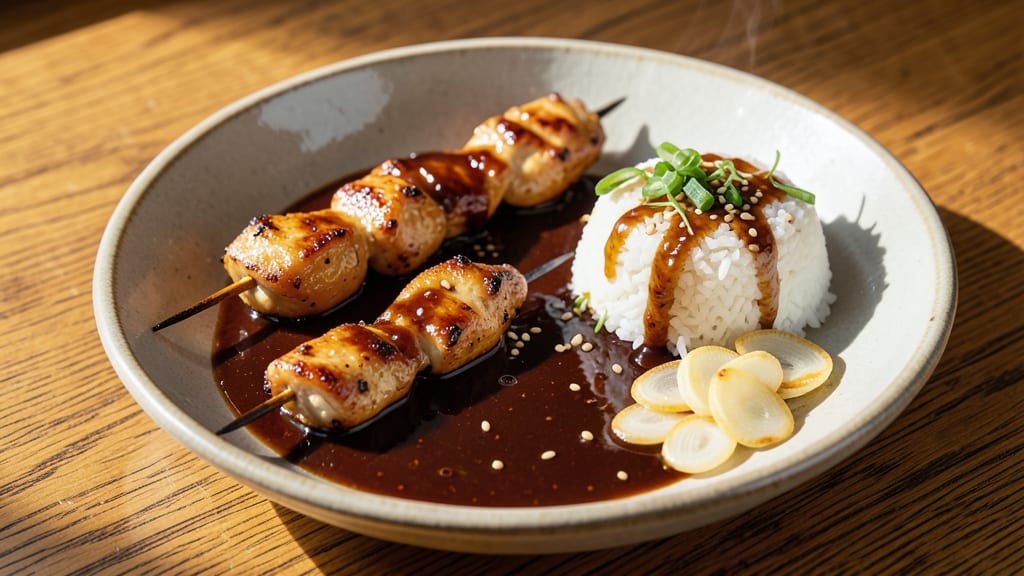
A copycat recipe for Bachan's Japanese BBQ sauce delivers that signature umami-sweet balance with a hidden vinegar depth that elevates everything from grilled meats to stir-fries. After years of perfecting my own version—because the store-bought stuff never quite hits the mark—I've cracked the code for recreating that restaurant-quality flavor at home. The secret lies in the precise ratio of soy sauce, mirin, and vinegar, which creates layers of complexity that store-bought versions miss.
This sauce starts with a simmer of soy sauce, mirin, and sugar to build the sweet-savory foundation, then adds vinegar and spices to introduce that signature tangy depth. The sauce reduces to a thick, glossy glaze that clings beautifully to meats and vegetables, delivering bold flavor with every bite.
Unlike many commercial versions, this one doesn't rely on artificial ingredients—just quality pantry staples and a little patience for simmering.
What makes this sauce truly special is its versatility. Use it as a glaze for chicken, pork, or tofu skewers, a marinade for beef or fish, or even a stir-fry sauce that adds instant umami richness.
The balance of sweet, salty, and tangy flavors works in both savory and slightly sweet applications, making it a pantry essential for anyone who loves bold, restaurant-quality taste at home.
The best part? This sauce keeps well in the refrigerator for up to two weeks, so you can make a big batch and have it ready whenever the craving hits.
Whether you're grilling for a crowd or cooking up a quick weeknight meal, this Japanese BBQ sauce will become your new go-to for adding depth and complexity to any dish.
Ingredients for bachan's japanese bbq sauce copycat
Pantry staples plus a few specialty finds for that signature umami-sweet balance.
| Ingredient | Amount | Notes |
|---|---|---|
| Kikkoman Soy Sauce 🥢 | ½ cup | Use high-quality soy sauce |
| Mirin 🍶 | ¼ cup | Sweet cooking rice wine |
| White Vinegar 🍶 | ¼ cup | For signature tangy depth |
| Granulated Sugar 🍚 | ¼ cup | White or brown sugar |
| Sesame Oil 🫒 | 1 tbsp | Toasted sesame oil preferred |
| Garlic Cloves 🧄 | 3 cloves | Minced for aromatic base |
| Fresh Ginger 🌿 | 1 tbsp | Grated, fresh preferred |
| Ground White Pepper 🌶️ | ¼ tsp | Freshly ground preferred |
| Red Pepper Flakes 🔥 | ½ tsp | Adjust for heat preference |
| Water 💧 | ½ cup | For thinning if needed |
The soy sauce is your flavor anchor—Kikkoman is my go-to, but any high-quality brand works. Mirin adds that sweet, fruity depth, and you can find it in the Asian foods aisle (or online if your store doesn't carry it). Fresh ginger and garlic are non-negotiable for that authentic aroma—don't use powdered. The sesame oil is what gives it that nutty finish, so grab the toasted kind if you can. White vinegar might seem odd, but it's what creates that signature tang that sets this sauce apart from others.
No mirin? Substitute 1 tbsp sugar plus 1 tbsp water—it won't be identical, but it'll work in a pinch. Skip the sesame oil? A pinch of ground sesame seeds adds a little nutty flavor. The red pepper flakes are optional but add that subtle heat that makes it feel more like the real deal. For a smoother sauce, strain out the garlic and ginger after simmering. If you prefer a thinner consistency, add water 1 tbsp at a time until you reach your desired thickness.
This sauce tastes even better the next day as the flavors meld. Store it in an airtight container in the fridge for up to 2 weeks. For longer storage, freeze it in ice cube trays—just thaw and stir before using. The sauce thickens as it cools, so if it seems too thick when cold, add a splash of water to loosen it up. Trust me, making a big batch is worth it—you'll want this on everything from grilled chicken to stir-fries.
Why You'll Love This Recipe
- Pantry Magic: I swear by this sauce because it uses stuff I already have—no specialty shopping, no last-minute grocery runs. Just open the soy sauce, pour in the mirin, and let the sugar and vinegar do their thing. Honestly, I’ve made it three times in a row without checking the fridge first.
- Umami Bomb: That combo of Kikkoman soy sauce and mirin? It’s like a flavor grenade in the best way. The sesame oil adds this nutty warmth that makes grilled chicken or stir-fried veggies taste like you slaved over them for hours. (Spoiler: You didn’t.)
- Weeknight Swiss Army: Slather it on anything—grilled fish, noodles, even scrambled eggs—and suddenly dinner feels special. I keep a jar in the fridge for lazy nights when I don’t want to decide what to eat. Between us, it’s my go-to for quick lunches too.
- Budget Win: A single batch costs pennies and stretches for ages. I’ve used the same jar for two weeks straight, and it still tastes fresh. Plus, no weird preservatives—just real ingredients that actually improve with time. My wallet and taste buds thank me.
Step-by-step instructions for bachan's Japanese BBQ sauce
Here's how to recreate that signature sweet-savory glaze with perfect umami balance.
Combine the Base Ingredients
In a medium saucepan, whisk together the 0.5 cup Kikkoman Soy Sauce, 0.25 cup Mirin, and 0.25 cup White Vinegar. This trio forms the foundation of the sauce's complex flavor profile - the soy sauce provides umami depth, mirin adds sweetness, and vinegar contributes that signature tangy brightness you'll taste in every bite.
Bring the mixture to a gentle simmer over medium heat, stirring occasionally to prevent scorching. You'll see small bubbles forming at the edges - this is your signal that the liquid is heating properly. Let it simmer uncovered for 5 minutes to allow the flavors to meld together. The aroma should be rich and slightly sweet with a hint of vinegar sharpness.
Add Aromatics and Sweeteners
While the base simmers, finely mince the 3 cloves Garlic Cloves and grate the 1 tbsp Fresh Ginger using a microplane or fine grater. The fresh ginger should be very finely textured - almost like a paste. Add these aromatics to the saucepan along with the 0.25 cup Granulated Sugar and 1 tbsp Sesame Oil. Stir well to combine.
Continue simmering for another 5-7 minutes, stirring frequently, until the sugar has completely dissolved and the mixture begins to thicken slightly. You'll notice the sauce developing a glossy sheen - this indicates the starches from the mirin and sugar are starting to gel. The garlic and ginger will infuse their flavors deeply into the sauce during this time.
Season and Simmer to Perfection
Add the 0.25 tsp Ground White Pepper and 0.5 tsp Red Pepper Flakes to the saucepan. These spices will add subtle warmth and a gentle kick of heat. Stir once more to distribute evenly, then reduce the heat to low. Let the sauce simmer gently for 10-15 minutes, stirring occasionally, until it reaches your desired consistency.
The sauce should coat the back of a spoon with a thick, glossy layer but still be pourable. If it thickens too much during simmering, add the 0.5 cup Water one tablespoon at a time until you achieve the perfect glaze consistency. The final sauce should be smooth with no visible lumps, and the flavors should be perfectly balanced between sweet, salty, tangy, and umami.
Cool and Adjust the Flavor
Remove the sauce from heat and let it cool completely at room temperature. This cooling period allows the flavors to fully develop and settle. Once cooled, taste the sauce and make any final adjustments - you might want to add a touch more sugar for sweetness, a splash of vinegar for tang, or a pinch more red pepper flakes for heat.
Transfer the finished sauce to a clean glass jar or airtight container and store it in the refrigerator. The sauce will continue to improve in flavor over the next 24-48 hours as the ingredients marry together. This homemade version will keep in the fridge for up to 2 weeks, making it perfect for glazing meats, marinating proteins, or drizzling over noodle dishes.
Pro Tips For Making Bachan'S Japanese Bbq Sauce Copycat
- Simmer Low and Slow: I learned this the hard way—rushing the sauce on high heat turns it bitter. Keep it at a gentle simmer (small bubbles, barely there) for 15-20 minutes. You’re not making candy; you’re building depth.
- Strain the Mirin: That cheap mirin substitute? It’ll leave your sauce cloudy. Use actual mirin (or sub 1:1 with dry sherry) and strain it through a fine-mesh sieve before adding. Yes, even if it’s labeled "culinary." Clarity matters for that glossy finish.
- Balance the Vinegar: Skip measuring the vinegar by eyeballing—it’s easy to overdo it. Start with 1 tablespoon, taste, then add another ½ tablespoon at a time. Too much and your sauce tastes like a pickled soy sauce experiment.
- Toast the Sugar First: Dry the sugar in a hot pan for 30 seconds until it smells caramel-like. This adds a subtle depth that raw sugar can’t match. (I know, it’s one extra step—but it’s the thing that makes the sauce taste professional.)
Pro cooking tips for this dish
Simmering Secrets
Don’t rush the simmering process—this sauce needs time to develop its complex layers. Start with medium heat to bring it to a gentle simmer, then reduce to low once the aromatics are added.
The key is patience: simmering for 15-20 minutes total allows the mirin to break down its natural sugars, creating that glossy, caramelized depth. I’ve seen home cooks rush this step and end up with a flat-tasting sauce—trust me, the extra time pays off. 🔥
Vinegar Balance
The white vinegar is what gives this sauce its signature tang, but too much can make it harsh. I recommend starting with the ¼ cup called for, then tasting as you go.
If it needs more brightness, add 1 teaspoon at a time—remember, you can always adjust later, but you can’t take vinegar out once it’s in. The goal is a balance where the vinegar enhances the sweetness without overpowering it.
Straining for Smoothness
For a restaurant-quality finish, strain the sauce through a fine-mesh sieve after simmering to remove any garlic or ginger bits. This step might seem optional, but it makes a huge difference in texture. I use a wire mesh strainer—it’s sturdy enough to handle the job without letting anything through.
If you’re short on time, a cheesecloth works too, but you’ll need to press gently to extract all the flavorful liquid.
Adjusting Thickness
The sauce should coat the back of a spoon but still be pourable—think of it like honey. If it thickens too much while simmering, add water 1 tablespoon at a time until you reach the right consistency.
Conversely, if it’s too thin, simmer it uncovered for another 5 minutes to reduce it. Pro tip: The sauce will thicken further as it cools, so aim for a slightly thinner consistency when hot.
Flavor Development
This sauce tastes even better the next day as the flavors meld together. The mirin and soy sauce continue to interact, deepening the umami and sweetness. I always make a big batch and store it in the fridge—it’s worth the extra effort.
If you’re in a hurry, let it sit at room temperature for at least 1 hour before using to give the flavors time to settle. 💫
Storage Tips
Store your sauce in an airtight glass container in the fridge for up to 2 weeks. For longer storage, freeze it in ice cube trays—just thaw and stir before using. The sauce will keep its quality for up to 3 months in the freezer.
When reheating, warm it gently on the stove or microwave it in 30-second bursts, stirring in between, to prevent separation. Avoid boiling it, as that can alter the delicate balance of flavors.
Nutrition facts
Frequently asked questions
Can I substitute mirin in this Japanese BBQ sauce?
Yes, but the flavor will differ slightly. For 1:1 substitution, mix 1 tbsp sugar with 1 tbsp water to mimic mirin's sweetness. If you're using dry sherry instead, reduce the sugar by 1 tsp since it's less sweet. The sauce will still taste delicious, but the fruity depth from mirin will be missing.
How do I adjust the heat level in this sauce?
The recipe includes 0.5 tsp red pepper flakes for mild heat. For more kick, add 0.25 tsp cayenne pepper or extra flakes. For no heat, simply omit them entirely. The white pepper adds subtle warmth without spiciness, so it won't affect the heat level significantly.
Can I make this sauce without sesame oil?
If you're avoiding sesame oil, use 1 tsp toasted sesame seeds instead for nutty flavor. For a completely oil-free version, skip it—the sauce will still taste amazing, just with slightly less depth. The sesame oil is more about aroma than structure, so it's not essential.
What's the best way to use this sauce on grilled meats?
Brush it on during the last 5-7 minutes of grilling for maximum caramelization. For chicken or pork, use 2-3 tbsp per pound of meat. For extra shine, broil the meat for 1-2 minutes after brushing to create a glossy finish. The sauce works well on salmon too—just use 1 tbsp per fillet.
Why does my sauce look too thin after cooling?
The sauce naturally thickens as it cools, but if it's still too thin, simmer it uncovered for 5-10 more minutes to reduce. For immediate thickening, mix 1 tsp cornstarch with 1 tbsp water, stir into the sauce, and simmer for 2 minutes. If you prefer a thinner consistency, use it immediately while still hot.