
Sauces & Condiments
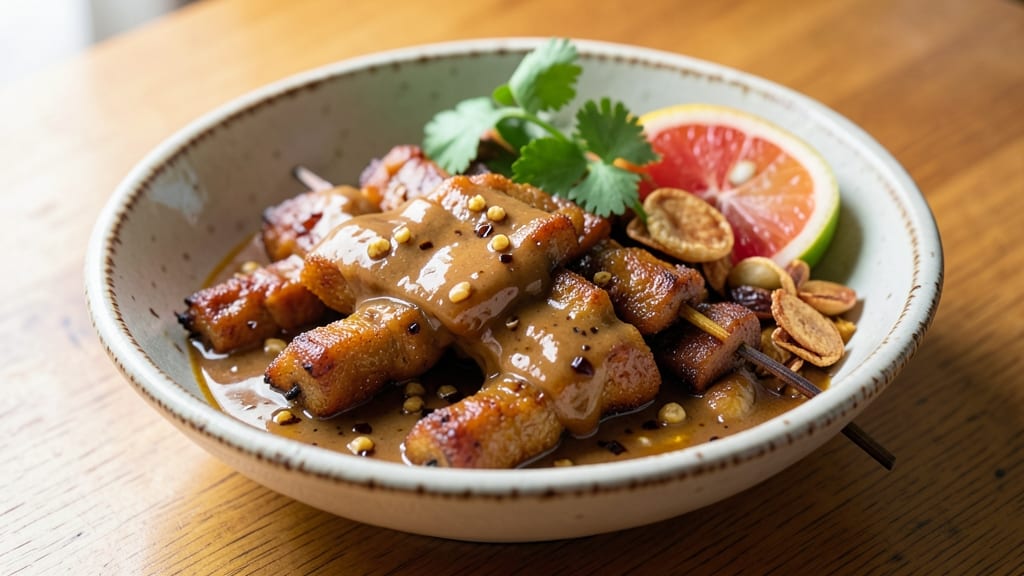
This ayam satay sauce recipe transforms grilled skewers into an unforgettable experience with its signature peanut butter and lime zing. 🌟 The rich, nutty depth of creamy peanut butter blends seamlessly with tangy lime and aromatic spices, creating a sauce that's both complex and irresistibly smooth.
What makes this sauce special is its perfect balance—sweet, savory, and just spicy enough to linger on your palate.
The foundation of authentic satay sauce lies in its simple yet powerful ingredients: smooth peanut butter, soy sauce, tamarind paste, and fresh lime juice. A touch of chili and garlic adds depth, while a hint of sugar rounds out the flavors.
The sauce is effortlessly adaptable—whether you need it vegan, spicier, or slightly sweeter—making it versatile for any grilling occasion.
What you’ll end up with is a velvety, aromatic sauce that clings perfectly to grilled meats, enhancing every bite with its nutty, tangy, and slightly spicy profile. The texture is smooth yet clingy, ensuring each skewer is coated in rich, flavorful goodness.
This sauce isn’t just for satay—it elevates grilled chicken, tofu, or even vegetables into a restaurant-worthy dish.
Ready in just 15 minutes, this sauce is perfect for last-minute grilling or meal prep. Store it in the fridge for up to a week, or freeze for longer shelf life.
Whether you're hosting a barbecue or craving a taste of Indonesia, this satay sauce delivers bold, authentic flavor with minimal effort.
Ingredients for ayam satay sauce
Nine simple ingredients for a sauce that's bold, tangy, and perfect for grilling.
| Ingredient | Amount | Notes |
|---|---|---|
| Creamy Peanut Butter 🥜 | ¾ cup | Natural, unsweetened preferred |
| Soy Sauce 🍶 | ½ cup | Light or dark variety |
| Tamarind Paste 🍈 | ¼ cup | Or substitute lime juice |
| Fresh Lime Juice 🍋 | ¼ cup | About 4-5 limes |
| Garlic Cloves 🧄 | 4 cloves | Minced for aromatic depth |
| Brown Sugar 🍯 | ¼ cup | Light or dark |
| Red Chili Flakes 🌶️ | 1 tbsp | Adjust for heat preference |
| Water 💧 | ½ cup | For thinning consistency |
| Sesame Oil 🫒 | 1 tbsp | For nutty aroma |
The peanut butter is the heart of this sauce—natural, unsweetened gives the best balance of richness without overpowering. Smucker's Natural or Skippy Natural are solid choices, but any brand with just peanuts and salt works. Tamarind paste can be tricky to find, so I usually grab it at Asian markets or World Market. If you can't find it, extra lime juice (about 2 tbsp more) works in a pinch. The garlic should be fresh—roasted garlic adds a sweeter note but minced is classic. For the soy sauce, Kikkoman is reliable, but any light soy will do.
No tamarind? Lime juice plus 1 tsp sugar mimics the tang. Short on peanut butter? Almond butter or cashew butter works, though the flavor shifts slightly. Want it spicier? Add 1 tsp sriracha or fresh chili paste. The sesame oil is non-negotiable—it's what gives that authentic nutty aroma. If you're out, toasted sesame seeds sprinkled on top later add a similar vibe. For a smoother sauce, blend longer; for a chunkier texture, leave it slightly rough. The brown sugar can be swapped for coconut sugar or white sugar, but light brown adds depth.
This sauce keeps for 1 week in the fridge, sealed tightly. For longer storage, freeze in ice cube trays—perfect for thawing just what you need. It thickens as it cools, so thin with a splash of water if needed. The flavors actually improve overnight, so make extra if you're grilling soon. Store any leftovers in a glass jar to preserve the aroma. If it separates, just stir vigorously before using.
Why You'll Love This Recipe
- Five-Ingredient Magic: I swear by this—just blend peanut butter, soy sauce, tamarind, lime, and garlic. No fancy techniques, no last-minute grocery runs. That tangy-sweet balance? Pure satisfaction with zero stress.
- Umami Bomb: The tamarind and soy sauce team up for a depth that makes regular peanut sauce feel basic. Honestly, one taste and you’ll understand why this is my go-to for anything grilled or skewered.
- Party in a Jar: This sauce doubles as a dip, marinade, or glaze—slather it on satay, drizzle over noodles, or toss with rice. Between us, I’ve used it for everything from BBQ to lazy weeknight stir-fries. (Yes, even on a Tuesday night.)
- Budget-Friendly Flex: Peanut butter and soy sauce stretch this into a whole meal’s worth of flavor. Make a big batch, store it, and pull it out whenever you need a quick, crave-worthy boost—no takeout required.
Step-by-step instructions for ayam satay sauce
This sauce comes together faster than you can say "satay night"—creamy, tangy, and packed with flavor.
🍳 Step 1: Melt the Peanut Butter and Infuse with Aromatics
In a medium saucepan over medium-low heat, add the 0.75 cup creamy peanut butter and stir constantly until it melts completely. This takes about 3-4 minutes—don't rush it or it'll scorch. Once smooth, add the 4 cloves minced garlic and 1 tbsp red chili flakes, stirring for 30 seconds until fragrant. You'll smell that nutty, garlicky aroma filling your kitchen—this is where the magic starts.
Here's the thing—if your peanut butter is too thick after melting, add 1-2 tablespoons of water now to help thin it out later. The goal is a sauce that coats the back of a spoon but still has body. I like to press the garlic into the peanut butter with a wooden spoon to release all those oils and flavors.
🥘 Step 2: Build the Tangy-Sweet Base
Pour in the 0.5 cup soy sauce and 0.25 cup tamarind paste, stirring vigorously to combine. The tamarind will give that signature satay tang, while the soy sauce adds depth. Bring the mixture to a gentle simmer over medium heat, then reduce to low heat and let it cook for 5 minutes while you stir occasionally. You're looking for the sauce to thicken slightly and the flavors to meld together.
This is where the brown sugar comes in—add the 0.25 cup brown sugar now and stir until fully dissolved. Taste the mixture and adjust the balance: need more tang? Add a splash of lime juice. Want it sweeter? A pinch more sugar. The sauce should taste complex—sweet, salty, and just a hint of heat from those chili flakes.
🍋 Step 3: Finish with Lime and Sesame Oil
Remove the saucepan from heat and let it cool slightly for 2 minutes. Then stir in the 0.25 cup fresh lime juice and 1 tbsp sesame oil. The lime brightens everything up, cutting through the richness of the peanut butter, while the sesame oil adds that nutty aroma that's so characteristic of authentic satay sauce. Give it one final taste—it should be balanced with all those flavors working together.
If the sauce is too thick after cooling, thin it with the remaining 0.5 cup water 1 tablespoon at a time until it reaches a pourable consistency—you want it to coat skewers nicely without being watery. The perfect satay sauce should cling to grilled meat like a second skin.
⏰ Step 4: Rest and Serve
Let the sauce sit at room temperature for 10-15 minutes before using. This resting period allows all the flavors to truly meld together. The sauce will thicken slightly as it cools, which is perfect—it'll warm up beautifully when tossed with grilled chicken or drizzled over rice.
For serving, gently warm the sauce if needed (just 1-2 minutes over low heat) and drizzle it over your grilled satay skewers. The contrast of warm, smoky meat with cool, tangy sauce is what makes this dish so irresistible. Store any leftovers in an airtight container in the fridge for up to 5 days—it actually tastes better the next day as the flavors deepen.
Pro Tips For Making Ayam Satay Sauce
- Toast the Peanut Butter: Skip the raw peanut butter—it’ll taste greasy and heavy. Heat your peanut butter in a saucepan over low heat for 2-3 minutes until it’s just warm enough to smell toasty (not burning). This deepens the flavor and makes the sauce smoother without adding extra fat.
- Strain the Tamarind: Tamarind paste is full of fibers that turn your sauce grainy. After dissolving it in warm water, strain it through a fine-mesh sieve or cheesecloth to get a silky texture. I learned this the hard way—my first batch looked like mud.
- Simmer, Don’t Boil: Once you combine all ingredients, keep the heat at a gentle simmer. Boiling will cook out the garlic’s flavor and make the peanut butter separate. Stir often and let it bubble softly—this keeps the sauce cohesive and rich.
- Balance the Lime Last: Add lime juice at the very end, right before serving. Too early, and the acid will curdle the peanut butter. Taste as you go—you can always add more, but you can’t take it out. (Yes, even if you’re impatient like me.)
Troubleshooting your ayam satay sauce
Peanut Butter Scorching
If your peanut butter burns while melting, reduce the heat to low and stir constantly with a wooden spoon—metal can conduct heat too quickly. I’ve seen this happen when using non-stick pans that heat unevenly.
For extra insurance, melt the peanut butter in a double boiler over simmering water at 180°F—this keeps it smooth without risking scorching. 🔥
Sauce Too Thick
Thick satay sauce happens when the peanut butter sets as it cools. Thin it gradually with warm water (not boiling) or lime juice—start with 1 tablespoon at a time while stirring.
If it’s still stubborn, whisk in 1 teaspoon of cornstarch mixed with 1 tablespoon water and simmer for 1 minute to adjust consistency. Pro tip: Store leftovers in a glass jar—they thicken more in plastic.
Separation Issues
If your sauce separates into oily layers, it’s likely from the peanut butter’s natural oils. Fix it by whisking vigorously for 2 minutes or blending briefly with an immersion blender.
For prevention, don’t overheat the sauce—keep it at low heat and stir constantly. A splash of lime juice (the acidity) helps emulsify the oils naturally. 💡
Tamarind Substitutes
No tamarind paste? Use ¼ cup lime juice + 1 tsp sugar for tang, or ¼ cup apple cider vinegar for a sharper bite. If you’re using store-bought tamarind pulp, strain out the fibrous bits—it’ll make your sauce smoother.
I’ve also seen people use 1 tbsp lemon juice + ½ tsp sugar in a pinch, but tamarind’s unique depth is hard to replicate. 🍈
Spice Balance Off
Too spicy? Add 1 tsp brown sugar or 1 tbsp coconut milk to mellow the heat. Not spicy enough? Stir in ½ tsp more chili flakes or a pinch of cayenne pepper.
For a smoky twist, add ½ tsp smoked paprika. Taste as you go—satay sauce should have layers, not just one dominant flavor. 🌶️
Storage Problems
If your sauce develops mold or an off smell, it’s past its prime. Store it in an airtight glass jar in the fridge—plastic can absorb odors. For longer storage, freeze in ice cube trays and transfer to a bag.
Thaw overnight in the fridge, then whisk to restore smoothness. Never refreeze—this sauce is best fresh or recently thawed.
Nutrition facts
Frequently asked questions
Can I make this sauce without tamarind paste?
If you can't find tamarind paste, use ¼ cup lime juice + 1 teaspoon sugar for tanginess, or ¼ cup apple cider vinegar for a sharper bite. The sauce will still taste delicious, though tamarind gives that signature depth. For extra authenticity, try store-bought tamarind pulp (strain out the fibers first).
How do I adjust the spice level in this sauce?
Start with the 1 tablespoon chili flakes in the recipe, then adjust to taste. Too spicy? Add 1 teaspoon brown sugar or 1 tablespoon coconut milk to balance. Need more heat? Stir in ½ teaspoon cayenne pepper or 1 teaspoon sriracha. For a smoky twist, add ½ teaspoon smoked paprika. Taste as you go!
Can I use almond butter instead of peanut butter?
Yes, but the flavor will be subtly different. Almond butter gives a lighter, nuttier taste, while peanut butter adds richness. Use the same amount, but reduce the sesame oil to ½ tablespoon since almond butter has its own nutty aroma. For a hybrid version, mix ½ cup peanut butter + ¼ cup almond butter.
How long does this sauce keep, and can I freeze it?
Store in an airtight glass jar in the fridge for up to 5 days—it actually tastes better after resting! For longer storage, freeze in ice cube trays and transfer to a bag. Thaw overnight in the fridge, then whisk to restore smoothness. Never refreeze, as the texture may separate.
What’s the best way to serve this sauce?
Drizzle it warm over grilled satay skewers for maximum flavor, or serve as a dipping sauce with rice, noodles, or fresh veggies. For extra drama, garnish with crushed peanuts, lime zest, or fresh cilantro. It also pairs well with grilled chicken, tofu, or shrimp—just toss them in the warm sauce before serving!