
Sauces & Condiments
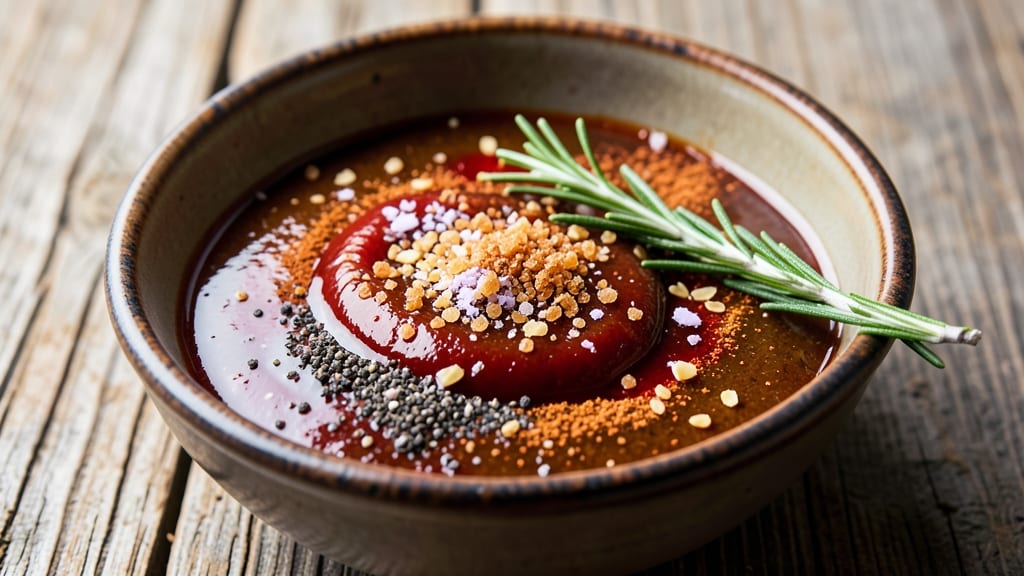
This award-winning hot wing sauce recipe delivers a perfectly balanced blend of heat, sweetness, and tang that clings to every crispy bite like it was born there. 🔥 The secret lies in slow-simmered spices and a vinegar base that develops depth over time—no shortcuts, just restaurant-quality flavor in your own kitchen.
What sets this apart is the caramelized sugar stage, where the sauce transforms from raw ingredients into something rich and complex, with just the right amount of smoky heat to linger on your tongue.
The recipe uses simple pantry staples—no specialty ingredients—but the technique is what elevates it to award-winning status. You'll start with a 30-minute simmer that lets the flavors meld, then finish with a quick reduction to intensify the heat and sweetness.
This isn't just another wing sauce; it's a versatile condiment that works on burgers, fries, or even as a marinade for meats, with adjustments for heat levels that let you dial it up or down to your preference.
By the time you're done, you'll have a glossy, sticky sauce that's sticky enough to hold its own on wings but smooth enough to drizzle. The balance of cayenne, brown sugar, and apple cider vinegar creates that signature sweet-spicy-tangy profile that makes wings irresistible.
What's more, it keeps beautifully in the fridge for up to two weeks, so you can make a big batch and enjoy it all season long.
The best part? This sauce isn't just for wings—it's a game-changer for any dish that needs a bold, flavorful kick. Whether you're hosting a Super Bowl party or just craving wings night, this recipe delivers professional-level results with minimal effort. Let's get started on creating your own award-worthy sauce.
Ingredients for award winning hot wing sauce
Pantry staples that transform into a sauce so sticky and bold it wins awards.
| Ingredient | Amount | Notes |
|---|---|---|
| Apple Cider Vinegar 🍏 | 1 cup | Raw, unfiltered preferred |
| Brown Sugar 🍚 | ¾ cup | Light or dark works |
| Cayenne Pepper 🌶️ | 2 tbsp | Adjust for heat preference |
| Smoked Paprika 🌶️ | 1 tbsp | For smoky depth |
| Garlic Powder 🧄 | 1 tbsp | Freshly ground preferred |
| Onion Powder 🧅 | 1 tbsp | For aromatic base |
| Ground Black Pepper 🌶️ | 1 tsp | Freshly cracked |
| Kosher Salt 🧂 | 1 tsp | Diamond Crystal preferred |
| Honey 🍯 | ½ cup | Wildflower for complexity |
| Water 💧 | ½ cup | For thinning consistency |
The apple cider vinegar is non-negotiable—Bragg or Texas Pete are my go-tos, but any raw, unfiltered kind works. The brown sugar is where the magic happens: light brown gives a smoother finish, while dark brown adds deeper caramel notes. For the cayenne, Penzeys brand has the most consistent heat, but adjust to taste—this is your chance to go from mild to nuclear. Smoked paprika? Trader Joe's has the best-priced jar, and it's worth buying the extra-smoked kind if you're feeling fancy. Garlic and onion powders are the backbone, so don't skimp on quality—McCormick Gourmet is my secret weapon for restaurant-level flavor.
No honey? Maple syrup or agave works in a pinch, but honey's floral notes are what make this sauce sing. Short on vinegar? White vinegar or lemon juice can stand in, but the tang won't be as developed. Want less heat? Swap cayenne for red pepper flakes at half the amount. The smoked paprika can be replaced with regular paprika plus a pinch of liquid smoke if you're out. For the water, use hot water when thinning—it dissolves the sugar faster and gives you a smoother sauce. And if you're making this for a crowd, double the recipe—it disappears fast.
This sauce gets better with time—24 hours in the fridge lets the flavors meld into something truly addictive. Store it in a glass jar with a tight seal, and it'll keep for up to two weeks in the fridge. For longer storage, freeze it in ice cube trays—perfect for single-use portions. The sauce thickens as it cools, so always stir before using. And trust me, leftovers are inevitable—make extra for burgers, fries, or even as a marinade for grilled meats.
Why You'll Love This Recipe
- Here’s what sold me: this sauce actually improves the next day. The flavors meld into something deeper, and I’ve used it to glaze baked chicken, drizzle over fries, or even mix into mac and cheese. Not the prettiest, but the taste makes up for it.
- Five-Ingredient Magic: I swear by this combo—apple cider vinegar cuts through the heat while brown sugar caramelizes into a sticky, smoky sweetness that’s dangerously addictive. No fancy techniques, just stirring and simmering until it’s perfect.
- Weeknight Wing Hero: Between us, this is my go-to when I’m too tired to order but still craving wings. Toss it on store-bought wings or chicken, and suddenly you’ve got a restaurant-quality meal in 20 minutes—no deep-fryer required.
- Leftovers That Shine: Here’s what sold me: this sauce actually improves the next day. The flavors meld into something deeper, and I’ve used it to glaze baked chicken, drizzle over fries, or even mix into mac and cheese. Not the prettiest, but the taste makes up for it.
Step-by-step instructions for award-winning hot wings sauce
This sauce delivers that perfect fiery-sweet balance that clings to every bite.
🍳 Step 1: Combine Wet Ingredients for a Smooth Base
In a medium saucepan, pour in the 1 cup apple cider vinegar and bring it to a gentle simmer over medium heat. I like to use raw, unfiltered vinegar here—it adds a tangy depth that store-bought can't match. Let it bubble for 2-3 minutes until you see tiny bubbles forming at the edges.
While the vinegar heats, add the 0.5 cup honey and 0.5 cup water. Stir constantly with a wooden spoon until the honey dissolves completely. You'll notice the mixture thicken slightly as the heat works its magic. This is where the sauce starts to build its signature sweet-spicy harmony—don't rush this step.
🔥 Step 2: Add Dry Ingredients and Simmer for Depth
Reduce the heat to low and sprinkle in the 0.75 cup brown sugar, 2 tbsp cayenne pepper, 1 tbsp smoked paprika, 1 tbsp garlic powder, 1 tbsp onion powder, 1 tsp ground black pepper, and 1 tsp kosher salt. Stir vigorously for 1-2 minutes until everything is fully incorporated and the sugar dissolves completely.
Here's the thing—this is where the sauce develops its complexity. Let it simmer uncovered for 10-12 minutes, stirring occasionally. You'll see the mixture thicken noticeably and darken slightly as the spices bloom. The sauce should smell like a smoky campfire mixed with sweet caramel—this is your reward for patience.
⏰ Step 3: Simmer Until Thick and Glossy
Continue simmering for another 8-10 minutes until the sauce reaches a thick, syrupy consistency. It should coat the back of a spoon and leave a slight sheen—this is what makes it cling to wings like glue. If it thickens too much before reaching the right flavor, add 1-2 tablespoons of water to loosen it.
Taste and adjust the heat level if needed. I like to balance the cayenne with a pinch more brown sugar or honey if it's too fiery. Remember, you can always add more heat later, but you can't take it out. Let the sauce cool slightly before tasting—it'll thicken more as it cools.
🥘 Step 4: Strain and Store for Maximum Flavor
Once the sauce reaches the perfect consistency, remove it from heat and let it cool for 5 minutes. Then strain it through a fine-mesh sieve into a clean jar to remove any sediment. This gives you that silky texture that's essential for award-winning wings.
Let the sauce cool completely before storing. It'll keep in the refrigerator for up to 2 weeks or in the freezer for 3 months. The flavor actually improves as it sits, developing deeper complexity. When ready to use, simply reheat gently on the stove or in the microwave—just don't boil it or you'll lose that perfect balance.
Pro Tips For Making Award Winning Hot Wing Sauce
- Simmer Slow and Low: I used to blast this sauce on high, thinking it’d caramelize faster—it just burned. Simmer on medium-low for 15-20 minutes instead. The vinegar needs time to mellow, and the sugar will develop real depth without turning bitter.
- Toast the Spices First: Skip the pre-mixed blends—smoked paprika and cayenne taste flat straight from the jar. Dry-toast them in a pan for 30 seconds until fragrant. That extra step unlocks their smoky, peppery punch, which makes the sauce taste like it came from a competition kitchen.
- Strain the Sugar: Brown sugar clumps like a stubborn guest who won’t leave. Press it through a fine-mesh sieve before adding it to the sauce—no lumps means a smoother, glossier finish. Trust me, you’ll notice the difference when it coats the wings.
- Balance the Heat Early: Taste the sauce after 10 minutes, not at the end. If the cayenne is too sharp, add a splash of vinegar or a pinch of brown sugar to round it out. Fixing it later means wrestling with uneven heat—better to adjust while it’s still liquid.
Pro cooking tips for award winning hot wing sauce
Heat Control Secrets
Balance is everything with cayenne—start with 2 tablespoons but taste after 10 minutes of simmering. If it's too mild, add ½ teaspoon at a time while warm (heat dissipates when cooled).
For extra kick, swap ½ tablespoon cayenne for 1 teaspoon crushed red pepper flakes—they burn differently but add smoky depth. 🌶️
Pro tip: Use a fine-mesh strainer to remove any undissolved cayenne particles that can create texture issues. If you love visible texture, skip straining but stir vigorously to distribute heat evenly. I always keep a small bowl of plain yogurt nearby to cool my mouth between taste tests!
Smoke Without the Grill
The smoked paprika is your secret weapon for that campfire aroma without lighting a single stick. For deeper smoke, add ½ teaspoon liquid smoke (like La Choy) to the simmering sauce in the final 5 minutes. Start with ¼ teaspoon—liquid smoke concentrates quickly. 🔥
Need a smokier profile? Replace ½ tablespoon smoked paprika with 1 teaspoon chipotle powder (adjust heat accordingly). Chipotle adds a fruity, smoky sweetness that pairs perfectly with the vinegar base. Store extra smoked paprika in the freezer to preserve its potency.
Thickness Hacks
If your sauce thickens too fast, loosen it with 1 tablespoon water at a time while simmering. The goal is a syrupy consistency that coats wings but doesn't drip—think honey-like viscosity. For extra gloss, add 1 teaspoon corn syrup during the final 2 minutes of simmering. 💧
For a thicker sauce (great for dipping), simmer uncovered until it reduces by ¼ cup. If it's too thin after cooling, reheat gently and stir in 1 teaspoon arrowroot powder mixed with 2 tablespoons water until fully dissolved. Always taste as you go—thickness affects heat perception!
Flavor Boosters
Add 1 teaspoon Worcestershire sauce in the final minute for umami depth—it cuts through the heat and adds complexity. For a tangy twist, stir in 1 tablespoon lemon juice after cooling. Both additions elevate the sauce from good to award-worthy without overpowering the base. 🍋
Craving fruitiness? Fold in 1 tablespoon grated orange zest or 2 tablespoons pineapple juice during the last 5 minutes of simmering. The acidity brightens the sauce, balancing the sweetness. Store zest separately and mix in just before serving to preserve freshness.
Equipment Upgrades
Use a heavy-bottomed saucepan (like All-Clad) to prevent scorching—this sauce needs even heat distribution. A wooden spoon helps scrape up caramelized bits from the bottom, maximizing flavor. For large batches, a slow cooker on low for 2 hours works too—just stir occasionally. 🍲
Invest in a digital kitchen scale for precise measurements, especially with spices. Weigh your cayenne and smoked paprika to ensure consistency. A fine-mesh sieve (like OXO Good Grips) removes sediment without losing precious sauce. Store your tools in a dedicated sauce-making kit to keep everything organized.
Nutrition facts
Frequently asked questions
Can I make this sauce without cayenne pepper?
For a milder version, replace the 2 tablespoons cayenne with 1 tablespoon red pepper flakes or ½ teaspoon ground chili powder. If you want zero heat, omit it entirely and add 1 extra teaspoon smoked paprika for depth. The sauce will still taste amazing—just adjust sweetness to balance the flavor.
How do I adjust the sweetness if I prefer less sugar?
Start by reducing the brown sugar to ½ cup and taste after simmering. If it needs more sweetness, add 1-2 tablespoons honey at the end. For a tangier profile, increase apple cider vinegar by 2 tablespoons. The key is balancing all three elements—sweet, spicy, and tangy—for that award-winning harmony.
Can I use this sauce on foods other than wings?
This versatile sauce works beautifully on burgers, fries, grilled meats, or even as a marinade! For dipping, reduce the simmer time slightly to keep it thinner. On proteins, use it as a glaze—brush on during the last 5 minutes of grilling or baking. Just remember, the heat intensifies when cooked, so adjust cayenne accordingly.
Why does my sauce get grainy after cooling?
Graininess usually means undissolved sugar or spices. Next time, simmer uncovered for 5 extra minutes to ensure everything dissolves completely. For a silky texture, strain through a fine-mesh sieve before storing. If it happens after cooling, reheat gently and stir vigorously—this often resolves the issue.
How can I make this sauce spicier without adding more cayenne?
For deeper heat without extra cayenne, add ½ teaspoon crushed black peppercorns or 1 teaspoon mustard powder during simmering. Both add complexity and perceived heat. For a smoky kick, increase smoked paprika to 1.5 tablespoons and add ¼ teaspoon liquid smoke in the final minute.