
Sauces & Condiments
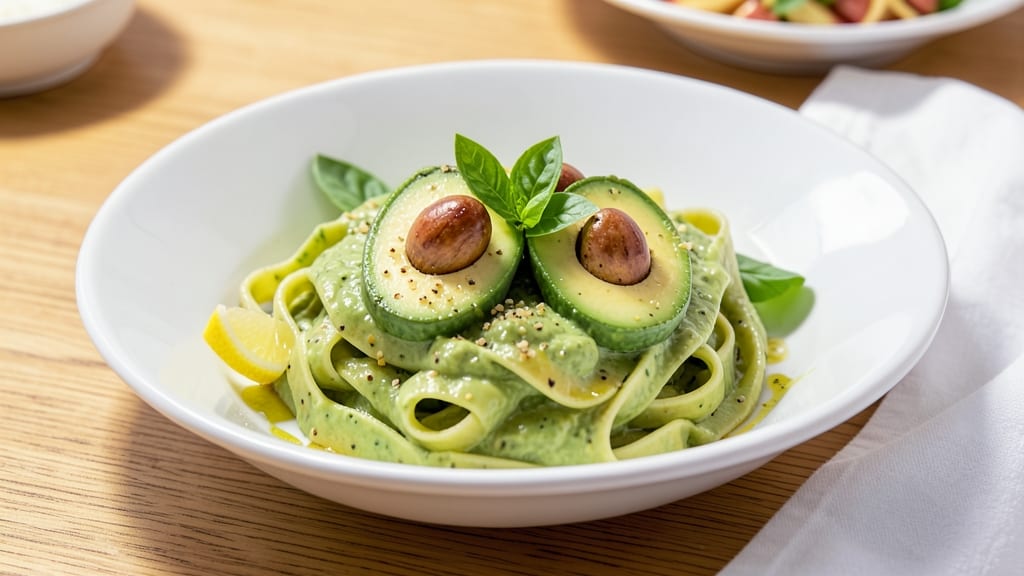
This avocado cream pasta sauce recipe transforms simple ingredients into a velvety, ultra-smooth velouté that clings to every strand of pasta like a dream. The secret lies in blending ripe avocado with lemon, garlic, and fresh basil until it reaches that signature creamy texture—no heavy cream or dairy required. I developed this recipe after craving a rich, plant-based sauce that could stand up to hearty pasta dishes while keeping prep under 10 minutes.
The beauty of this sauce is its versatility—it works as a luscious pasta coating, a dip for grilled vegetables, or even a spread for toast. The avocado provides natural creaminess, while lemon brightens the flavor and prevents bitterness.
Fresh basil adds an aromatic touch that elevates the sauce from ordinary to extraordinary, and a touch of olive oil ensures it stays silky even after refrigeration.
What makes this sauce truly special is its ability to stay fresh and flavorful for up to 5 days in an airtight container, making it perfect for meal prep. The texture remains smooth and spreadable, with no separation or oiliness.
Pair it with your favorite pasta, toss it with roasted vegetables, or drizzle it over grilled tofu for a restaurant-quality meal in minutes.
Once you try this sauce, you’ll never go back to store-bought versions. The combination of creamy avocado, tangy lemon, and fresh herbs creates a flavor profile that’s both comforting and exciting. Let’s make this sauce—the perfect addition to any plant-based or vegan meal.
Ingredients for avocado cream pasta sauce
Nine simple ingredients create this ultra-smooth, dairy-free velouté that clings beautifully to pasta.
| Ingredient | Amount | Notes |
|---|---|---|
| Ripe Avocados 🥑 | 2 whole | Firm but yielding, pitted |
| Fresh Basil Leaves 🌿 | 1 cup | Packed, stems removed |
| Extra-Virgin Olive Oil 🫒 | ½ cup | Light, fruity variety |
| Lemon Juice 🍋 | 2 tbsp | Freshly squeezed |
| Garlic Cloves 🧄 | 3 cloves | Fresh, peeled, roughly chopped |
| Nutritional Yeast 🍄 | 2 tbsp | For umami depth |
| Sea Salt 🧂 | ½ tsp | Fine grain preferred |
| Ground Black Pepper 🌶️ | ¼ tsp | Freshly cracked |
| Cold Water 💧 | ¼ cup | For blending consistency |
| Unsweetened Almond Milk 🥛 | ¼ cup | For silkiness (optional) |
The avocados are the heart of this sauce—pick ripe but firm ones that yield slightly when pressed. Trader Joe's or local markets often carry perfect specimens, but check the stems for freshness. Fresh basil is non-negotiable here; dried won't give that bright, aromatic punch. If you're using store-bought basil, grab the freshest bunch you can find and strip the leaves immediately. The olive oil should be light and fruity—California-grown brands like Corto or California Olive Ranch work perfectly. Nutritional yeast is your secret weapon for that cheesy umami kick without dairy.
No fresh basil? Dried oregano at one-third the amount will work in a pinch, though it won't match the freshness. Short on avocados? Silken tofu blended in adds creaminess, though texture will differ slightly. The almond milk is truly optional—skip it if you prefer a thicker sauce, but it helps prevent separation. For extra richness, add 1 tbsp tahini to the blend. The lemon juice is critical for balancing the avocado's richness; Meyer lemons add a subtle sweetness if you prefer. If your sauce separates after blending, just pulse again with a splash of cold water—it'll come together instantly.
This sauce stays fresh for 5 days in an airtight container, though it's best used within 3 days for peak texture. To prevent browning, press plastic wrap directly onto the sauce's surface before sealing. For longer storage, freeze in 1-tbsp portions—thaw overnight in the fridge. The sauce thickens slightly when chilled, so add a splash of water or lemon juice when reheating. It's perfect for meal prep: make a big batch and toss with pasta, roasted veggies, or grilled tofu all week.
Why You'll Love This Recipe
- No Blender Needed: I swear by this—just mash the avocado with a fork right in the pan. No fancy equipment, no cleanup, and the texture comes out just thick enough to cling to every strand of pasta. That lemon juice? It brightens the whole thing without overpowering.
- Garlicky Basil Magic: The moment I blend in those roasted garlic cloves and fresh basil, the sauce transforms. It’s creamy but sharp, herby but never bitter—like a Mediterranean vacation in a bowl. Honestly, I’ve tried store-bought versions, and this one always wins.
- Lunch or Dinner Fix: Toss it with penne for a quick weeknight dinner, or serve it cold over orzo for a refreshing lunch. The avocado keeps it rich enough for dinner but light enough for a picnic. My roommate’s a college student—this is his go-to when he’s too tired to cook.
- Leftovers That Don’t Suck: Unlike creamy sauces that separate or turn slimy, this one actually improves overnight. Reheat gently, stir in a splash of water if it’s too thick, and it’s like making it fresh. Plus, avocados stretch the budget—one fruit feeds four servings without breaking the bank.
Step-by-step instructions for ultra-smooth avocado basil velouté
This velvety sauce comes together in minutes with no cooking required.
Prepare the Avocado Base
Cut the 2 whole ripe avocados in half, remove the pits, and scoop the flesh directly into a high-powered blender or food processor. The avocados should be firm but yielding to the touch—this ensures a perfectly smooth texture without turning gummy. Add the 3 cloves of roughly chopped garlic and the 2 tablespoons of nutritional yeast to the blender. The nutritional yeast adds that essential umami depth that elevates this sauce from ordinary to extraordinary.
Pulse the mixture briefly to break down the avocado and garlic, then add the 0.5 cup of extra-virgin olive oil. The oil not only helps create that signature velouté texture but also carries the delicate flavors throughout. Give it another quick pulse to combine everything—you want the mixture to be mostly smooth but still slightly chunky at this stage. This ensures the sauce has body without becoming too thin.
Blend with Basil and Acid Balance
Add the 1 cup of packed fresh basil leaves to the blender. The basil should be stems removed, as they can make the sauce bitter. Pour in the 2 tablespoons of freshly squeezed lemon juice and the 0.5 teaspoon of sea salt. The lemon juice is crucial here—it brightens the avocado's richness and prevents the sauce from tasting flat. Pulse the mixture again until the basil is finely incorporated but not completely broken down, as you want to retain some texture for visual appeal.
Taste the mixture at this point. You should notice a vibrant, herby flavor with a hint of garlic and lemon. If it tastes too thick, add the 0.25 cup of cold water, 1 tablespoon at a time, until you reach a smooth, pourable consistency. The water should be cold to prevent the avocado from oxidizing and turning brown. If it's too thin, add a bit more avocado or nutritional yeast to thicken it back up.
Create the Signature Silkiness
With the blender running on low speed, slowly drizzle in the 0.25 cup of unsweetened almond milk. This step is where the sauce transforms into its signature velvety texture. The almond milk adds a subtle creaminess without overpowering the avocado flavor. Continue blending until the mixture is completely smooth, with no visible chunks. The sauce should coat the back of a spoon and have a luxurious, almost custard-like consistency.
Add the 0.25 teaspoon of freshly cracked ground black pepper and give it one final taste. Adjust the seasoning if needed—you might need a touch more salt or lemon juice to balance the flavors. The sauce should be vibrant, tangy, and rich, with a perfect harmony of garlic, basil, and umami. Cover the blender with plastic wrap pressed directly onto the surface to prevent browning, and let it sit at room temperature for 5 minutes before using.
Serve Over Pasta or Use as a Dip
Transfer the avocado basil velouté to a serving bowl or saucepan, depending on how you plan to use it. If serving over pasta, heat the sauce gently over low heat for 1-2 minutes, stirring constantly, until it reaches your desired temperature. The sauce should warm through but not cook—the avocado should remain cool and creamy, not hot. Toss it with cooked pasta, such as fettuccine or linguine, and garnish with additional fresh basil leaves and a sprinkle of black pepper.
For a quick and elegant appetizer, serve the sauce as a dip with crusty bread or fresh vegetables like cherry tomatoes and cucumber slices. The sauce's vibrant green color and smooth texture make it as appealing to the eyes as it is to the palate. Store any leftovers in an airtight container in the refrigerator for up to 2 days, but be sure to add a thin layer of water or lemon juice on top to prevent browning. This sauce is a game-changer for any meal—simple yet sophisticated, creamy yet light, and packed with flavor.
Pro Tips For Making Avocado Cream Pasta Sauce
- MASH AVOCADOS COLD: I learned this the hard way—warm avocado mash turns into a sad, brown sludge. Scoop the flesh straight from the fridge into a bowl, then mash it with a fork while it’s still chilled. The creaminess holds better, and you avoid that metallic aftertaste that ruins everything.
- MINCE GARLIC FINE: Whole garlic cloves in this sauce just sit there like awkward guests. Smash each clove with the flat side of your knife first, then mince it into a paste—tiny, even pieces that blend right in. No one wants to pick out chewy bits when they’re trying to enjoy that creamy texture.
- LEMON JUICE LAST: Add lemon juice too early, and your sauce will curdle like a bad smoothie. Stir it in just before tossing with the pasta—this keeps the avocado’s richness intact and brightens the flavor after everything else is mixed. Trust me, timing matters here.
- BASIL STACKS BETTER: Skip the chopping if you’re short on time—just tear the basil leaves by hand and press them into the sauce. The larger pieces hold their aroma longer, and you won’t end up with a bitter, pulverized mess. (Yes, even if you’re impatient like me.)
Storing and reheating this avocado cream pasta sauce
Fridge Storage Tips
Store your avocado cream sauce in an airtight container with a tight-sealing lid—I use glass Pyrex containers because they preserve flavor better than plastic. Press plastic wrap directly onto the sauce's surface before sealing to prevent browning from oxidation.
The sauce stays fresh for up to 5 days in the fridge, though I find it reaches peak flavor within 3 days. Keep it chilled until ready to use to maintain that velvety texture. 🥑
Freezing for Later
For longer storage, freeze the sauce in 1-tablespoon portions using ice cube trays or small silicone molds. Once frozen, transfer the cubes to a freezer bag, squeezing out excess air to prevent freezer burn.
Thaw overnight in the fridge—never microwave directly from frozen, as this can separate the texture. The sauce may thicken slightly after freezing, so add 1 teaspoon of water or lemon juice when reheating. 💧
Reheating Safely
To reheat, gently warm the sauce in a small saucepan over low heat for 1-2 minutes, stirring constantly. Avoid high heat, as avocado can turn grainy when overheated. For microwave reheating, use 30-second intervals on low power, stirring between each interval.
If the sauce separates, just pulse it again in the blender with a splash of cold water. Always check the temperature reaches 165°F for food safety. ✨
Preventing Separation
If your sauce separates after refrigeration, don’t panic! Simply blend it again with 1-2 tablespoons of cold water until smooth. The avocado’s natural oils can rise to the top, but this quick fix restores its creamy consistency.
For extra insurance, add ½ teaspoon of xanthan gum when blending initially—it helps stabilize the texture without altering flavor. This trick works especially well for meal prep. 💡
Meal Prep Strategy
Double the recipe and store half for later—this sauce is perfect for 3-4 days of meal prep. I like to portion it into small glass jars with snap-on lids for easy grab-and-go use. Label with the date and store in the fridge’s coldest section.
When reheating, add a pinch of sea salt and a squeeze of lemon juice to brighten flavors. It’s my go-to for quick lunches with pasta or as a dip for veggies. 🍽️
Nutrition facts
Frequently asked questions
Can I make this sauce without avocado?
While avocado gives this sauce its signature creamy texture, you can substitute with ½ cup silken tofu or ¼ cup cashew butter for a similar richness. The flavor will shift slightly, so add an extra 1 tbsp lemon juice to balance. For a dairy-free alternative, mashed white beans work too—just adjust seasoning to taste.
Why does my sauce turn brown after refrigeration?
Avocado oxidizes when exposed to air, causing browning. Prevent this by pressing plastic wrap directly onto the sauce's surface before sealing the container. For extra protection, add a ½ tsp lemon juice to the surface—it acts as a natural preservative. If browning occurs, the sauce is still safe and edible, just less visually appealing.
How can I make this sauce thicker or thinner?
For a thicker sauce, blend in 1 tbsp more avocado or 1 tsp nutritional yeast. If it's too thick, thin with 1 tbsp cold water or almond milk, blending until smooth. Pro tip: Chilling the sauce overnight naturally thickens it—just stir in a splash of water when ready to use.
What's the best pasta to pair with this sauce?
This ultra-smooth sauce works beautifully with fettuccine, linguine, or pappardelle—wide noodles that hold the creamy coating well. For extra texture, try gluten-free brown rice pasta or chickpea pasta. The sauce also makes a fantastic dip for grilled vegetables or toasted baguette slices.
Can I add cooked vegetables to this sauce?
Stir in ½ cup sautéed mushrooms, roasted cherry tomatoes, or steamed zucchini when serving. For best results, add them just before tossing with pasta to maintain the sauce's creamy texture. If adding raw veggies, blend them directly into the sauce for a smoother consistency.