
Sauces & Condiments
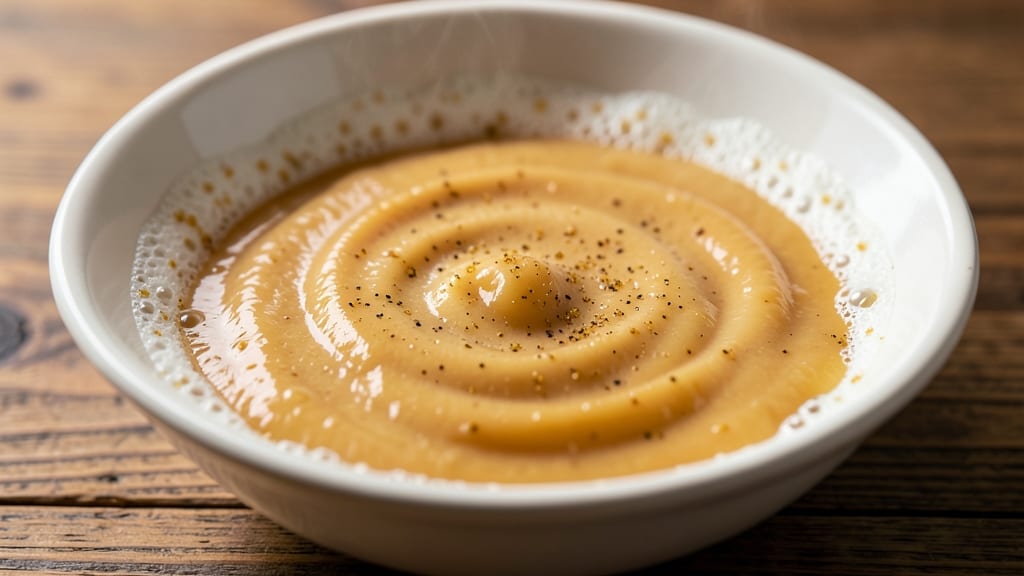
Applebee's cheese sauce transforms simple dishes into restaurant-quality masterpieces with its signature ultra-smooth, velvety texture. The secret lies in the perfect balance of sharp cheddar, rich cream, and butter melted together until completely silky.
This isn't just any cheese sauce—it's the kind that clings perfectly to mac and cheese, smothers fries, and elevates grilled meats to new heights.
What makes this sauce truly special is the technique: low-and-slow melting prevents lumps while creating that signature creamy consistency. The addition of a touch of mustard powder adds subtle depth, while garlic powder delivers a savory note that makes this sauce infinitely more complex than basic melted cheese.
Unlike many recipes, this one doesn't require constant stirring or fancy equipment—just patience and attention to temperature.
The result is a cheese sauce so smooth it feels like a luxurious blanket over whatever it touches. It's rich enough to satisfy cravings but balanced enough to work as a dip, topping, or even a pasta sauce.
The best part? It stays perfectly creamy even after reheating, making it ideal for meal prep or serving family-style.
Whether you're covering a plate of mac and cheese, turning baked potatoes into gourmet meals, or creating the ultimate cheese sauce for dipping, this recipe delivers professional-quality results at home.
The technique is simple, but the flavor impact is undeniable—this is the kind of sauce that makes ordinary meals feel special.
Ingredients for applebee's cheese sauce
Eight simple ingredients transform into Applebee's signature velvety, ultra-smooth cheese sauce.
| Ingredient | Amount | Notes |
|---|---|---|
| Sharp White Cheddar Cheese 🧀 | 8 oz | Shredded, block preferred |
| Heavy Whipping Cream 🥛 | 1 cup | Full-fat for richness |
| Unsalted Butter 🧈 | 4 tbsp | Cold cubes for even melting |
| All-Purpose Flour 🌾 | 1 tbsp | For thickening, sifted |
| Mustard Powder 🌶️ | ½ tsp | For subtle depth |
| Garlic Powder 🧄 | ½ tsp | For savory complexity |
| Ground Black Pepper 🌶️ | ¼ tsp | Freshly ground preferred |
| Kosher Salt 🧂 | ¼ tsp | Adjust to taste |
Sharp white cheddar is the star—Kraft Singles won't cut it here. Grab a block from the dairy case (the Boar's Head brand is fantastic if you're splurging). For the cream, Whole Foods or Trader Joe's organic heavy cream gives the richest results. Butter matters too—use Land O'Lakes unsalted or European-style butter for that restaurant-quality depth. Pre-shredded cheese? Skip it—it's full of anti-caking agents that make the sauce grainy. Shred your own for that silky texture.
No mustard powder? Dijon mustard at half the amount works in a pinch. Garlic powder too strong? Fresh minced garlic at one-third the amount adds a whole new dimension. For a dairy-free version (though not traditional), full-fat coconut cream replaces the cream and butter, but the texture won't be identical. The flour is non-negotiable for that signature cling—it's what makes this sauce so much better than just melted cheese. If you're worried about lumps, whisk the flour into the cold butter first before adding to the hot liquid.
This sauce is a meal prep dream—stores perfectly in the fridge for 5 days sealed in an airtight container. For longer storage, freeze in 1-cup portions with parchment between layers. Reheat gently on low heat or in the microwave with a splash of milk to restore creaminess. Pro tip: Add a pat of cold butter when reheating to keep it ultra-smooth. The first batch always disappears fastest—make a double batch and thank me later.
Why You'll Love This Recipe
- I’ll be real: I always make extra. This sauce keeps for days in the fridge, and it freezes like a champ. Toss it into a slow cooker with some chicken for a last-minute dinner, or drizzle it over veggies for a lazy night. It’s my budget-friendly cheat code for “I don’t wanna cook” days.
- Five-Ingredient Magic: That’s it—just five things in your pantry. I’ve made this sauce while my kids waited for dinner, during a work call, even while folding laundry. The mustard powder gives it that signature tang without extra effort, and the sharp cheddar melts into something richer than store-bought.
- Restaurant-Quality Cream: Here’s what sold me—the way the butter and flour create this velvety base, but the mustard powder cuts through it just enough to taste real. It’s not too sweet, not too bland—it’s the kind of sauce that makes you pause mid-bite and think, “Wait, I made this?”
- Dip or Drown: Between us, this sauce is my go-to for mac and cheese, but it’s also the star of my loaded baked potatoes, the secret weapon in my chicken Alfredo, and yes, even on a grilled cheese sandwich. (Don’t judge.) The best part? It reheats like a dream—no clumping, no weird textures.
Step-by-step instructions for Applebee's cheese sauce
Here's how to make that signature ultra-smooth, velvety sauce that's perfect for mac and cheese or dipping.
Melt Butter and Create a Smooth Roux
In a medium saucepan, melt the 4 tablespoons unsalted butter over medium heat. Once fully melted, reduce the heat to medium-low and let it simmer gently for 1 minute—this prevents burning and creates a smooth base. Add the 1 tablespoon all-purpose flour all at once, whisking constantly for 1-2 minutes until the mixture turns a pale golden color and smells nutty. This roux is the secret to that silky texture—don't rush it or it'll taste raw.
Here's the thing—if you see any browned bits forming, immediately whisk them into the roux. Those bits add depth, but too many make the sauce bitter. You want a smooth, creamy consistency at this stage, not grainy or clumpy. Keep the heat steady and stir frequently to avoid lumps.
Whisk in Cream and Seasonings
Pour in the 1 cup heavy whipping cream all at once, whisking vigorously to combine. The mixture will bubble slightly—this is normal. Immediately add the 0.5 teaspoon mustard powder, 0.5 teaspoon garlic powder, 0.25 teaspoon ground black pepper, and 0.25 teaspoon kosher salt, whisking until fully dissolved. Let the sauce simmer gently for 3-4 minutes until it begins to thicken noticeably. You'll see the edges of the sauce cling together slightly when you lift the whisk.
This is where the magic happens. The spices meld into the cream, creating that signature Applebee's flavor. If you taste it now, it should be tangy from the mustard, slightly garlicky, and just seasoned enough to make you want more. Don't be tempted to add extra salt yet—let the cheese do its work first.
Add Cheese and Simmer to Perfection
Reduce the heat to low and gradually sprinkle in the 8 ounces shredded sharp white cheddar cheese, whisking constantly. The cheese will melt in about 2-3 minutes, but don't walk away—this is when sauces either become silky or grainy. Keep whisking until the cheese is completely dissolved and the sauce is smooth as silk. If you see any cheese clumps, strain the sauce through a fine-mesh sieve for that ultra-smooth texture.
Let the sauce simmer for another 2-3 minutes until it reaches your desired consistency. It should coat the back of a spoon but still be pourable. If it's too thick, whisk in 1 tablespoon hot water at a time until it reaches that perfect velvety blanket consistency. The sauce should be hot but not boiling—just warm enough to melt any remaining cheese.
Finish and Use Immediately
Taste the sauce and adjust the seasoning if needed. You might want to add a pinch more salt or a dash of pepper to taste. The sauce is best used immediately, but if you need to store it, transfer it to a clean jar and refrigerate for up to 3 days. To reheat, warm it gently over low heat, stirring constantly until smooth again.
This sauce is perfect for mac and cheese, but it's also amazing as a dip for fries, a topping for burgers, or even a creamy pasta sauce. The key to its success is patience—rushing any step will result in a grainy, lumpy sauce instead of that signature smooth, velvety texture. Trust the process, and you'll have restaurant-quality cheese sauce every time.
Pro Tips For Making Applebee'S Cheese Sauce
- WHISK THE FLOUR FIRST: Toss the flour into the butter while it’s still bubbling, then immediately add the cream. I used to wait until the butter cooled, and the sauce would clump like glue—this way, the flour gets fully coated and dissolves smoothly into a thick, lump-free base.
- GRATE THE CHEESE FINE: Skip the block cheese and grate it yourself—pre-shredded cheddar has anti-caking agents that make the sauce grainy. Use a box grater or food processor for a powdery texture, then stir in while the sauce simmers to avoid clumps.
- LOW AND SLOW AFTER ADDING CHEESE: Once the cheese hits the pot, drop the heat to medium-low and stir like your life depends on it. I learned this the hard way—high heat makes the cream split, and you’re left with a sad, oily mess instead of a creamy sauce.
- SALT THE CREAM: Add a pinch of salt to the heavy cream before mixing it with the butter-flour roux. The cheese is already sharp, and the cream carries a lot of flavor—this balances everything without overpowering the mustard powder’s subtle kick.
Storing and reheating this dish
Fridge Storage Essentials
Transfer your cheese sauce to an airtight glass container (like a Mason jar or Pyrex dish) while it's still warm but not hot. This prevents condensation from forming when it cools, which can make the sauce watery.
Let it cool completely at room temperature for no more than 2 hours before refrigerating—this prevents bacterial growth. Store it in the fridge for up to 5 days, but I recommend making fresh batches every 3 days for peak creaminess. 🧀
Freezer Prep Secrets
For longer storage, freeze the sauce in 1-cup portions using silicone molds or freezer-safe jars. Leave ½ inch headspace to prevent expansion cracks. Wrap tightly with plastic wrap and label with the date.
It keeps for 3 months without texture loss. When ready to use, thaw overnight in the fridge—never microwave directly from frozen, or you'll end up with a grainy mess. 🥶
Reheating Like a Pro
To restore that velvety texture, reheat over low heat in a saucepan with 1 tablespoon whole milk or water per cup. Stir constantly until smooth—this prevents separation. For microwave reheating, use 30-second intervals on 50% power, stirring between each.
Add a pat of cold butter at the end to restore richness. Never boil the sauce, or it'll curdle. ⏳
Texture Rescue Tips
If your reheated sauce looks too thick, whisk in 1 tablespoon hot water at a time until silky. For separated sauces, place the container in a double boiler over simmering water, stirring until fully recombined.
A splash of lemon juice (just ½ teaspoon) can also help break up any lumps. The goal is to mimic the restaurant's ultra-smooth consistency—don't give up if the first attempt isn't perfect! 💡
Make-Ahead Magic
Prep the sauce one day ahead for even better flavor development. The spices meld overnight, creating deeper complexity. Store in the fridge and reheat gently before serving.
For meal prep, portion into small containers with parchment between layers to prevent sticking. This is my go-to strategy for busy weeknights—just grab and reheat! 📅
Sauce Safety Rules
Never leave cheese sauce at room temperature for more than 2 hours—the dairy makes it a prime spot for bacteria. If you're prepping ahead, cool it quickly in an ice bath (place the container in a bowl of ice water) to speed up the process.
When reheating, always bring it to at least 165°F to kill any potential pathogens. Safety first—this sauce is worth protecting! 🛡️
Nutrition facts
Frequently asked questions about Applebee's cheese sauce
Can I make this cheese sauce without flour?
Yes, but the texture will be thinner and less velvety. For a flourless version, replace the 1 tablespoon flour with 1 tablespoon cornstarch mixed with 1 tablespoon cold butter. Whisk this into the cream instead. The sauce will still thicken, but it may separate more easily when reheated. For the restaurant-style cling, flour is ideal—but this works in a pinch!
Why did my cheese sauce turn grainy?
Graininess usually happens from three things: not whisking enough when adding cheese, overheating the sauce, or using pre-shredded cheese. To fix it, strain through a fine-mesh sieve immediately after melting. For next time, shred your own cheese and keep whisking until completely smooth. Also, maintain low heat—never let it boil.
Can I use cream cheese instead of cheddar?
Not for this recipe—cream cheese would make the sauce too rich and heavy. The sharp cheddar's tangy flavor is essential for that signature Applebee's taste. However, you could add 2 ounces cream cheese at the end for extra creaminess if you prefer a thicker consistency. Just whisk it in until fully melted and smooth.
How can I make this sauce spicier?
Add ½ teaspoon smoked paprika or ¼ teaspoon cayenne pepper when whisking in the seasonings. For a smoky kick, stir in ½ teaspoon liquid smoke at the very end. If you love heat, try ½ teaspoon chipotle powder instead of regular garlic powder—it adds depth and spice without overpowering the cheese flavor.
What's the best way to serve this cheese sauce?
This ultra-smooth sauce is perfect for mac and cheese, baked potatoes, or as a dip for fries and onion rings. Try it over grilled chicken or steamed veggies for a restaurant-style finish. For extra flair, top with green onions or a sprinkle of black pepper. It's also amazing as a creamy pasta sauce—just toss with cooked noodles and a pinch of nutmeg.