
Sauces & Condiments
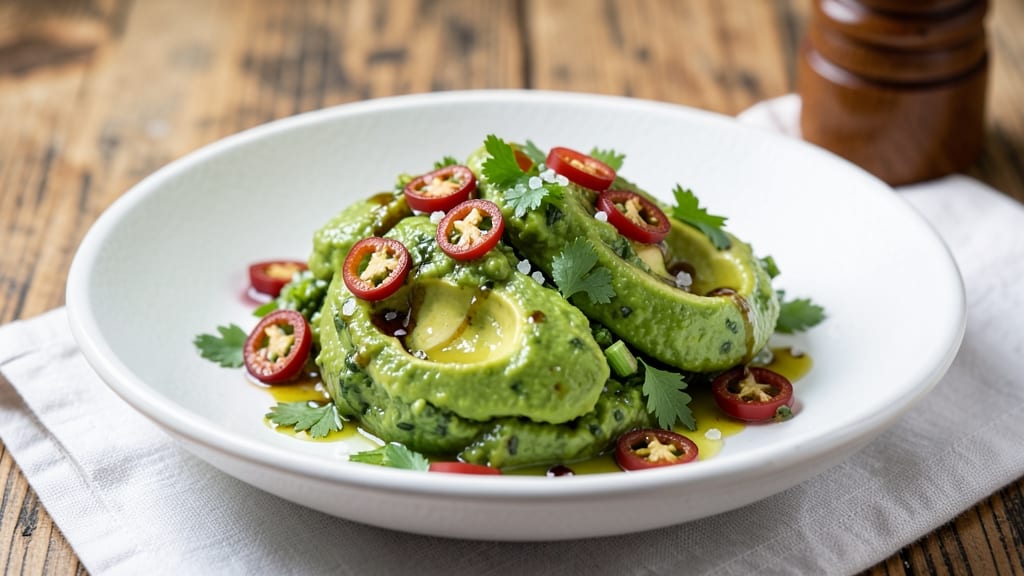
This avocado chimichurri sauce transforms traditional chimichurri into a velvety, creamy condiment that elevates every dish it touches.
The secret lies in blending ripe avocado with fresh herbs, garlic, and a touch of vinegar—creating a sauce that’s rich yet bright, with a texture that clings beautifully to grilled meats, tacos, or even bowls.
I developed this recipe after craving something smoother than classic chimichurri but still packed with herbaceous depth.
The beauty of this sauce is its versatility—it works as a dip, a drizzle, or a marinade, and the avocado adds a luxurious creaminess that balances the tangy, herby notes.
Unlike traditional chimichurri, which can be too thin or overly acidic, this version stays cohesive and delivers a perfect harmony of flavors. The best part? It comes together in just 10 minutes with ingredients you likely already have on hand.
What makes this sauce truly special is how it transforms simple dishes into something extraordinary. Imagine it drizzled over grilled shrimp, spooned onto tacos, or mixed into grain bowls—each bite becomes richer and more satisfying.
The avocado also makes it naturally vegan, while the herbs and garlic ensure it’s anything but boring.
Once made, this sauce keeps well in the fridge for up to 5 days, making it perfect for meal prep or spontaneous cooking. The longer it sits, the more the flavors meld, so taste it fresh and then again after a day or two for the full experience.
Let’s make this creamy, herby twist on chimichurri your new go-to sauce.
Ingredients for avocado chimichurri sauce
Ten ingredients, one game-changing sauce—creamy, herby, and ready in minutes.
| Ingredient | Amount | Notes |
|---|---|---|
| Ripe Avocados 🥑 | 2 whole | Firm but yielding when squeezed |
| Fresh Parsley Leaves 🌿 | 1 ½ cups | Packed, stems removed |
| Fresh Cilantro Leaves 🌿 | ½ cup | Packed, stems removed |
| Garlic Cloves 🧄 | 4 cloves | Peeled, roughly chopped |
| Red Wine Vinegar 🍷 | ¼ cup | Bold, dry variety preferred |
| Extra-Virgin Olive Oil 🫒 | ½ cup | High-quality, fruity |
| Lemon Juice 🍋 | 2 tbsp | Freshly squeezed |
| Salt 🧂 | ½ tsp | Diamond Crystal preferred |
| Ground Black Pepper 🌶️ | ¼ tsp | Freshly ground |
| Red Chili Flakes 🔥 | ¼ tsp | Adjust for heat preference |
The avocado is non-negotiable here—ripe but firm is key. Hit the produce section early for the best ones, or check the back of the bin where they’re often overlooked. Whole Foods or your local farmers market usually have the juiciest ones, but any grocery store’s avocados work if they’re not bruised. Fresh herbs make all the difference, so grab more than you think you’ll need—half goes in the sauce, half gets saved for garnishing. The parsley should be vibrant green, not wilted, and the cilantro should smell bright and citrusy. If your cilantro tastes soapy, it’s past its prime.
No red wine vinegar? Apple cider vinegar or white wine vinegar work in a pinch, though they’ll change the flavor slightly. Fresh garlic is ideal, but garlic powder at half the amount gets you close if you’re in a hurry. Short on cilantro? Extra parsley or basil keeps the herby vibe. The olive oil matters here—skip the cheap stuff. Trader Joe’s or Costco have great options that won’t break the bank. For heat, red chili flakes are best, but cayenne pepper or hot sauce can substitute. Just taste as you go—this sauce is all about balance.
This sauce keeps beautifully in an airtight container for 5 days in the fridge, but it’s even better the next day as flavors meld. To prevent browning, press plastic wrap directly onto the surface before sealing. Freezes for 3 months too—portion into ice cube trays for easy single-use servings. Make a double batch; you’ll want it on everything. The leftovers? Perfect for drizzling over tacos, bowls, or even avocado toast the next morning.
Why You'll Love This Recipe
- Five-Ingredient Magic: I swear by this—just mash avocado, pulse herbs, and drizzle vinegar. No fancy gadgets, no stress. The blender does the work while I chop garlic (or even skip it if I’m lazy).
- Creamy-Garlicky Dream: That avocado turns it velvety, but the parsley and cilantro keep it bright. Honestly? The red wine vinegar ties it all together like a secret handshake—tangy, fresh, and impossible to resist.
- Weeknight Superhero: Slather it on toast for breakfast, toss it with grilled shrimp for dinner, or dollop it on avocado toast (yes, again). Between us, it’s my go-to when I don’t want to think too hard about dinner.
- No-Waste Winner: Use up ripe avocados before they turn to mush. The sauce keeps for days in the fridge, and honestly? It tastes even better the next day—like a flavor upgrade you didn’t ask for. Budget-friendly, too.
Step-by-step instructions for avocado chimichurri sauce
This herby, creamy sauce delivers all the vibrant flavors of traditional chimichurri with a velvety avocado twist.
Prepare the Herby Base
In a food processor, combine the 1.5 cups fresh parsley leaves and 0.5 cup fresh cilantro leaves. Pulse until finely chopped but not paste-like—you want visible texture, not a smooth puree. This creates the perfect herby foundation that will brighten the avocado's richness.
Add the 4 cloves garlic cloves and pulse again just until minced. The garlic should be finely chopped but still visible—this prevents a bitter taste from over-processing. Stop the processor and scrape down the sides to ensure even blending.
Create the Acidic Emulsion
With the processor running, slowly drizzle in the 0.5 cup extra-virgin olive oil. Let it emulsify completely before adding the 0.25 cup red wine vinegar and 2 tablespoons lemon juice. The sauce should begin to thicken as the acid helps bind the oil. If it looks too thick, add 1 tablespoon water to loosen it slightly.
Taste at this stage—you'll notice the bright, tangy acidity cutting through the herbs. This balance is crucial; if it's too sharp, add a pinch more avocado later. The sauce should taste vibrant but not sour, with the herbs standing out clearly.
Blend in the Creamy Avocado
Add the 2 whole ripe avocados directly to the processor. Pulse until the avocados are completely incorporated but the mixture remains slightly textured. Over-blending turns the sauce mushy, so stop when the avocados are broken down but you can still see small flecks. This texture gives the sauce its signature creaminess while keeping it vibrant.
Scrape down the sides again to ensure all the avocado is evenly distributed. The sauce should now have a luscious, spreadable consistency with visible herby flecks throughout. If it's too thick, add 1 more tablespoon water to reach your desired consistency.
Season and Adjust
Add the 0.5 teaspoon salt, 0.25 teaspoon ground black pepper, and 0.25 teaspoon red chili flakes. Pulse just once to combine. Taste and adjust seasoning—this is where the sauce comes together. You want the salt to enhance the herbs, the pepper to add depth, and the chili flakes to provide just a hint of heat without overpowering.
For the perfect balance, the sauce should taste herby, creamy, and slightly tangy with a gentle kick of heat. If it needs more brightness, add another ½ teaspoon lemon juice. If it's too mild, add a pinch more salt or chili flakes. The avocado's natural richness should shine through while the herbs keep it fresh and vibrant.
Rest and Serve
Transfer the sauce to a bowl and let it rest at room temperature for 10-15 minutes. This allows the flavors to meld and the texture to settle. The avocado will continue to soften slightly, making the sauce even creamier. Stir once before serving to redistribute any settled ingredients.
Serve immediately over grilled meats, fish, or toasted bread for the ultimate herby-creamy experience. The sauce will keep in an airtight container in the refrigerator for up to 2 days, but I promise you'll want to use it all at once—it's that good!
Pro Tips For Making Avocado Chimichurri Sauce
- Pulse, Don’t Blend: Chimichurri’s magic lives in texture—chunky, not smooth. Pulse your avocado, herbs, and garlic in bursts (6-8 seconds max) with the food processor, then finish by hand. I used to over-blend, and it turned into guacamole. Leave it rustic.
- Dry the Herbs: Pat parsley and cilantro very dry with a towel before adding to the mix. Moisture makes the sauce watery fast. I learned this after making a batch that separated like a sad salad dressing. Works even if you’re in a hurry.
- Roast the Garlic: Wrap 2-3 garlic cloves in foil, roast at 400°F for 10 minutes until soft and golden. Mash it into the sauce—it deepens flavor without overpowering. Sounds like extra work, but it cuts prep time later. Trust me.
- Add Vinegar Last: Stir in red wine vinegar just before serving. It brightens the avocado’s richness, but too early and the herbs wilt. I used to add it all at once and wondered why the sauce tasted flat. Timing matters more than you’d think.
Pro cooking tips for avocado chimichurri sauce
Herb Texture Matters
Never pulse your herbs into a paste—they should remain finely chopped with visible texture. This preserves the bright, herby flavor that makes chimichurri special. I use my Cuisinart food processor and stop as soon as the herbs are just chopped, about 3-4 pulses.
Over-blending releases bitter compounds from the stems, turning your sauce dull. 🌿
Emulsify the Oil Slowly
The key to a silky sauce is adding the 0.5 cup olive oil gradually while the processor runs. Drizzle it in a thin, steady stream—this prevents separation later. If your sauce looks too thick after adding vinegar, add 1 tablespoon water to loosen it.
I always taste at this stage to check the acid balance before adding avocado.
Avocado Ripeness Check
Use avocados that yield slightly when pressed but aren't mushy. I test by gently squeezing—I want them ripe enough to blend smoothly but firm enough to hold their shape during processing.
If your avocados are too soft, the sauce will turn into a mushy puree. For best results, buy Hass avocados from the middle of the bin where they're protected from bruising.
Season in Layers
Add salt, pepper, and chili flakes one at a time, tasting between each addition. The avocado's natural saltiness means you might need less than you'd use in traditional chimichurri. I often start with just ¼ teaspoon salt and adjust up to ½ teaspoon.
The red chili flakes should add heat without overwhelming—think of them as a finishing touch rather than the main event.
Resting Enhances Flavor
Never skip the 10-15 minute rest—this lets the avocado soften further and the flavors meld completely. I've made this mistake and served it immediately, only to find the texture was still slightly grainy.
The rest time also prevents the sauce from separating when you drizzle it over hot dishes. Trust the process, and your sauce will be perfect every time. ✨
Storage Secrets
To prevent browning, press plastic wrap directly onto the sauce's surface before sealing the container. This creates an airtight barrier that keeps the avocado looking fresh. For freezing, portion into 1-ounce ice cube trays—thawed cubes work perfectly for single servings.
The sauce actually tastes better after a day in the fridge as the flavors develop more complexity. 💡
Nutrition facts
Frequently asked questions
Can I make this sauce without a food processor?
Yes! Use a sharp knife to finely chop the herbs and garlic by hand, then mash the avocado with a fork. For the emulsion, whisk the olive oil and vinegar together in a bowl while adding the herbs and avocado gradually. The texture will be slightly more rustic but still delicious.
How can I adjust the heat level?
Start with the 0.25 teaspoon red chili flakes and taste before adding more. For milder heat, omit them entirely. If you love spice, add up to 1 teaspoon cayenne pepper or 1 tablespoon hot sauce after blending. Always taste as you go!
What are the best dishes to serve with this sauce?
This creamy sauce pairs perfectly with grilled meats (especially steak or shrimp), tacos, bowls, or even as a dip for toasted bread. Try it on avocado toast, drizzled over roasted potatoes, or mixed into grain salads for extra flavor.
Why does my sauce look separated?
Separation happens when oil and avocado aren't properly emulsified. Fix it by whisking vigorously or blending again with 1 tablespoon water to help bind the ingredients. For prevention, add the oil slowly while blending and ensure the avocado is ripe but firm.
Can I substitute avocado with another ingredient?
For a similar texture, try ½ cup Greek yogurt or vegan yogurt (for dairy-free versions). However, avocado provides unique creaminess and healthy fats that yogurt can't fully replicate. If you must substitute, add 1 tablespoon tahini for extra richness.