
Sauces & Condiments
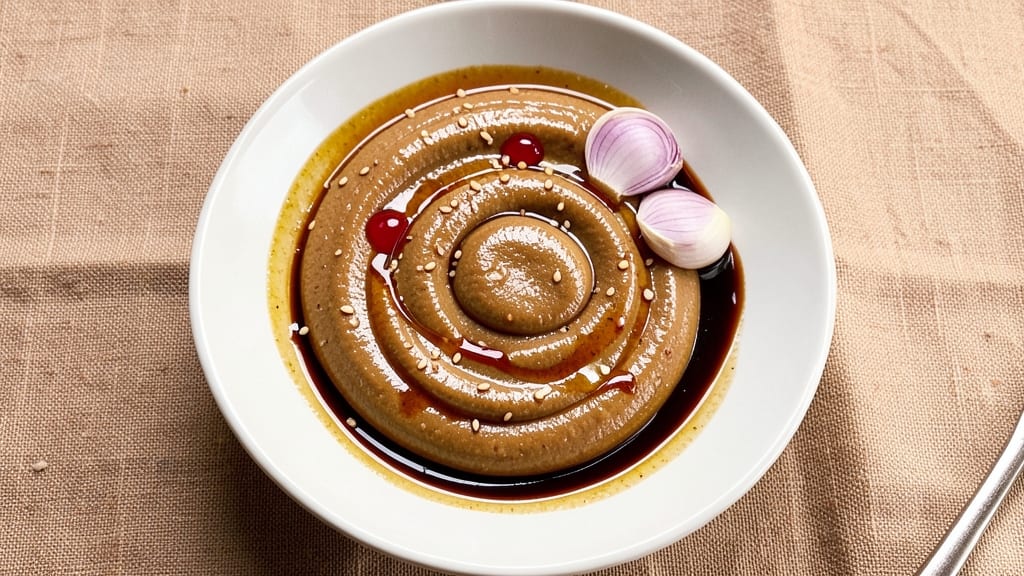
This Asian tahini sauce recipe transforms simple pantry staples into a nutty, creamy dip with a bright citrus twist that elevates everything from roasted vegetables to grilled meats. The secret lies in balancing tahini's rich depth with zesty lemon and aromatic garlic, creating a sauce that's both versatile and restaurant-worthy.
I developed this version after testing countless combinations, ensuring it's foolproof while delivering that perfect harmony of flavors.
The beauty of this sauce is its adaptability—thin it with water for dipping, drizzle it over salads, or use it as a marinade for tofu or chicken. The tahini provides a luxurious creaminess, while the lemon keeps it fresh and vibrant.
Unlike store-bought versions, this recipe avoids artificial additives, making it healthier without sacrificing flavor. With just a few ingredients and 10 minutes of prep, you'll have a sauce that transforms ordinary meals into something extraordinary.
What makes this sauce truly special is its ability to enhance a wide range of dishes. The nutty undertones pair beautifully with spicy foods, while the citrus brightness cuts through richness, making it ideal for everything from Middle Eastern mezze to Asian-inspired bowls.
The texture is velvety yet not overly thick, ensuring it coats ingredients perfectly without overwhelming them. Once you try this, you'll never reach for bottled sauce again.
Storage is a breeze—this sauce keeps in the fridge for up to a week, making it perfect for meal prep. Simply whisk before using to restore its smooth consistency.
Whether you're serving it as a dip, a dressing, or a marinade, this Asian tahini sauce will become a staple in your kitchen. Let’s get started!
Ingredients for asian tahini sauce
Simple pantry staples transform into this velvety sauce with just 10 minutes of blending.
| Ingredient | Amount | Notes |
|---|---|---|
| Tahini 🥜 | ½ cup | Sesame paste, unsweetened |
| Fresh Lemon Juice 🍋 | ¼ cup | From 2-3 lemons, freshly squeezed |
| Garlic Cloves 🧄 | 3 cloves | Fresh, peeled, minced |
| Water 💧 | ½ cup | Room temperature preferred |
| Maple Syrup 🍯 | 1 tbsp | Pure, grade B preferred |
| Soy Sauce 🍶 | 1 tbsp | Tamari for gluten-free option |
| Rice Vinegar 🍶 | 1 tbsp | White or seasoned |
| Sesame Oil 🫒 | 1 tsp | Toasted, for aroma |
| Ground Black Pepper 🌶️ | ¼ tsp | Freshly cracked |
| Sea Salt 🧂 | ½ tsp | Diamond Crystal preferred |
The tahini is the heart of this sauce—look for sesame paste in the international aisle at Whole Foods or Trader Joe's for the most authentic flavor. Toasted sesame oil adds depth, but don't overdo it—just a whisper enhances the aroma. Fresh garlic and lemon are non-negotiable here; bottled versions lack the bright citrus punch. I always grab extra lemons—half goes in the sauce, half gets squeezed over finished dishes for that restaurant-quality finish. The maple syrup balances the richness, but if you prefer something lighter, agave works just as well.
No tahini on hand? Substitute with equal parts peanut butter and water, though the flavor will differ slightly. Short on soy sauce? Coconut aminos or even a pinch of salted capers can mimic the umami. The rice vinegar can be swapped for apple cider vinegar in a pinch, though it'll have a more fruity note. For a smoother texture, blend the garlic first with a splash of water before adding to the sauce. If you're making this ahead, store the dry ingredients separately—just mix with tahini and water when ready to use.
This sauce keeps beautifully in the fridge for up to 7 days, though it's best within the first 3 days. For longer storage, freeze in ice cube trays—thaw and whisk before using. The texture will thicken over time, so always whisk before serving. I double the batch and portion it into small jars for easy dipping or drizzling. The sauce pairs perfectly with roasted vegetables, grilled meats, or fresh spring rolls—just a drizzle elevates everything.
Why You'll Love This Recipe
- Five-Ingredient Magic: I swear, this sauce is one of those rare recipes where you mix tahini, lemon, garlic, and a splash of water, then—boom—it’s better than store-bought. No blenders, no fancy techniques, just a whisk and 10 minutes of your life.
- Umami Bomb: That garlic-tahini combo? It’s like a flavor explosion in your mouth—rich, nutty, and bright all at once. The maple syrup just ties it together with this subtle sweetness that makes it addictive, not cloying.
- Dip Everything: Between us, I’ve used this on grilled chicken, veggie sticks, even as a drizzle for noodles. It’s the ultimate crowd-pleaser—no one ever says no, and it’s way cheaper than buying specialty sauces.
- Stays Fresh: Make a big batch (I do this every Sunday) and it keeps in the fridge for a week. The lemon keeps it from going rancid, and honestly? The more it sits, the deeper the flavor gets. Budget win.
Step-by-step instructions for Asian tahini sauce
This nutty, creamy sauce comes together in minutes with just a whisk and patience.
Whisk Tahini Until Smooth
In a medium bowl, combine the 0.5 cup tahini with 0.5 cup water and 0.25 cup fresh lemon juice. I like to start with just the tahini and water—this helps prevent the mixture from becoming too thick too quickly. Whisk vigorously for 2-3 minutes until completely smooth and free of any graininess. The sauce should look like a pale, creamy paste at this stage.
Here's the thing—tahini can be stubborn. If you see any lumps, don't rush. Keep whisking, and the mixture will eventually come together. The lemon juice is crucial here; it cuts through the richness of the tahini and brightens the entire sauce. If you're using bottled lemon juice, strain it first to remove any pulp that could make the sauce grainy.
Add Sweet and Savory Flavors
Next, add the 1 tbsp maple syrup, 1 tbsp soy sauce, and 1 tbsp rice vinegar to the tahini mixture. Whisk everything together until fully incorporated—about 1 minute. The sauce should now have a slightly thicker consistency, with a balance of sweet, salty, and tangy flavors. Taste it at this point, and you'll notice how the maple syrup rounds out the acidity while the rice vinegar adds a subtle sharpness.
This is where the sauce starts to come alive. The soy sauce brings umami depth, while the rice vinegar adds complexity that makes the tahini sauce taste anything but basic. If you're using tamari for a gluten-free option, the flavor will be slightly more robust, so you might want to reduce the soy sauce slightly to avoid overpowering the dish.
Incorporate Aromatics and Finish
Add the 3 cloves minced garlic, 1 tsp sesame oil, 0.5 tsp sea salt, and 0.25 tsp ground black pepper. Whisk everything together until the garlic is fully distributed and the sauce is smooth. The sesame oil adds a nutty aroma that complements the tahini beautifully, while the garlic and black pepper give it a subtle kick. The salt should be evenly dispersed—taste as you go to ensure the seasoning is balanced.
Real talk: The garlic should be minced finely, not chopped. You want it to dissolve into the sauce rather than create texture. If you're using fresh garlic, let it sit at room temperature for 5 minutes before mincing—this makes it easier to work with and ensures even distribution in the sauce.
Thin to Desired Consistency
If the sauce is too thick, gradually add 1-2 tablespoons of water at a time, whisking well after each addition. You're aiming for a smooth, pourable consistency that coats the back of a spoon. The sauce should be thick enough to cling to foods like dumplings or spring rolls but still flow easily. If it's too thin, let it sit for 5 minutes—the tahini will naturally thicken as it cools.
This is the moment that matters: The sauce should be creamy but not heavy, with a silky texture that coats everything it touches. If you're using this as a dipping sauce, it should be thick enough to hold its shape slightly when drizzled. For a lighter consistency, like for drizzling over noodles, thin it with an extra splash of water or a little more lemon juice.
Pro Tips For Making Asian Tahini Sauce
- Whisk in Stages: Tahini gets thick fast—start by mixing it with half the water first, then add lemon juice and garlic. This prevents clumping and makes blending easier, especially if your tahini’s been sitting in a warm pantry. (I learned this the hard way after scraping globs off my whisk for 10 minutes.)
- Toast the Garlic: Sauté minced garlic in a dry pan for 30 seconds until fragrant and just golden—it adds depth without burning. Skip this, and your sauce will taste flat. (Yes, even if you’re impatient like me.)
- Balance the Lemon: Taste before adding all the maple syrup—some lemons are tart, others mild. Adjust the syrup gradually; you want sweetness to complement, not overpower, the tahini’s nuttiness. (My first batch was cloyingly sweet because I ignored this.)
- Thin with Warm Water: Use water straight from the tap (not ice-cold) to thin the sauce—it blends smoother and won’t shock the tahini’s texture. Cold water makes it seize up like glue. (I now keep a kettle nearby for this exact reason.)
Regional styles of this recipe
Middle Eastern Mezze Style
In the Middle East, tahini sauce is often served as a hummus companion or drizzled over warm pita bread with a sprinkle of toasted sesame seeds. The key difference here is adding 1 tsp ground cumin and ½ tsp smoked paprika to the base recipe for an earthy depth.
Serve with crudités like cucumbers and bell peppers, or use it as a dip for falafel or baba ganoush. The extra spices make it heartier, perfect for mezze platters. 🌶️
Japanese-Inspired Dipping Sauce
For a Japanese twist, replace the soy sauce with 1 tbsp mirin and 1 tsp grated ginger, then add ½ tsp white miso paste for umami. Thin with 1 tbsp warm water instead of room temp to mimic traditional goma-dare textures.
This version pairs beautifully with tempura vegetables or grilled fish. The ginger adds a refreshing zing that balances the tahini’s richness. I love using Kikkoman mirin for that authentic sweetness. 🍶
Thai-Inspired Peanut-Tahini Fusion
Blend 2 tbsp smooth peanut butter into the tahini base and swap soy sauce for 1 tbsp fish sauce (or coconut aminos for vegan). Add 1 tsp lime zest and ½ tsp chili flakes for a Thai-inspired kick.
This sauce is perfect for satay skewers, spring rolls, or rice paper rolls. The peanut butter adds a familiar comfort while keeping the dish exciting. 🌶️
Korean-Inspired Gochujang Twist
For a Korean-inspired version, stir in 1 tbsp gochujang (Korean chili paste) and ½ tsp toasted sesame seeds after blending. The gochujang adds a fermented, slightly sweet heat that elevates the sauce for kimchi pancakes or bulgogi beef.
Use 1 tbsp apple cider vinegar instead of rice vinegar to complement the gochujang’s depth. This version is bold and complex—ideal for spicy food lovers. 🔥
Vietnamese-Inspired Nuoc Cham Style
Create a lighter, brighter version by replacing maple syrup with 1 tbsp coconut sugar and adding 1 tsp fish sauce (or soy sauce). Thin with 2 tbsp warm water and finish with ½ tsp lime zest.
This sauce mimics the balance of nuoc cham and pairs perfectly with pho noodles or fresh summer rolls. The coconut sugar adds a subtle caramel note that’s uniquely Vietnamese. 🍋
Nutrition facts
Frequently asked questions
Can I make this tahini sauce without tahini?
Yes! You can substitute with 2 tablespoons smooth peanut butter plus 1 tablespoon water to mimic the creaminess, though the flavor will be slightly different. For a nut-free option, try 2 tablespoons cashew butter or even 1 tablespoon olive oil mixed with 1 tablespoon water—just adjust the lemon and salt to taste. The texture will be lighter but still delicious.
How do I fix a sauce that's too thick or too thin?
For a thick sauce, whisk in 1 tablespoon water at a time until smooth. If it's too thin, let it sit for 5 minutes—the tahini will naturally thicken as it cools. For extra control, blend 1 teaspoon cornstarch with 1 tablespoon water and stir in slowly to adjust consistency. Always taste as you go!
What are the best ways to use this sauce beyond dipping?
This versatile sauce works as a marinade for tofu, chicken, or shrimp (add 1 tablespoon soy sauce and 1 teaspoon ginger), a dressing for salads or grain bowls, or even a glaze for roasted vegetables. Drizzle it over ramen, pho, or spring rolls for instant flavor. The nutty richness pairs beautifully with spicy dishes too!
Can I make this sauce ahead of time?
Store it in an airtight container in the fridge for up to 7 days. Before using, whisk vigorously to restore its smooth texture. For longer storage, freeze in ice cube trays—thaw and whisk before serving. The flavors actually deepen over time, making it perfect for meal prep.
Why does my tahini sauce separate or get grainy?
This usually happens if the tahini wasn't whisked enough with water first. Always blend the tahini with water and lemon juice until completely smooth before adding other ingredients. If it's already grainy, whisk in 1 teaspoon hot water to emulsify it. For future batches, strain the sauce through a fine-mesh sieve if needed. Patience is key—keep whisking!