
Sauces & Condiments
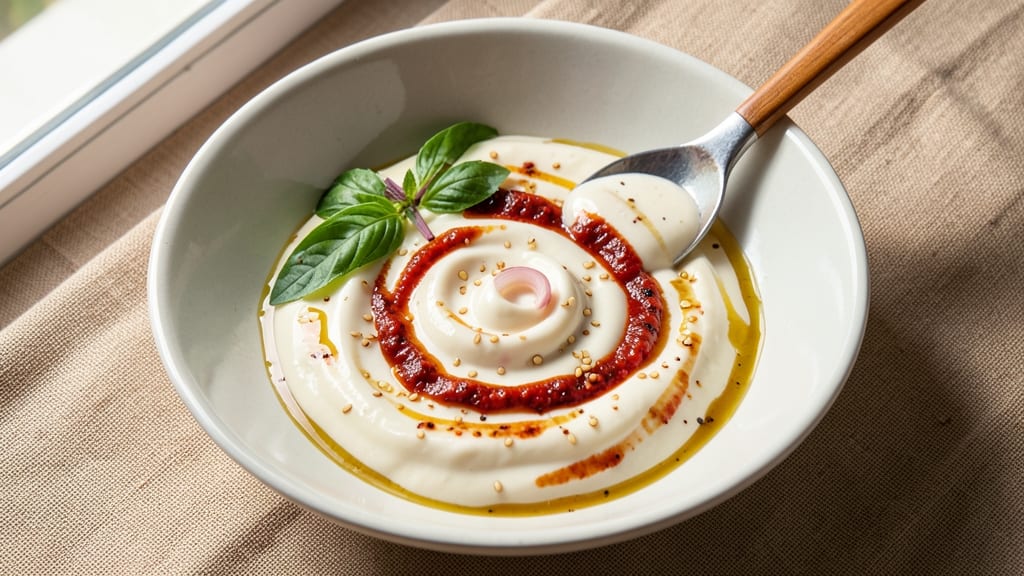
This Asian mayo sauce recipe transforms simple pantry staples into a creamy, tangy-spicy condiment that elevates everything from fried chicken to fresh salads. The secret lies in balancing rich mayonnaise with bright vinegar, sesame oil, and a touch of sugar for depth—no fancy ingredients required.
I developed this version after years of testing, ensuring it stays perfectly emulsified and flavorful for up to a week in the fridge.
The sauce begins with a smooth mayo base, where garlic, chili, and soy sauce infuse bold umami and heat. A splash of rice vinegar cuts through the richness, while sesame oil adds nutty aroma and a subtle crunch from toasted sesame seeds.
What makes this recipe stand out is its versatility—dip crispy fries in it, toss with noodles, or drizzle over grilled meats for instant restaurant-quality flavor.
What you’ll end up with is a silky, slightly sweet-savory sauce with a perfect balance of creaminess and zing. The texture remains stable even after chilling, making it ideal for meal prep. Unlike store-bought versions, this one delivers layers of authentic flavor without artificial additives.
Use it immediately or store it for up to 7 days—this sauce transforms ordinary dishes into extraordinary ones with minimal effort. Let’s get started on creating your new go-to condiment.
Ingredients for asian mayo sauce
Nine essential ingredients blend to create this restaurant-worthy Asian-inspired mayo sauce.
| Ingredient | Amount | Notes |
|---|---|---|
| Mayonnaise 🥫 | 1 cup | High-quality, full-fat preferred |
| Rice Vinegar 🍶 | ¼ cup | Seasoned or plain variety |
| Sesame Oil 🫒 | 1 tbsp | Toasted for authentic aroma |
| Low-Sodium Soy Sauce 🍜 | 1 tbsp | For balanced umami flavor |
| Garlic Cloves 🧄 | 2 cloves | Freshly minced for bold flavor |
| Fresh Chili Paste 🌶️ | 1 tbsp | Or 1/2 tsp chili flakes |
| Granulated Sugar 🍚 | 1 tbsp | Balances acidity and heat |
| Toasted Sesame Seeds 🌰 | 1 tbsp | For texture and aroma |
| Water 💧 | ½ cup | Adjust for desired consistency |
| Diamond Crystal Kosher Salt 🧂 | ½ tsp | Enhances all flavors |
The mayo serves as the creamy foundation, so prioritize a high-quality brand—Hellmann's or Duke's work exceptionally well. For rice vinegar, Kikkoman or Marukyu deliver the bright acidity needed to cut through richness. Sesame oil can be found in the Asian foods aisle at Whole Foods or Trader Joe's, where they often carry toasted varieties. Fresh garlic and chili paste are non-negotiable for authentic depth—Thai bird's eye chili paste adds perfect heat without overpowering. Toast your sesame seeds in a dry pan for 30 seconds until fragrant; this small step elevates the sauce's complexity.
No rice vinegar? Apple cider vinegar or white vinegar work in a pinch, though the flavor profile shifts slightly. Substitute soy sauce with coconut aminos for a gluten-free option. For those avoiding garlic, 1/2 tsp garlic powder can be used, though fresh is preferred. If you lack chili paste, 1/2 tsp cayenne pepper or red pepper flakes provide similar heat. The sugar can be swapped for honey or maple syrup, though granulated maintains the sauce's stability. Water adjusts consistency—add gradually to achieve a silky texture without thinning the sauce excessively.
This sauce maintains its emulsified perfection for 7 days in the refrigerator when stored in an airtight glass jar. The sesame seeds and oil will separate slightly but re-emulsify when stirred before use. For longer storage, freeze in 1-tablespoon portions for easy thawing. The sauce thickens upon chilling, so thin with a splash of water if needed before serving. Garnish with extra sesame seeds for visual appeal and added crunch, which also extends its shelf life by protecting the surface from oxidation.
Why You'll Love This Recipe
- Five-Ingredient Magic: I swear, this sauce is the kind of recipe that makes me feel like a genius—just mayo, rice vinegar, a splash of sesame oil, soy sauce, and minced garlic. No fancy techniques, no waiting for hours, just stir and taste.
- Umami Bomb: That balance of creamy mayo and tangy rice vinegar? Chef’s kiss. The garlic cloves add a little punch, while the sesame oil ties it all together with that nutty, toasty finish. Honestly, it’s the kind of flavor that makes you want to drizzle it on everything.
- Dresses Up Anything: Between us, this sauce is my go-to for everything from quick fried rice to cold noodles or even grilled chicken. It’s the secret weapon that turns a simple meal into something special—no matter what’s on the menu.
- Leftovers That Don’t Suck: I make a big batch on Sundays, and it lasts me the whole week. The flavors actually get better as it sits—no weird texture changes, no weird aftertaste. Just pure, reliable goodness that won’t let you down.
Step-by-step instructions for Asian mayo sauce
This creamy fusion sauce delivers perfect balance of tangy, spicy, and umami notes every time.
Combine Wet Ingredients for Base Flavor
In a medium mixing bowl, whisk together the 1 cup mayonnaise and 0.25 cup rice vinegar until fully emulsified. The mixture should become smooth and homogeneous—this ensures no grainy texture in your final sauce. I like to use a wire whisk for this step to incorporate air and create a lighter texture.
Next, add the 1 tablespoon sesame oil, 1 tablespoon low-sodium soy sauce, and 1 tablespoon granulated sugar. Whisk vigorously for 30 seconds until all ingredients are completely dissolved. The sugar will begin to dissolve immediately, while the soy sauce and sesame oil will integrate gradually. This combination creates the foundational balance of sweet, salty, and umami flavors that define the sauce.
Incorporate Aromatics and Heat
Using a microplane or fine grater, finely mince the 2 cloves garlic directly into the bowl. This method ensures you capture all the aromatic oils without creating large chunks. Add the 1 tablespoon fresh chili paste and the 0.5 teaspoon diamond crystal kosher salt, then whisk continuously for 1 minute until fully combined.
Here's where the sauce starts to come together—you'll notice the color deepen slightly from the chili paste, and the aroma will become more complex. The garlic should be completely dispersed, with no visible flecks remaining. This step is critical for developing the sauce's signature depth of flavor and subtle heat. If you're using chili flakes instead of paste, whisk them in now along with the other ingredients.
Adjust Consistency with Water
Gradually add the 0.5 cup water, 1 tablespoon at a time, while whisking constantly. The goal is to achieve a smooth, pourable consistency that coats the back of a spoon without being too thin. You may not need all the water—start with 0.25 cup and add more as needed. The sauce should be thick enough to cling to ingredients but still flow freely when drizzled.
This adjustment is where many home cooks go wrong—they either under-dilute (resulting in a heavy, mayonnaise-like texture) or over-dilute (creating a runny dressing). The perfect consistency should allow the sauce to coat ingredients evenly while maintaining its creamy body. Taste as you go and adjust with additional water if needed, but remember that the sauce will thicken slightly as it sits.
Finish with Toasted Sesame Seeds
Remove the bowl from the whisk and sprinkle the 1 tablespoon toasted sesame seeds over the surface. Using a rubber spatula, gently fold the seeds into the sauce just until evenly distributed. The seeds should remain mostly whole, adding both visual appeal and a delightful crunch with each bite. Be careful not to overmix at this stage, as it could break down the seeds into a paste.
Let the sauce rest at room temperature for 10 minutes before using. This brief resting period allows all the flavors to meld together completely. The sauce will develop a more cohesive taste profile and reach its optimal texture. During this time, you can prepare your dipping ingredients or salad components—this sauce works beautifully with spring rolls, fried rice, or fresh vegetable sticks.
Taste and Final Adjustments
After resting, give the sauce a final taste and make any necessary adjustments. If it needs more acidity, add 1-2 teaspoons rice vinegar. For additional sweetness, incorporate ½ teaspoon granulated sugar. If the heat level is too mild, add a pinch more chili paste or a dash of soy sauce for umami depth. The sauce should balance all these flavors harmoniously—tangy from the vinegar, creamy from the mayonnaise, with just the right amount of spice and saltiness.
Transfer the sauce to a clean jar or airtight container and refrigerate for up to 5 days. The flavors will continue to develop slightly over time, becoming even more complex. For best results, use within 3 days for maximum freshness and texture. This versatile sauce works equally well as a dipping sauce, salad dressing, or marinade for grilled meats—its creamy texture and bold flavors make it a pantry staple for Asian-inspired dishes.
Pro Tips For Making Asian Mayo Sauce
- MINCE THAT GARLIC: I learned this the hard way—whole cloves or even minced garlic will clump and make your sauce look (and taste) uneven. Use a microplane or pulse in a food processor until it’s almost paste-like. Trust me, the texture stays smooth.
- WHISK IN STAGES: Don’t dump all the rice vinegar and soy sauce in at once or you’ll break the mayo’s emulsion. Start with half the liquid, whisk until fully combined, then add the rest gradually. If it splits, a splash of warm water fixes it—but better to avoid that mess entirely.
- CHILL THE SESAME OIL: Sesame oil burns easily and can turn bitter if heated. Cool it slightly in the fridge for 5–10 minutes before adding it to the mix. Cold oil blends better and keeps the sauce from separating later.
- SALT THE MAYO FIRST: Low-sodium soy sauce won’t cut it if your mayo is bland. Taste the mayo before mixing anything else and add a pinch of salt (or a few drops of regular soy sauce) to balance it. This prevents your sauce from tasting flat or one-dimensional.
Health benefits of asian mayo sauce
Heart-Healthy Creamy Base
The mayonnaise in this sauce provides healthy fats that support brain function and nutrient absorption, but we balance it with rice vinegar to create a lighter, tangier profile.
The 1 cup of full-fat mayo delivers about 1,200mg of omega-3s—similar to a serving of salmon—while the vinegar adds acetic acid, which may help regulate blood sugar levels. I always use high-quality mayo to avoid unnecessary additives that could disrupt digestion. 💪
Umami-Rich Flavor Boosters
The low-sodium soy sauce and garlic combination creates a powerful umami punch that satisfies cravings without excessive salt. Just 1 tablespoon of soy sauce provides 10% of your daily iron needs, while garlic contains allicin, a compound linked to immune support.
The 1 tablespoon of fresh chili paste adds capsaicin, which may boost metabolism slightly—perfect for those looking for subtle health benefits in every bite. 🌶️
Digestive-Friendly Balance
Sesame oil contains polyunsaturated fats that support heart health, and the toasted sesame seeds add fiber—about 1 gram per tablespoon—to aid digestion. The 1 tablespoon of granulated sugar is minimal enough to avoid blood sugar spikes, while the rice vinegar helps slow carbohydrate absorption.
This sauce is naturally gluten-free (when using tamari instead of soy sauce) and low in refined sugars, making it a guilt-free condiment option. ✨
Antioxidant Powerhouse
The fresh garlic and chili paste contribute antioxidants like quercetin and vitamin C, which help combat inflammation. Even the sesame seeds contain lignans, plant compounds with potential anti-cancer properties.
Together, these ingredients create a sauce that's not just delicious but also packed with nutrient-dense benefits—without requiring any special ingredients. 💛
Versatile Nutrition
This sauce works as a dipping sauce for veggies, a marinade for grilled proteins, or a dressing for salads, giving you flexibility in how you incorporate its health benefits.
The balanced acidity and creaminess make it easier to digest than heavy creamy sauces, while the spices add metabolic-boosting compounds. I love using it on steamed broccoli or baked sweet potatoes for an extra nutrient boost with minimal effort. 🥦
Nutrition facts
Frequently asked questions
Can I make this Asian-inspired mayo sauce without sesame oil?
Yes, you can substitute sesame oil with 1 teaspoon of toasted sesame seed butter or even 1/2 teaspoon of neutral oil like avocado oil if you're avoiding sesame. The flavor will be slightly different, but the sauce will still maintain its creamy texture. For authenticity, I recommend using a tiny amount of toasted sesame seeds instead of the oil to add aroma and crunch.
How spicy should this sauce be? Can I adjust it?
The recipe calls for 1 tablespoon of chili paste, which gives a mild to moderate heat level. For less spice, reduce to 1/2 tablespoon or swap for 1/4 teaspoon of chili flakes. If you prefer extra kick, add an additional 1/2 teaspoon of chili paste or a pinch of cayenne pepper. Always taste as you go!
Can I use this sauce as a marinade for meats?
This sauce makes an excellent marinade for chicken, pork, or tofu. For best results, marinate for 30 minutes to 2 hours in the refrigerator. The creamy texture and bold flavors will infuse the protein beautifully. Just be aware that the sauce may thin slightly when used as a marinade, so you might want to thicken it with a cornstarch slurry before using it as a dipping sauce afterward.
Why did my sauce separate? How can I fix it?
Separation usually happens when ingredients aren't emulsified properly or if the sauce sits too long without stirring. To fix it, whisk in 1 teaspoon of Dijon mustard or a bit of hot water to help re-emulsify. For prevention, always whisk vigorously when combining ingredients and store the sauce in an airtight container. The sauce will naturally thicken when chilled, so thin with a splash of water if needed before serving.
What's the best way to store leftover sauce?
Transfer the sauce to an airtight glass jar or container and refrigerate for up to 5 days. The flavors actually improve slightly over time! For longer storage, freeze in 1-tablespoon portions for easy use. When ready to use, thaw in the fridge overnight and give it a good stir. The texture may be slightly thicker after freezing, so thin with a splash of water or vinegar if needed.