
Sauces & Condiments
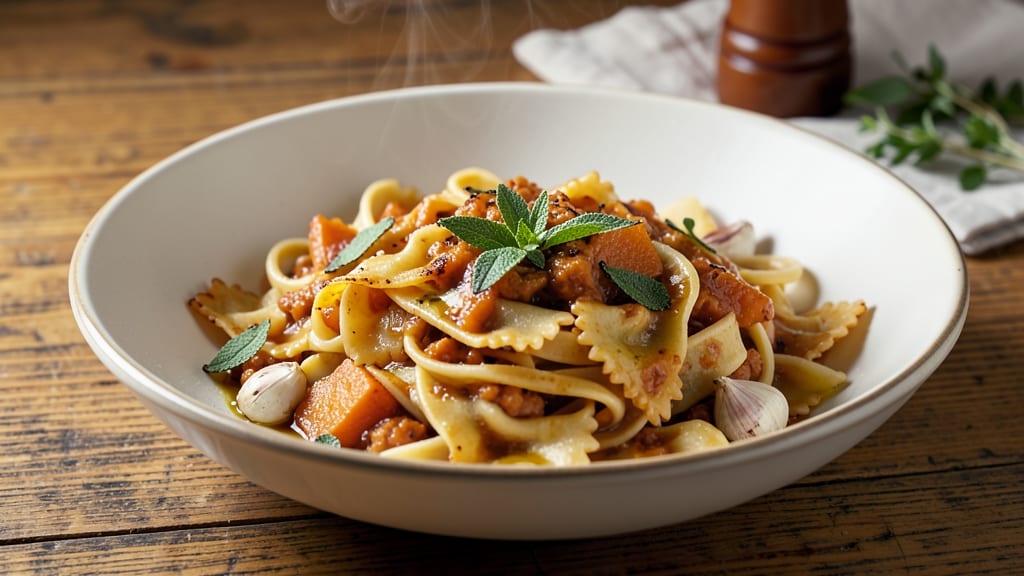
This autumn pasta sauce recipe transforms simple ingredients into a velvety masterpiece that captures the essence of fall. 🍂 The secret lies in roasted butternut squash and fresh sage, which infuse the sauce with natural sweetness and earthy depth.
Unlike store-bought versions, this recipe builds layers of flavor through slow simmering and emulsification, creating a sauce that clings to pasta like a restaurant-quality embrace.
The process starts with roasting the squash until caramelized, then blending it into a silky base. A splash of white wine and a touch of cream add richness without overpowering the seasonal flavors.
What sets this sauce apart is the balance—sweet from the squash, savory from the sage, and a hint of nutmeg for warmth. It's the kind of sauce that elevates ordinary pasta into something extraordinary, perfect for cozy weeknight dinners or impressing guests.
What you'll end up with is a creamy, velvety sauce with a perfect consistency—thick enough to coat each noodle but light enough to let the pasta shine.
The aroma alone will fill your kitchen with the comforting scents of autumn, while the first bite delivers a harmonious blend of sweet, savory, and herbal notes. This isn't just a sauce; it's a flavor experience that transforms any meal.
Best of all, this sauce keeps beautifully in the refrigerator for up to 5 days, making it ideal for meal prep. Whether you're serving it over fresh pasta or using it as a standalone condiment, it's a game-changer for autumn cooking. Let's create this rich, velvety masterpiece together.
Ingredients for autumn pasta sauce
Nine simple ingredients create this velvety autumn masterpiece—roasted squash and sage shine bright.
| Ingredient | Amount | Notes |
|---|---|---|
| Butternut Squash 🎃 | 2 cups | Cubed, roasted until caramelized |
| Fresh Sage Leaves 🌿 | ½ cup | Packed, stems removed |
| Extra-Virgin Olive Oil 🫒 | ½ cup | High quality, fruity |
| Dry White Wine 🍷 | ½ cup | Bold, dry variety |
| Heavy Cream 🥛 | ½ cup | Full-fat for richness |
| Garlic Cloves 🧄 | 3 cloves | Peeled, minced |
| Ground Nutmeg 🌶️ | ¼ tsp | Freshly grated preferred |
| Salt 🧂 | 1 tsp | Diamond Crystal preferred |
| Black Pepper 🌶️ | ½ tsp | Freshly ground |
| Pasta Water 🍝 | 1 cup | Reserved from cooking pasta |
The butternut squash is where the magic happens. Look for sweet, firm squash—the smaller ones at Whole Foods or Trader Joe's tend to be sweeter. Roast it until caramelized (about 30 minutes at 400°F), then blend into a silky base. Fresh sage is non-negotiable here—the dried stuff won't cut it. If you're worried about waste, use half for the sauce and the other half for garnish. The white wine should be something you'd drink—Sauvignon Blanc or Pinot Grigio work perfectly.
No white wine? Substitute extra chicken broth—just add a splash of lemon juice to mimic the acidity. Fresh sage too expensive? Dried oregano at half the amount gives a similar earthy note. The heavy cream is what makes this sauce velvety—don't use light cream or half-and-half. For a lighter option, swap in coconut milk (full-fat) and add a pinch of salt to balance. The pasta water is key—it helps emulsify the sauce for that perfect cling. Save about 1 cup when cooking your pasta (before draining).
This sauce tastes even better the next day as flavors meld. Store in an airtight container in the fridge for up to 5 days. Freeze portions in ice cube trays for easy single-use servings—perfect for meal prep. To reheat, warm gently on the stove with a splash of pasta water or milk. The nutmeg keeps for months in a cool, dark place, but the sage? Use it up within 1 week of purchase for maximum flavor.
Why You'll Love This Recipe
- Same sauce, different vibes: toss with pappardelle for a cozy Tuesday, or drizzle over polenta for guests. The wine and cream make it feel fancy, but it’s still my lazy-night go-to.
- One-Pot Magic: I swear by this sauce because it’s all in one skillet—roast the squash while you sauté the garlic, then just deglaze with wine and stir. No extra bowls, no mess, just pure ease.
- Sage & Cream Dream: That first whiff of sage hitting the hot oil? Chef’s kiss. The butternut squash adds natural sweetness, the wine cuts through the richness, and the cream ties it all together—like autumn in a bowl.
- Weeknight to Dinner Party: Same sauce, different vibes: toss with pappardelle for a cozy Tuesday, or drizzle over polenta for guests. The wine and cream make it feel fancy, but it’s still my lazy-night go-to.
Step-by-step instructions for spiced squash and sage pasta sauce
This velvety sauce comes together in minutes—where autumn flavors meet creamy perfection.
🍳 Step 1: Sauté Garlic and Sage Until Fragrant
Heat the 0.5 cup extra-virgin olive oil in a large skillet over medium heat. Add the 3 minced garlic cloves and cook for 30 seconds until just beginning to turn golden—don't let them brown or they'll turn bitter. Then add the 0.5 cup packed fresh sage leaves and stir for 1-2 minutes until the leaves wilt and release their piney aroma.
Here's the thing—sage burns fast, so keep your heat at medium and stir constantly. You want the leaves to soften and perfume the oil without crisping. When the sage smells intensely aromatic and looks slightly shriveled, it's ready for the next step. Remove the skillet from heat for now—we'll come back to it.
🔥 Step 2: Caramelize the Roasted Butternut Squash
Return the skillet to medium heat and add the 2 cups roasted butternut squash. Stir gently, letting the squash warm through for 3-4 minutes while absorbing all that fragrant oil. The squash should be caramelized from roasting, but if it looks pale, add a pinch of salt to help it brown slightly.
This is where the sauce's depth comes from—the roasted squash brings natural sweetness and earthy notes. If you're using store-bought roasted squash, make sure it's properly caramelized (edges slightly browned) before adding it. The residual heat from the pan will finish cooking it while developing flavor.
🍷 Step 3: Deglaze with Wine and Reduce
Pour in the 0.5 cup dry white wine and scrape up any browned bits from the bottom of the pan using a wooden spoon—those bits are pure flavor. Let the wine simmer for 3-4 minutes until reduced by half and slightly syrupy in texture.
Real talk: don't rush this step. The alcohol needs time to cook off, leaving behind just the wine's rich, fruity essence. You'll know it's ready when the liquid reduces to about 2 tablespoons and coats the back of a spoon. If it reduces too quickly, just lower the heat slightly—patience here makes all the difference.
🥘 Step 4: Build the Creamy Base
Stir in the 0.5 cup heavy cream, 0.25 tsp ground nutmeg, 1 tsp salt, and 0.5 tsp black pepper. Simmer gently for 4-5 minutes until the sauce thickens slightly and becomes velvety smooth. Taste and adjust seasoning—you might need a touch more salt to balance the sweet squash.
The nutmeg adds that signature autumn warmth, while the cream creates luxurious richness. If the sauce looks too thick, add 2-3 tablespoons of the 1 cup reserved pasta water to reach your desired consistency. Here's where it gets fun—toss in your cooked pasta and let it soak up all that glorious sauce.
🍽️ Step 5: Finish with Pasta Water for Perfection
Add the cooked pasta to the skillet and toss gently for 1-2 minutes, adding more of the 1 cup reserved pasta water as needed to create a silky sauce that clings beautifully. The starchy pasta water is magic—it emulsifies the sauce and makes it cling to every strand.
Serve immediately while still warm, garnished with a sprinkle of fresh sage leaves if you're feeling fancy. Each bite should deliver creamy richness, caramelized squash sweetness, and that earthy sage aroma that screams autumn. This sauce keeps well for 3-4 days in the fridge—just reheat gently with a splash of pasta water to restore its silky texture.
Pro Tips For Making Autumn Pasta Sauce
- Sear the Squash First: Peel and dice the butternut squash, then toss it in a dry skillet over medium-high heat for 3-4 minutes before adding oil. This jumpstarts the caramelization—no extra oil needed—and gives the sauce a deeper, nuttier base. (Yes, it’ll look like you’re making a mess, but that’s how the magic happens.)
- Deglaze with Wine Immediately: As soon as you remove the seared squash, pour in the white wine without scraping the pan first—let the alcohol work its way through the browned bits for 30 seconds. Then scrape. This extracts more flavor than a rushed deglaze, and the sauce won’t taste like you’re just simmering wine.
- Toast the Sage Whole: Tear the sage leaves in half (not chopped) and fry them in olive oil for 10 seconds until just crisp at the edges. Remove them immediately—they’ll finish cooking in the sauce later. Whole leaves infuse better and don’t turn the sauce bitter. (Save the crispy ones for garnish; they’re the best part.)
- Temper the Cream Slowly: Warm the heavy cream separately until steaming, then ladle it into the simmering squash sauce gradually, whisking constantly. Dumping cold cream into hot sauce curdles it faster than you can say “ruined dinner.” If it thickens too much, add a splash of pasta water—it’s the secret fix.
Make-ahead tips for leftovers
Prep Ahead Secrets
Roast the butternut squash 1-2 days ahead and store it in an airtight container in the fridge. The flavors intensify as it sits, becoming even sweeter and more caramelized. I like to roast a big batch—it's perfect for this sauce and other autumn dishes like risotto or soups. 🎃
Sauce Storage Hacks
After making the sauce, let it cool completely before transferring to glass storage containers (I use Pyrex with tight-sealing lids). It keeps for 5 days in the fridge, but the texture improves after 24 hours as the flavors meld.
For longer storage, freeze portions in ice cube trays—just thaw and stir into pasta later.
Pasta Prep Tricks
Cook your pasta 1 day ahead and store it in the fridge with a sprinkle of salt on top to prevent sticking. When reheating, use the reserved pasta water from the original cook to restore that perfect al dente texture.
I also like to make a big pot of pasta and freeze half in ziplock bags for quick meals later.
Freezer-Friendly Sauce
This sauce freezes beautifully for up to 3 months. Portion it into silicone molds or small jars, leaving ½ inch headspace for expansion.
When ready to use, thaw overnight in the fridge, then reheat gently on the stove with a splash of milk or pasta water to restore its velvety consistency. 🥛
Make-Ahead Meal Plan
Combine all elements for a complete make-ahead strategy: roast the squash, make the sauce, and cook the pasta separately. Store each component in the fridge for 3-4 days.
When ready to serve, simply reheat the sauce, toss with fresh pasta, and garnish with extra sage. This system saves 30 minutes on busy weeknights while keeping meals restaurant-quality.
Nutrition facts
Frequently asked questions
Can I make this sauce without wine?
Yes! Substitute the 0.5 cup dry white wine with an equal amount of chicken or vegetable broth. Add a splash of lemon juice (about 1 teaspoon) to mimic the wine's acidity. The sauce will still develop depth, though the flavor profile will be slightly different—more savory than fruity.
What's the best pasta shape for this sauce?
This rich sauce works beautifully with fettuccine, pappardelle, or penne—any shape with ridges or flat surfaces helps the sauce cling. For extra indulgence, try fresh egg pasta like tagliatelle, which absorbs the creamy sauce like a dream. Avoid small shapes like orzo, as they can get lost in the velvety texture.
How can I make this sauce dairy-free?
Replace the 0.5 cup heavy cream with full-fat coconut milk (or a dairy-free cream alternative). Add 1 teaspoon nutritional yeast for a cheesy flavor and ½ teaspoon salt to balance the coconut's mild taste. The sauce will still be creamy but with a subtle tropical note that pairs surprisingly well with autumn spices.
Why did my sauce turn grainy?
Graininess usually happens when the sauce separates or the cream breaks. To fix it, whisk in 1-2 tablespoons of reserved pasta water while heating gently on low. If that doesn't work, stir in 1 teaspoon of cornstarch mixed with 1 tablespoon water to help emulsify. For prevention, always add the cream at the end and keep heat medium-low when simmering.
Can I use other autumn vegetables in this sauce?
Swap butternut squash for roasted acorn squash, caramelized onions, or sautéed mushrooms. For extra depth, add ½ cup diced roasted delicata squash or 1 cup sautéed kale (wilted first). Just adjust the liquid balance—some veggies release more moisture than others. The key is roasting or caramelizing first to develop natural sweetness.