
Sauces & Condiments
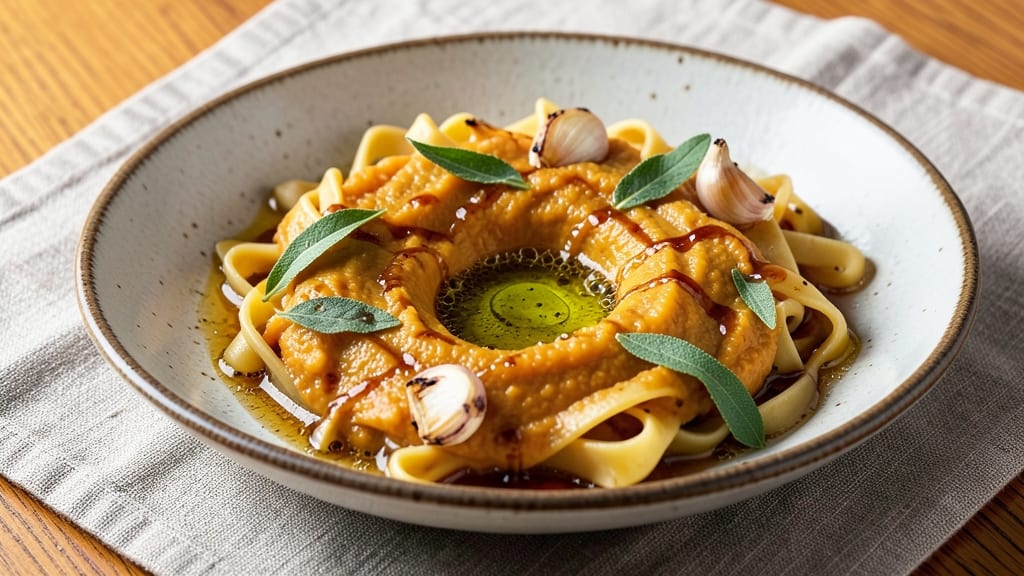
This autumn harvest pasta sauce transforms humble squash and sage into velvety richness that elevates any pasta dish. 🍂 The secret lies in roasting butternut squash until caramelized, then blending it into a silky base that simmers into a deep, aromatic sauce with just the right balance of sweetness and earthiness.
What makes this sauce special is how it captures the essence of fall—warm spices, fresh herbs, and a touch of apple cider vinegar that brightens every bite.
Creating this sauce requires only 10 minutes of prep and 20 minutes of simmering, making it perfect for weeknight dinners or meal prep. The roasted squash adds natural sweetness while the sage infuses a subtle, earthy depth that pairs beautifully with creamy pasta.
Unlike store-bought sauces, this one delivers layers of flavor that develop as it simmers, ensuring every spoonful is rich and satisfying.
The result is a sauce so versatile it works with any pasta—toss it with al dente penne, twirl it into fettuccine, or even drizzle it over grilled chicken. The texture is velvety yet not overly thick, clinging perfectly to each noodle while maintaining its vibrant color.
What’s more, this sauce keeps well in the fridge for up to 5 days, making it ideal for batch cooking and freezer-friendly storage.
For added depth, stir in a splash of red wine or a pinch of smoked paprika while simmering. The possibilities are endless, but the foundation—roasted squash, fresh sage, and a touch of apple cider—remains the heart of this autumnal masterpiece.
Let’s create this sauce that tastes like fall in every bite.
Ingredients for autumn harvest pasta sauce
Roasted squash and fresh sage form the heart of this velvety autumn sauce.
| Ingredient | Amount | Notes |
|---|---|---|
| Butternut Squash 🎃 | 2 lbs | Medium-sized, peeled and cubed |
| Fresh Sage Leaves 🌿 | ½ cup | Stems removed, loosely packed |
| Extra-Virgin Olive Oil 🫒 | ½ cup | High quality, fruity |
| Garlic Cloves 🧄 | 4 cloves | Peeled, roughly chopped |
| Apple Cider Vinegar 🍎 | 2 tbsp | Unfiltered preferred |
| Vegetable Broth 💧 | 1 ½ cups | Low-sodium preferred |
| Creamy Tomato Sauce 🍅 | 1 cup | Canned or homemade |
| Onion 🧅 | 1 whole | Yellow or red, diced |
| Smoked Paprika 🌶️ | 1 tsp | For depth and color |
| Ground Black Pepper 🌶️ | ½ tsp | Freshly ground preferred |
The butternut squash is the star—look for small to medium-sized squash at your local market, as they’ll have a sweeter, less fibrous texture. Trader Joe's and Whole Foods often carry organic varieties with vibrant color, which translates to better flavor. If you can’t find fresh squash, canned pumpkin puree (unsweetened) works in a pinch, though fresh roasted squash gives that unmatched caramelized depth. For the sage, fresh is non-negotiable here—dried sage lacks the bright, earthy aroma that makes this sauce sing. Buy it in small bunches and store it loosely wrapped in the fridge for up to 2 weeks.
No butternut squash? Acorn or kabocha squash are excellent substitutes—they’re sweeter and hold up well to roasting. Running out of fresh sage? Fresh thyme or rosemary at half the amount can mimic its earthy notes, though it won’t be identical. The apple cider vinegar adds brightness, but white wine vinegar or lemon juice will work if you’re out. For the tomato sauce, San Marzano canned tomatoes are ideal—they’re sweeter and less acidic, but any quality canned tomato sauce will do. If you’re feeling adventurous, swap the vegetable broth for a red wine reduction to deepen the sauce’s richness.
This sauce tastes even better the next day as the flavors meld together. Store it in an airtight container in the fridge for up to 5 days, or freeze portions for 3 months—it reheats beautifully. For meal prep, double the batch and freeze half. When reheating, add a splash of water or broth to prevent thickening. The sauce thickens as it cools, so adjust with a little broth if it’s too stiff when served. A drizzle of extra-virgin olive oil before serving adds a luxurious finish.
Why You'll Love This Recipe
- No-Chop Shortcut: I roast the squash whole—yes, really—so I skip the peeling and dicing mess. Just score it, bake it, and scoop out the sweet, caramelized flesh straight into the pan.
- Sagey, Garlicky Magic: That first hit of crispy sage and garlic in olive oil? It’s like autumn in a spoonful. The vinegar brightens everything—no heavy cream needed, just pure, cozy flavor.
- Pantry-to-Table Flex: Use it over pasta, toss it with roasted chicken, or drizzle it on toasted bread. I’ve even used it as a dip for crusty bread when I’m too tired for a full meal.
- Budget-Friendly Leftovers: Butternut squash stretches like crazy, and the sauce only gets better the next day. I make a big batch, freeze half, and still have enough for lunches all week—no takeout needed.
Step-by-step instructions for autumn harvest pasta sauce
Transform seasonal produce into a velvety sauce that clings perfectly to pasta.
🔥 Step 1: Roast the Squash and Onion Until Caramelized
Preheat your oven to 400°F. Toss the 2 lbs butternut squash and 1 whole onion (diced) with 0.25 cup of the 0.5 cup extra-virgin olive oil, 1 tsp smoked paprika, and 0.5 tsp ground black pepper. Spread evenly on a rimmed baking sheet.
Roast for 30-35 minutes until the squash is tender when pierced with a fork and the edges are deep golden brown. The onions should be caramelized with soft edges. Here's the thing—don't skip checking for doneness at 25 minutes because oven temps vary. You want that sweet, jammy texture that forms the sauce's rich foundation.
🍳 Step 2: Sauté Garlic and Sage in the Roasted Oil
While the squash roasts, heat a large skillet over medium heat. Add the remaining 0.25 cup extra-virgin olive oil (from the roasted vegetables) to the pan. Once hot, add the 4 cloves garlic cloves and 0.5 cup fresh sage leaves.
Sauté for 2-3 minutes until the garlic is fragrant and just beginning to turn golden—don't let it burn. The sage should wilt slightly but maintain its vibrant green color. This step builds aromatic depth that carries through the entire sauce. If the garlic starts to darken too quickly, reduce heat to medium-low immediately.
🥘 Step 3: Blend Roasted Vegetables with Broth
Transfer the roasted squash and onions to a blender or food processor. Add the 1.5 cups vegetable broth and 2 tbsp apple cider vinegar. Blend until completely smooth, scraping down the sides as needed. The mixture should be silky with no visible chunks.
Return the blended mixture to the skillet with the garlic-sage oil. Bring to a gentle simmer over medium heat for 5 minutes to develop flavors. Here's where it gets good—the acidity from the vinegar brightens the sweetness of the roasted vegetables while the broth deepens the sauce's body.
🍲 Step 4: Finish with Tomato Sauce and Season
Stir in the 1 cup creamy tomato sauce and simmer for another 5-7 minutes until the sauce thickens slightly. Taste and adjust seasoning—you might need a pinch more salt or black pepper. The sauce should coat the back of a spoon with a velvety consistency.
For serving, keep the sauce warm at low heat or transfer to a saucepan to reheat. This sauce tastes even better the next day as flavors meld further. The perfect balance of sweet roasted squash, earthy sage, and tangy tomato creates a sauce that pairs beautifully with any pasta shape.
Pro Tips For Making Autumn Harvest Pasta Sauce
- ROAST SQUASH UNTIL TENDER: I learned this the hard way—don’t just go by color. Cut the butternut squash into 1-inch cubes, toss them in olive oil, and roast at 400°F (200°C) for 25-30 minutes, flipping halfway. You want them fork-tender, not mushy, so they’ll blend into a velvety sauce rather than turn to glue.
- SAUTE GARLIC LOW AND SLOW: High heat burns garlic faster than you can blink. Over medium-low, add the minced cloves to the olive oil and cook just until fragrant—about 2 minutes—so they add aroma without bitterness. This keeps the sauce’s bright, fresh flavor instead of a smoky aftertaste.
- ADD VINEGAR LAST: I used to toss in the apple cider vinegar early, thinking it’d meld better. Wrong. Stir it in right before serving—it brightens the sauce instantly and keeps the sage’s herbal notes from getting dulled. A splash (1-2 tablespoons) is enough; you’re balancing, not pickling.
- SALT THE SQUASH WHILE ROASTING: Don’t wait until the end. Sprinkle the butternut squash cubes with ½ teaspoon salt per pound before roasting. It deepens the caramelization and seasons the sauce from the start—no afterthought flavor here. (Yes, even if you’re impatient like me.)
Best sauces and condiments for this autumn harvest pasta sauce
Roasted Garlic & Sage Oil
The secret to this sauce’s depth lies in the roasted garlic-sage oil used in Step 2. I always use fresh garlic (never jarred) because it adds a sweet, mellow flavor that complements the roasted squash.
For extra richness, add 1 tbsp unsalted butter to the pan with the garlic—it creates a silky emulsion that elevates the sauce’s texture. 🌿
Tomato Sauce Swaps
While creamy tomato sauce is the base, you can customize it to your taste. For a lighter version, use San Marzano crushed tomatoes (simmered for 10 minutes) instead of canned sauce. If you prefer tang, add 1 tbsp balsamic vinegar at the end.
For a smoky twist, swap ½ tsp smoked paprika for ½ tsp chipotle powder—it adds warmth without overpowering the autumn flavors.
Vegetarian Protein Boost
This sauce pairs perfectly with plant-based proteins. Toss it with white beans (½ cup per serving) for a hearty dish, or stir in crumbled tempeh (½ cup) for a nutty crunch.
For extra richness, fold in nutritional yeast (2 tbsp) to mimic a cheesy flavor. The roasted squash’s sweetness balances the earthiness of the beans beautifully, making it a complete vegetarian meal.
Wine & Cheese Pairings
A splash of dry red wine (like Chianti or Cabernet Sauvignon) while simmering adds complexity—just ¼ cup reduces to a concentrated flavor. For cheese lovers, finish with grated Pecorino Romano (2 tbsp) or aged Parmesan (1 tbsp).
The sharpness cuts through the sauce’s sweetness, creating a perfect balance. Serve with a crusty baguette for dipping to soak up every last drop. 🍷
Freezer-Friendly Tips
To freeze this sauce, cool it completely, then portion into airtight containers or silicone molds (like ice cube trays for single servings). Label with the date—it keeps for 3 months. When reheating, add 1-2 tbsp water or broth to prevent thickening.
For a quick fix, thaw overnight in the fridge, then reheat on low heat for 5-7 minutes. The texture remains velvety, and flavors deepen even more after freezing!
Herb Variations
Swap sage for fresh thyme (½ cup) or rosemary (¼ cup) for a Mediterranean twist. For a spicier kick, add ½ tsp red pepper flakes with the smoked paprika. If you love citrus, zest 1 orange into the sauce before simmering—it brightens the dish without overpowering.
Each herb brings a unique aroma, so experiment to find your favorite balance. 🌶️
Nutrition facts
Frequently asked questions
Can I use other types of squash in this recipe?
While butternut squash is ideal, acorn or kabocha squash work beautifully—they're sweeter and hold up well to roasting. For a milder flavor, try delicata squash (skin edible) or pumpkin puree (unsweetened) in a pinch. Just adjust roasting time—smaller squash like delicata cook faster (20-25 minutes at 400°F).
How do I prevent the sauce from getting too thick?
Start with 1.5 cups vegetable broth and simmer uncovered—this helps control thickness. If it gets too thick, thin with 1-2 tbsp water or broth while reheating. The sauce naturally thickens as it cools, so adjust before serving. For extra insurance, whisk in 1 tbsp cornstarch mixed with 2 tbsp water at the end if needed.
Can I make this sauce without a blender?
Yes! If you don't have a blender, mash the roasted squash and onions with a potato masher until smooth. For a creamier texture, press through a fine-mesh sieve to remove any remaining chunks. The sauce will be slightly chunkier but still delicious—just stir vigorously while simmering to create a velvety consistency.
What's the best pasta to pair with this sauce?
This rich, velvety sauce works beautifully with penne, fettuccine, or rigatoni—the ridges and grooves trap the sauce perfectly. For a lighter option, try linguine or spaghetti. If you want to get creative, toss it with farro or wild rice for a heartier dish. Always cook pasta al dente so it doesn't turn mushy when tossed.
Why does my sauce taste too sweet?
The roasted squash naturally sweetens as it caramelizes, but if it's overwhelming, balance it with 1 extra tbsp apple cider vinegar or ½ tsp smoked paprika to add depth. For a savory boost, stir in 1 tbsp soy sauce or ½ tsp fish sauce (if using vegetarian, use ½ tsp miso paste). Taste as you go—small adjustments make all the difference!