
Sauces & Condiments
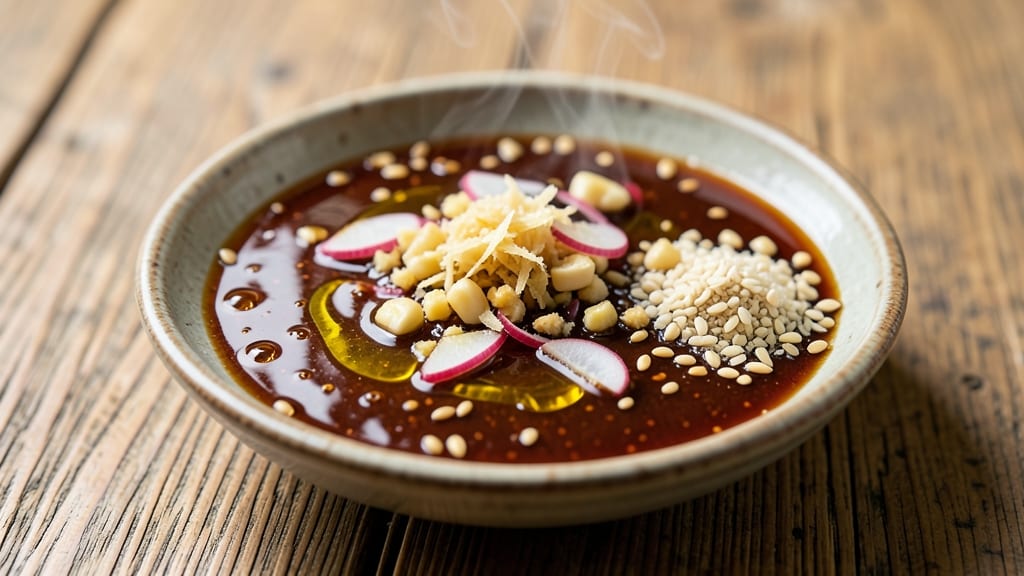
This authentic yakiniku sauce transforms simple ingredients into a complex umami bomb that elevates grilled meats to restaurant-quality levels. The secret lies in balancing soy sauce, mirin, and sugar while building depth through slow simmering—a technique that captures the essence of Japanese grilling culture.
Unlike store-bought versions, this recipe delivers layers of garlic-forward richness with a velvety texture that clings perfectly to meat.
The foundation starts with a simple but critical combination: soy sauce for saltiness, mirin for sweetness, and sugar to refine the flavor. Garlic and optional umami boosters like Worcestershire or bonito flakes deepen the profile, while a light reduction concentrates the flavors into a glossy, aromatic sauce.
Traditional methods emphasize patience—simmering until the liquid thickens and strains for a smooth finish—but modern shortcuts (like instant dashi) keep it accessible without sacrificing authenticity.
What you’ll end up with is a sauce that’s versatile enough for dipping, marinating, or finishing grilled dishes, with a shelf life of up to two weeks in the fridge.
The balance of sweet, salty, and umami makes it addictive, while the garlic’s aromatic punch ensures every bite feels like a taste of Tokyo’s izakayas. This isn’t just a condiment—it’s the heart of your yakiniku experience.
Whether you’re grilling skewers or searing steak, this sauce will become your go-to for that signature Japanese depth. Let’s make it—your taste buds will thank you.
Ingredients for authentic yakiniku sauce
Nine essential ingredients for a sauce that brings Tokyo izakayas to your grill.
| Ingredient | Amount | Notes |
|---|---|---|
| Kosher Soy Sauce 🥢 | ½ cup | Use high-quality Japanese soy sauce |
| Mirin 🍶 | ¼ cup | Sweet cooking rice wine |
| Granulated Sugar 🍚 | 2 tbsp | White or brown preferred |
| Garlic Cloves 🧄 | 6 cloves | Minced finely for depth |
| Extra-Virgin Olive Oil 🫒 | 1 tbsp | For smooth texture |
| Instant Dashi Granules 🍲 | 1 tsp | Optional umami booster |
| Worcestershire Sauce 🍯 | 1 tbsp | For extra umami depth |
| Bonito Flakes 🐟 | 1 tsp | Optional for authentic flavor |
| Sesame Oil 🌿 | ½ tsp | Toasted for aroma |
| Fresh Ginger 🧅 | 1 tbsp | Grated finely, optional |
The soy sauce and mirin are your flavor anchors—Japanese brands like Kikkoman and Aji-no-Moto deliver the most authentic taste, but any quality soy sauce works. Mirin should be the sweet, non-alcoholic kind (not mirin substitute). For the garlic, freshly minced cloves make all the difference—pre-minced loses its punch. If you can't find instant dashi, dried bonito flakes steeped in hot water works just as well for that signature umami kick. I always grab my soy sauce and mirin from Asian markets—the selection is better, and prices are fairer than at regular grocery stores.
No mirin? Substitute 1 tbsp honey or maple syrup plus 1 tbsp dry sherry—it won't be identical, but it'll get you close. Short on garlic? Garlic powder at half the amount works in a pinch, though fresh is ideal. The Worcestershire adds depth, but if you're avoiding it, a dash of fish sauce (if not vegetarian) or extra soy sauce will help. For the sesame oil, toasted sesame oil is a must—untosted won't have that nutty aroma. The ginger is optional but recommended; if you skip it, add an extra pinch of sugar to balance the flavors.
This sauce keeps beautifully—up to 2 weeks in the fridge once cooled. For longer storage, freeze in ice cube trays, then transfer to a bag. Thaw in the fridge overnight. The sauce thickens as it cools, so if it's too thick after refrigerating, just stir in a splash of water or mirin. Double the batch—it disappears fast when grilling. I always make extra to use as a marinade for the next yakiniku session.
Why You'll Love This Recipe
- Five-Ingredient Magic: I swear by this combo—just soy, mirin, sugar, garlic, and olive oil. That’s it. No fancy gadgets, no hidden pantry deep-dives. Honestly, the mirin alone makes it taste like you spent hours simmering.
- Umami Bomb: The garlic sizzles in olive oil until it’s just golden—not burnt, not raw—then gets kissed by the sugar and soy. That first dip? Rich, salty, with this sweet-savory punch that sticks with you.
- Leftovers That Shine: Make a double batch, and you’ve got backup for stir-fries, marinades, or even a quick glaze for roasted veggies. Between us, I’ve drizzled this on pizza crusts when I was lazy. It works.
- Budget Night Hero: Mirin and sugar are the only splurges here, but they’re worth it. A little goes a long way—this sauce transforms cheap cuts of meat into something special. My wallet thanks me every time.
Step-by-step instructions for authentic yakiniku sauce
Here's how to craft a sauce that delivers restaurant-quality yakiniku flavor at home.
Bloom the Garlic in Olive Oil
Heat a small saucepan over medium-low heat and add the 1 tablespoon extra-virgin olive oil. Once the oil shimmers but doesn't smoke, add the 6 cloves minced garlic cloves and 1 tablespoon finely grated fresh ginger. Cook for 2-3 minutes until the garlic becomes golden and fragrant—this prevents bitter flavors and builds flavor depth.
I like to stir constantly during this step to ensure even cooking. If the garlic starts to brown too quickly, reduce the heat slightly. The goal is to develop that nutty, aromatic base that will carry through the entire sauce. Once the garlic reaches this stage, remove the pan from heat immediately to prevent burning.
Combine Wet Ingredients
Return the pan to medium heat and add the 0.5 cup kosher soy sauce, 0.25 cup mirin, 1 tablespoon Worcestershire sauce, and 1 teaspoon instant dashi granules. Stir continuously for 3-4 minutes until the mixture begins to simmer and reduce slightly—you should notice the sauce thickening and developing a glossy sheen.
This is where the sauce's complexity begins to form. The mirin adds sweetness while balancing the soy's saltiness, while the dashi granules contribute that unmistakable umami depth. If you're using 1 teaspoon bonito flakes, sprinkle them in now and let them infuse for 1 minute before removing from heat—this adds a subtle fishy aroma that's essential for authentic yakiniku flavor.
Sweeten and Finish
Reduce heat to low and add the 2 tablespoons granulated sugar, stirring until fully dissolved. Let the mixture simmer gently for 5-7 minutes until it thickens to a syrupy consistency—you're aiming for a sauce that coats the back of a spoon but still flows smoothly. The sugar helps caramelize the flavors while adding a touch of sweetness that complements the savory elements.
In the final minute, remove from heat and stir in the 0.5 teaspoon sesame oil. This step should be done off the heat to preserve the oil's delicate aroma. The sesame oil adds a nutty finish that ties all the flavors together. Taste and adjust seasoning if needed—you might want to add a touch more soy sauce for saltiness or mirin for sweetness, depending on your preference.
Rest and Serve
Transfer the sauce to a clean bowl and let it rest at room temperature for 15-20 minutes. This resting period allows the flavors to meld completely and the sauce to reach its ideal consistency. The sauce should be thick enough to cling to meat but still flow smoothly when drizzled.
For best results, use the sauce immediately while it's still warm. It pairs beautifully with grilled meats, skewered vegetables, or even as a dipping sauce for noodles. If storing, keep it refrigerated in an airtight container for up to 1 week, though the flavor will be freshest when used within 3-4 days. The authentic combination of garlic, soy, and umami creates a sauce that's far more complex than store-bought versions.
Pro Tips For Making Authentic Yakiniku Sauce
- Simmer Slow and Steady: The sauce needs time to marry—don’t rush it. After adding the garlic and olive oil, reduce heat to low and let it bubble gently for at least 8-10 minutes. I used to crank the heat, and the mirin would just evaporate, leaving a bitter, one-dimensional sauce. Low and slow lets the sugar caramelize properly and the flavors meld.
- Toast the Garlic First: Raw garlic in yakiniku sauce tastes harsh. Slice the cloves thin, heat the olive oil until shimmering (not smoking), and fry them until golden—about 2-3 minutes. This step adds depth without bitterness. (Yes, even if you’re impatient like me, don’t skip it.)
- Balance the Sugar Early: Taste the sauce before it thickens. If it’s too sweet, add a splash of kosher soy sauce; if it’s too salty, a pinch of sugar or a drizzle of mirin fixes it. I learned this the hard way—once I let it reduce too far, and the sauce became cloying. Adjust in stages, not all at once.
- Use Real Mirin, Not Substitutes: Cheap cooking wine or "mirin-flavored" sugar syrups won’t cut it. Authentic mirin adds sweetness and umami. If you’re in a pinch, a 1:1 mix of dry white wine and sugar works, but it won’t have the same depth. (Your future self will notice the difference.)
Creative variations of this recipe
Spicy Yakiniku Twist
For those who love heat, add 1 teaspoon gochujang (Korean chili paste) and ½ teaspoon red pepper flakes to the simmering sauce. The gochujang adds fermented depth, while the flakes bring a smoky kick.
Balance with an extra ½ teaspoon sugar to soften the heat. I first tried this variation after a trip to Busan—it’s a perfect fusion of Japanese and Korean flavors. 🌶️
Vegetarian Adaptation
Skip the bonito flakes and Worcestershire sauce (unless vegetarian-friendly) and replace the dashi granules with 1 teaspoon mushroom powder or ½ teaspoon nutritional yeast for umami. A splash of coconut aminos (½ tablespoon) adds saltiness without soy.
This version works beautifully as a dipping sauce for grilled tofu or mushrooms. Trust me, it’s still packed with flavor!
Sweet and Tangy Glaze
Reduce the sugar to 1 tablespoon and add 1 tablespoon rice vinegar for brightness. Use this glaze on grilled pineapple slices or teriyaki-glazed chicken skewers—the tang cuts through the sweetness beautifully.
I’ve used this as a finishing sauce for yakiniku-style pork belly, and it adds a restaurant-worthy shine. The vinegar also helps balance the richness of fatty meats.
Smoky Chipotle Fusion
Add ½ teaspoon adobo sauce (from canned chipotle peppers) and ¼ teaspoon smoked paprika during the final simmer. This smoky-sweet variation pairs perfectly with grilled ribs or steak.
For extra depth, stir in 1 teaspoon honey at the end. It’s a bold twist that still keeps the yakiniku soul intact. 🔥
Light Citrus Version
Swap ½ cup mirin for ¼ cup mirin + 2 tablespoons fresh lemon juice and reduce the sugar to 1 tablespoon. The citrus brightens the sauce, making it ideal for grilled shrimp or fish skewers.
I love this version in summer—it’s refreshing yet still packed with umami. Garnish with a sprinkle of toasted sesame seeds before serving.
Herb-Infused Variation
Add 1 tablespoon finely chopped fresh cilantro or thai basil at the very end (after cooling slightly). The herbs add freshness and contrast the rich, garlicky base. This works especially well with grilled chicken or beef slices.
For a stronger herb profile, muddle 3-4 leaves of basil with the garlic before cooking. It’s a game-changer for summer grilling! ✨
Nutrition facts
Frequently asked questions
Can I make this yakiniku sauce without mirin?
Replace ¼ cup mirin with 2 tablespoons honey or maple syrup plus 1 tablespoon dry sherry. The sherry adds depth while the sweetener balances the soy sauce. For extra authenticity, use 1 tablespoon sake instead of sherry—it’s the closest substitute in flavor profile.
How do I prevent my yakiniku sauce from getting too thick?
If the sauce thickens too much during simmering, simply add 1-2 teaspoons water or mirin while stirring. For a smoother texture, strain through a fine-mesh sieve after cooking. The ideal consistency should coat the back of a spoon but still flow when drizzled. If storing, the sauce will thicken further in the fridge—just stir in a splash of liquid when ready to use.
What's the best way to use leftover yakiniku sauce?
Leftover sauce is incredibly versatile! Use it as a marinade for grilled meats (like chicken or beef), drizzle it over ramen or udon noodles, or brush it on tofu or vegetables before grilling. For extra richness, simmer it with 1 tablespoon butter and serve over mashed potatoes—it’s a surprisingly delicious twist!
Why does my sauce taste too salty?
This usually happens when using salty ingredients like Worcestershire or soy sauce. Balance it by adding 1-2 teaspoons mirin or sugar to sweeten and dilute the saltiness. If that doesn’t work, thin it with 1 tablespoon water and taste again. The key is adjusting gradually—start with small amounts and build from there.
Can I make this sauce in a slow cooker?
Yes! Combine all ingredients in a slow cooker and cook on low for 2-3 hours, stirring occasionally. The slow cooking will deepen the flavors, but you may need to reduce the sugar slightly (1 tablespoon) since it has more time to caramelize. For a quicker version, use high for 1 hour, but monitor closely to prevent overcooking.