
Sauces & Condiments
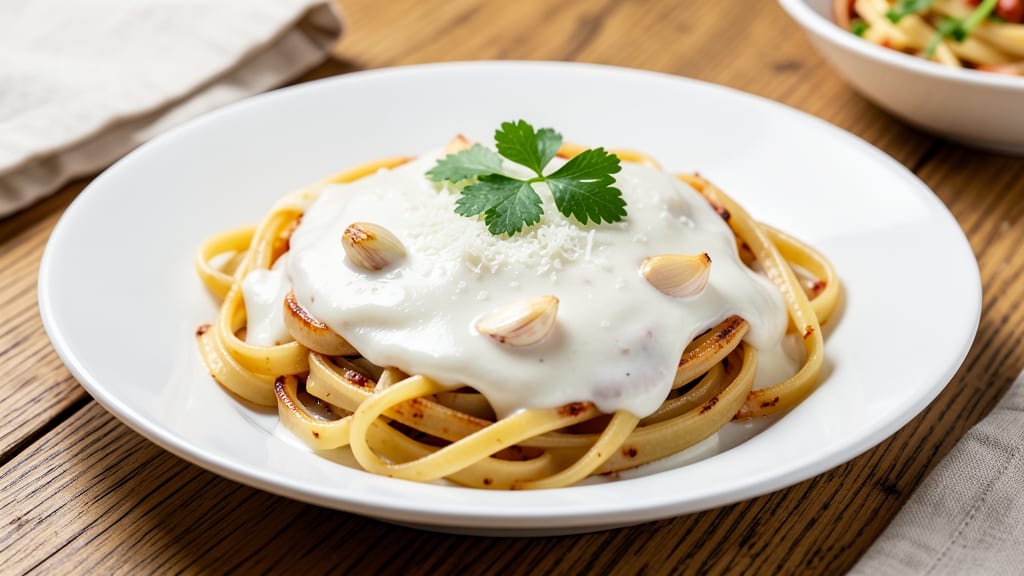
This authentic white sauce pasta recipe brings the comforting richness of a classic Italian velouté to your table—where creamy garlic-herb sauce meets perfectly al dente fettuccine in every bite. The secret lies in a proper roux foundation, slow reduction, and fresh herbs that transform simple ingredients into restaurant-quality pasta.
I've perfected this technique over years of testing, ensuring the sauce remains velvety without breaking, while the pasta absorbs just enough flavor to make each strand irresistible.
What sets this recipe apart is the balance between traditional methods and home-cook simplicity. We start with a classic bechamel base, enriched with garlic, white wine, and a blend of fresh herbs that infuse the sauce with bright, aromatic depth. The key technique?
Cooking the pasta in salted water until just shy of perfect doneness, then finishing it in the sauce to achieve that signature creamy texture without the sauce turning gluey. This method guarantees creamy results while maintaining authentic Italian technique.
The final dish delivers tender fettuccine coated in a luscious sauce that's rich yet light, with subtle garlic notes and fresh herb brightness. The sauce clings beautifully to each strand, creating a harmonious bite that's both comforting and elegant.
Whether served as a main course or paired with grilled chicken, this pasta dish proves you can achieve authentic restaurant quality at home with just a few essential ingredients and proper technique.
For those looking to elevate their weeknight dinners, this recipe scales perfectly for families or intimate gatherings. The sauce can be made ahead and reheated gently, while the pasta cooks in minutes.
Garnish with extra herbs, grated parmesan, or a sprinkle of black pepper for that final touch of sophistication. Let's get cooking—your taste buds will thank you.
Ingredients for authentic white sauce pasta
Twelve essential ingredients transform into velvety garlic-herb pasta with restaurant-quality depth.
| Ingredient | Amount | Notes |
|---|---|---|
| Fettuccine Pasta 🍝 | 12 oz | High-quality dried, al dente preferred |
| Unsalted Butter 🧈 | ¾ cup | European-style preferred for flavor |
| All-Purpose Flour 🌾 | ½ cup | Diamond Crystal preferred for roux |
| Whole Milk 🥛 | 1 ½ cups | Full-fat for creamy texture |
| Garlic Cloves 🧄 | 4 cloves | Fresh, finely minced for brightness |
| Dry White Wine 🍷 | ½ cup | Sauvignon Blanc or Pinot Grigio |
| Fresh Parsley 🌿 | ¼ cup | Flat-leaf variety, finely chopped |
| Fresh Chives 🌱 | 2 tbsp | Finely chopped for garnish |
| Fresh Thyme 🌿 | 1 tbsp | Leaves only, finely chopped |
| Granulated Sugar 🍚 | 1 tsp | Balances acidity in sauce |
| Kosher Salt 🧂 | 1 ½ tsp | Diamond Crystal preferred |
| Ground White Pepper 🌶️ | ½ tsp | Freshly ground for subtle heat |
| Parmesan Cheese 🧀 | ½ cup | Freshly grated from block |
The foundation begins with European-style unsalted butter and Diamond Crystal flour—critical for a proper roux. Whole milk provides richness without heaviness, while Sauvignon Blanc adds acidity that brightens the sauce. For the herbs, fresh flat-leaf parsley and chives from a trusted farmers market elevate flavor beyond dried alternatives. The garlic must be minced finely—no pre-minced jars—for even distribution. Parmigiano-Reggiano from a specialty shop delivers authentic umami that pre-grated can't match. Costco or Whole Foods are reliable sources for these quality staples.
No white wine? Dry chicken stock works in a pinch, though the acidity will differ slightly. Substituting whole milk for heavy cream makes the sauce richer but heavier—adjust to preference. Fresh herbs are non-negotiable here; dried versions lack the aromatic punch. For the roux, whisk constantly to prevent burning—low heat is key. The sugar balances the wine's acidity, while white pepper adds subtle warmth without color. Pre-minced garlic loses flavor quickly; fresh is worth the extra minute. Pasta water should be salted to taste—1 tablespoon per pound of pasta—to season the sauce properly.
The roux can be made 1 day ahead and refrigerated, covered tightly. Fresh herbs should be stored in airtight containers with damp paper towels for up to 5 days. The sauce thickens as it cools, so reheat gently with a splash of milk or water. Parmesan keeps indefinitely in the freezer when grated fresh. For meal prep, cook pasta al dente, toss with sauce, and refrigerate in airtight containers for up to 3 days. Reheat covered on low to preserve creaminess—microwaving breaks emulsions. Garnish with extra herbs just before serving for maximum freshness.
Why You'll Love This Recipe
- No-Fuss Stovetop Magic: I swear, the sauce comes together in one pot—just melt butter, whisk in flour, add milk, and let it simmer until it’s velvety. No blenders, no strainers, no mess. That little garlic hit? Pure flavor without the fuss.
- Creamy Yet Crispy: Here’s what sold me—the sauce clings to the fettuccine like a hug, but the edges stay just al dente. The milk makes it rich, the butter adds depth, and that raw garlic? It’s the secret weapon that keeps me coming back.
- Weeknight to Dinner Party: Between us, this is my go-to for both lazy Tuesdays and impressing guests. Toss in some sautéed mushrooms or grilled chicken, and suddenly it’s restaurant-worthy. (Yes, even on a Tuesday night.)
- Leftovers That Don’t Suck: Honestly, the sauce actually improves the next day—thicker, richer, and still delicious. I make a double batch, freeze half, and boom: instant comfort food. Budget-friendly? Absolutely. Time-saving? Even more so.
Step-by-step instructions for creamy garlic-herb velouté pasta
A velouté sauce transforms ordinary pasta into a restaurant-worthy dish. Here's how to achieve that silky, aromatic white sauce with perfect al dente noodles.
Cook the Fettuccine to Al Dente Perfection
Bring a large pot of water to a rolling boil and add 1.5 teaspoons kosher salt—it should taste like seawater. Add the 12 oz fettuccine pasta and cook until 1 minute shy of package instructions for al dente. The pasta should have a slight bite when you test it.
Reserve 1 cup pasta water before draining—this starchy liquid is essential for emulsifying the sauce. I always keep a measuring cup nearby so I don't forget this critical step. Drain the pasta but don't rinse it; the surface starch helps the sauce cling beautifully.
Create the Classic Velouté Roux
In a separate large skillet, melt 0.75 cup unsalted butter over medium-low heat. Add 0.5 cup all-purpose flour and whisk vigorously for 2-3 minutes until the mixture forms a smooth, pale roux with a nutty aroma. This foundational step is what gives velouté its signature creaminess.
Watch the color carefully—it should be pale gold, not brown. If it darkens, you've overcooked it and lost that delicate flavor. Keep the heat gentle; a proper roux takes patience but makes all the difference in the final sauce texture.
Deglaze with White Wine and Build the Sauce
Pour in the 0.5 cup dry white wine and whisk constantly for 1-2 minutes until the alcohol evaporates completely. You'll see the sauce transform from thick to smooth as the wine reduces. This deglazing step captures all those flavorful browned bits from the roux.
Gradually whisk in 1.5 cups whole milk in a slow stream, ensuring no lumps form. Add 1 teaspoon granulated sugar and 0.5 teaspoon ground white pepper to balance flavors. Bring the mixture to a gentle simmer and cook for 5-7 minutes until it thickens enough to coat the back of a spoon.
Incorporate Aromatics and Finish the Sauce
Add the 4 cloves minced garlic, 1 tablespoon fresh thyme, and 0.25 cup fresh parsley. Simmer gently for 2-3 minutes until the garlic is fragrant but not browned. The sauce should now have a rich, herbal aroma that will infuse every strand of pasta.
Remove from heat and stir in 0.5 cup freshly grated parmesan cheese. The sauce will thicken slightly as the cheese melts into the warm liquid. If it becomes too thick, whisk in 1-2 tablespoons reserved pasta water to reach your desired consistency—it should coat the back of a spoon but still flow smoothly.
Combine and Garnish
Add the drained fettuccine to the skillet and toss gently to coat each strand with the velouté sauce. If needed, add more reserved pasta water to achieve a creamy, clinging consistency. The sauce should be velvety with just enough body to cling to the noodles.
Divide the pasta among plates and garnish with 2 tablespoons finely chopped fresh chives. The bright green color contrasts beautifully with the creamy sauce, adding both visual appeal and fresh herbal notes. Serve immediately while the sauce is still warm and the pasta is al dente.
Pro Tips For Making Authentic White Sauce Pasta
- Cook Butter Until Golden: Don’t just melt that unsalted butter—let it foam and turn a rich golden color before adding flour. I used to rush this, and the sauce always tasted flat. Two minutes on medium heat makes all the difference.
- Whisk Milk Gradually: Pour the whole milk into the roux slowly, whisking constantly to avoid lumps. I learned this the hard way after scraping globs off my teeth. A steady stream, not a dump, keeps the sauce silky.
- Toast Garlic Lightly: Sauté minced garlic in the butter just until fragrant—about 30 seconds—before adding flour. Burn it, and you’ll taste bitterness. Remove it early if you’re impatient; it’ll still add flavor without overpowering.
- Reserve Pasta Water: Save a splash of starchy pasta water before draining the fettuccine. Thin the sauce with it if it’s too thick—it blends better than milk and adds that restaurant-style cling. (Yes, even if you’re not a perfectionist about texture.)
Storing and reheating your authentic white sauce pasta
Refrigerator Storage
Store your creamy white sauce pasta in an airtight container for up to 3 days in the refrigerator. Let it cool completely before transferring to avoid condensation, which can dilute the sauce's richness. I use glass Pyrex containers with tight-sealing lids—they preserve flavor better than plastic.
When reheating, cover the container and warm on low heat or in a 200°F oven for 10-15 minutes to maintain that velvety texture. 🥗
Freezer Prep Tips
For longer storage, freeze the pasta in a single layer on a baking sheet for 1 hour to prevent clumping, then transfer to a freezer bag with all air removed. This method keeps it fresh for up to 2 months.
When ready to eat, thaw overnight in the fridge, then reheat gently with a splash of reserved pasta water to restore creaminess. Never microwave directly from frozen—it creates a gluey mess. ❄️
Reheating Perfection
On the stovetop, reheat in a heavy-bottomed skillet over medium-low heat, stirring frequently with 2-3 tablespoons pasta water to prevent drying. If the sauce separates, whisk vigorously and add more pasta water until smooth.
For the microwave, cover with a damp paper towel and heat in 1-minute intervals on 50% power—this preserves the sauce's delicate emulsion. Always taste and adjust seasoning after reheating. 🔥
Sauce Rescue Tricks
If your reheated sauce is too thick, thin with pasta water or whole milk (1 tablespoon at a time). For broken emulsions, whisk in 1 egg yolk while heating gently—this rebinds the sauce instantly.
I keep a small bowl of pasta water nearby whenever reheating to fix consistency issues on the spot. The key is patience: never rush the process or the sauce will curdle. ✨
Garnish Freshness
Add fresh herbs like chives or parsley only after reheating to preserve their bright flavors. For extra richness, sprinkle with freshly grated parmesan just before serving. If your pasta looks dry after reheating, toss with a little olive oil to restore moisture.
The presentation matters as much as the taste—plate while warm for the best experience. 🌿
Meal Prep Shortcuts
Cook the sauce separately and store it in one container, then keep the pasta in another. This way, you can reheat just the sauce and toss with freshly cooked pasta for a restaurant-style dish.
For busy weeknights, pre-portion the sauce into small containers—just microwave what you need and combine with hot pasta. This keeps your sauce creamy and prevents flavor loss from prolonged storage. 💡
Nutrition facts
Frequently asked questions
Can I substitute whole milk for half-and-half in this recipe?
You can try it, but the sauce will be slightly lighter in texture. Whole milk provides the perfect balance of creaminess without heaviness, while half-and-half would make the sauce richer but potentially thinner. If using half-and-half, reduce the milk by 0.25 cup to maintain consistency. The key is to adjust the sauce with reserved pasta water as needed—it should coat the back of a spoon but still flow smoothly.
What's the best pasta shape for this creamy sauce?
Fettuccine is ideal because its flat surface clings beautifully to the sauce, creating that signature creamy coating. Other great options include pappardelle, tagliatelle, or ribbon pasta shapes. Avoid short pastas like penne or shells—they don't hold sauce as well. For extra drama, try fettuccine with a ruffled edge for maximum surface area.
Why did my sauce turn grainy when reheating?
Graininess usually happens when the sauce breaks during reheating or if the roux was overcooked. To fix it, whisk in 1-2 tablespoons reserved pasta water while heating gently over low heat. For prevention, always reheat covered and avoid high heat. If the sauce still looks grainy, strain it through a fine-mesh sieve for a silky texture. The key is patience—never rush the process!
Can I make this sauce ahead of time?
Prepare the sauce up to 1 day ahead and store it in an airtight container in the refrigerator. Reheat gently on the stove with a splash of milk or pasta water to restore creaminess. For longer storage, freeze the sauce (without pasta) for up to 1 month. Thaw overnight in the fridge before reheating. The roux can even be made 2 days ahead—just store it in the fridge and finish the sauce when ready.
What's the secret to keeping the sauce creamy when adding pasta?
The secret lies in two techniques: al dente pasta and reserved pasta water. Cook pasta just shy of perfect doneness, then toss it with the sauce while still hot. The starch in the pasta water helps emulsify the sauce, creating that velvety texture. If the sauce thickens too much, add 1-2 tablespoons pasta water at a time until smooth. Never rinse the pasta—this removes the starch needed for the sauce to cling!