
Sauces & Condiments
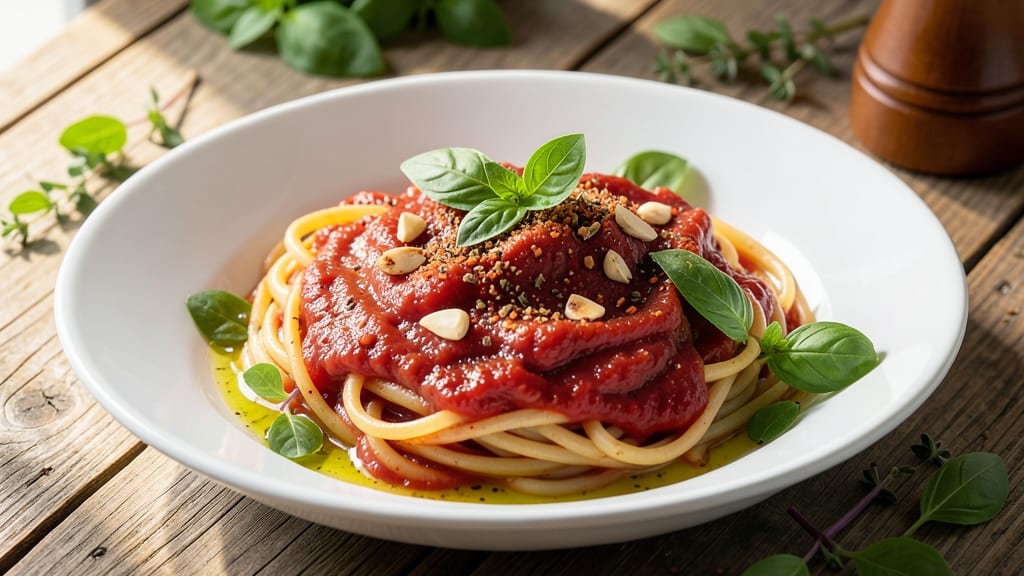
This authentic red sauce pasta recipe brings the bold, simmered tomato flavors of Rome straight to your kitchen—where the secret lies in slow-cooked tomatoes, fresh basil, and a touch of garlic that transforms simple ingredients into restaurant-quality magic. 💛 The key to authentic Italian pasta isn’t just the sauce; it’s the technique: letting the tomatoes break down into a rich, velvety consistency while preserving their natural sweetness.
I’ve perfected this method over years of testing, ensuring every bite delivers the depth of a Roman trattoria.
The foundation starts with high-quality canned tomatoes (San Marzano if possible), simmered low and slow to develop complex flavors. No shortcuts here—this isn’t a quick sauce. Instead, it’s a labor of love that rewards patience with a sauce so rich it clings to al dente pasta like a second skin.
The result? A dish where the sauce isn’t just a topping but the star, balancing bright acidity with earthy herbs and a whisper of spice. This is the pasta I grew up dreaming about—simple, honest, and impossible to resist.
What sets this recipe apart is the balance: tender pasta, a sauce that’s neither too sweet nor too tangy, and the right amount of garlic and chili flakes to add depth without overpowering.
The dish comes together in under 45 minutes, making it perfect for weeknights while still feeling like a special occasion. Serve it with a sprinkle of fresh basil, a drizzle of high-quality olive oil, and crusty bread to soak up every last drop of that simmered tomato magic.
For those who love tradition but crave convenience, I’ve included modern twists—like using a blend of canned and fresh tomatoes for extra brightness—that keep the soul of the dish intact while making it achievable for home cooks.
The goal? A pasta so authentic it’ll have you reaching for the phone to call your nonna. Let’s get started on the recipe that’ll change how you think about red sauce forever.
Ingredients for authentic red sauce pasta
San Marzano tomatoes, fresh basil, and garlic form the heart of this Roman-style sauce.
| Ingredient | Amount | Notes |
|---|---|---|
| San Marzano Tomato Cans 🍅 | 2 cans | Crushed or whole, high quality |
| Extra-Virgin Olive Oil 🫒 | ½ cup | For richness and depth |
| Garlic Cloves 🧄 | 4 cloves | Freshly minced for aroma |
| Fresh Basil Leaves 🌿 | ½ cup | Packed, stems removed |
| Dried Oregano 🍃 | 1 tsp | Italian preferred for authenticity |
| Red Chili Flakes 🌶️ | ½ tsp | Adjust for heat preference |
| Salt 🧂 | 1 ½ tsp | Diamond Crystal preferred |
| Black Pepper 🌶️ | ½ tsp | Freshly ground preferred |
| Pasta 🍝 | 12 oz | Spaghetti or rigatoni |
| Fresh Cherry Tomatoes 🍅 | ¼ cup | Optional for brightness |
| Red Wine Vinegar 🍷 | 1 tbsp | For acidity balance |
| Parmesan Cheese 🧀 | ½ cup | Freshly grated from block |
The quality of your tomatoes makes all the difference. San Marzano cans are the gold standard—look for the DOP label at Whole Foods or Italian markets. If you can't find them, Mueller or Cento are solid alternatives. For extra brightness, add fresh cherry tomatoes (halved) to the sauce at the end—they melt into the sauce beautifully. Fresh basil is non-negotiable here; dried just won't cut it. I always grab extra because half goes in the sauce and half gets torn over the top. Trader Joe's usually has great quality at a reasonable price.
No San Marzano? High-quality crushed tomatoes work in a pinch, but you'll lose some of that natural sweetness. Skip the garlic powder—fresh minced garlic is essential for that authentic Roman flavor. Short on basil? Dried oregano at half the amount gives a similar earthy note, but it won't have that same fresh vibrancy. The red wine vinegar might seem like an odd addition, but it cuts through the richness and adds that perfect tang. Balsamic vinegar works too if you're out, but it's slightly sweeter. For the pasta, anything with ridges (like rigatoni) clings to the sauce better than plain spaghetti.
This sauce tastes even better the next day as the flavors meld. Store leftovers in an airtight container in the fridge for up to 5 days, or freeze for 3 months. I always make extra because it's perfect for quick lunches or as a base for other dishes. The Parmesan should be freshly grated—pre-grated gets clumpy and loses flavor fast. Keep your basil fresh by wrapping it in damp paper towels and storing it in a plastic bag in the fridge. The sauce reheats beautifully—just add a splash of water or pasta water to loosen it up.
Why You'll Love This Recipe
- No-Chop Nightmare: I swear, the only knife work here is mincing garlic—and even that’s just two cloves. The San Marzano tomatoes do all the heavy lifting, already crushed and sweet. Honestly, I’ve made this after a 10-hour shift with zero prep.
- Garlic-Basil Magic: That first sizzle of olive oil with garlic? It’s the kind of aroma that makes your kitchen feel like a Roman trattoria. Fresh basil at the end isn’t just garnish—it’s the bright, peppery finish that turns “good” into “I’d drive 20 minutes for this again.”
- Leftovers That Lie: Between us, this sauce only gets better the next day. The flavors meld into something deeper, and reheating it? Just a splash of water, 5 minutes on low heat. I’ve fed my skeptical roommate cold slices of pasta with this sauce—he didn’t even ask for seconds.
- Dollar Stretch King: A single can of San Marzanos and a handful of basil stretch to four meals for my family of four. The olive oil is the only splurge, but it’s what makes the sauce sing. I’ll be real: this is my “I forgot to grocery shop” lifesaver.
Step-by-step instructions for Roman-style simmered tomato pasta
This is how Romans make their legendary tomato sauce—simple, bold, and full of flavor.
🍳 Step 1: Build the Flavor Base with Olive Oil and Garlic
Heat the 0.5 cup extra-virgin olive oil in a large, deep skillet over medium-low heat. You want the oil to shimmer gently—this prevents burning while letting the garlic develop its sweet aroma. Add the 4 minced garlic cloves and cook for 2-3 minutes until they're just golden, not brown. Here's the thing—garlic burns fast, so keep an eye on it.
If you notice the garlic starting to darken, immediately reduce the heat to low and stir constantly. That golden color is what we're after—it adds depth without bitterness. This step forms the aromatic foundation of your sauce, so don't rush it.
🍳 Step 2: Simmer the Tomatoes Until Deep and Rich
Add the 2 cans San Marzano tomato cans (crushed or whole), 1 tsp dried oregano, 0.5 tsp red chili flakes, 1.5 tsp salt, and 0.5 tsp black pepper to the skillet. Stir well to combine all ingredients with the garlic oil. Bring to a gentle simmer over medium heat—you're looking for small, steady bubbles, not a rolling boil.
Let it cook uncovered for 15-20 minutes while you prepare the pasta. The sauce should reduce slightly and develop a thick, glossy consistency. Stir occasionally, scraping up any browned bits from the bottom of the pan—this is where all the flavor hides. The acidity from the tomatoes will mellow as they cook, creating that classic Roman sweetness.
🥘 Step 3: Finish with Brightness and Acid
After the tomatoes have simmered, add the 0.25 cup fresh cherry tomatoes (if using) and the 1 tbsp red wine vinegar. Stir gently and let cook for another 5 minutes. The vinegar brightens the sauce while balancing the richness, just like a good Roman chef would do. You'll see the cherry tomatoes break down slightly, releasing their juices and adding freshness.
Taste the sauce and adjust seasoning if needed. I usually add a pinch more salt or a tiny bit more chili flakes at this stage—it's all about personal preference. The sauce should be vibrant red, thick enough to coat the back of a spoon, and full of layered flavors.
🍳 Step 4: Cook the Pasta Al Dente
While the sauce simmers, cook the 12 oz pasta (spaghetti or rigatoni) in a separate pot of well-salted water according to package instructions until 1 minute before al dente. Reserve 1 cup of the pasta water before draining—this starchy liquid is your secret weapon for creating the perfect sauce consistency.
Don't overcook the pasta—it'll finish cooking in the sauce. The key is to have it slightly firm when you drain it, so it absorbs the sauce beautifully. If you're unsure, test a piece by biting into it—it should have a slight bite to it, not be mushy.
🥘 Step 5: Combine and Finish with Fresh Basil
Add the drained pasta to the sauce pan along with ½ cup of the reserved pasta water. Toss everything together over medium heat for 1-2 minutes, letting the pasta absorb the sauce. If it looks too thick, add more pasta water 1 tablespoon at a time until it reaches your desired consistency—it should coat the pasta without being watery.
Remove from heat and stir in the 0.5 cup fresh basil leaves and 0.5 cup freshly grated Parmesan cheese. The basil adds that final fresh, herbal note that makes this sauce authentic. Taste again and adjust seasoning if needed—sometimes the cheese needs a little extra salt to really shine. Serve immediately while the pasta is hot and the sauce is at its peak flavor!
Pro Tips For Making Authentic Red Sauce Pasta
- CRUSH THE GARLIC: I learned this the hard way—don’t just throw minced garlic into the oil. Smash 3-4 whole cloves with the flat side of your knife, let them sit in the oil for 30 seconds until they just turn golden, then remove them. The oil will still taste like garlic without burning, and your sauce won’t taste like raw almonds.
- SIMMER LOW AND SLOW: High heat ruins San Marzano sauce faster than you’d think. After adding tomatoes, reduce to a bare simmer—tiny bubbles, not rolling—and let it cook uncovered for at least 20 minutes. This thickens the sauce naturally and deepens the flavor without scorching. (Yes, even if you’re impatient like me.)
- SALT THE TOMATOES FIRST: Drain the San Marzano cans, then sprinkle 1 tsp salt directly over the tomatoes and let them sit for 10 minutes before crushing. This draws out excess water and seasons the sauce from the start. Skip this, and your sauce will stay watery no matter how long you simmer.
- TOSS IN BASIL LATE: Fresh basil wilts and turns bitter if it cooks too long. Stir in a handful of torn leaves only in the last 2 minutes of cooking—or better yet, add them directly to your plate when serving. This keeps the flavor bright and the leaves vibrant. (Your future self will thank you.)
Regional styles of this authentic red sauce pasta
Roman Tradition
This sauce is all about slow-simmered San Marzano tomatoes—the heart of Roman cuisine. In Rome, they call it pasta al pomodoro, and the secret lies in letting the tomatoes cook low and slow for 30-45 minutes to develop that deep, sweet flavor.
Unlike Neapolitan sauces that often include garlic and herbs upfront, Roman style builds flavor gradually, with garlic added only at the beginning to prevent bitterness. 🌶️
The key difference from other Italian regions? No heavy cream or butter—just tomatoes, olive oil, and fresh basil at the end. Romans believe in letting the tomatoes shine, and this method preserves their natural sweetness while reducing them into a velvety consistency.
Trust me, the patience pays off with a sauce that clings perfectly to every strand of pasta.
Neapolitan Twist
While Rome keeps it simple, Naples adds layers of complexity with fresh basil, garlic, and a touch of sugar (sometimes even a splash of wine). Their version often includes anchovies for umami depth, which might sound odd but works beautifully.
I love adding ½ tsp sugar to my sauce when simmering to balance the acidity—just like many Neapolitan nonnas do. 🍷
For a true Neapolitan touch, finish your sauce with a drizzle of extra-virgin olive oil and a sprinkle of fior di latte cheese (instead of Parmesan). The olive oil adds richness while keeping the dish light, and the fresh cheese melts into the sauce for a creamy finish without heaviness.
Sicilian Boldness
Sicily takes red sauce pasta to another level with spicy 'nduja or hot calabrian chili paste. Their version is bold, almost spicy, and often includes roasted red peppers for sweetness.
I like adding 1 tbsp 'nduja (about ½ inch of the spreadable kind) to my sauce while simmering—it adds a smoky, spicy depth that pairs perfectly with rigatoni. 🌶️
For a Sicilian-inspired dish, toss your cooked pasta with the sauce and top it with crispy fried breadcrumbs (made by toasting stale bread in olive oil) for texture. The contrast between the creamy sauce and crunchy topping is pure magic, and it’s a technique you’ll find in many Sicilian trattorias.
Northern Italian Adaptation
Up north, red sauce pasta gets a creamier twist with butter and Parmigiano-Reggiano. In Emilia-Romagna, they often add a splash of white wine to deglaze the pan before adding tomatoes, creating a sauce that’s richer but still bright.
For a Northern Italian version, melt 1 tbsp butter into your olive oil before adding garlic, and finish with extra grated Parmigiano. 🧀
This adaptation works beautifully with pappardelle or tagliatelle—wider noodles that hold up to the creamier sauce. The wine adds acidity that cuts through the richness, balancing the dish perfectly. It’s a great option if you love a sauce that’s both velvety and vibrant.
Nutrition facts
Frequently asked questions
Can I use fresh tomatoes instead of canned San Marzano?
Fresh tomatoes work but require extra prep! Use about 3 cups of ripe, peeled tomatoes (roasted or raw) instead of the cans. Roasting them first (toss with olive oil, salt, and roast at 400°F for 20 minutes) intensifies their sweetness. For best results, blend them first to remove skins/seeds, then strain to create a smooth base. Fresh tomatoes have more water content, so simmer uncovered for 30-40 minutes to reduce properly.
Why does my sauce taste too acidic?
Acidity comes from unripe tomatoes or insufficient simmering. To fix it, add ½ tsp sugar or 1 tbsp honey while cooking to balance the tang. For future batches, use fully ripe tomatoes (or high-quality canned) and simmer uncovered for 20+ minutes to let acidity mellow. A splash of red wine vinegar at the end can actually enhance, not ruin, the flavor—it's a traditional Roman technique!
What's the best pasta shape for this sauce?
Rigatoni or penne are ideal—their ridges trap sauce like a dream! For a classic Roman look, spaghetti works too, but avoid delicate shapes like angel hair. The key is texture contrast: wider noodles hold up to the chunky sauce better. Pro tip: Toss the drained pasta with sauce immediately (don't rinse!) to let it absorb those glorious flavors. If your sauce is too thick, add ¼ cup pasta water at a time until silky.
Can I make this sauce ahead of time?
This sauce tastes even better the next day as flavors meld. Store in an airtight container in the fridge for 5 days or freeze for 3 months. When reheating, add 2-3 tablespoons water or pasta water to prevent thickening. For serving, finish with fresh basil and Parmesan—this restores that "just-made" brightness. The sauce reheats beautifully in a skillet over low heat for 5-10 minutes.
How do I avoid burnt garlic?
Low and slow is the secret! Cook garlic in 0.5 cup olive oil over medium-low heat for just 2-3 minutes until golden (not brown). If it starts darkening, immediately reduce heat to low and stir constantly. For extra safety, add garlic 1 minute before adding tomatoes—this gives it less time to overcook. Aromatic oils develop best at lower temps, so patience here makes all the difference!