
Sauces & Condiments
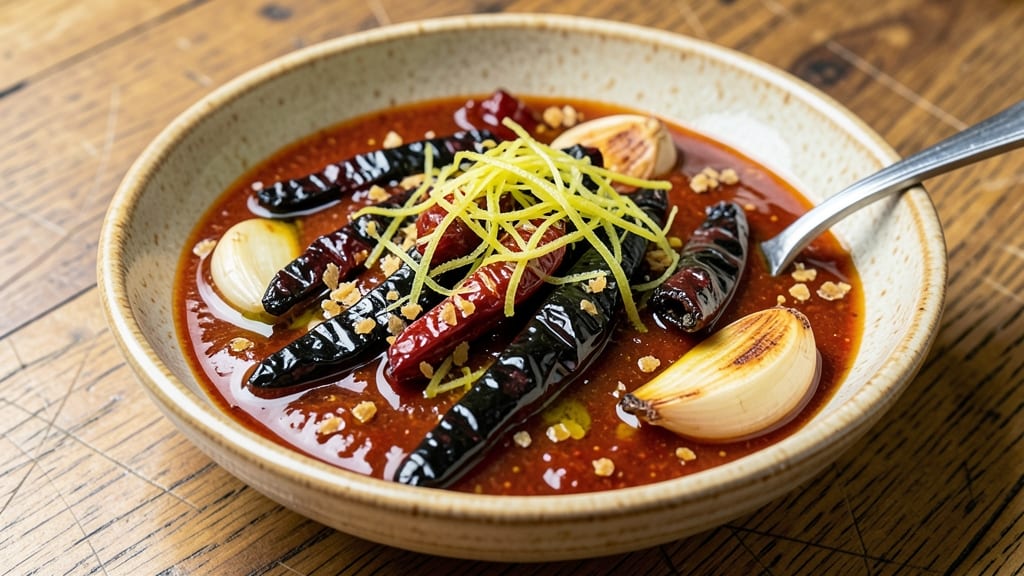
This authentic Portuguese piri piri sauce recipe delivers the fiery, citrusy kick that makes grilled meats unforgettable. The secret lies in fresh piri piri peppers, garlic, and white wine vinegar—traditional ingredients that create a sauce with bold, tangy heat.
I've perfected this version after years of testing, ensuring it captures the authentic flavor without overwhelming your dishes.
The sauce starts with fresh piri piri peppers (or African bird's eye peppers if unavailable), blended with garlic, vinegar, and olive oil to create a vibrant, aromatic paste. The key is balancing the heat with acidity, which prevents the sauce from becoming too harsh.
This version is designed to be versatile—use it as a marinade, a glaze for grilled chicken, or a fiery dipping sauce for seafood.
What sets this sauce apart is its ability to transform simple grilled meats into restaurant-quality dishes. The heat builds gradually, with layers of citrus and garlic that linger on your palate.
Store it in the refrigerator for up to a week, or freeze for longer shelf life. The sauce's intensity mellows slightly when refrigerated, making it even more balanced for everyday use.
For those sensitive to heat, reduce the number of peppers or strain out some of the seeds before blending. The result is still bold and flavorful, just with a more manageable kick. Whether you're grilling chicken, pork, or even fish, this sauce will elevate your dish to new heights.
Ingredients for authentic portuguese piri piri sauce
Fresh peppers, garlic, and citrus create this fiery sauce that transforms grilled meats instantly.
| Ingredient | Amount | Notes |
|---|---|---|
| Fresh Piri Piri Peppers 🌶️ | 6 whole | Seeds included for authentic heat |
| Garlic Cloves 🧄 | 6 cloves | Freshly peeled, unpeeled for roasting |
| White Wine Vinegar 🍷 | ½ cup | Dry variety preferred |
| Extra-Virgin Olive Oil 🫒 | ½ cup | High-quality, fruity flavor |
| Lemon Juice 🍋 | ¼ cup | Freshly squeezed |
| Sea Salt 🧂 | 1 tsp | Fine grain preferred |
| Ground Black Pepper 🌶️ | ½ tsp | Freshly ground preferred |
| African Bird's Eye Peppers 🌶️ | 4 whole | Substitute for piri piri |
| Smoked Paprika 🌶️ | 1 tsp | For depth of flavor |
| Honey 🍯 | 1 tbsp | Optional, for balancing heat |
The piri piri peppers are the heart of this sauce—fresh ones give the most authentic heat, but African bird's eye peppers work in a pinch. If you can't find them, Trader Joe's or Latin markets usually carry them. The garlic should be fresh, not pre-minced—roasting whole cloves adds a smoky depth. I always buy extra peppers because the heat builds over time, and you might want to adjust the spice level later. Look for peppers that are bright red and firm, not wrinkled or soft. The vinegar should be dry, not balsamic—Bartles & Jaymes is a solid choice if you're unsure.
No piri piri peppers? African bird's eye peppers are the closest substitute, but they're hotter, so start with fewer. Fresh garlic is non-negotiable—pre-minced lacks depth. The honey is optional but balances the heat beautifully if you're serving it to kids or sensitive palates. For extra smokiness, toast the garlic cloves in a dry pan for 2 minutes before blending. The sauce thickens as it sits, so if it's too runny, simmer it gently for 5 minutes. If you're using it as a marinade, strain out some of the seeds to reduce heat while keeping the flavor.
This sauce keeps for about 1 week in the fridge, but the flavor actually improves after a day or two as the heat mellows. For longer storage, freeze in ice cube trays—perfect for single-use portions. The sauce thickens when refrigerated, so give it a quick stir before using. If it separates, just blend again. I always make a double batch because it disappears fast—great on grilled chicken, pork ribs, or even as a dip for fries. The heat lingers, so start with small amounts if you're new to piri piri.
Why You'll Love This Recipe
- No-Fuss Blend: I swear, this sauce comes together in one bowl—no straining, no fancy tools. Just toss those fresh piri piri peppers (and maybe a few charred bits for depth) with garlic, vinegar, and olive oil, then pulse until it’s smooth but still has that je ne sais quoi texture. Honestly, I’ve made it while waiting for chicken to cook.
- Fiery Bright Balance: That first hit of piri piri is spicy, sure, but the white wine vinegar and lemon juice cut right through it—leaving behind this tangy, garlicky punch that’s addictive. The olive oil softens the heat just enough to make it crave-worthy, not painful. (Yes, even on a Tuesday night.)
- Weeknight to Party: Slather it on grilled shrimp for a 15-minute dinner, drizzle it over roasted potatoes, or toss it with fries—it’s that versatile. I’ve even used it as a marinade for chicken wings that get devoured before the game ends. Between us, it’s my secret weapon for lazy nights and impressing guests.
- Lasts All Week: A little goes a long way, and this sauce keeps in the fridge for at least a week without losing its kick. I make a big batch every Sunday, then use it all week—no waste, no stress. Plus, the ingredients are cheap (especially if you grow garlic or pick up peppers on sale), so your wallet won’t mind the flavor.
Step-by-step instructions for authentic Portuguese piri piri sauce
Here's how to make the fiery, citrusy sauce that defines Portuguese grilled flavors.
Roast the Peppers and Garlic for Deep Flavor
Preheat your oven to 400°F and place the 6 whole fresh piri piri peppers and 6 cloves garlic cloves (unpeeled) directly on a baking sheet. Roast for 15-20 minutes until the peppers blacken slightly and the garlic softens. The peppers should smell intensely aromatic and the garlic should be golden in spots.
This roasting step is crucial—it mellows the raw heat of the peppers while developing their smoky depth. I like to turn them occasionally for even charring. The skin will blister and blacken, which is perfect for authentic piri piri character. Let them cool slightly before handling—they'll be hot!
Blend the Roasted Ingredients with Vinegar and Oil
Transfer the roasted peppers and garlic to a blender or food processor. Add the 0.5 cup white wine vinegar, 0.5 cup extra-virgin olive oil, and 0.25 cup lemon juice. Blend until completely smooth, scraping down the sides as needed. The mixture should be vibrant red with a thick, paste-like consistency.
Here's the thing—don't rush this blending. You want the peppers to break down completely so the sauce is silky, not chunky. If it's too thick, add 1-2 tablespoons water to reach your desired consistency. The sauce should coat the back of a spoon but still have body.
Add Spices and Honey for Balanced Heat
Return the blended mixture to the blender and add the 4 whole African bird's eye peppers, 1 tsp smoked paprika, 1 tsp sea salt, 0.5 tsp ground black pepper, and 1 tbsp honey. Blend again until fully incorporated. The honey helps balance the intense heat while adding subtle sweetness that complements the acidity.
The African bird's eye peppers add an extra layer of heat that mimics traditional Portuguese versions. If you want to adjust the heat level, you can remove some seeds before blending—though I like the authentic, fiery kick. Taste as you go; you can always add more salt or honey to refine the flavor.
Simmer to Develop Complex Flavors
Transfer the sauce to a small saucepan and place over low heat. Let it simmer gently for 10-15 minutes, stirring occasionally. The sauce will reduce slightly and deepen in flavor. You're looking for it to thicken just enough to coat the back of a spoon but still maintain a pourable consistency.
This simmering step is where the magic happens—the acidity mellows slightly while the spices meld together. Don't let it boil or it'll separate. If it starts to thicken too much, add 1 tablespoon water at a time until you reach the perfect balance. The sauce should be vibrant red with a glossy sheen.
Cool and Adjust Before Using
Remove from heat and let the sauce cool completely. This resting period allows the flavors to fully develop and the heat to mellow slightly. Once cooled, taste and adjust seasoning if needed—perhaps a touch more salt or lemon juice to brighten the flavors.
This sauce is incredibly versatile. Use it immediately on grilled meats, or store it in an airtight container in the refrigerator for up to 2 weeks. The flavors actually improve with time! For best results, shake well before using as the ingredients may settle. The sauce will transform your grilled chicken, pork, or even seafood into an authentic Portuguese masterpiece.
Pro Tips For Making Authentic Portuguese Piri Piri Sauce
- REMOVE PEPPERS STEM FIRST: The seeds and membrane pack the real heat, but the stem hides bitter, woody flavors. Snip it off with kitchen shears before anything else—it’s the one prep step that actually changes the outcome. (Yes, even if you’re impatient like me.)
- BLISTER GARLIC IN OIL: Don’t just mince garlic raw—sauté it in olive oil until golden and fragrant (about 2 minutes on medium heat). This softens the harshness and deepens the sauce’s complexity. I learned this the hard way after a batch tasted like garlic paste.
- VINEGAR FIRST, THEN PEPPERS: Add the white wine vinegar to the pan before the peppers. It pre-cooks them slightly, mellows the acidity, and keeps the sauce from tasting like a vinegar punch. Skip this, and you’ll end up with a sauce that’s more sting than flavor.
- STRAIN THE SAUCE: No one wants to chew pepper skins or garlic chunks in their chicken. Use a fine-mesh sieve or cheesecloth to strain the sauce after blending—it’s worth the extra 30 seconds. (Your future self will thank you.)
Troubleshooting your authentic portuguese piri piri sauce
Peppers Too Hot?
If your sauce is too fiery, reduce the number of piri piri peppers next time—start with 4 instead of 6. For an immediate fix, strain out some of the seeds before blending, as they contain the majority of the capsaicin (the compound that creates heat).
You can also thin the sauce with 1-2 tablespoons of water or lemon juice to dilute the intensity slightly while keeping the vibrant flavor. 🌶️
Sauce Too Thin?
If your piri piri sauce ends up too runny, simmer it gently in a saucepan over low heat for 5-10 minutes, stirring occasionally. This will help thicken it naturally. Avoid boiling, as it can cause separation.
For an instant fix, mix 1 teaspoon of cornstarch with 1 tablespoon of water, then stir it into the sauce until it reaches your desired consistency.
Separation Issues
If your sauce separates (like oil and vinegar splitting), simply blend it again until smooth. The heat from blending will help re-emulsify the ingredients. If it persists, add 1 tablespoon of warm water and blend once more.
Stirring vigorously with a whisk can also help temporarily restore the sauce's uniformity before using it.
Muted Flavor?
For deeper flavor, roast the garlic cloves for an extra 2-3 minutes until they turn golden brown. Add a pinch of smoked paprika or a splash of balsamic vinegar to enhance complexity.
If the sauce tastes flat, a squeeze of fresh lemon juice or a sprinkle of sea salt can brighten it up instantly. 💡
Storage Problems
If your sauce develops mold after refrigerating, it’s time to toss it—piri piri sauce should last up to 2 weeks in an airtight container. For longer storage, freeze it in ice cube trays or small jars.
Thaw overnight in the fridge before using. If the sauce thickens too much after refrigeration, stir in 1-2 tablespoons of water or lemon juice to restore its pourable consistency.
Substitute Issues
If you used African bird's eye peppers instead of piri piri, expect a hotter sauce—start with 2-3 peppers instead of 4 for a milder kick. For a smokier flavor, toast the peppers in a dry pan for 1-2 minutes before blending.
If you ran out of white wine vinegar, substitute with apple cider vinegar or rice vinegar, though the flavor will differ slightly. 🔥
Nutrition facts
Frequently asked questions
Can I make this sauce without fresh piri piri peppers?
Yes! African bird's eye peppers are the best substitute, but they're hotter—use 2-3 peppers instead of 4 for a milder kick. For even more authenticity, toast them in a dry pan for 1-2 minutes before blending to add smoky depth. If you can't find either, cayenne pepper (start with 1 teaspoon) works in a pinch, though the flavor won't be identical.
How do I adjust the heat level for kids or sensitive eaters?
Remove the seeds and membranes from the peppers before blending to cut capsaicin (the compound that creates heat). For an extra-mild version, strain the blended sauce through a fine-mesh sieve. You can also add 1 extra tablespoon of honey or lemon juice to balance the remaining heat while keeping the citrusy brightness.
What's the best way to use this sauce beyond grilling?
This versatile sauce works as a marinade for chicken, pork, or shrimp (marinate for 2-4 hours max to avoid overpowering). Drizzle it over roasted vegetables, toss with fries or potato wedges, or mix into mayo for a fiery dipping sauce. For seafood, use it as a finishing glaze after cooking—just 1 teaspoon per serving adds bold flavor without overwhelming delicate fish.
Why does my sauce taste flat after refrigerating?
Cold temperatures can mute flavors, but the sauce should still taste vibrant. If it's lacking brightness, stir in 1 teaspoon of fresh lemon juice or a pinch of smoked paprika to revive it. For deeper flavor, let it sit at room temperature for 10-15 minutes before using. The sauce actually improves with time—wait 24 hours before tasting if possible.
Can I make this sauce without vinegar?
While vinegar is traditional, you can substitute with lemon juice (use 0.75 cup instead of the 0.5 cup called for). For a tangier profile, add 1 teaspoon of Dijon mustard to help emulsify the sauce. Skip the vinegar entirely only if you're using extra lemon juice—without acidity, the sauce may separate more easily.